



1930s Silver Cutlery
These 1930s silver cutlery pieces bring genuine period style to the table, offering everything from fitted canteens to enamelled coffee spoons.
1930s Silver Cutlery
When you search for 1930s silver cutlery, you encounter a distinct mix of modernist design and traditional revival forms originating from the nineteen-thirties. The material evidence on this page spans sterling silver and silver plate, frequently appearing in fitted canteens, cased sets, and individual serving pieces.
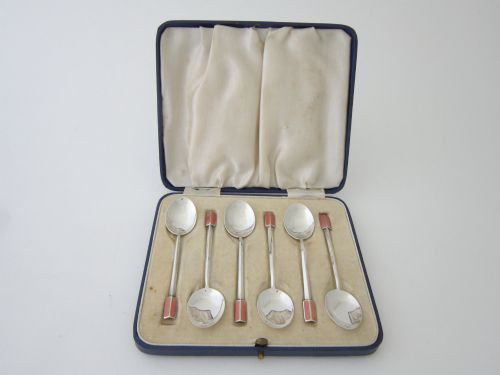
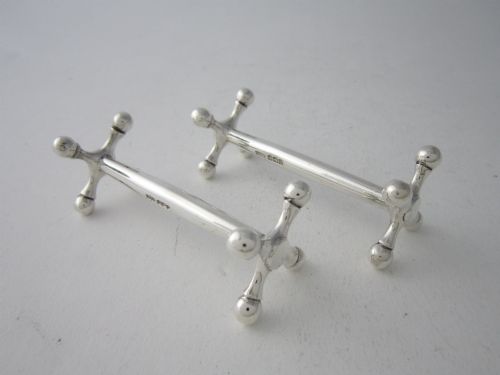
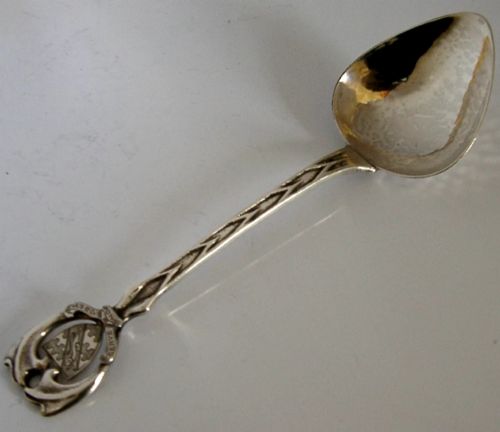
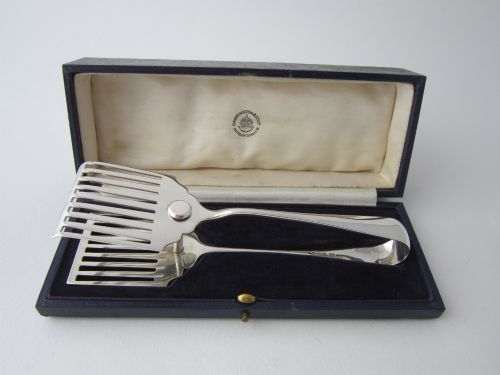
Art Deco styling dominates the selection, sitting alongside George V items and occasional Chippendale revival pieces. You will find items ranging from large multi-piece canteens down to specific implements like grapefruit spoons, knife rests, and seafood picks.
Many items survive in their original fitted boxes lined with materials such as velvet, silk, baize, or oak. These sets reflect the dining habits of the period, offering specialised utensils designed for particular courses and social occasions.
How they were made
The construction of these items relies primarily on solid sterling silver or silver plating over a base metal foundation. Silversmiths utilised traditional manufacturing techniques alongside modern industrial methods to produce both heavy service canteens and delicate decorative pieces.
Decorative elements often incorporate vitreous enamel to add bold geometric colour, particularly on spoons designed for coffee or tea. Certain items combine metal with contrasting materials such as Bakelite handles, capturing the industrial aesthetic of the decade.
1930s Silver Cutlery Retail Price Guide 2026
Typical asking prices for 1930s silver cutlery among the pieces listed under this phrase on Sellingantiques today, from the lower quarter to the upper quarter. They describe what is for sale here now, not the wider market.
Bridge spoons let players score points while keeping card game fingers strictly away from the grapefruit.
What varies in quality
Quality in these items is determined by the weight of the silver, the crispness of the hallmark stamps, and the integrity of any applied enamel work. Pieces featuring complete, matching sets within their original fitted oak or lined canteens generally command greater interest from collectors.
The distinction between solid sterling silver and silver plate influences the character of each piece, with solid items showing deeper durability and heavier gauge metal. Finer examples display meticulous attention to detail in the execution of Art Deco geometric motifs and maker marks.
Connell·Suckling Ltd.·Elkington and Co·Walker and Hall
The 1930s Silver Cutlery Glossary
- Sterling silver
- A silver alloy containing 92.5 percent pure silver and 7.5 percent other metals, usually copper, to ensure structural strength. This standard is marked by specific hallmarks on British items.
- Silver plate
- A layer of pure silver bonded to a base metal core such as nickel silver or copper. This technique allowed manufacturers to produce elaborate tableware at a lower cost than solid silver.
- Vitreous enamel
- A coloured glass material fused to metal surfaces through high-temperature firing. It provides a durable, glossy finish seen frequently on decorative spoon handles from the period.
- Canteen
- A fitted box, chest, or cabinet designed specifically to store a complete set of cutlery in organised slots. These containers are often lined with baize, velvet, or silk.
- Bakelite
- An early synthetic thermosetting plastic used for utensil handles during the nineteen-thirties. Its dark, smooth finish complements the geometric lines of Art Deco design.
1930s Silver Cutlery: Frequently Asked Questions
How do I clean silver cutlery?
Clean your silver using a gentle, non-abrasive polish specifically formulated for precious metals. Avoid harsh scrubbing that can wear down thin silver plating or damage enamel decorations.
Store pieces in a dry environment, ideally within lined canteens or anti-tarnish rolls, to minimise exposure to air and moisture which accelerate tarnishing.
How do I identify nineteen-thirties styles?
Look for the characteristic geometric patterns, sharp angles, and stylized motifs associated with the Art Deco movement. These design choices separate nineteen-thirties tableware from earlier Victorian or Edwardian ornate styles.
Maker marks and date letters stamped onto the metal provide definitive chronological markers for sterling silver pieces produced in British assay offices.
What is a canteen of cutlery?
A canteen is a dedicated storage chest or case fitted with individual slots or straps to hold a matched service of forks, spoons, and knives. They ensure each piece remains protected from scratching when not in use.
Many canteens from this decade are constructed from oak and retain their original interior linings of silk, velvet, or baize.