






1930s Silver Bowl
These pieces for a 1930s silver bowl capture the bold geometry and refined craftsmanship of the interwar years.
1930s Silver Bowl
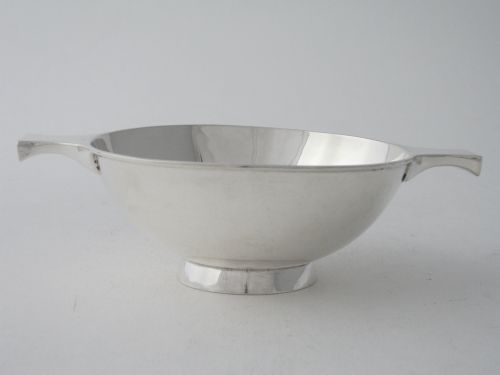
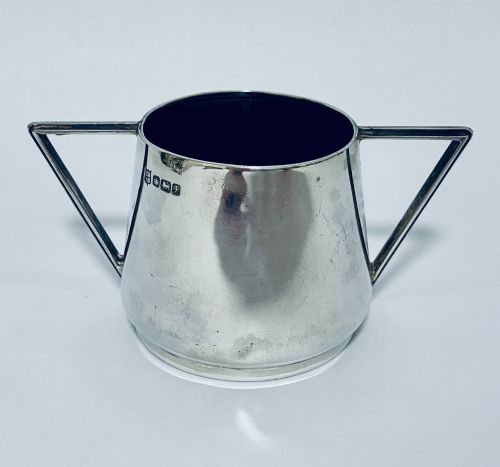
A 1930s silver bowl encompasses everything from formal George V sterling sugar basins to French Art Deco plated serving dishes. Buyers seeking this phrase often encounter domestic vessels designed for sugar, fruit, bread, or dressing table use.
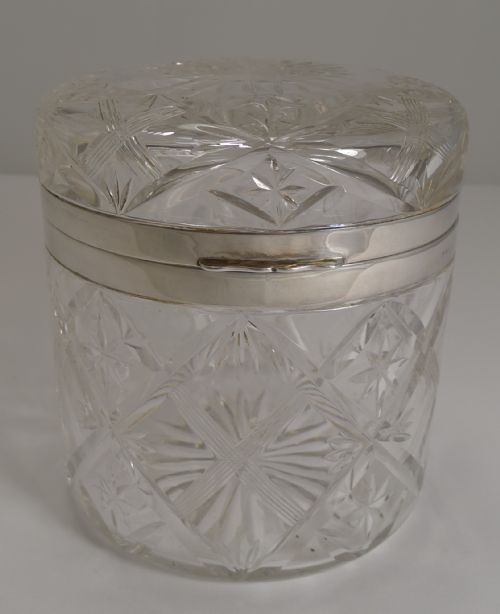
The selection frequently includes pieces paired with glass liners, enamel, or tortoiseshell, reflecting the varied design priorities of the era. Scottish quaichs and Sheffield bonbon dishes sit alongside Continental comports and baskets.
Forms range from compact jars with blue enamel to large silver-plated fruit baskets meant for display. Each item demonstrates the distinct transition between traditional British hallmarked silver and modernist Continental metalwork.
What varies in quality
The distinction between standard domestic wares and top-tier items rests upon the weight of the metal and the crispness of the form. Heavier gauge sterling silver maintains its structural integrity without flexing, whereas plated items depend entirely on the thickness of the silver deposit over the base metal.
Integration of secondary materials like enamel, tortoiseshell, or fitted glass liners dictates the refinement of a piece. Clean, undamaged enamel work and properly seated glass inserts elevate the overall standard significantly.
1930s Silver Bowl Retail Price Guide 2026
Typical asking prices for 1930s silver bowl among the pieces listed under this phrase on Sellingantiques today, from the lower quarter to the upper quarter. They describe what is for sale here now, not the wider market.
Listings feature sterling silver, silver plate, chrome, glass, enamel, wood, and ebony across pieces originating from Britain and France.
Viners·Mappin & Webb·Brille·Christofle
The 1930s Silver Bowl Glossary
- Sterling silver
- An alloy containing 92.5 percent silver by weight, standard for British hallmarked items from this period.
- Silver plate
- A base metal foundation coated with a thin layer of silver, common in larger serving dishes and Continental items.
- Comport
- A decorative bowl raised on a stem or foot, used historically for serving fruit or sweets.
- Quaich
- A traditional two-handled drinking vessel of Scottish origin, adapted during the period into shallow bowls.
- Enamel
- A glassy substance fused to the surface of metal through firing, providing vibrant colour contrast in Art Deco designs.
1930s Silver Bowl: Frequently Asked Questions
How do I clean an enamel and silver bowl?
Use a soft cloth and warm soapy water for the enamel portions, avoiding harsh silver dips that can seep underneath and damage the coloured glass surface.
Polish the sterling sections gently with a specialised cloth, taking care not to rub abrasive compounds against fragile decorative borders or fitted glass inserts.
Were these bowls used for food?
Many served specific culinary functions, such as holding sugar, bonbons, fruit, or bread during formal dining occasions.
Others functioned as dressing table accessories for trinkets, meaning buyers should check interior surfaces before serving consumables.
How can I tell sterling from plated items?
British sterling pieces carry hallmark stamps indicating the assay office, standard mark, and date letter for the year of production.
Silver-plated items usually bear manufacturer marks like model numbers or plating indications instead of official assay office stamps.