


1930s Low Bookcase
A 1930s low bookcase brings practical storage and distinct period character to a room without blocking sightlines.
1930s Low Bookcase
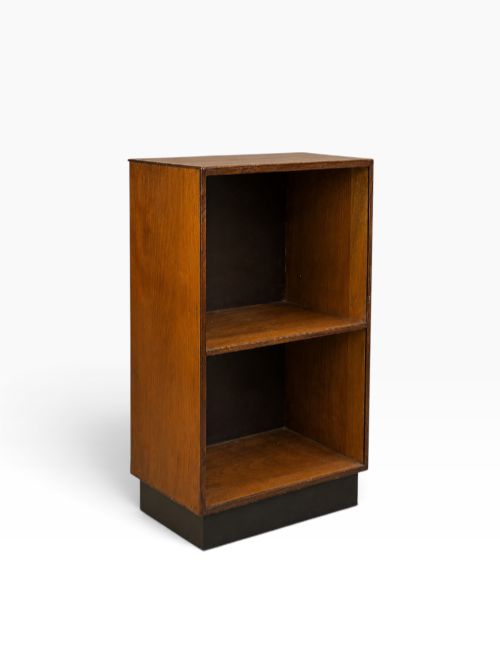
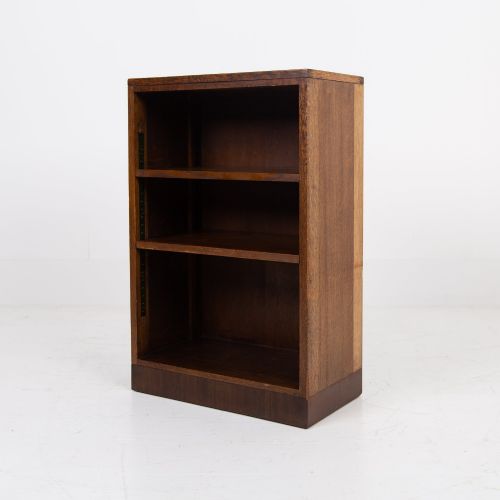
A 1930s low bookcase sits comfortably below eye level, offering accessible shelving for everyday volumes and display pieces. These items appear primarily in Art Deco designs, alongside Tudor Revival and Anglo-Indian styles.
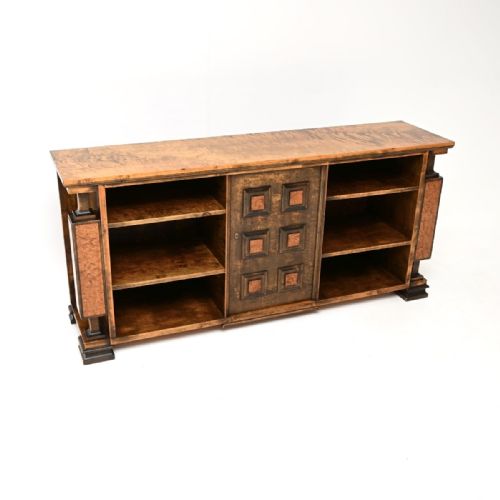
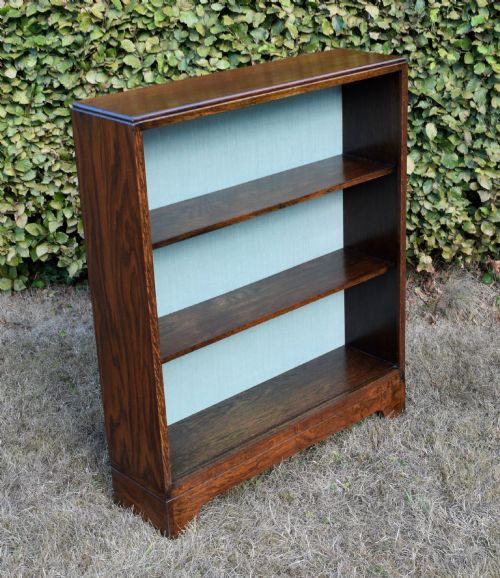
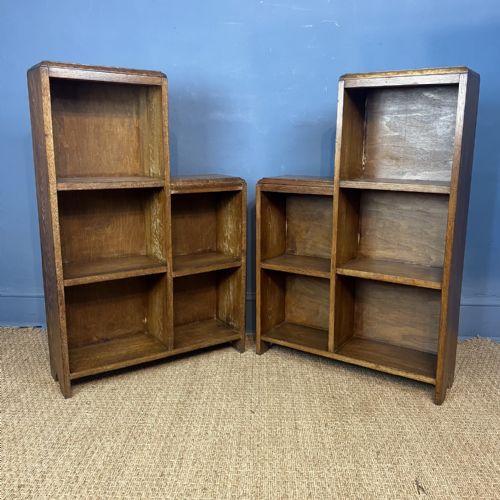
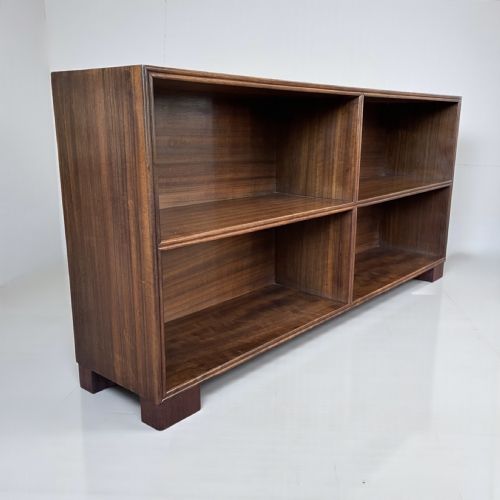
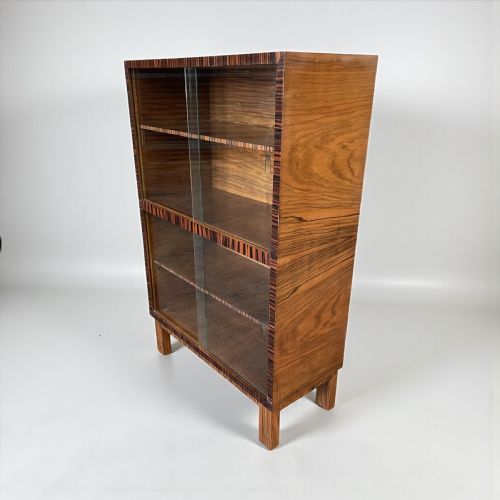
Most examples found here date from the 1930 and 1940 periods, taking the form of open bookcases, glazed cabinets, and combination cupboard units. Buyers will frequently encounter compact open configurations suited for domestic spaces.
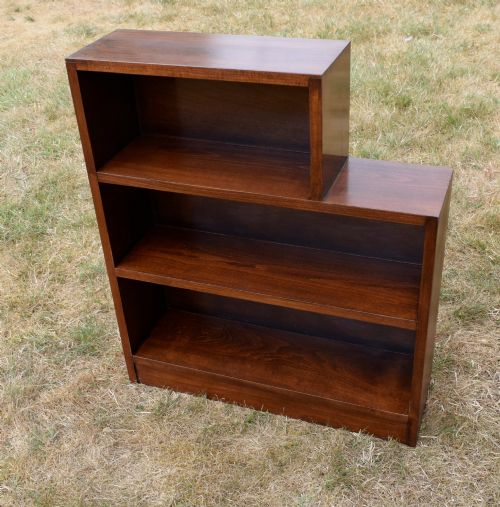
The proportions remain low and horizontal, often featuring stepped tops or rounded sides typical of the period aesthetic. Makers span notable English and Scandinavian workshops as well as unlabelled pieces.
Distinguishing quality
Quality rests in the selection of veneer figures and the precision of the cabinetwork. Pieces utilising burr elm, satin birch, or figured walnut demonstrate superior material ambition compared to plain timber carcases.
Design execution separates standard commercial production from elevated studio work. Attributed pieces from known makers display more considered proportions and refined handling of period styling.
A leather top on an oak bookcase offers a soft landing for your pocket change when you empty your pockets at the door.
Heals·Maurice Adams·Betty Joel
The 1930s Low Bookcase Glossary
- Art Deco
- A design style characterised by sleek geometric shapes, streamlined forms, and stylised ornamentation. It dominated decorative arts throughout the interwar period.
- Open bookcase
- A shelving unit without doors, allowing immediate access to books. This form was widely produced in both oak and walnut during the 1930s.
- Veneer
- A thin layer of decorative wood applied to a base timber to provide a figured surface. Cabinetmakers selected exotic woods like satin birch and walnut for this purpose.
- Tudor Revival
- An architectural and furniture style emulating 16th-century forms using dark oak and traditional joinery. Pieces in this idiom date to the interwar revival of older British aesthetics.
1930s Low Bookcase: Frequently Asked Questions
How tall is a typical low bookcase?
These pieces generally measure under waist height, designed to keep the top surface accessible and to avoid overwhelming smaller rooms.
This height makes them suitable for placing beneath windows or using as display surfaces for lamps and objects.
Are these bookcases suitable for modern homes?
Their compact proportions and low profile allow them to fit easily into modern living spaces and hallways.
They provide functional book storage while introducing distinct interwar period character to contemporary interiors.
What is the difference between open and glazed versions?
Open bookcases provide direct, unrestricted access to books and present a clean, architectural line.
Glazed cabinet variants protect contents behind glass doors, often incorporating lower cupboards for concealed storage.
How do I identify an Art Deco bookcase?
Art Deco examples feature symmetrical geometric forms, stepped pediments, and striking wood veneers such as walnut or sycamore.
They often eschew traditional carving in favour of smooth, curved silhouettes and contrasting grain patterns.