



1930s Hanging Light
A 1930s hanging light brings geometric symmetry and industrial elegance to any room.
1930s Hanging Light
A 1930s hanging light embodies the dominant design principles of the interwar period, combining functional illumination with bold decorative forms. These pieces serve as ceiling-mounted fixtures that cast direct or diffused light across interior spaces.
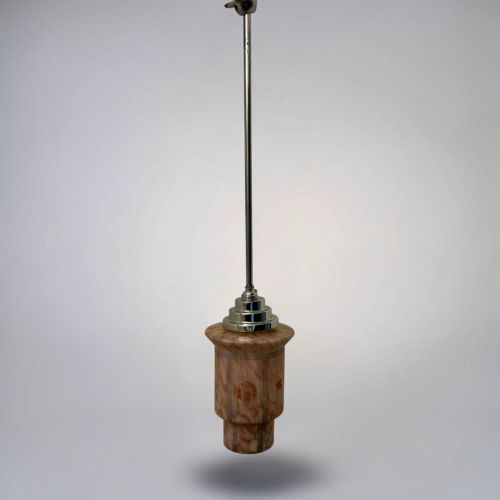
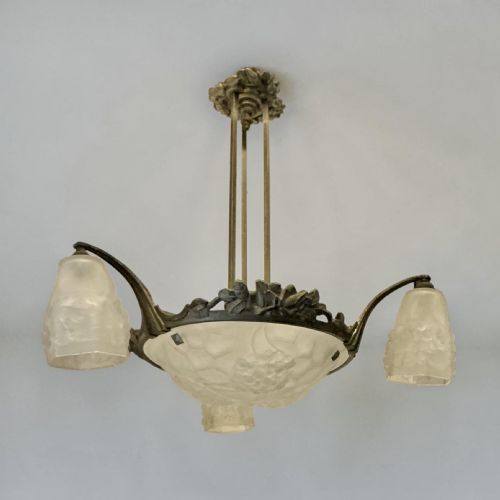
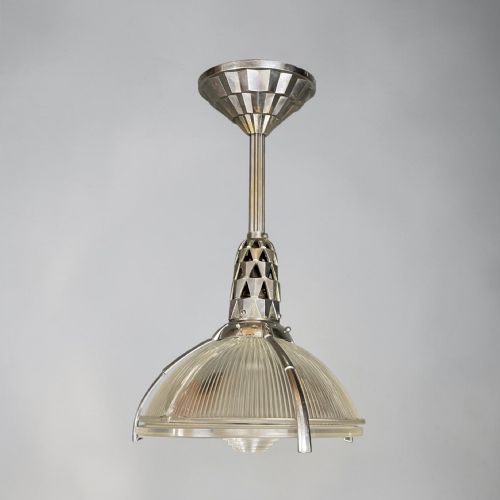
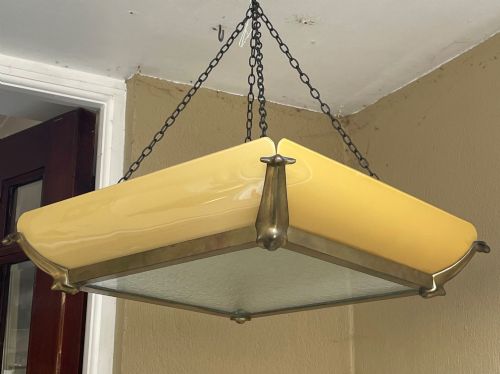
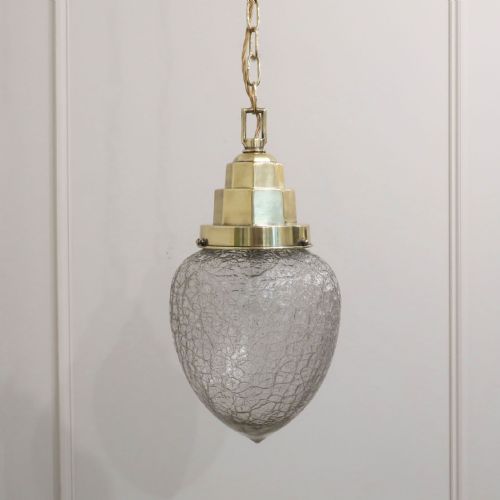
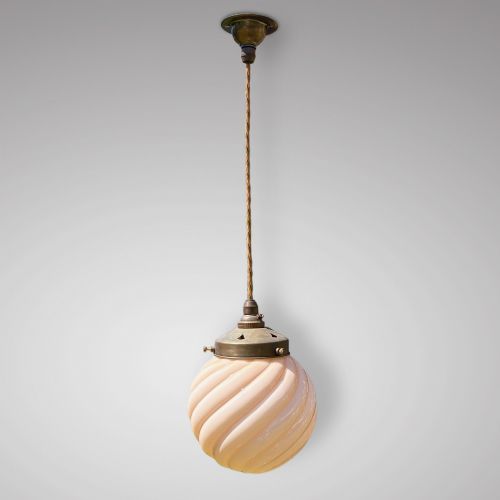
Moulded glass shades and geometric brass frames dominate the physical evidence. Buyers frequently encounter streamlined opaline or frosted glass bowls suspended by metal rods or chains.
How they were made
Manufacturers utilised a combination of cast metals and pressed glass to produce these overhead fixtures. Brass, chrome, copper, and bronze form the structural frames and hardware components.
Glass production relied on moulding and acid-etching techniques to create frosted, opaline, crackle, and slip-shade finishes. These treatments served to soften the glare of early electric bulbs while displaying decorative geometric patterns.
1930s Hanging Light Retail Price Guide 2026
Typical asking prices for 1930s hanging light among the pieces listed under this phrase on Sellingantiques today, from the lower quarter to the upper quarter. They describe what is for sale here now, not the wider market.
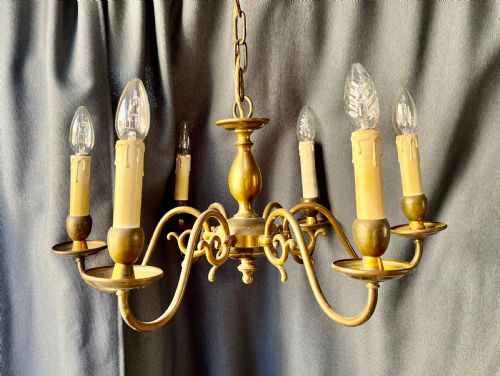
The inventory records span multiple functional forms, ranging from single-bulb pendants to multi-arm chandeliers and wall-adjacent plafonniers.
What varies in quality
The standard of a 1930s hanging light depends on the weight of its metalwork and the complexity of its glass production. Heavier cast bronze or brass frames indicate superior manufacturing compared to lighter stamped steel.
Signatures or attribution to known glassmakers elevate the distinction of a piece. The clarity, thickness, and finish of moulded opaline or frosted glass elements further divide standard production items from masterworks.
Degué·Émile-Jacques Ruhlmann·Jean Gauthier
The 1930s Hanging Light Glossary
- Art Deco
- A design style characterised by sleek geometric shapes, stylised motifs, and streamlined forms popular during the interwar period. It influences the vast majority of fixtures from this decade.
- Opaline glass
- A milky, semi-translucent glass that diffuses light evenly without harsh glare. It appears frequently in spherical and pear-shaped pendant shades.
- Plafonnier
- A shallow ceiling light fixture where the glass shade sits directly against or very close to the ceiling mount. These direct-mounting bowls often feature elaborate brass or chrome galleries.
- Slip shade
- A moulded piece of glass that fits directly into a metal frame as part of a multi-piece shade assembly. These components define many American and European Art Deco chandeliers.
- Hall lantern
- An enclosed ceiling fixture designed specifically for narrow entranceways and corridors. They combine glazed glass panels with robust metal frames in brass, copper, or steel.
1930s Hanging Light: Frequently Asked Questions
How do I hang a 1930s pendant light?
These fixtures typically suspend from a ceiling hook via a chain or rigid metal rod. Professional rewiring ensures the internal vintage cabling meets modern electrical standards.
Weight distribution matters greatly with heavier bronze and alabaster models. Secure the mounting bracket directly into ceiling joists to support the load safely.
What rooms suit a 1930s ceiling light?
Hallways and entryways benefit immensely from compact lanterns and plafonniers. Their enclosed designs provide generous illumination in restricted spaces.
Larger pendant lights and chandeliers find a natural home above dining tables or in high-ceilinged living rooms. The distinct geometric profiles anchor the decorative scheme of the space.
How do I identify an Art Deco fixture?
Look for symmetrical geometric patterns, stepped motifs, and streamlined metalwork. Materials like chrome, frosted glass, and opaline spheres point directly to this era.
Maker signatures etched into the glass margins often confirm the origin. Unsigned pieces still reveal their period through authentic construction methods and heavy metal casting.
Can I clean vintage glass shades safely?
Remove delicate opaline and frosted shades from the metal frame before cleaning. Wash them gently in warm soapy water using a soft cloth to protect the surface.
Avoid harsh chemical abrasives that might damage acid-etched textures or patinated bronze finishes. Dry the glass thoroughly before reassembling the fixture.