


1930s Hanging Lamp
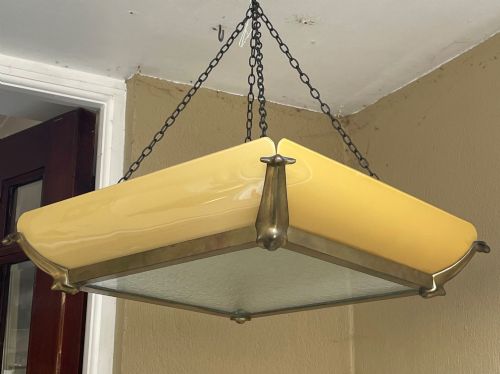
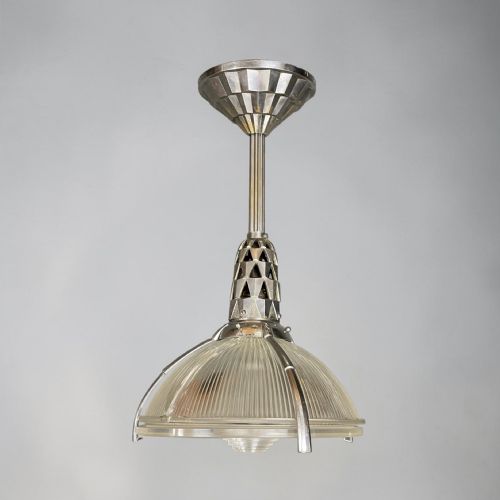
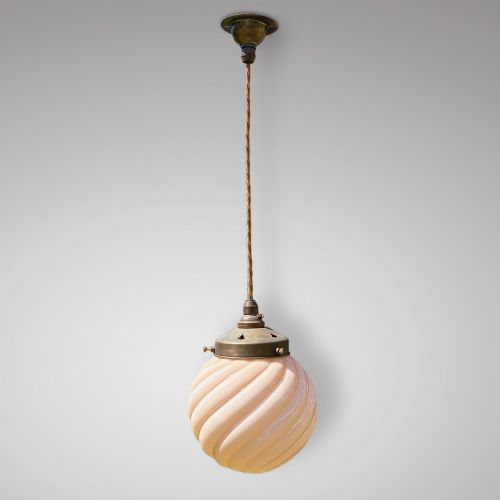
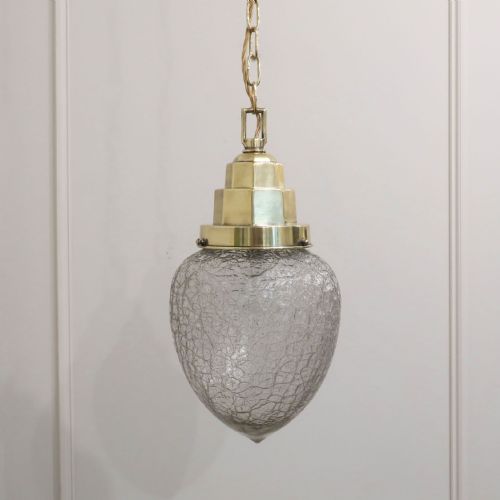
These pieces are a 1930s hanging lamp, cast in metal and glass to bring period geometry and diffuse light into domestic rooms.
1930s Hanging Lamp
A 1930s hanging lamp covers pendant lights, ceiling lights, lanterns and chandeliers originating from the interwar period. The primary style encountered is Art Deco, alongside Dutch Revival and Highland Lodge influences.
Forms range from simple pear-shaped opaline glass pendants to elaborate multi-light bronze, copper and wrought iron chandeliers. Hall lanterns and flush-fitting plafonniers also appear frequently across the selections.
Most examples date firmly from the 1920s and 1930s, utilising period idioms of geometric moulding and structured metal frames to suspend glass shades from ceilings.
Materials and construction methods
The construction relies heavily on combinations of brass, chrome, steel, copper and bronze paired with glass elements. Metal frames and suspension chains support shades cast in frosted, crackle, opaque or opaline glass.
Glass production during this era involved specialised techniques such as acid etching, moulding and texturing, creating surfaces like fish scale patterns or smooth opaline finishes designed to soften electric glare.
The documented object types span pendant lights, ceiling lights, lanterns and multi-arm chandeliers.
Distinctions in craftsmanship
Quality rests in the weight and finish of the metalwork, from heavy cast bronze and hand-wrought iron to simpler plated steel. Finer pieces demonstrate precise joinery, original patination and robust structural framing.
The glass component further separates standard production from superior examples, visible in the depth of opalescence, thickness of moulded frosted panels and intricacy of decorative surface textures.
Émile-Jacques Ruhlmann·Jean Gauthier
The 1930s Hanging Lamp Glossary
- Plafonnier
- A ceiling light fixture designed to sit flush or very close to the ceiling surface rather than hanging on a long suspension cord or chain. These fixtures often feature moulded frosted glass bowls held by metal mounts.
- Opaline Glass
- A milky, semi-translucent glass type widely utilised in the period to diffuse light evenly without harsh glare. It appears frequently in pear-shaped and globe pendant forms.
- Art Deco
- The dominant design movement of the 1920s and 1930s characterised by stylised geometric patterns, symmetrical arrangements and streamlined industrial motifs. This style heavily influences the metalwork and glass shapes of these lamps.
- Chandelier
- A branched hanging light fixture designed to hold multiple bulbs. Period examples incorporate materials ranging from polished brass to red and roe deer antlers.
- Frosted Glass
- Glass treated to scatter light by creating a translucent surface texture through acid etching or sandblasting. It provides a soft, ambient glow within lanterns and ceiling fixtures.
1930s Hanging Lamp: Frequently Asked Questions
How do I hang a heavy 1930s hanging lamp safely?
These fixtures require secure anchorage directly into ceiling joists or suitable structural noggins using heavy-duty fixings. Due to the weight of cast metal frames and thick glass shades, ceiling hooks must be rated to support the total mass.
Professional electrical installation is recommended to ensure the internal wiring meets current safety standards while preserving the original metal or glass components.
What rooms suit a 1930s hanging lamp?
Pendant lights and hall lanterns work well in entrance hallways, stairwells or smaller reception rooms where downward illumination is practical. Larger chandeliers and multi-light fixtures suit dining tables or high-ceilinged living spaces.
The geometric lines and diffuse glass of Art Deco lighting complement both period interiors and minimalist modern settings seeking a strong focal point.
How do I distinguish Art Deco from Dutch Revival styles?
Art Deco lighting relies on streamlined symmetry, geometric motifs and industrial metals like chrome and steel alongside moulded frosted glass. The focus remains on modern machine-age aesthetics and clean profiles.
Dutch Revival pieces reference historical brass chandelier forms with multiple arms and traditional domestic proportions, reflecting older craftsmanship traditions rather than modernist geometry.
How do I clean antique glass and metal?
Opaline and frosted glass shades benefit from gentle washing in lukewarm water with a mild detergent, avoiding harsh abrasives that can damage textured surfaces. Metal components should be dusted with a soft cloth rather than aggressively polished to preserve the historic patination.
Care must be taken around electrical fittings and vintage wiring during any maintenance.