

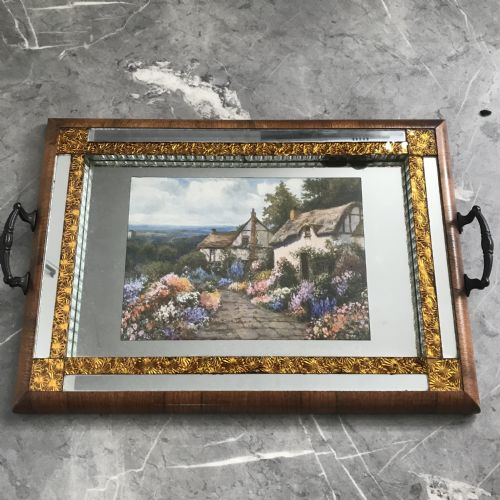


1930s Glass Frame
These 1930s glass frame pieces bring crisp geometric styling and reflective surfaces to interiors, offering both functional display and period character.
1930s Glass Frame
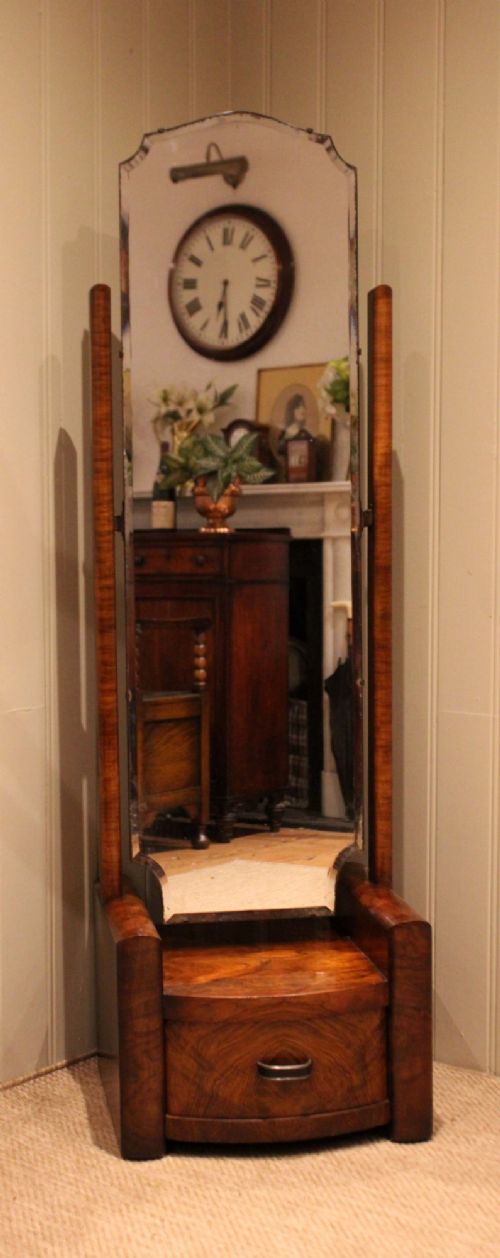
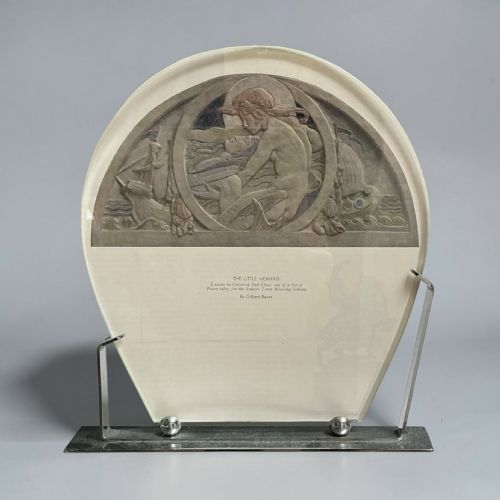
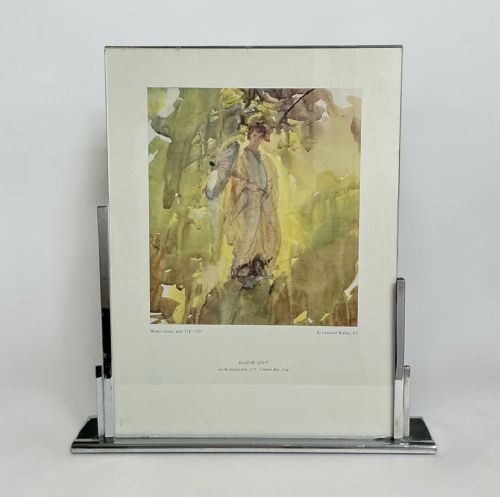
When you search for a 1930s glass frame, you find items rooted primarily in the Art Deco period, along with early 20th-century and Venetian influences. These objects range from freestanding picture frames and triptych photo holders to mirrored glass trays and structural display counters.
The materials span clear and coloured glass, mirror plates, and chrome, often paired with wood elements like walnut veneer or oak. The forms serve both decorative and practical domestic functions within living spaces.
How they were made
Makers utilised combinations of cut glass and mirror plates set within metal or wooden structures. Chrome and brass provide sturdy edging, whilst bevelled plate glass adds depth and dimension to the edges of mirrors and frames.
Wooden components such as walnut veneer and oak offer contrasting backing and framing supports. Metal frames frequently employ clean lines and structured mounts characteristic of the period's manufacturing methods.
1930s Glass Frame Retail Price Guide 2026
Typical asking prices for 1930s glass frame among the pieces listed under this phrase on Sellingantiques today, from the lower quarter to the upper quarter. They describe what is for sale here now, not the wider market.
Listings feature items built from glass, chrome, brass, oak, and walnut veneer.
What varies in quality
The standard of materials and the precision of assembly distinguish finer examples. Robust metalwork, intact silvering on mirror plates, and securely fitted glass panels elevate a piece above simpler utilitarian items.
Details such as bevelled edges on glass and the quality of underlying wood veneers show the care taken during manufacture. Well-preserved original fittings indicate superior initial construction.
Saml. Elliott & Sons·Jacques Adnet·GEC
The 1930s Glass Frame Glossary
- Art Deco
- A design style characterised by sleek lines, geometric shapes, and modern materials that dominated the interwar period. It influences many frames and mirrors from this era.
- Bevelled Plate
- Glass or mirror with an angled edge cut and polished to a specific width. This technique catches the light and adds a decorative border to mirrors and picture frames.
- Chrome
- A hard, corrosion-resistant metallic plating applied to base metals. It provides the bright, reflective finish seen on many 1930s metal frames and stands.
- Walnut Veneer
- A thin layer of walnut wood applied to a core wooden structure for decorative effect. It appears frequently on the bases and trim of period trays and frames.
- Triptych
- A piece divided into three sections, commonly hinged together. In photo frames, this allows three panels to stand at angles to one another.
1930s Glass Frame: Frequently Asked Questions
How do I clean a vintage glass frame?
Use a soft cloth and a gentle glass cleaner, avoiding harsh chemicals that might damage surrounding metal or wooden edges.
Take care around old bevelled edges and any foxed mirror areas to preserve the original finish.
Are these frames suitable for modern photographs?
Many freestanding picture frames and triptych designs accommodate standard photographic prints quite easily.
Measure the visible aperture to ensure your pictures fit without trimming important details.
How can I tell a 1930s frame from a reproduction?
Look for period construction methods, such as specific metal joins, authentic chrome wear, and older backing materials.
Original items often display genuine age-related patination on the glass and metal components.
Where should I place a mirrored tray in a room?
Mirrored glass trays work well on sideboards or coffee tables to reflect light and display smaller decorative objects.
Position them away from direct, constant moisture to protect the backing silver.