



1930s Glass Figurine
A 1930s glass figurine captures the distinctive flair of Art Deco design, offering collectors striking animal and human forms.
1930s Glass Figurine
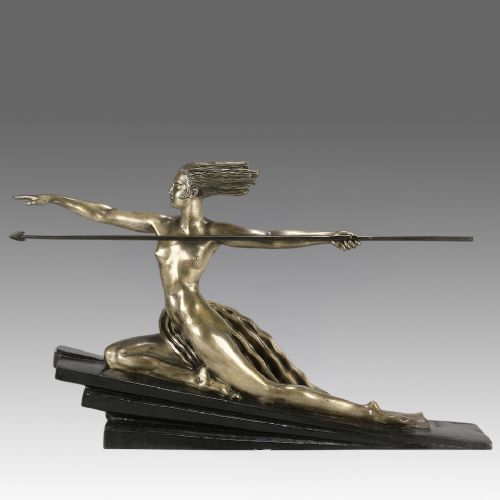
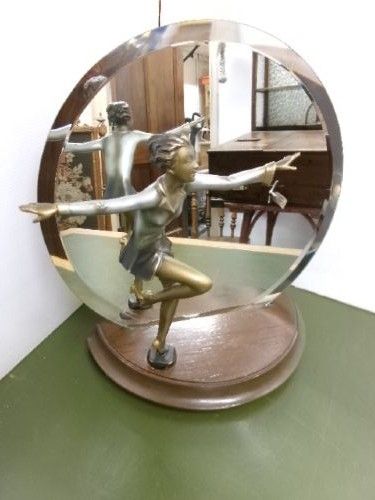
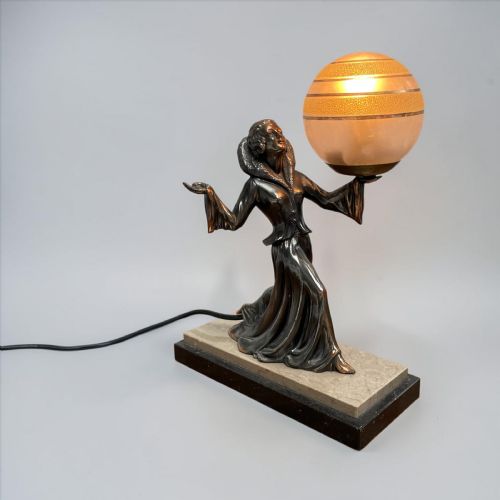
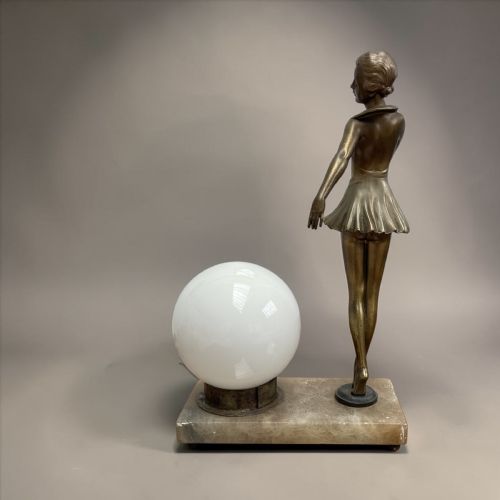
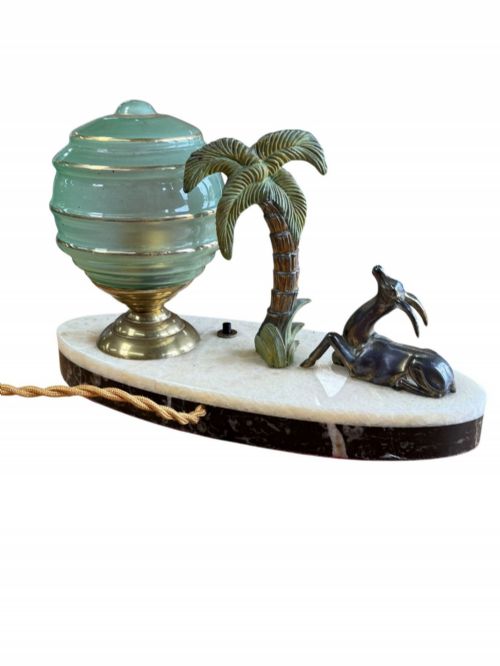
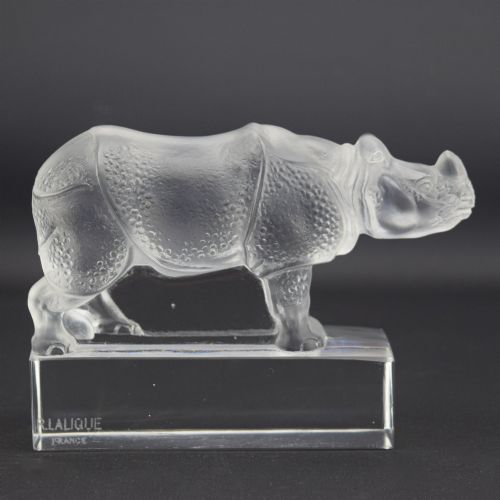
A 1930s glass figurine represents the artistic output of the interwar period, focusing on sculptural forms such as dancing ladies, animals, and mythological figures. These pieces frequently manifest as standalone paperweights, night lights, or components of larger table lamps.
The objects appearing here predominantly align with the Art Deco style, originating from French studios and makers of the era. Buyers will encounter both clear glass and opalescent examples, often mounted on heavy marble bases alongside metal elements.
Figurines from this decade serve both decorative and functional roles, functioning as illumination sources or desk accessories. The prevalent subjects include stylised female figures, felines, birds, and elephants.
How they were made
Makers utilised moulded glass techniques, employing frosted, opalescent, and clear finishes to catch and refract light. Acid etching and staining were frequently applied to enhance the contrast of feathers, fur, and drapery.
Many glass figures incorporate mixed media, mounting the delicate glass components onto patinated metal, spelter, or bronze castings. These metal elements often sit directly upon fitted marble bases to provide stability.
1930s Glass Figurine Retail Price Guide 2026
Typical asking prices for 1930s glass figurine among the pieces listed under this phrase on Sellingantiques today, from the lower quarter to the upper quarter. They describe what is for sale here now, not the wider market.
Object forms span table lamps, paperweights, night lights, and standalone sculptures.
What varies in quality
The integration of mixed materials alters the overall balance of the piece, with heavier marble bases and well-cast metal mounts denoting superior construction. The depth and colour saturation in opalescent or stained glass sections further distinguish the work.
Rene Lalique·Lucille Sevin·Marius Ernest Sabino·Etling
The 1930s Glass Figurine Glossary
- Opalescent glass
- Glass that diffuses light to display a milky, iridescent quality, often shifting in colour between transmitted and reflected light.
- Spelter
- A zinc alloy commonly used as a substitute for bronze in decorative figures and lamp mounts during the period.
- Patinated metal
- Metal treated with chemicals to produce a specific surface colour or aged finish.
- Caryatid
- A sculpted female figure serving as an architectural support or structural column, seen here in sculptural lamp forms.
1930s Glass Figurine: Frequently Asked Questions
What defines a 1930s glass figurine?
These pieces are sculptural objects produced during the interwar period, heavily influenced by the Art Deco movement. They frequently depict stylised human forms and animals.
Many examples double as functional items, such as paperweights or bases for table lamps and night lights, combining glass with marble and metal.
How are these figures mounted?
Makers often mounted the glass figures onto heavy marble bases to provide stability and a contrasting textural element. Some designs incorporate patinated metal or spelter figures alongside the glass.
The combination of cold stone and luminous glass is a hallmark of the period's decorative arts.
Where were these pieces made?
A significant portion of these decorative items originates from French workshops and studios active during the early decades of the twentieth century. French designers dominated the production of opalescent and moulded art glass.
Galleries and makers in France produced both independent sculptures and fitted lighting fixtures.
How do I care for my figurine?
Gentle dusting with a soft, dry cloth is usually sufficient to maintain the surface of the glass and metal. Avoid harsh chemical cleaners that might damage patinated surfaces or stained glass details.
Keep pieces away from direct heat sources if they are mounted on mixed media bases to protect the adhesives and marble.