



1930s Furniture Piece
A 1930s furniture piece brings striking geometric forms and rich veneers into the home, offering both practical utility and bold period character.
1930s Furniture Piece
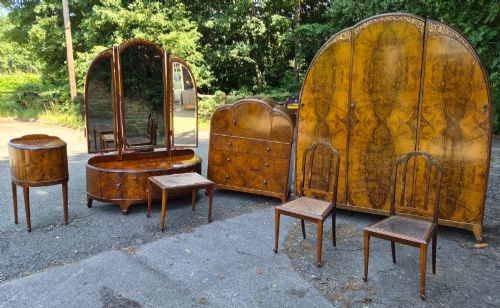
A 1930s furniture piece spans substantial multi-piece dining and bedroom suites, comfortable lounge seating, and versatile console tables. These items reflect the dominant aesthetic movements of the era, combining functional utility with decorative presence.
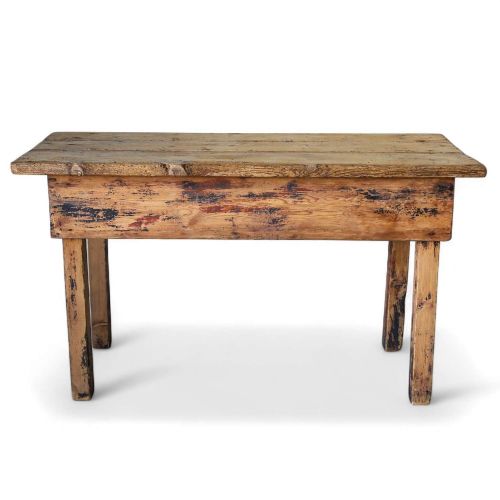
The selections available range from large-scale Art Deco bedroom suites and walnut lounge sets to more vernacular farmhouse work tables and miniature apprentice pieces. Buyers frequently encounter pieces defined by the rounded contours and veneered surfaces characteristic of the interwar period.
Origins vary across English, French, and Welsh workshops, incorporating both high-style urban cabinet making and regional utilitarian woodworking. This mix provides distinct options depending on whether the desired aesthetic is sleekly modern or rustic and traditional.
How they were made
Construction relies heavily on timbers such as walnut, burr walnut, oak, pine, calamander, macassar, and ebony, often utilised as decorative surface veneers over sturdy internal carcases. Marquetry inlay is also employed to add geometric patterning and textural contrast to cabinet fronts and tabletops.
Upholstered seating incorporates supple leather alongside supportive internal framing, while glass, mirror glass, and brass hardware provide functional surfaces and striking decorative accents. These mixed materials define the polished finish characteristic of the period's output.
1930s Furniture Piece Retail Price Guide 2026
Typical asking prices for 1930s furniture piece among the pieces listed under this phrase on Sellingantiques today, from the lower quarter to the upper quarter. They describe what is for sale here now, not the wider market.
The listings combine Art Deco walnut and leather lounge suites with rustic Welsh pine farmhouse work tables.
What varies in quality
Quality diverges significantly between mass-produced utility items and pieces emanating from named makers or specialised urban workshops. Superior examples demonstrate meticulous book-matching of burr walnut or exotic veneers and precise marquetry execution.
The integrity of structural joints, the suppleness of original leather upholstery, and the clarity of integrated glass or mirror panels further separate standard domestic items from high-end suites.
Frank Taylor & Co.·Elkington & Co·Gaylayde·B Cohen & Sons
The 1930s Furniture Piece Glossary
- Art Deco
- A design style characterised by streamlined shapes, symmetrical geometric patterns, and rich materials that dominated international design during the interwar years. It remains the defining aesthetic for many pieces from this decade.
- Burr Walnut
- A highly figured wood veneer harvested from the burl growths of walnut trees, prized for its swirling grain patterns. Cabinet makers utilised it on prominent surfaces to create dramatic visual movement.
- Marquetry
- The art of applying pieces of veneer to a structural structure to form decorative patterns and pictures. Craftsmen used contrasting woods to achieve intricate geometric designs.
- Calamander
- A dense, heavy exotic hardwood featuring dark brown stripes, often utilised in high-end French cabinet making. Its distinct grain contributed to the luxurious finish of elite suites.
1930s Furniture Piece: Frequently Asked Questions
What defines a 1930s furniture piece?
A 1930s furniture piece typically exhibits the streamlined curves and geometric motifs of the Art Deco style, alongside traditional rustic forms like farmhouse tables. Materials range from figured burr walnut and exotic veneers to sturdy pine and oak.
These items span complete bedroom and lounge suites, seating groups, and occasional tables. Their design reflects a transitional era bridging traditional craftsmanship with modern decorative arts.
How do I identify Art Deco furniture?
Art Deco pieces are recognised by their symmetrical layouts, rounded cloud-like upholstery shapes, and prominent use of decorative wood veneers. Brass accents and glass elements frequently complement these striking silhouettes.
Makers often paired rich timbers like walnut or calamander with contrasting inlay work to create visual depth. The overall focus rests on sleek, unified presentation across entire suites.
Are these pieces suitable for daily use?
Many items, such as dining suites, console tables, and lounge chairs, remain entirely functional for everyday domestic environments. Robust construction in woods like oak and walnut ensures enduring structural stability.
Care should be taken with delicate veneer surfaces and original leather upholstery to preserve their condition. Regular maintenance helps protect these historic materials during routine use.
How should I care for wood veneers?
Wood veneers require protection from direct sunlight and excessive moisture to prevent warping and fading. Gentle dusting with a soft, dry cloth maintains the polished finish without harming the historic surface.
Avoiding harsh chemical cleaners preserves the integrity of shellac or varnish treatments. Maintaining stable indoor humidity levels further safeguards delicate burl and exotic timbers.