




1930s French Glass Figurine
A 1930s French glass figurine captures the clean lines of Art Deco design and the tactile weight of period craftsmanship.
1930s French Glass Figurine
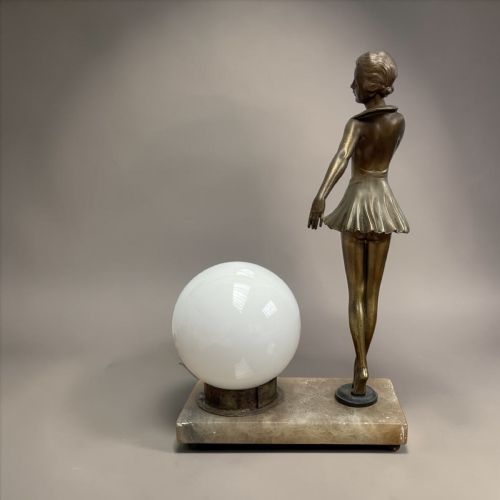
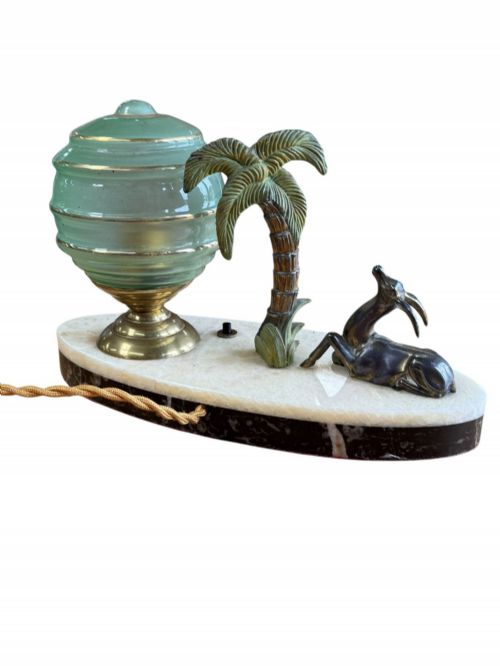
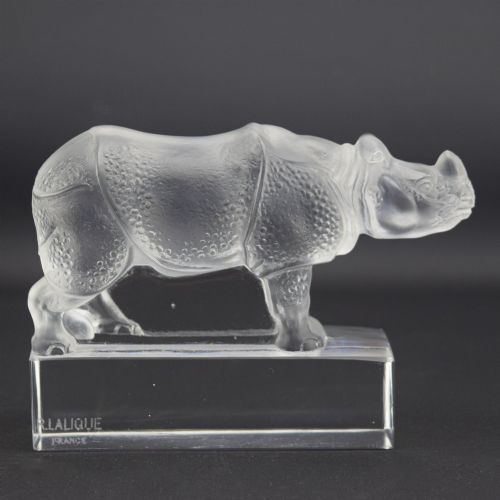
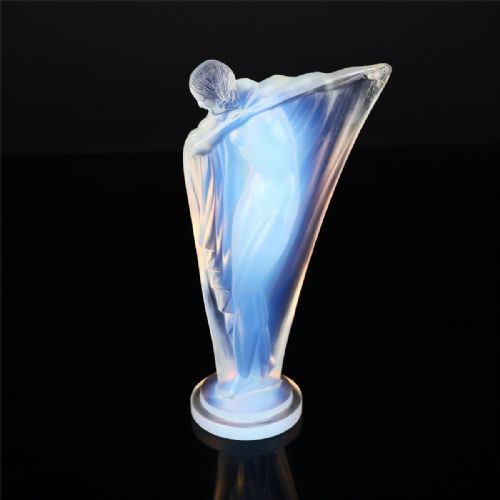
A 1930s French glass figurine represents the intersection of modernist sculpture and decorative lighting from the interwar period. These pieces frequently manifest as opalescent or frosted glass animal paperweights, human figures, and table lamps mounted on marble bases.
The objects available on this page reflect the prominent aesthetic of the era, primarily Art Deco. Makers during this decade combined cast glass with metal elements such as spelter or bronze to create functional sculptures and night lights.
Buyers seeking a 1930s French glass figurine will encounter works depicting stylised animals, mythological figures, and dancers. Many pieces function concurrently as desk accessories or illuminated ornaments.
Materials and methods
Makers utilised moulded glass, often treated with frosted or opalescent finishes to catch and diffuse light. Blue staining and contrasting textures accentuated the contours of birds, cats, and human forms.
Figurines were frequently integrated with heavy supportive plinths made of marble or paired with metal components like spelter and bronze. This mixed-media approach gave stability to delicate glass sculptures and lamp fittings.
Listings feature works from the 1920s and 1930s, executed in glass, marble, spelter, and bronze.
Distinctions in quality
The integration of mixed materials also defines the tier of the piece. Heavy, well-veined marble bases and robust metal mounts indicate higher manufacturing standards during the period.
Rene Lalique·Lucille Sevin·Marius Ernest Sabino
The 1930s French Glass Figurine Glossary
- Art Deco
- A design style of the 1920s and 1930s characterised by streamlined shapes, geometric patterns, and stylised representations of figures and fauna. It dominated decorative arts across France during the interwar years.
- Opalescent glass
- Glass that diffuses light with a milky, iridescent appearance, often showing subtle shifts in colour when viewed from different angles. This effect was highly favoured by interwar French glassmakers.
- Spelter
- A zinc alloy commonly used as a cost-effective substitute for bronze in period sculptures and lamp bases. It accepted patination well to resemble heavier metals.
- Socle
- A short plinth or pedestal supporting a sculpture or paperweight. It elevates the main glass figure above the display surface.
1930s French Glass Figurine: Frequently Asked Questions
What materials make up these lamps and figures?
These pieces combine moulded glass, such as frosted or opalescent variants, with structural elements of marble, spelter, and bronze. The glass forms the central sculpture or shade while the heavier stones and metals provide stable bases.
Lamps and night lights frequently utilise mixed media to balance delicate illumination with secure weighting.
How do I identify an Art Deco piece?
Art Deco design relies on stylised symmetry, clean geometric lines, and depictions of animals or human figures in motion. The objects from this era favour simplified, elegant contours over ornate Victorian flourishes.
Materials like frosted glass and dark marble further anchor these works firmly in the interwar aesthetic.
Were these items used functionally?
Many of these objects served practical purposes alongside their decorative value, functioning as paperweights on executive desks or as low-illumination night lights in domestic interiors. Sculptural figures were often mounted onto lamp bases to combine art with utility.
Smaller glass animals were specifically cast to hold down papers while catching the ambient room light.
How should I display a glass figurine?
Place the object where natural or artificial light can pass through the frosted or opalescent glass to highlight its texture and colour variations. Ensure heavy marble and bronze bases rest on stable, flat surfaces.
Keeping the piece away from direct edge hazards protects the delicate moulded extremities of the glass.