


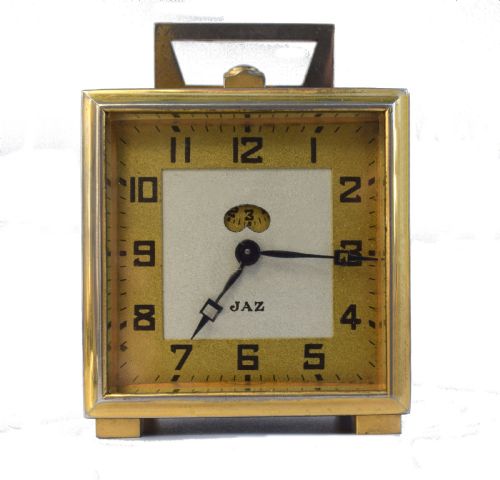


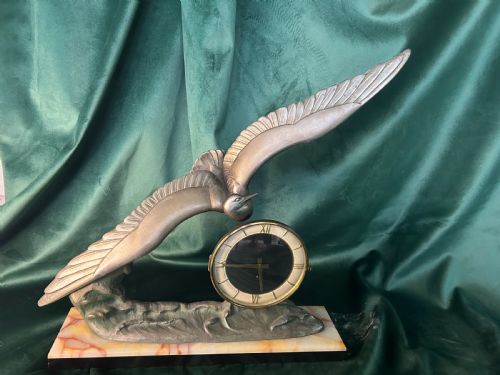


1930s French Desk Clock
A 1930s French desk clock brings geometric elegance and period engineering to a modern workspace.
1930s French Desk Clock
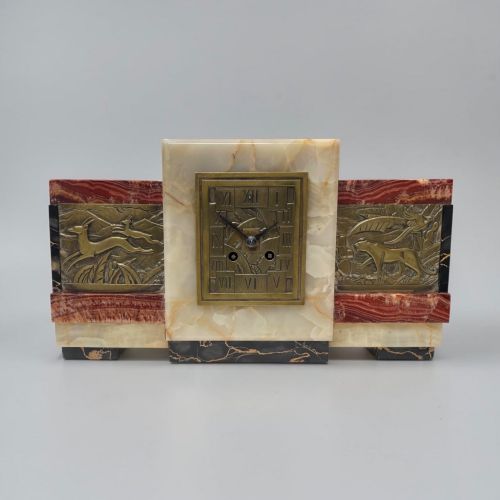
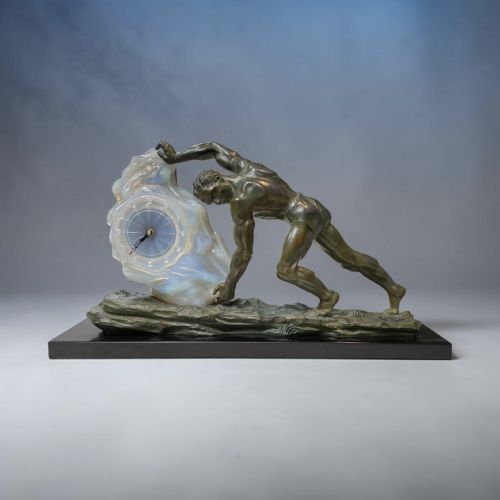
When you search for a 1930s French desk clock, you find timepieces shaped by the Art Deco movement. These objects take the form of table clocks, mantel clocks, and desk clocks originating from France.
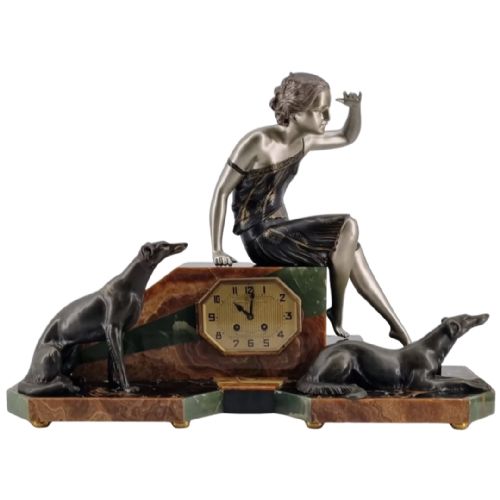
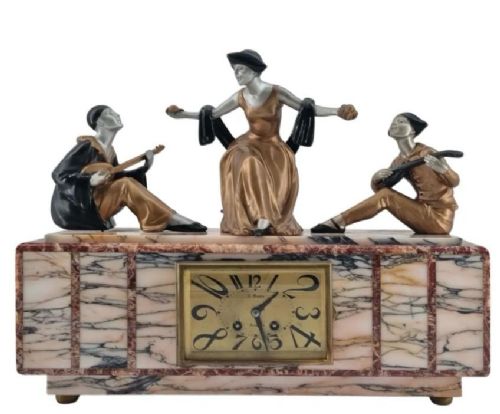
The pieces on this page span the 1910s, 1920s, and 1930s periods. They appear alongside related mantel clock sets and garnitures featuring figural sculptures.
Materials and construction
Maker workshops utilised a striking combination of industrial metals and early plastics. Glass, chrome, brass, and speller meet polished marble, onyx, and colourful moulded bakelite.
Some sophisticated models incorporate novelty mechanisms or specialist movements. Bronzed metals and carved walnut provide rich tactile contrast against polished chrome bezels and glass dials.
1930s French Desk Clock Retail Price Guide 2026
Typical asking prices for 1930s french desk clock among the pieces listed under this phrase on Sellingantiques today, from the lower quarter to the upper quarter. They describe what is for sale here now, not the wider market.
Quality factors
Quality rests on the integrity of the materials and the precision of the maker. Heavier marble bodies and crisp bakelite moulding distinguish superior examples from standard production pieces.
Signed dials and works by recognised French clockmakers elevate the stature of a desk clock. The harmony between the sculptural elements and the housing defines the upper tier.
Jaz·Sega·Jaeger·P.M.Favre·DEP·Blangy Clockmakers·Michel Decoux·Jaeger-LeCoultre·Bayard
The 1930s French Desk Clock Glossary
- Art Deco
- A design style characterised by sleek geometric shapes, streamlined forms, and modern industrial materials. It dominated decorative arts through the 1920s and 1930s.
- Bakelite
- An early form of synthetic plastic prized for its durability and rich colour options. French makers utilised it extensively for vibrant desk clock cases.
- Garniture
- A set consisting of a central clock flanked by matching decorative ornaments or side pieces. These arrangements were popular for mantelpieces and large sideboards.
- Spelter
- A zinc alloy commonly used as a base metal for sculptural figures and ornaments. It was frequently bronzed or painted to simulate costlier metals.
1930s French Desk Clock: Frequently Asked Questions
Were these clocks used exclusively on desks?
While many served as functional timekeepers on office desks and writing tables, others were designed for mantelpieces, bedside tables, or larger furniture settings.
Smaller alarm variations were portable and intended for travel or domestic bedside use.
How do I distinguish a 1920s piece from a 1930s piece?
Pieces from the 1920s often lean into figurative sculptures and traditional marble housings. They frequently incorporate whimsical subjects like animals or dancers.
By the 1930s, designs shifted towards streamline modernism, utilising bakelite, chrome, and cleaner geometric silhouettes.
Are these clocks mechanical or quartz?
These period pieces feature traditional mechanical movements developed during the early twentieth century. Many require manual winding to keep time and operate internal alarms.
Some specialist examples utilise unique systems like mystery clock mechanisms or electric Bulle movements.