





1930s Figural Lighting
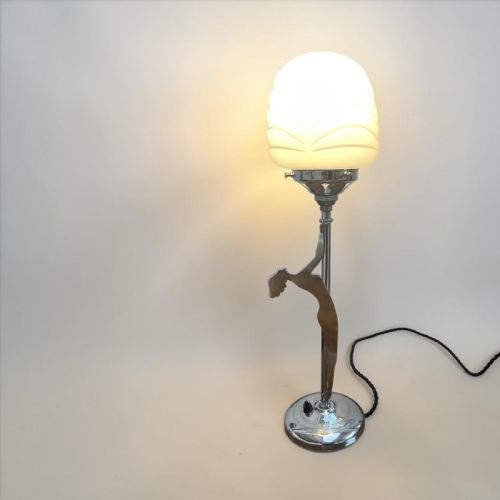
These 1930s figural lighting pieces bring dynamic Art Deco character to a room through sculptural human forms combined with functional illumination.
1930s Figural Lighting
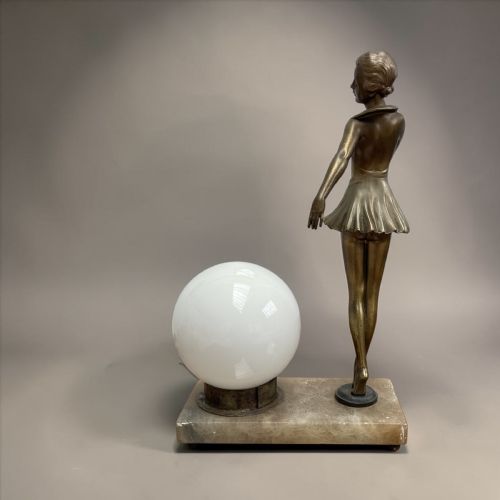
When you search for 1930s figural lighting, you enter a sphere of decorative objects where human figures, dancers, and nudes integrate directly with functional illumination. Table lamps and candelabra dominate the offerings, often depicting standing ladies, female nudes, or Hollywood-style figures.
The aesthetic is firmly rooted in the Art Deco style, capturing the movement and modernity of the interwar period. Figures balance on balls, hold up globes, or stand alongside standard lighting mounts.
Origin points span domestic and continental workshops, with French origins appearing alongside English examples. The forms vary from single standing ladies to twin-figure compositions and specialised peach glass creations.
Materials and construction methods
Makers utilised a deliberate combination of cast metals and heavy stone bases to ground the dynamic upward reach of the figures. Spelter and patinated metal serve as the primary casting materials for the bodies, often paired with chrome and brass detailing.
Bases frequently employ contrasting media such as marble and onyx to provide structural stability and visual weight. Glass elements, including frosted and peach-tinted varieties by makers like Walther and Sohne, diffuse the light and complete the sculptural composition.
1930s Figural Lighting Retail Price Guide 2026
Typical asking prices for 1930s figural lighting among the pieces listed under this phrase on Sellingantiques today, from the lower quarter to the upper quarter. They describe what is for sale here now, not the wider market.
Recorded periods concentrate strictly around the 1920s, 1930s, and 1940s, capturing the height of Art Deco design.
Factors that separate examples
The choice and integration of secondary materials dictate the overall impact of the piece. Matching a patinated or spelter figure with genuine marble, onyx, and coloured glass elevates the composition far above simpler metal-only assemblies.
Walther and Sohne·P.Sega
The 1930s Figural Lighting Glossary
- Spelter
- A zinc-based alloy commonly used as a substitute for bronze in decorative figures. It accepts patination well and takes fine surface detail during casting.
- Onyx
- A banded variety of chalcedony used extensively for lamp bases during the interwar period. It provides a dense, polished foundation that anchors the lighter metal figures above.
- Patinated metal
- Metal treated with chemicals or heat to produce a specific surface colour or aged finish. This technique highlights the contours of the figural sculpture.
- Frosted glass
- Glass treated to diffuse light evenly rather than casting harsh glare. It appears frequently in shades and globes associated with period lighting.
- Candelabra
- A branched lighting fixture designed to hold multiple lamps or candles. In this period, they incorporate figural stands matching table lamp designs.
1930s Figural Lighting: Frequently Asked Questions
How do I care for 1930s figural lighting?
Dust metal and stone surfaces gently with a dry microfibre cloth to preserve the original patination and polish. Avoid commercial chemical cleaners that can strip the finish from spelter or damage softer stone bases.
Check the electrical wiring regularly, as many vintage pieces require modern rewiring to meet current safety standards. Keep glass shades secure but avoid over-tightening retaining screws.
Where should I place these lamps?
Position table lamps on sturdy sideboards, desks, or occasional tables where the figural sculpture is visible from multiple angles. Their vertical presence suits rooms with strong geometric or interwar interior schemes.
Ensure the surface supports the combined weight of the metal figure and stone base. Low placement often enhances the dramatic shadows cast by the frosted glass and sculptural forms.
Are these pieces French or English?
Origins vary between domestic English workshops and continental European studios, particularly in France. French examples often emphasise stylistic mood lighting and distinct patinated metal finishes.
Specific stamps or inscriptions on the metal or marble can sometimes identify the country of origin. Stylistic cues in the clothing and hair of the figures also point toward regional design preferences.
What defines Art Deco lighting?
Art Deco lighting relies on streamlined forms, symmetry, and stylized depictions of the human body. The movement rejected heavy Victorian ornamentation in favour of dynamic lines and modern industrial materials like chrome.
Figures frequently display athletic proportions, bobbed hair, and theatrical poses. The combination of cold metal with warm onyx and coloured glass creates the characteristic contrast of the era.