




1930s Electric Clock
A 1930s electric clock brings heavy geometry and early electrical engineering straight into a modern room.
1930s Electric Clock
When you search for a 1930s electric clock, you are looking at domestic timepieces driven by early mains electricity or battery mechanisms rather than traditional mainsprings. These objects capture the industrial optimism of the period through bold geometric forms and modern materials. They sit squarely in the Art Deco tradition, merging utilitarian timekeeping with striking decorative design for the mantelpiece or office wall.
How they were made
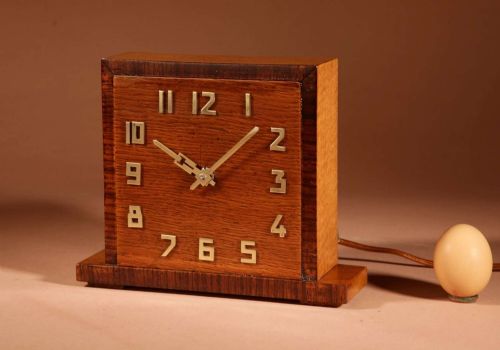
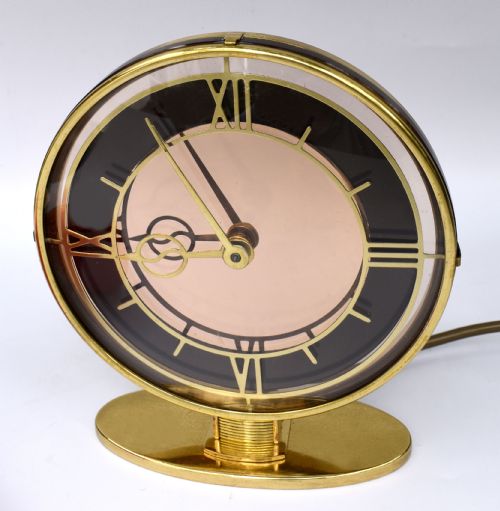
The construction of a 1930s electric clock relies on a mix of traditional cabinet woods and newly invented synthetics. Cases combine oak, rosewood, and walnut with polished chrome, brass, and heavy sheets of blue or clear glass. Bakelite appears alongside mirrored surfaces to create the high-contrast finishes typical of the industrial Art Deco style.
Makers housed early electric and magnetic movements within these rigid housings, often exposing the dial mechanics or utilising see-through glass plates. Wall models required robust metal casings to support large dials, while mantel variations balanced delicate brass bezels against weighty wooden or glass bases.
1930s Electric Clock Retail Price Guide 2026
Typical asking prices for 1930s electric clock among the pieces listed under this phrase on Sellingantiques today, from the lower quarter to the upper quarter. They describe what is for sale here now, not the wider market.
Materials span industrial chrome and steel alongside traditional oak, rosewood, and walnut.
What varies in quality
The distinction between standard production items and finer examples lies in the ambition of the design and the choice of materials. Simpler domestic models use basic oak or painted metal, whereas superior pieces incorporate exotic timbers like rosewood or feature complex mystery clock movements. The integration of coloured glass and signed maker dials elevates the standing of an individual piece significantly.
Execution of the casing details defines the upper tier of these timepieces. Precision in the metalwork, the clarity of the glass panels, and the originality of the electric or battery mechanism determine how well a piece represents its period. Pieces retaining their original signed faces and specialised movements command greater appreciation from collectors.
Smiths Clocks·P.M.Favre·Temco
The 1930s Electric Clock Glossary
- Art Deco
- A design style dominant in the interwar years characterised by sleek geometric shapes, stylised motifs, and modern industrial materials. It replaced the ornate floral patterns of earlier decades with clean, streamlined forms.
- Bakelite
- An early synthetic thermosetting plastic formed from phenol and formaldehyde. It allowed manufacturers to mould clock cases into smooth, durable shapes with a distinct glossy finish.
- Mystery clock
- A timepiece where the movement of the hands appears magical or unsupported, often achieved through transparent glass dials hiding the internal connection. They were technical showpieces for advanced interwar makers.
- Mantel clock
- A decorative clock designed to sit on the shelf above a fireplace. They were built in horizontal or upright formats to suit domestic interiors.
- Bulle clock
- An electric clock utilising a pendulum containing a coil that passes over a permanent magnet, driven by a battery circuit. It represents an ingenious early step in domestic electrical timekeeping.
1930s Electric Clock: Frequently Asked Questions
Do these electric clocks still work?
Many surviving examples remain in working order, though their operational status depends on the original mechanism and whether it has been professionally serviced. Some utilise early mains power while others run on battery systems.
Buyers should examine specific listings to confirm if a piece is currently functioning. Specialist restoration can sometimes revive dormant movements, but original internal components affect authenticity.
How do I identify an Art Deco clock?
Art Deco clocks are defined by symmetrical geometric forms, stepped cases, and contrasting materials like chrome paired with dark wood or coloured glass. The numerals on the dial often use stylised sans-serif fonts typical of the period.
Industrial variations might feature bold metal surrounds and clear visibility of the inner workings. The overall aesthetic prioritises streamlined modernity over historical revivalism.
Where were these clocks originally used?
Smaller mantel clocks found places in domestic living rooms and studies, displayed prominently on furniture or fireplaces. Larger wall clocks were manufactured for institutional spaces, offices, and hospitals.
Commercial wall dials with distinct bezels were built for legibility in busy environments. Domestic variants focused more on decorative harmony with contemporary interior design.
What is a mystery clock?
A mystery clock creates the illusion that the hands move without any mechanical connection to a movement. This is typically achieved by mounting the hands between two transparent glass discs.
These pieces showcase inventive interwar engineering. They require careful handling due to the delicate nature of the glass dials.