




1930s Display Unit
A 1930s display unit brings practical storage and striking geometric lines together, offering the perfect focal point for a modern room.
1930s Display Unit
A 1930s display unit encompasses a variety of practical furniture forms designed to showcase and store books, ceramics, and personal items. These pieces span straightforward open bookcases and glass-fronted cabinets to specialised retail counters.
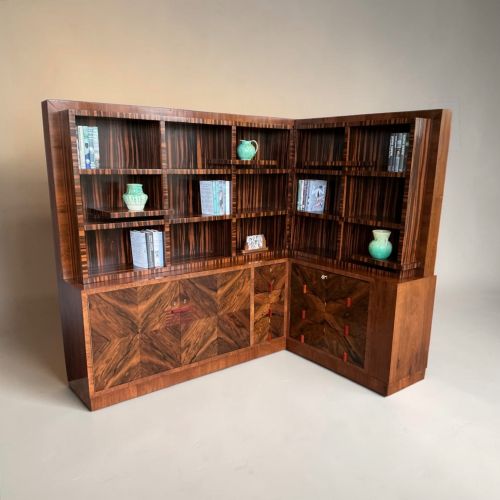
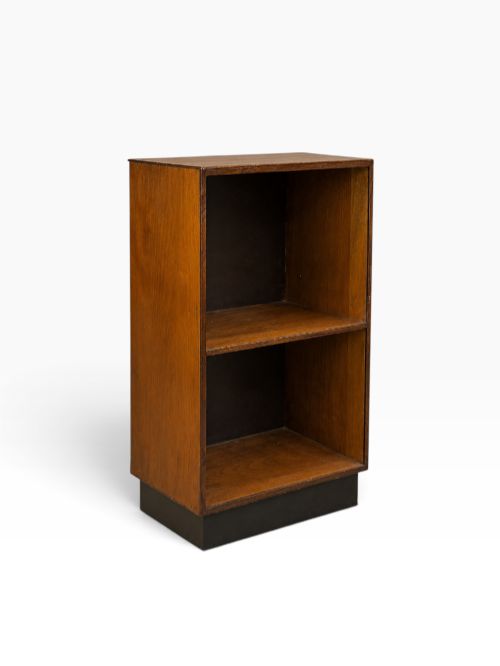
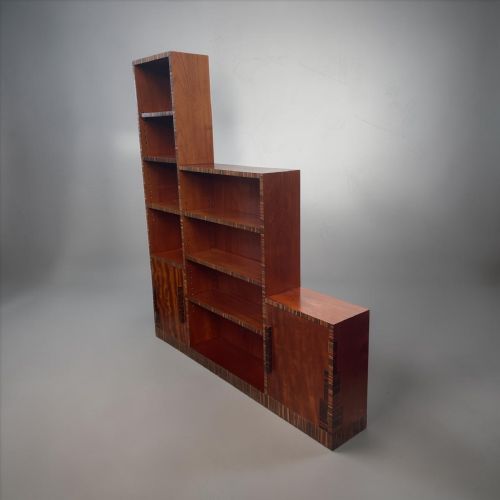
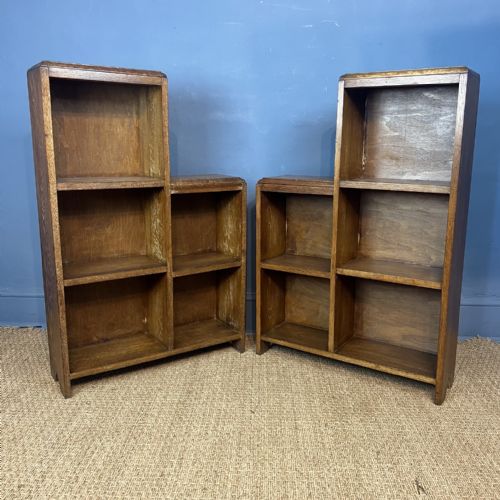
The selections on this page lean heavily towards the clean, geometric aesthetics of the Art Deco period, alongside occasional nods to Tudor Revival and Arts & Crafts traditions. Forms range from compact corner cabinets to substantial stepped bookcases and glazed display cabinets.
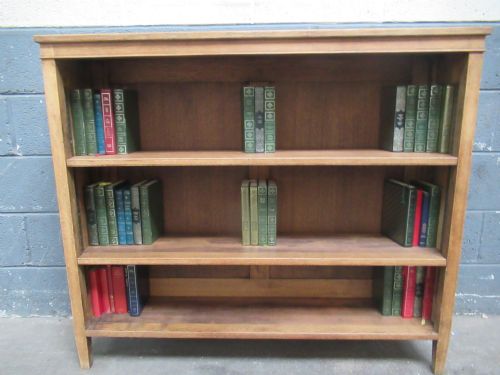
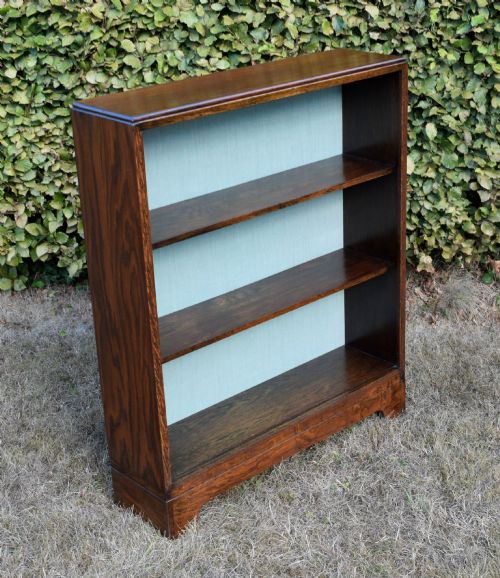
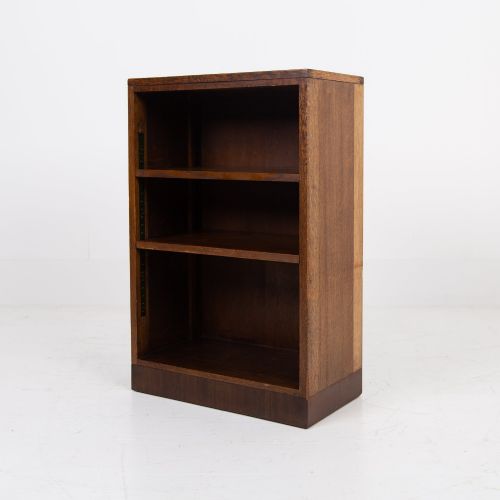
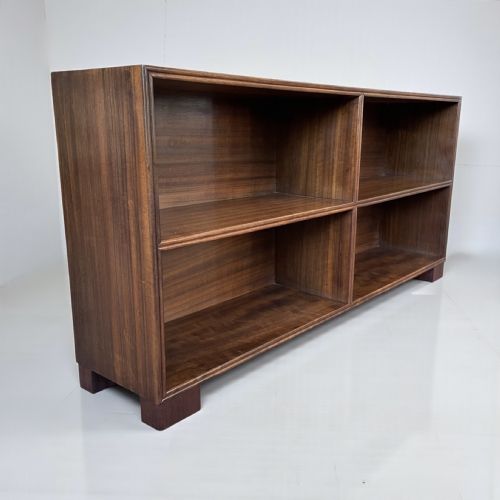
Makers and workshops of the decade utilised timber and glass to create functional architecture for the home and shop floor alike. You are most likely to encounter oak and walnut examples equipped with adjustable shelving and glazed doors.
How they were made
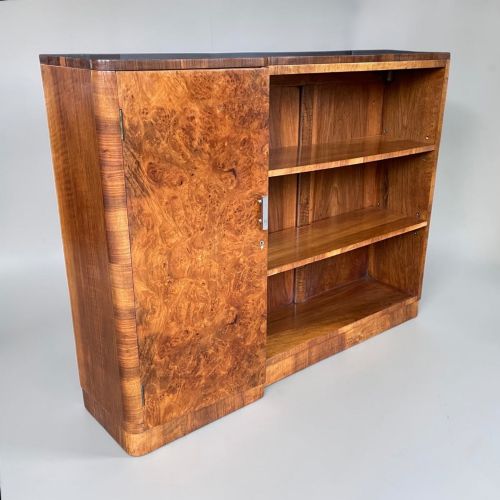
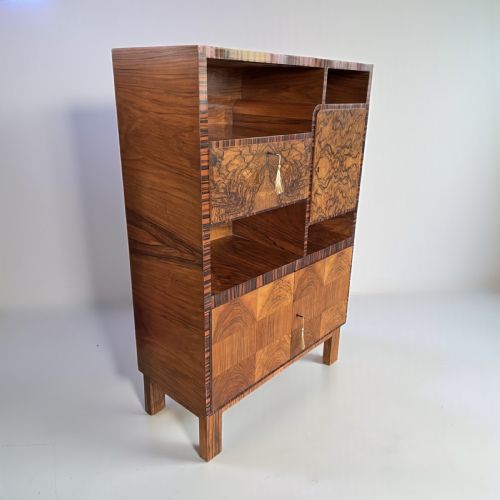
Cabinet makers of this era relied on solid timbers such as oak and mahogany for structural integrity, often applying figured veneers like burr walnut to display surfaces. These veneers created striking grain patterns across flat drawer fronts and cabinet doors.
Glass panels were integrated into doors and counter tops, sometimes held within brass or chrome frames to accentuate the industrial and modern influences of the decade. Mouldings and stepped profiles were applied to timber carcasses to add depth without cluttering the silhouette.
1930s Display Unit Retail Price Guide 2026
Typical asking prices for 1930s display unit among the pieces listed under this phrase on Sellingantiques today, from the lower quarter to the upper quarter. They describe what is for sale here now, not the wider market.
Shop counters found a second life in homes, swapping rolls of ribbon for treasured paperbacks.
What varies in quality
The choice of surface veneer heavily dictates the refinement of a piece, with book-matched burr walnut sitting at the upper end of the scale compared to plain oak planks. Master workshops employed precise grain alignment across multiple drawers and doors.
Hardware and secondary materials also signal standard of production, distinguishing standard utility furniture from pieces produced by notable designers and firms. Solid brass and chrome framing elevate the finish of glazed counters and cabinets.
Dudley & Co·Heals·Maurice Adams·Epstein·Saml. Elliott & Sons
The 1930s Display Unit Glossary
- Art Deco
- A design style characterised by sleek geometric shapes, streamlined forms, and stylised motifs. It dominated decorative arts and architecture through the nineteen-thirties.
- Burr walnut
- A prized timber harvested from the irregular growth knots of the walnut tree. It yields highly figured and swirling grain patterns used in high-end cabinet veneers.
- Haberdashery counter
- A retail display piece featuring multiple glass-fronted drawers or compartments. These counters were originally used in shops to exhibit small dry goods.
- Waterfall
- A furniture silhouette where the top surface curves downwards in a continuous sweep towards the floor. This profile is frequently seen on mid-century and thirties shelving.
- Stepped bookcase
- A shelving unit featuring diminishing tier heights or receding horizontal sections. This architectural form creates a dynamic skyline effect along a wall.
1930s Display Unit: Frequently Asked Questions
What is a 1930s display unit?
A 1930s display unit is a piece of furniture designed for storage and exhibition, typically featuring wooden shelving and glass panels. These units range from domestic bookcases to commercial counters.
They reflect the transition from traditional period revivals to modern geometric styles like Art Deco.
Where should I place a display unit?
These units suit living rooms, studies, or hallways where books and decorative objects require organised storage. Corner cabinets work well in smaller spaces to utilise unused angles.
Ensure the piece is positioned away from direct sunlight to protect timber veneers and polished finishes.
How do I clean timber furniture?
Dust regularly with a soft, dry cloth to prevent particle buildup on walnut and oak surfaces. Avoid silicone-based sprays that can damage vintage polishes.
Apply a traditional beeswax sparingly to nourish the timber and maintain a soft sheen.