


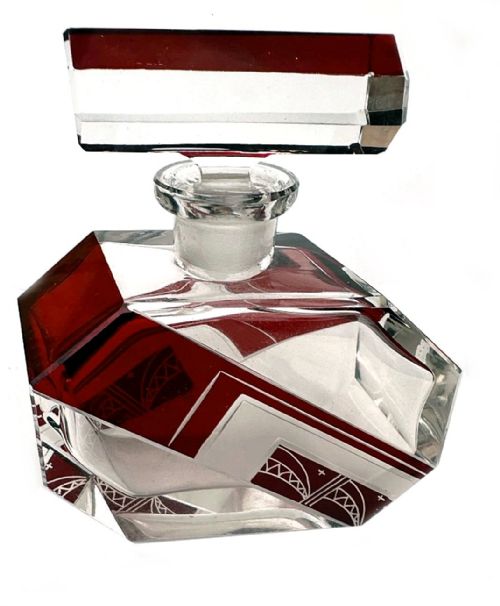


1930s Czech Glass
These 1930s czech glass pieces bring striking Art Deco geometric design and vibrant enamel decoration into modern interiors.
1930s Czech Glass
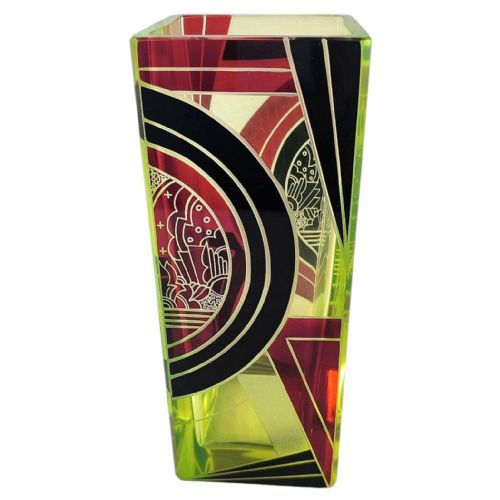
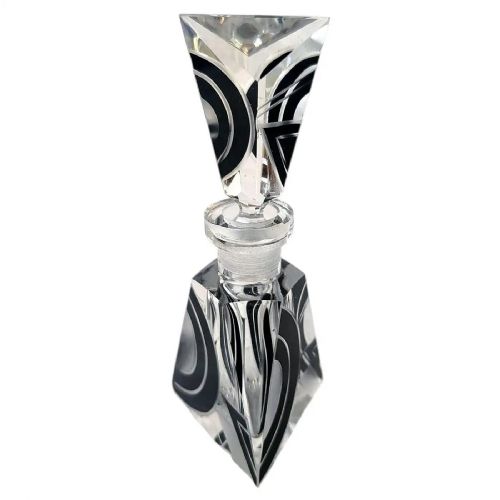
When you search for 1930s czech glass, you encounter functional and decorative items primarily rooted in the Art Deco style. The selections here centre heavily on perfume bottles, scent bottles, decanter sets, and vases originating from Czechoslovakia and Bohemia.
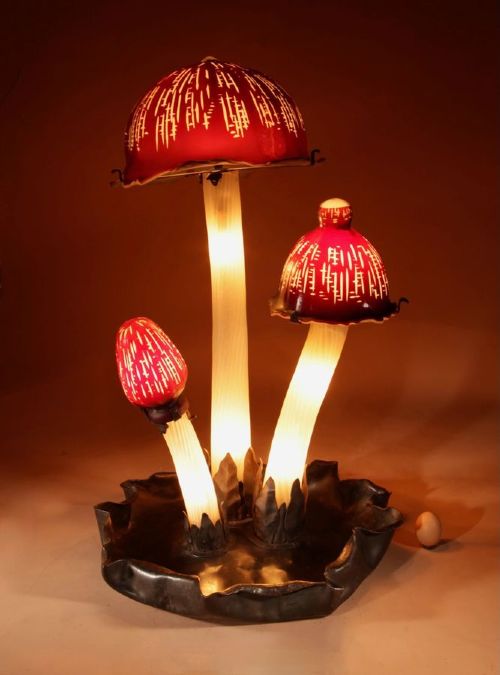
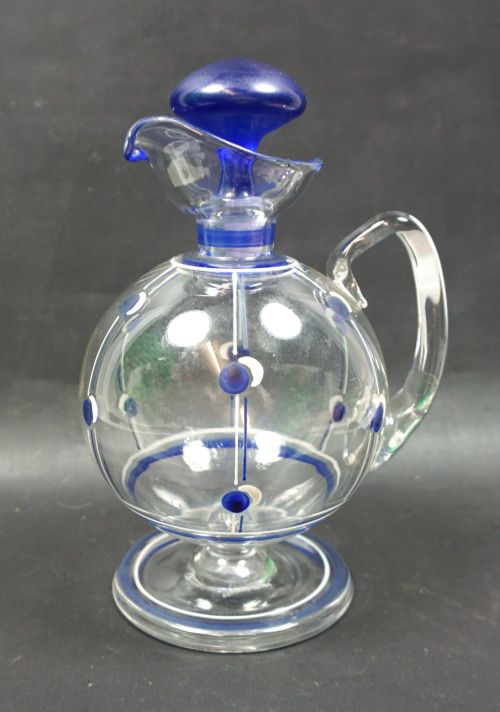
Vessels take many forms, including tall black enamel glass vases, geometric crystal decanter sets with matching glasses, and figural or globe perfume bottles. Table lamps and wine jugs also appear, reflecting the diverse output of the region during this period.
Pieces frequently incorporate coloured glass, such as uranium glass or opaque blue hues, paired with matching trays or atomisers. These objects demonstrate the distinct manufacturing output of interwar Bohemia and Czechoslovakia.
How they were made
Maker workshops utilised lead crystal, cut glass, and standard glass as the primary foundation for their items. Skilled artisans then applied techniques such as geometric cutting, etching, and hand painting.
Surface ornamentation often involved blue, black, or multi-coloured enamel decoration applied directly onto the glass body. Additional elements like chrome or silver fixtures completed items such as perfume atomisers and ladies' bottles.
1930s Czech Glass Retail Price Guide 2026
Typical asking prices for 1930s czech glass among the pieces listed under this phrase on Sellingantiques today, from the lower quarter to the upper quarter. They describe what is for sale here now, not the wider market.
Materials documented across the inventory include cut glass, lead crystal, enamel, chrome, and fabric elements.
What varies in quality
The sophistication of the surface decoration and the precision of the glass cutting separate standard examples from finer works. Hand-applied enamel work requires steady execution to maintain crisp geometric lines across complex vessel shapes.
The complexity of the form and the inclusion of matching sets, such as decanters complete with all six matching glasses and original trays, elevate the execution of a piece. Designer attribution through marked or documented workshop output also influences the standing of an object.
Karl Palda·Rudolf Hlousek·Libochovice·Hermanova·Mosey
The 1930s Czech Glass Glossary
- Uranium glass
- Glass containing trace amounts of uranium dioxide, which glows brightly under ultraviolet light. This material appears frequently in interwar decorative objects.
- Enamel decoration
- Opaque vitreous pigment fused to the glass surface through firing. Makers applied this technique to create geometric patterns and contrasting colour details.
- Lead crystal
- A heavy variety of glass containing metallic oxide that increases brilliance and weight. This material allows for deep, sharp geometric cutting.
- Atomiser
- A spray bottle mechanism fitted to perfume containers for misting fragrance. These typically incorporate metal components alongside the glass body.
- Etched glass
- Glass treated with acid or abrasive tools to produce frosted surface designs. This method contrasts with polished cut facets on decorative vessels.
1930s Czech Glass: Frequently Asked Questions
How do I identify 1930s czech glass?
Look for distinct Art Deco geometric shapes, heavy lead crystal construction, and characteristic blue or black enamel surface patterns. Many pieces also feature specific cutting techniques typical of Bohemian production during the interwar years.
Attribution often relies on documented forms associated with known workshops from the era. Comparing piece profiles and decorative motifs helps confirm the origin.
Were decanter sets used daily?
Decanter sets with matching glasses served both functional hosting purposes and decorative display roles in interwar homes. They were brought out during social gatherings to serve spirits and wine.
Many sets include dedicated matching trays to keep the decanter and glasses organised together on a sideboard or drinks trolley.
How should I clean enameled glass?
Clean enameled glass gently using lukewarm water and a mild detergent, avoiding harsh scrubbing or soaking. The hand-applied enamel decoration can be sensitive to abrasive materials and strong chemicals.
Dry the pieces promptly with a soft, lint-free cloth to protect the surface finish and any metal mounts.
What is a glass mushroom lamp?
A glass mushroom lamp is a table lighting fixture shaped like a fungus, utilising the translucent properties of the material to diffuse light evenly. These lamps served as both functional illumination and sculptural decor.
They often combine large moulded glass shades with integrated bases typical of Bohemian lighting design from the period.