

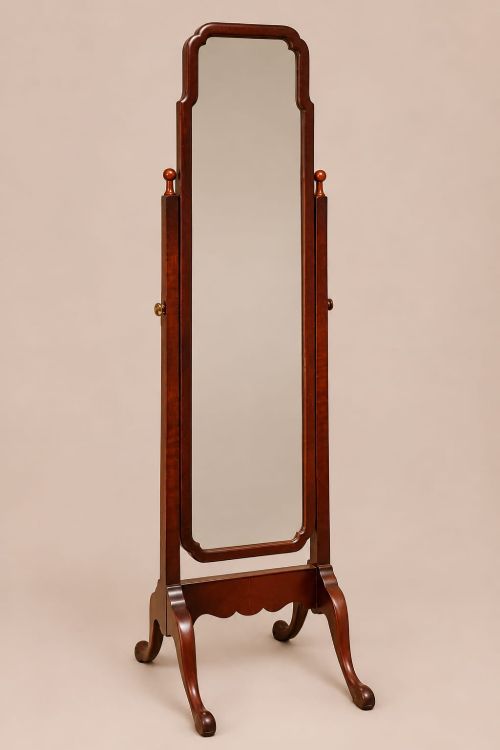
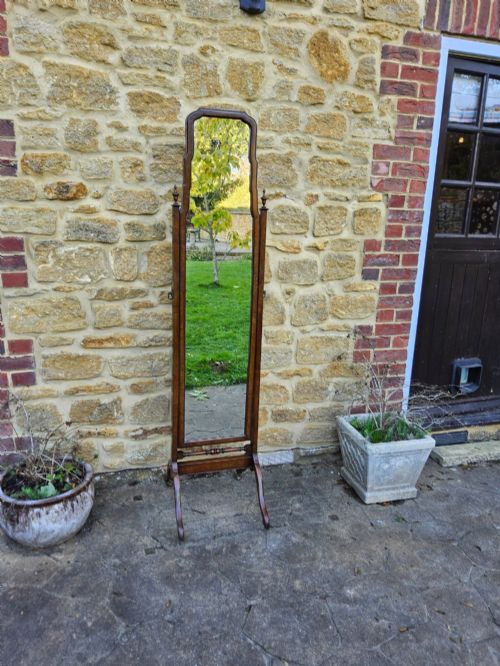
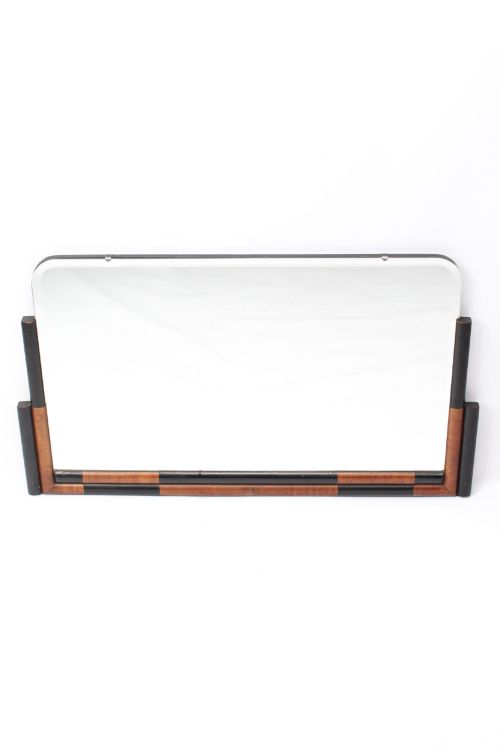

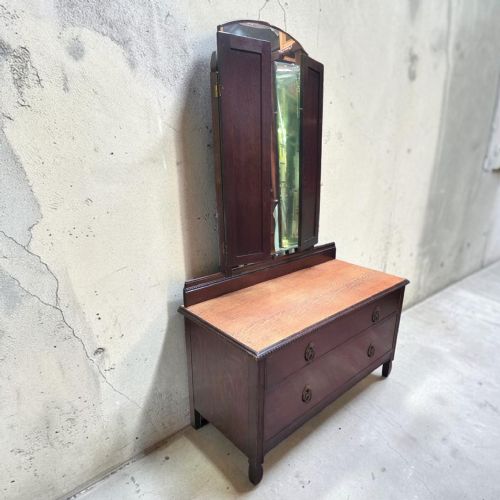



1920s Wooden Mirror
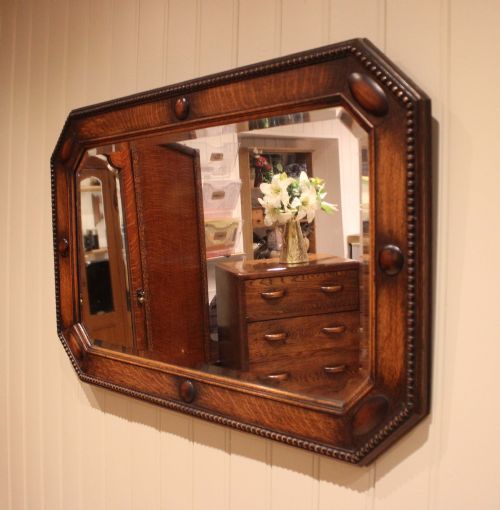
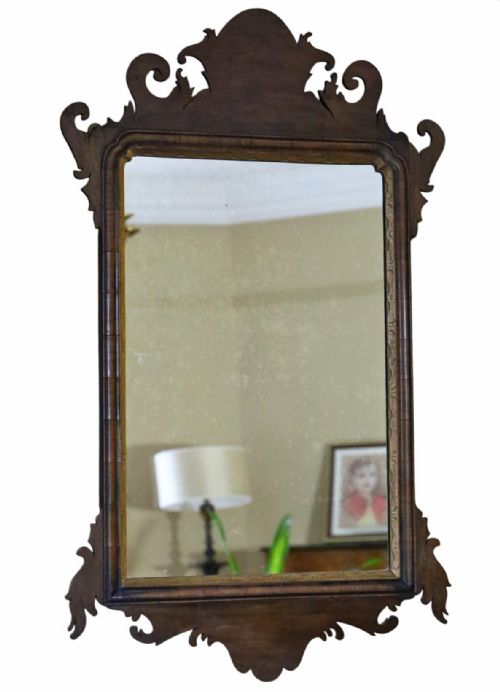
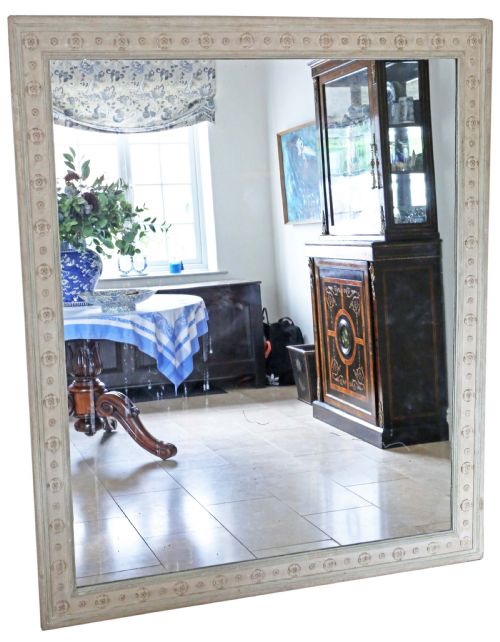
These pieces of 1920s wooden mirror bring period character to a room, ranging from bold geometric oak designs to refined walnut revivals.
1920s Wooden Mirror
A 1920s wooden mirror bridges the gap between traditional revivalism and the emerging modernist taste of the interwar decades. When you search for a 1920s wooden mirror, you encounter everything from substantial oak wall hangings to intricate fret-cut walnut designs.
The pieces appearing on this page span the 1920 and 1930 periods, incorporating styles such as Art Deco, Georgian Revival, and Jacobean Revival. Alongside standard wall mirrors, you will find dressing table trifles and overmantle formats designed for period interiors.
Makers of the era experimented with contrasting timbers and decorative finishes, producing items that served both practical dressing functions and purely aesthetic wall decoration.
Materials and construction
Makers utilised solid oak, walnut, and mahogany veneer over supportive frames, often enhancing the timber with ebonised details or gilt highlights. Glass forms the central reflective element, frequently accompanied by brass fixtures or spelter sculptural additions.
Advanced techniques included marquetry work and silver-gilt application, as seen in specialised London pieces from the mid-nineteen-twenties. Fret-cut silhouettes required skilled sawing to achieve precise curves and classical revival outlines.
1920s Wooden Mirror Retail Price Guide 2026
Typical asking prices for 1920s wooden mirror among the pieces listed under this phrase on Sellingantiques today, from the lower quarter to the upper quarter. They describe what is for sale here now, not the wider market.
Evaluating craftsmanship and design
The distinction between standard commercial output and superior craftsmanship lies in the depth of timber selection and the precision of surface treatments. Finer examples display carefully matched walnut veneers and meticulous gilt fret-cutting rather than plain, stamped mouldings.
Artistic execution also dictates value, particularly in pieces featuring individual marquetry pictures or combined silver-gilt work. Greater attention to the harmony between the wooden frame and the mirrored glass separates ordinary domestic mirrors from notable decorative works.
A.J Rowley
The 1920s Wooden Mirror Glossary
- Art Deco
- A design style spanning the twenties and thirties characterised by geometric shapes, stylised motifs, and sleek lines. It represented a deliberate break from heavy historical revivals.
- Fret cut
- A decorative technique where intricate patterns are pierced through thin wood using a fine-bladed saw. This method creates delicate silhouettes often found on Georgian revival frames.
- Overmantle
- A large mirror specifically designed to hang on the wall directly above a fireplace mantelpiece. These pieces often feature extended horizontal proportions.
- Marquetry
- The art of applying small pieces of veneer to a structure to form decorative patterns and pictorial scenes. It requires considerable skill in cutting and fitting various woods.
- Ebonised
- Wood treated with a dark stain or finish to imitate the appearance of ebony. This dark contrast was frequently utilised in twenties frames to accentuate lighter walnut grain.
1920s Wooden Mirror: Frequently Asked Questions
How do I date a wooden mirror?
Dating relies on examining the timber species, construction methods, and stylistic cues present in the frame. Elements like bevelled glass edges and original backing boards offer further clues to the manufacturing decade.
Comparing the decorative motifs against known revival periods helps narrow down the timeframe between the nineteen-twenties and subsequent decades.
Where should I hang an overmantle mirror?
An overmantle mirror traditionally hangs centrally above a fireplace to reflect light and anchor the room's decorative scheme. Ensure the wall fixings match the weight of the timber frame.
These large formats also function effectively above sideboards or low shelving units in living spaces.
What is the difference between oak and walnut mirrors?
Oak mirrors tend to feature heavier, more robust grains suited to Jacobean revival or plain rectangular formats. They offer a grounded, rustic presence in an interior.
Walnut mirrors, by contrast, often appear in finer revival pieces or sleek Art Deco designs, showcasing smoother surfaces and warmer, richer tones.
How do I care for antique mirror glass?
Clean the glass gently using a soft cloth and a mild glass cleaner sprayed onto the cloth rather than directly onto the mirror. This prevents moisture from seeping behind the silvering.
Protect the wooden frame from direct sunlight and excessive humidity to preserve the original finish and veneer.