





1920s Silver Plated Barware
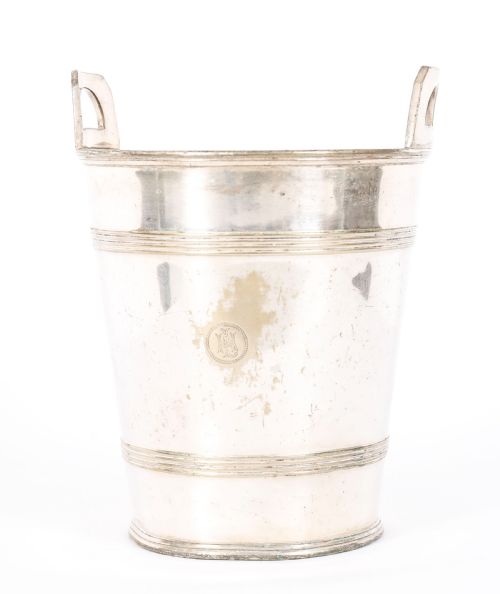
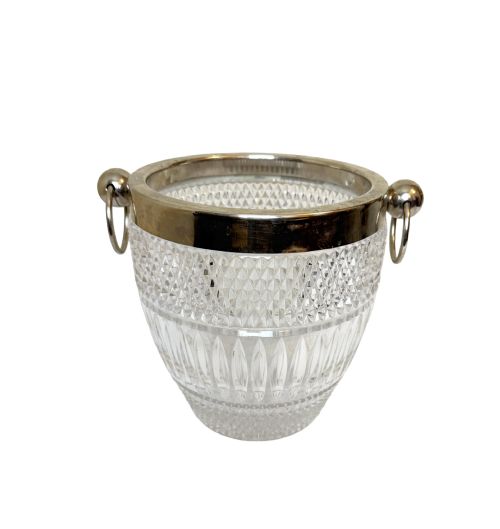
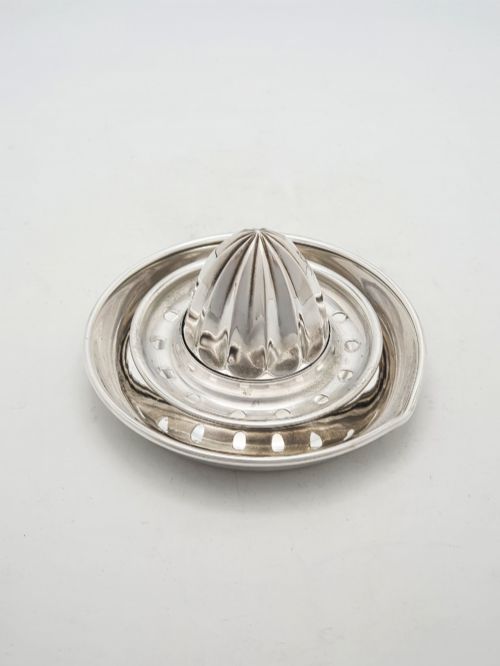
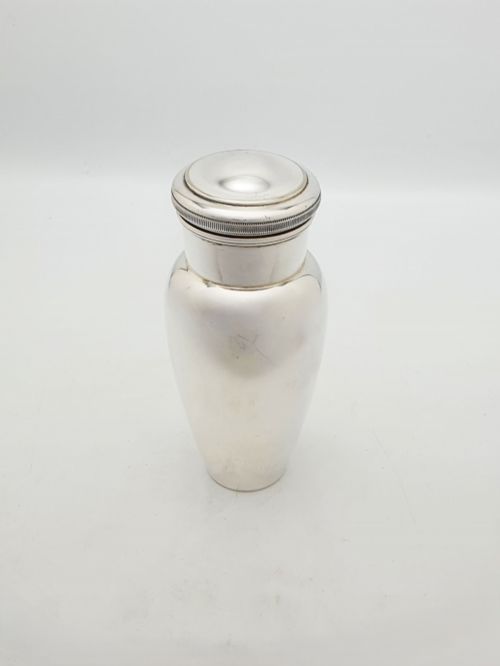
These 1920s silver plated barware pieces bring genuine Art Deco flair to your drinks cabinet, offering practical elegance for home entertaining.
1920s Silver Plated Barware
You are most likely to meet pieces created in the Art Deco style, reflecting the distinct geometric lines and decorative motifs of the era. British and French workshops feature prominently among the origins.
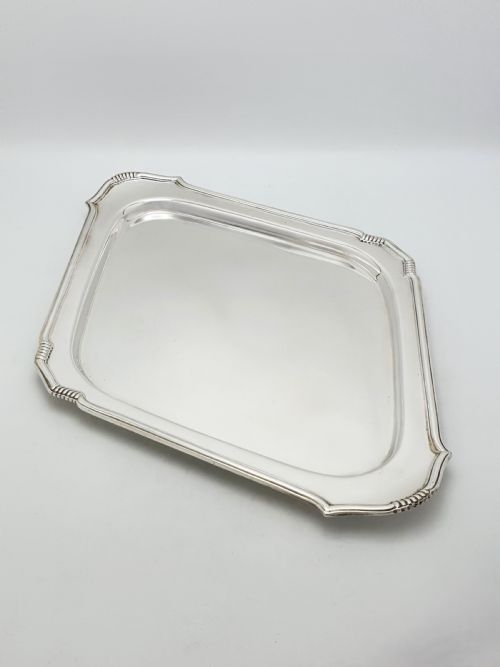
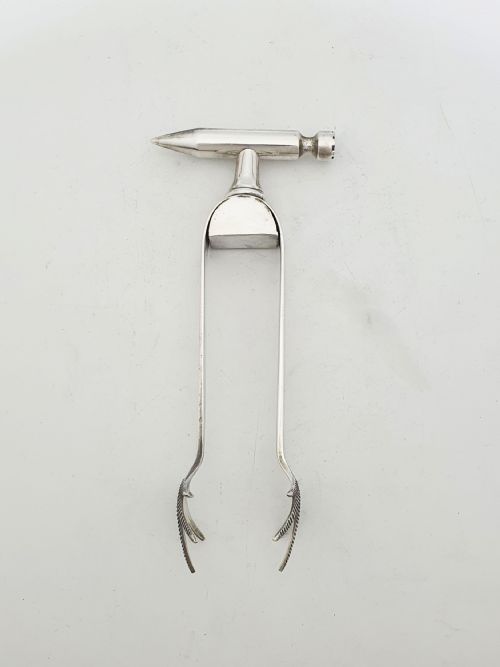
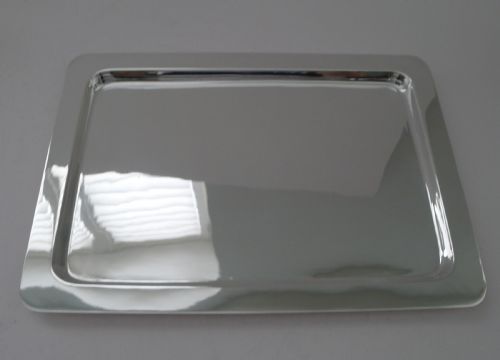
Serving trays and cocktail shakers form the core of the items available, alongside specialised implements such as ice tongs and citrus juicers. These objects capture the social habits of the period when home cocktail mixing gained popularity.
How they were made
Manufacturers utilised base metal or nickel silver as a substrate, applying a layer of silver plating or electroplated nickel silver to achieve a bright finish. This method provided the appearance of solid silver at a more accessible cost for the domestic market.
Glass components, particularly cut crystal and cut glass liners, were combined with the metal framework in items like ice buckets and shakers. Workshops employed techniques such as shell border stamping and geometric engraving to decorate the metal surfaces.
What varies in quality
The distinction between standard items and finer pieces lies in the weight of the metal and the crispness of the decorative detailing. Heavier gauge silver plate and well-defined stamped borders indicate superior manufacturing standards.
The quality of associated materials, such as heavy cut crystal inserts and mechanical elements like rolling mixer recipes on shakers, elevates certain items above basic production pieces.
Hutton Sheffield·John Collyer and Co·James Dixon and Sons·Roberts and Belk·Atkin Brothers·Christofle Gallia
The 1920s Silver Plated Barware Glossary
- Silver Plate
- A base metal coated with a layer of pure silver. This technique became widespread for domestic tableware and bar accessories.
- Electroplated Nickel Silver
- A copper, nickel, and zinc alloy coated with silver through an electrolytic process. It provides a durable foundation for plated items.
- Art Deco
- A design style characterised by sleek geometric shapes, stylised motifs, and modern materials. It dominated decorative arts during the interwar years.
- Bachelor Cocktail Shaker
- A smaller shaker designed for single servings or intimate gatherings. These compact vessels often incorporate internal mechanisms like ice breakers.
- EPNS
- An abbreviation for electroplated nickel silver. You will frequently find this stamp on the base of British barware.
1920s Silver Plated Barware: Frequently Asked Questions
How do I clean silver plated barware?
Wash the items in warm soapy water using a soft cloth, then dry them thoroughly to prevent water spots.
Avoid abrasive cleaners and harsh chemical dips that can strip the silver layer from the base metal over time.
Are these pieces safe for holding drinks?
Most items remain suitable for serving drinks, provided the interior silver plating is intact and clean.
Check that glass liners are free from cracks before filling them with ice or beverages for your guests.
How can I tell if a piece is genuine Art Deco?
Look for characteristic geometric patterns, stepped designs, and stylised motifs typical of the 1920s.
Maker marks and stylistic cues help confirm the production period alongside the construction materials.
What is the difference between EPNS and solid silver?
EPNS consists of a base metal alloy coated with a thin layer of silver through electrolysis. Solid silver items contain precious metal throughout their entire structure and bear distinct hallmarking stamps.
Can I use vintage cocktail shakers regularly?
You can use them for occasional entertaining, provided you handle the mechanisms with care.
Ensure moving parts on shakers with built-in strainers or mixers are cleaned and dried after each use to preserve them.