



1920s Side Cabinet
A 1920s side cabinet brings period character to a room, offering practical storage through walnut, oak, and revival designs.
1920s Side Cabinet
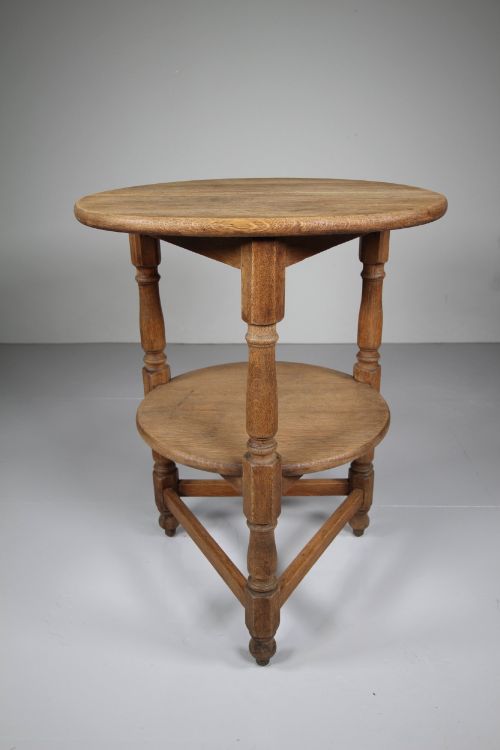
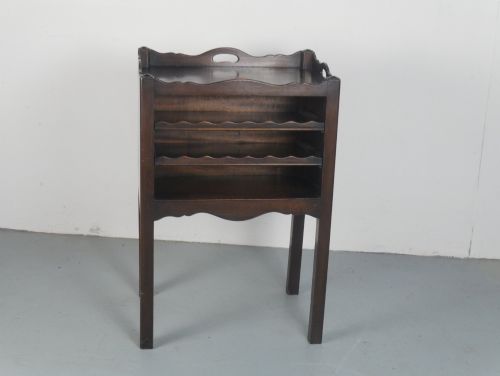
When searching for a 1920s side cabinet, you encounter a mix of compact storage cupboards, bedside tables, and lowboards reflecting the styles of the period. These items bridge utilitarian needs and decorative ambitions, spanning from simple oak storage cupboards to ornate French designs.
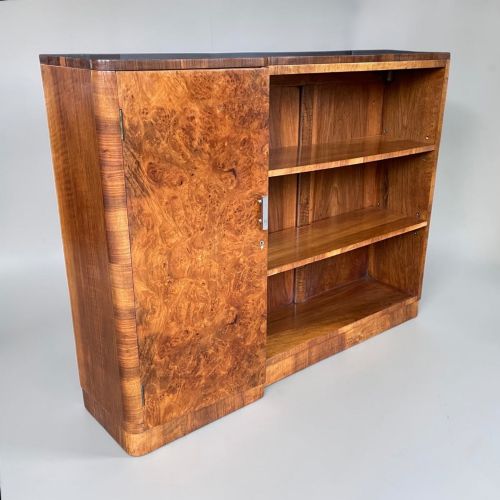
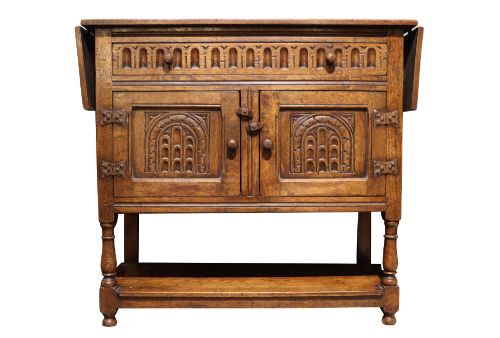
The selections on this page demonstrate both modern Art Deco lines and traditional revival aesthetics. You will find pieces drawing upon Jacobean, Queen Anne, Louis XV, and Rococo influences alongside geometric Art Deco forms.
Materials and construction
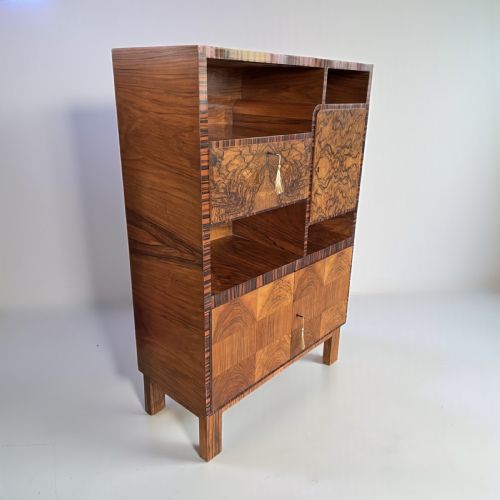
Cabinet makers of this era relied heavily on solid hardwoods like oak, alongside decorative veneers such as burr walnut, rosewood, and general wood veneer applied to carcases. Brass hardware frequently provides functional accents and key escutcheons.
Surfaces often incorporate elaborate carved detailing in revival pieces, contrasting with the smooth, figured grain patterns showcased on Art Deco burr walnut furniture. Marble tops also appear on select bedside tables for durable elegance.
1920s Side Cabinet Retail Price Guide 2026
Typical asking prices for 1920s side cabinet among the pieces listed under this phrase on Sellingantiques today, from the lower quarter to the upper quarter. They describe what is for sale here now, not the wider market.
An antique sewing machine cabinet hides a machinist console beneath its wooden lid, proving the 1920s loved a clever disguise.
Judging quality in period cabinets
Quality rests upon the selection of timber veneers and the crispness of any hand-carved ornamentation. Finer examples utilise book-matched burr walnut or substantial solid oak rather than plain secondary timber.
Construction integrity, interior fitting neatness, and the originality of brass handles or marble inserts further separate standard utilitarian cupboards from the finest workshops of the era.
Bath Cabinet Makers·Epstein·Harry And Lou Epstein
The 1920s Side Cabinet Glossary
- Art Deco
- A design style characterised by sleek geometric shapes, streamlined forms, and modern industrial materials popular during the 1920s and 1930s. It represents a sharp break from heavy Victorian ornamentation.
- Burr Walnut
- A prized wood grain obtained from the wart-like growths on walnut trees, yielding swirling, highly decorative patterns. Cabinet makers typically apply it as a veneer to prominent exterior surfaces.
- Jacobean Revival
- An architectural and furniture style emulating the heavy, dark oak forms of the early seventeenth century. Pieces often feature geometric mouldings, turned legs, and deep panel carving.
- Lowboy
- A small traditional table with drawers, functioning as a side table or dressing surface. In this period, interpretations often adopted Queen Anne style cabriole legs.
- Veneer
- A thin layer of superior wood glued to a base of cheaper timber to provide an expensive exterior appearance. This technique prevents warping while showcasing decorative grain figures like walnut.
1920s Side Cabinet: Frequently Asked Questions
What defines a 1920s side cabinet?
These pieces are compact storage items produced during the 1920s and 1930s, ranging from oak cupboards to walnut Art Deco servers.
They reflect a period of transition between heavy traditional revival styles and streamlined modern design.
How do I identify Art Deco pieces?
Art Deco cabinets rely on smooth surfaces, figured veneers like burr walnut, and geometric silhouettes rather than applied carving.
They prioritise clean architectural lines and natural grain patterns over historical revival ornament.
Where were these cabinets used?
They served primarily in bedrooms as bedside tables, or in living and dining spaces as sideboards and serving tables.
Their modest proportions suited the changing scale of interwar homes.
Are revival styles common?
Revival designs borrow heavily from Jacobean, Queen Anne, and Louis XV aesthetics using solid oak and walnut.
Craftsmen combined historical silhouettes with the proportions and joinery methods of the 1920s.