


1920s Oak Shelves
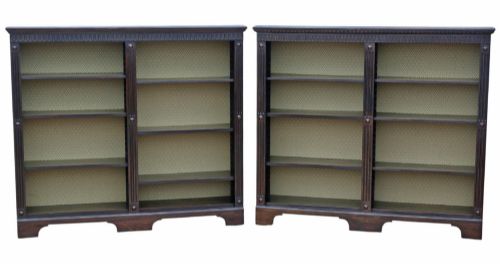
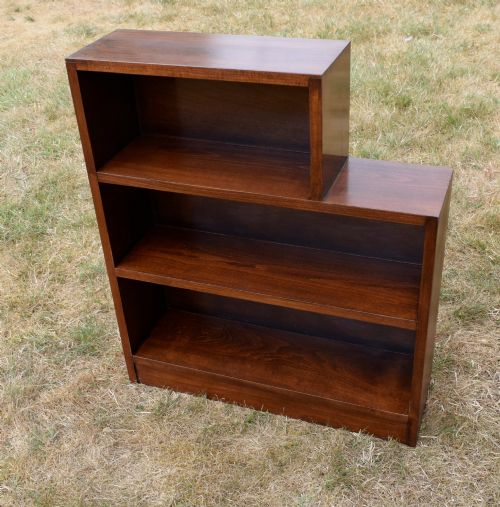
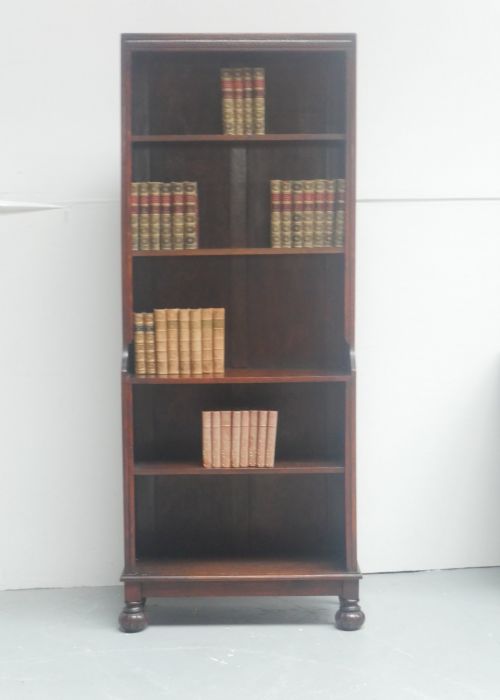
These 1920s oak shelves bring solid construction and interwar character to a room, offering practical display space with genuine period presence.
1920s Oak Shelves
When you search for 1920s oak shelves, you encounter sturdy interwar storage pieces alongside related bookcases and shelving units built from timber. These items reflect the domestic needs of the period, providing functional compartments for books and household objects.
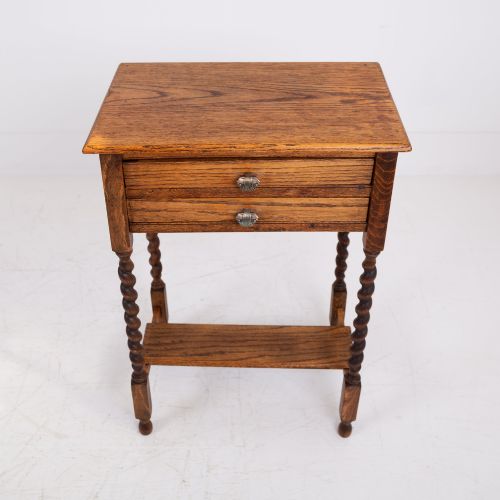
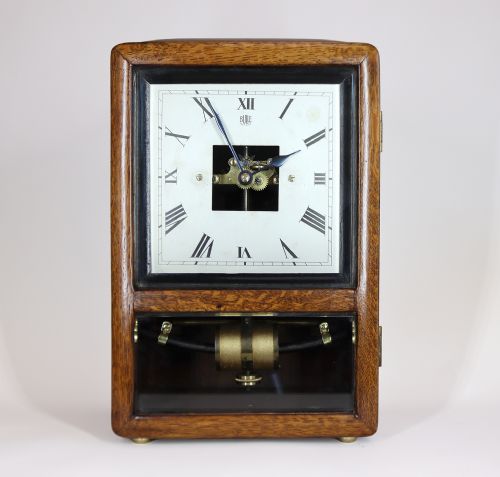
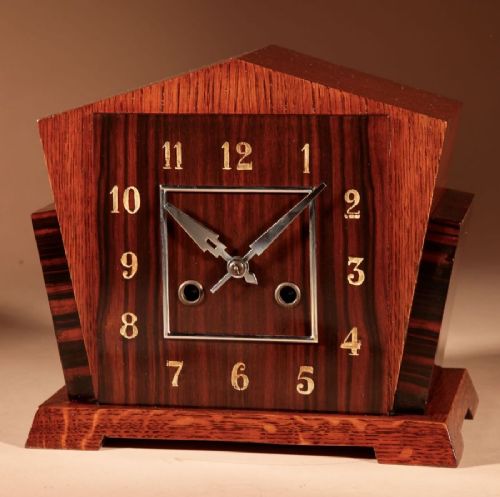
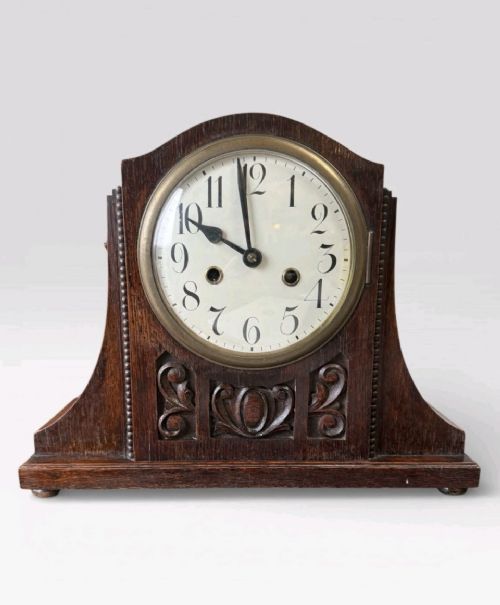
The versions most commonly met on this page include bookcase forms and dedicated shelving units dated predominantly to the 1920s. Alongside these, you find occasional tables and mantel clocks sharing the same materials and stylistic influences.
How they were made
Interwar makers built these pieces using solid oak and selected hardwoods, frequently incorporating contrasting timbers such as macassar ebony for decorative effect. Brass and glass elements also appear on related items like clocks and cabinets, adding textural variety to the timber frames.
Joinery techniques from the era relied on traditional carpentry adapted for emerging twentieth-century tastes. Makers blended simpler Jacobean Revival traditions with the bolder geometric lines of Art Deco and Amsterdam School design.
Listings feature oak alongside brass, glass, macassar ebony, and walnut, spanning periods from 1910 to 1930.
What varies in quality
Quality in these pieces depends heavily on the selection of timber and the ambition of the design. Simpler utilitarian shelving contrasts with refined examples that integrate decorative hardwoods and considered proportions.
The cohesion of the style also separates standard production from superior work. Pieces that successfully merge interwar movements with thoughtful carpentry display a higher level of craftsmanship than basic domestic utility items.
The 1920s Oak Shelves Glossary
- Oak
- A durable, open-grained hardwood native to temperate regions and favoured for interwar furniture making. It provides both structural strength and a distinct grain pattern.
- Art Deco
- A design style emerging in the early twentieth century characterised by sleek geometric shapes, stylised motifs, and modern materials. It strongly influences many pieces from this decade.
- Amsterdam School
- An expressionist architectural and design movement from the Netherlands focusing on rounded forms, traditional craftsmanship, and expressive brick or woodwork. This influence appears in several clock and furniture designs.
- Macassar Ebony
- A dense, heavily figured exotic wood used for contrasting veneers and decorative inlay work on period items. It adds a dark, striking visual element against lighter oak.
1920s Oak Shelves: Frequently Asked Questions
How do I date these shelves?
Dating relies on construction methods, timber choices, and stylistic markers typical of the interwar period. Artisans of the era often combined traditional joinery with emerging modernist aesthetics.
Comparison with documented pieces from the 1920s and 1930s helps confirm the era of manufacture. Hardware and secondary woods also offer clues to the exact decade.
Are these pieces purely decorative?
While these items possess strong aesthetic appeal, they were built for daily domestic use. Bookcases and shelving units provide sturdy storage for books and display objects.
Their robust construction ensures they remain practical additions to modern interiors while serving as period focal points.
How do I care for oak furniture?
Maintenance involves keeping the timber away from direct heat sources and excessive moisture. Regular dusting with a dry cloth preserves the natural finish of the oak.
Occasional application of appropriate wax or polish helps nourish the wood grain and protects the surface over time.
What styles influence 1920s furniture?
The decade saw a transition from heavier revivalist designs towards streamlined modernist movements. Arts and Crafts traditions lingered alongside the rising popularity of Art Deco.
Regional styles like the Amsterdam School also contributed distinctive geometric and expressive forms to British and European domestic pieces.