



1920s Lighting Fixture
A 1920s lighting fixture brings authentic period atmosphere to a room, offering brass, glass, and bronze forms that define early twentieth-century interior design.
1920s Lighting Fixture
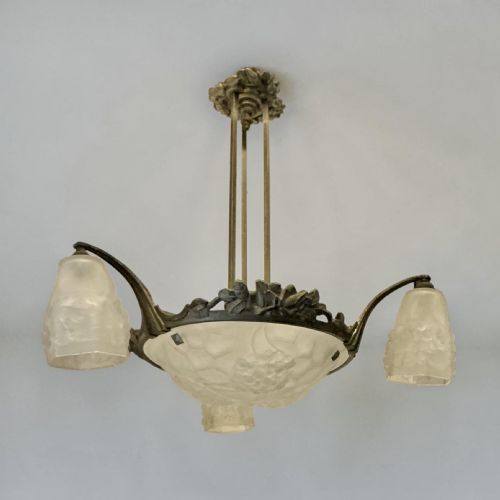
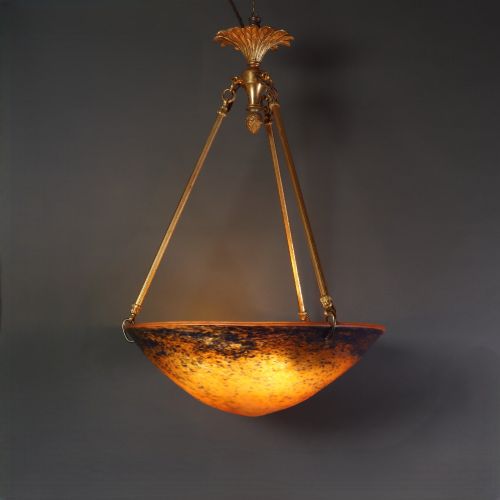
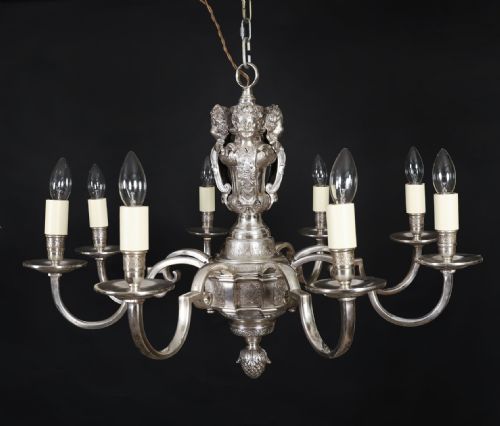
When you examine a 1920s lighting fixture, you encounter a range of forms designed for illumination, predominantly chandeliers, pendant lights, and wall sconces. The selection reflects diverse aesthetic movements, though Art Deco pieces dominate the choices alongside revival styles.
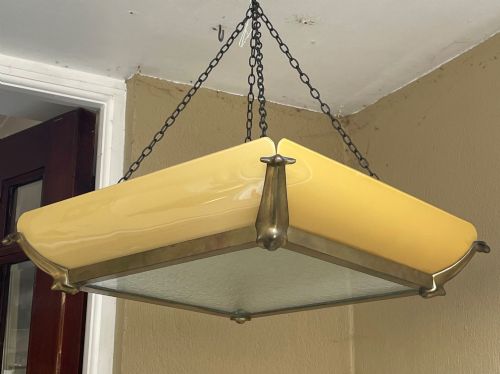
The objects stem from the 1920 and 1930 periods, with occasional Edwardian overlaps, capturing an era of transition in domestic lighting. Buyers frequently select hanging lights and ceiling fittings to anchor a room's decorative scheme.
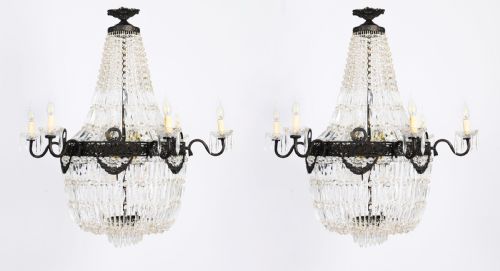
Origin and maker variations reveal international influences, spanning French creations, Dutch designs, and English craftsmanship. Each format serves a specific architectural function, from ballroom crystal chandeliers to functional wall lights.
How they were made
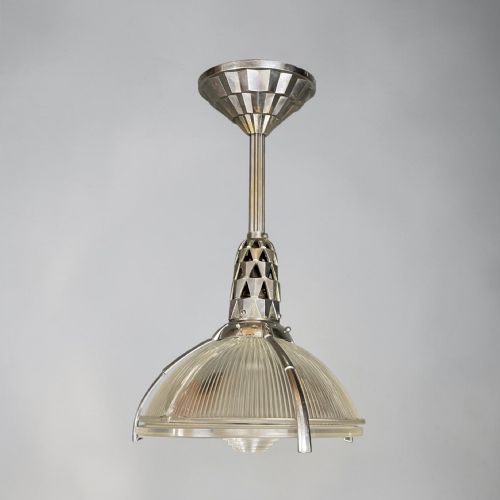
Makers utilised cast metals such as brass, bronze, and chrome to form the structural skeletons of these fittings. These durable elements often received surface treatments like silver plating, gilt finishes, or cold painting.
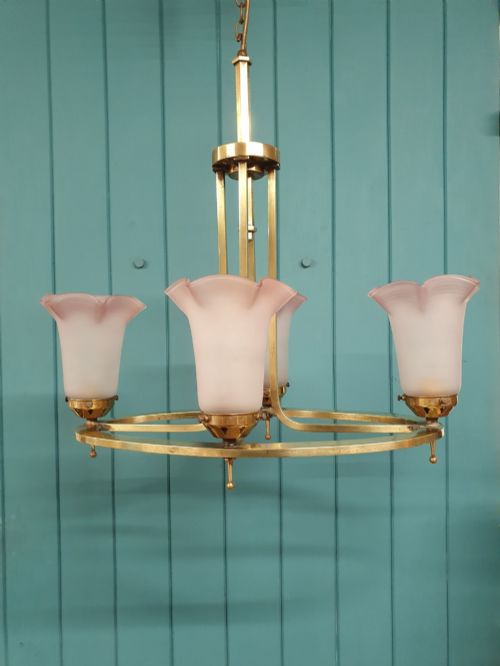
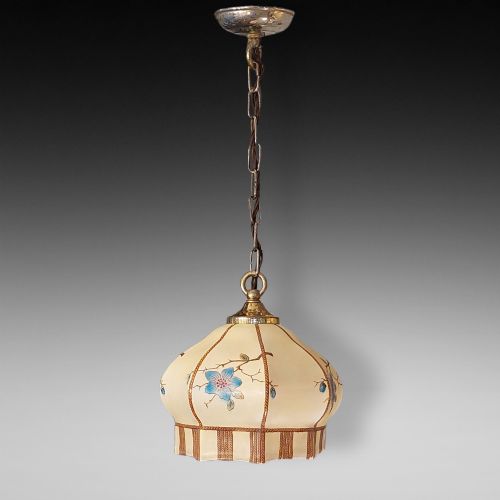
Glass components took various specialised forms, including frosted glass, hand-painted shades, opaque panels, and cut-crystal drops. Blacksmiths also produced wrought iron lanterns, while specialised porcelain formed figural lamp bodies.
1920s Lighting Fixture Retail Price Guide 2026
Typical asking prices for 1920s lighting fixture among the pieces listed under this phrase on Sellingantiques today, from the lower quarter to the upper quarter. They describe what is for sale here now, not the wider market.
The inventory spans the 1920 and 1930 periods, incorporating Art Deco, Louis Revival, and Dutch Baroque styles.
What varies in quality
Quality differences emerge in the substance of the metalwork and the complexity of the cast mounts, such as cast acanthus leaf details versus simpler frames. The weight and clarity of the glass shades, from moulded art glass to standard frosted panels, distinguish the output.
Attribution to documented glass houses or named sculptors elevates a piece significantly above standard production fittings. The intricacy of multi-branch assemblies and specialised techniques like hand-painting separate high-tier examples from ordinary utilitarian lighting.
Charles Schneider·Degué·Émile-Jacques Ruhlmann·Bruno Zach
The 1920s Lighting Fixture Glossary
- Plafonnier
- A ceiling-mounted bowl light that sits flush or close to the ceiling surface. These fixtures typically utilise frosted or moulded art glass.
- Sconce
- A wall-mounted lighting fixture designed to hold one or more bulbs. They project light outward and upward into the room.
- Acanthus
- A decorative leaf motif used in classical and revival architecture. Cast metal versions frequently adorn the mounts of chandeliers.
- Crystal
- High-clarity glass cut into geometric facets to refract light. It appears extensively on tent chandeliers and hanging drops.
- Frosted glass
- Glass treated to create a milky, translucent surface that diffuses glare. It remains a defining characteristic of Art Deco shades.
1920s Lighting Fixture: Frequently Asked Questions
How do I install a 1920s lighting fixture today?
Most vintage fittings require modern rewiring to meet current electrical safety standards before mounting. A qualified electrician can adapt historical ceiling plates to modern junction boxes.
Careful handling is necessary when mounting heavier bronze or crystal pieces to ensure ceiling joists support the weight safely.
What rooms suit a 1920s chandelier?
Large multi-arm crystal or brass chandeliers suit high-ceilinged reception rooms or entrance halls. Smaller pendant lights and wall sconces fit comfortably in bedrooms or studies.
Matching the scale of the fixture to the room dimensions ensures the lighting complements the existing architectural proportions.
How do I identify an Art Deco lighting fixture?
Art Deco pieces display geometric lines, streamlined metalwork, and stylised motifs rather than organic curves. Chrome, frosted glass, and polished brass are frequent material choices.
Signature glass shades by makers like Degué or Schneider often bear etched signatures on the glass body.
How should I clean antique glass shades?
Remove delicate glass shades from the metal frame before cleaning to prevent accidental drops. Use warm soapy water and a soft cloth, avoiding harsh chemical abrasives that damage surface treatments.
Allow hand-painted or frosted surfaces to dry completely before reassembling the fixture.