



1920s Glass Jewellery
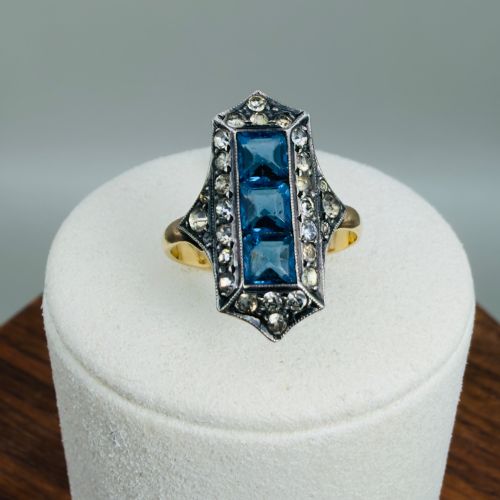
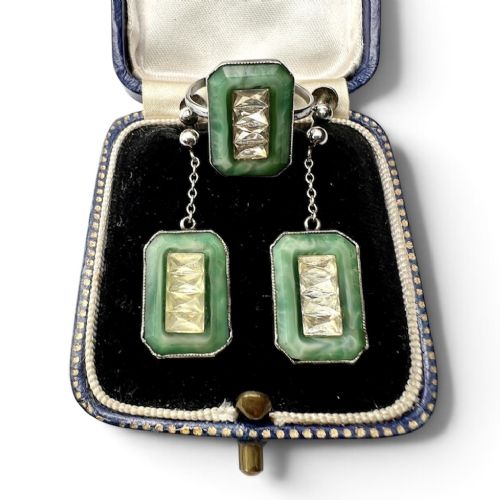
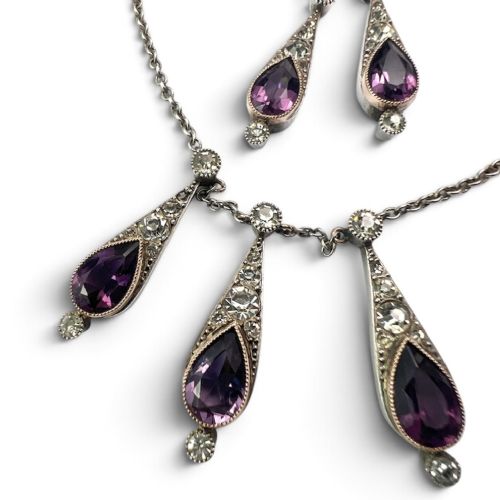
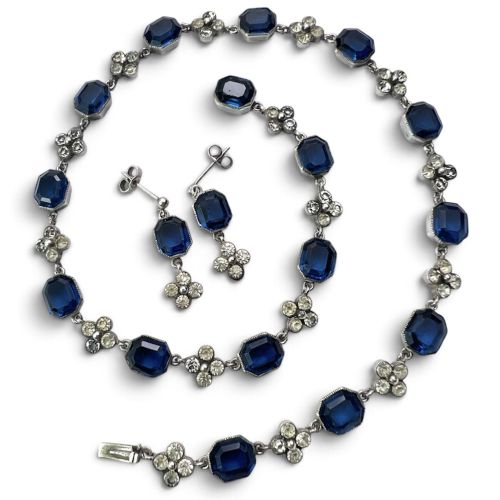
These pieces of 1920s glass jewellery capture the vibrant geometric spirit of the Art Deco period, offering collectors striking colour and intricate moulded detail.
1920s Glass Jewellery
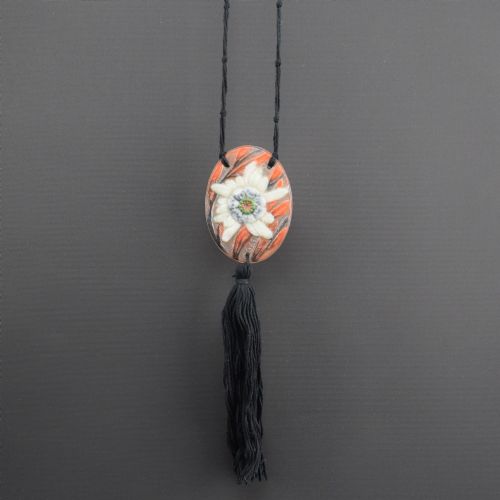
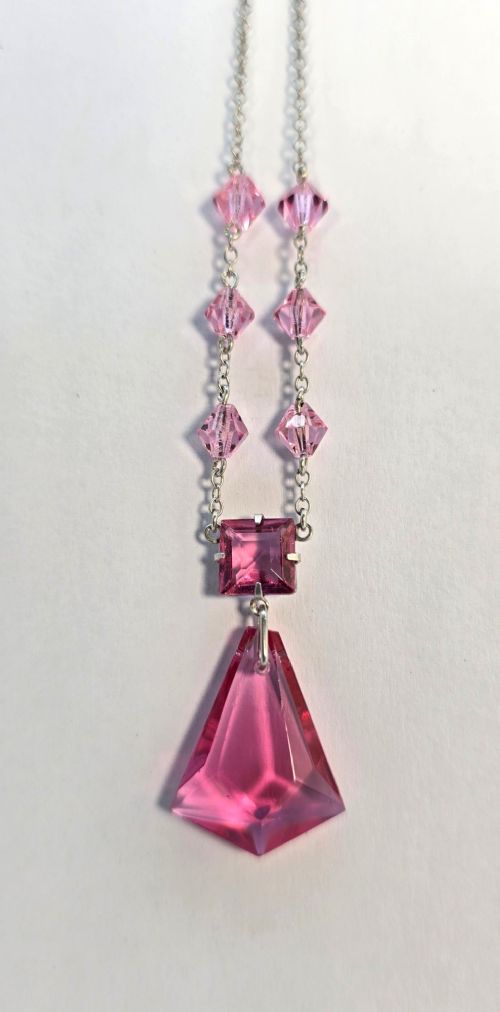
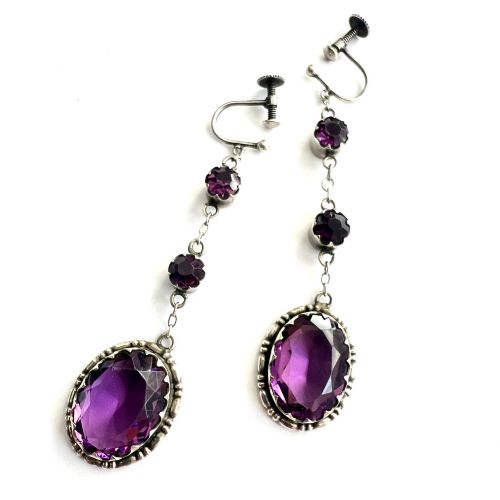
Art Deco and 1920s commercial styles dominate the selection, bringing together bold geometric forms and rich hues. Pendants and matching earring sets frequently incorporate paste stones and special glass techniques.
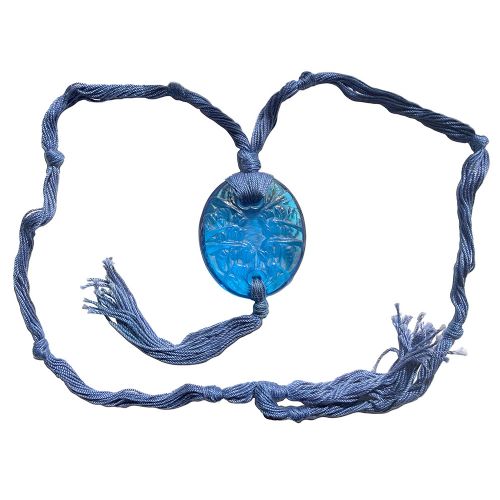
Moulded glass and pate-de-verre pieces represent significant artistic achievements of the decade. Buyers will also encounter utilitarian display items associated with the trade of these ornaments.
How they were made
Makers utilised specialised glass techniques such as pate-de-verre, where powdered glass is fused in a kiln to achieve rich texture and depth. Hand-cut crystal and moulded glass elements provide sharp facets and figural detail.
Precious metals including sterling silver, gold, and platinum form the settings and mountings for many pendants and rings. Textile cords and paste stones frequently complement the glass focal points.
1920s Glass Jewellery Retail Price Guide 2026
Typical asking prices for 1920s glass jewellery among the pieces listed under this phrase on Sellingantiques today, from the lower quarter to the upper quarter. They describe what is for sale here now, not the wider market.
Wasps and sea thistles share shelf space with delicate children and doves in this glass menagerie.
What varies in quality
The sophistication of the glass moulding and the reputation of the designer distinguish individual pieces. Signed works by prominent makers demonstrate superior control over colour gradients and sculptural relief.
The choice of surrounding materials, such as sterling silver or gold settings rather than silver-plated alternatives, influences the overall finish. Precision in hand-cutting and stone setting elevates the execution.
Rene Lalique·Gabriel Argy-Rousseau
The 1920s Glass Jewellery Glossary
- Paste glass
- High-refractive-index lead glass cut and polished to imitate gemstones. It provides bright colour and sparkle in vintage rings and necklaces.
- Pate-de-verre
- A kiln-casting method using crushed glass paste. This technique creates translucent objects with subtle colour blending and textured surfaces.
- Art Deco
- A design style prevalent in the 1920s characterised by symmetry, geometric patterns, and stylised motifs. It shapes the form of many pendants and brooches.
- Silver gilt
- Silver covered with a thin layer of gold. This treatment gives pieces a warm metallic tone alongside silver mountings.
- Intaglio
- A design carved into the flat surface of glass or stone. Light catches the recessed details to create depth.
1920s Glass Jewellery: Frequently Asked Questions
What is 1920s glass jewellery?
These items are decorative personal ornaments produced during the 1920s and 1930s, featuring glass components shaped by moulding or pate-de-verre techniques.
They often incorporate geometric Art Deco motifs and are set in silver, gold, or base metals alongside paste stones.
How do I care for pate-de-verre pendants?
Clean these delicate glass pieces gently with a soft cloth and avoid harsh chemical cleaners or ultrasonic baths.
Store them individually to prevent scratching against other metal items or hard stones.
What materials are used in these pieces?
The primary material is glass, frequently utilised as moulded elements, hand-cut crystal, or pate-de-verre.
Mountings commonly feature sterling silver, gold, platinum, paste stones, and occasionally textile cords.
Are matching sets common?
Matching earring and necklace sets appear frequently among items produced in this decade.
These coordinated groups utilise shared colour palettes and matching glass or paste components.