



1920s Double Wardrobe
A 1920s double wardrobe gives your bedroom architectural presence and generous storage, crafted in rich burr walnut or solid oak.
1920s Double Wardrobe
A 1920s double wardrobe brings substantial presence to a bedroom, offering a practical two-door enclosure for hanging garments and storing attire. When you search for this phrase, you find substantial pieces designed for domestic utility during the early twentieth century.
The versions you are most likely to meet on this page hail from the 1920 and 1930 periods, encompassing both traditional oak constructions and striking Art Deco designs. These tall pieces often stand as standalone focal points in a room, combining architectural weight with period charm.
Construction and materials
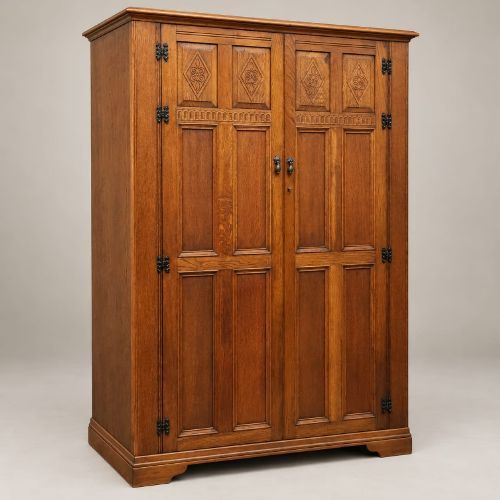
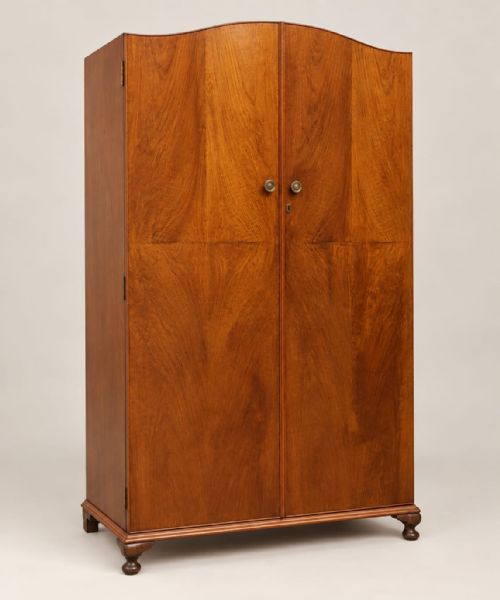
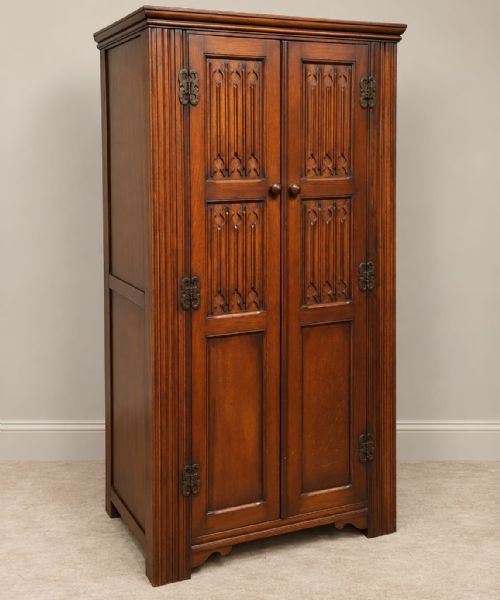
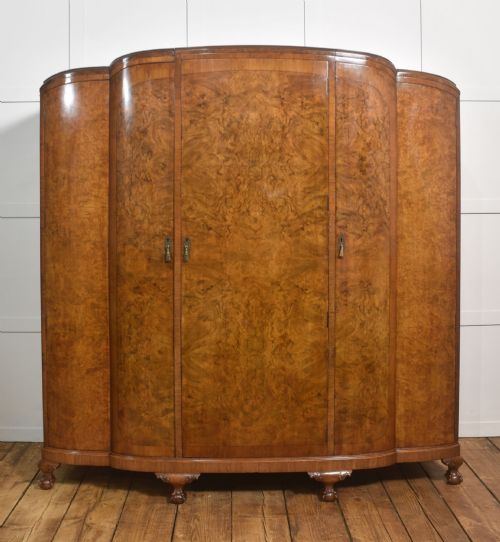
Cabinet makers utilised choice hardwoods and decorative veneers, applying burr walnut and walnut veneer over solid carcases to achieve rich figuring on the exterior doors. Oak and solid oak were equally common for sturdier, plainer constructions suited to more traditional interiors.
Metal hardware such as brass handles and iron fittings completed the functional assembly, securing the large double doors while adding subtle metallic contrast to the timber surfaces.
1920s Double Wardrobe Retail Price Guide 2026
Typical asking prices for 1920s double wardrobe among the pieces listed under this phrase on Sellingantiques today, from the lower quarter to the upper quarter. They describe what is for sale here now, not the wider market.
The listings span the 1920 and 1930 periods, featuring materials such as brass, burr walnut, walnut veneer, oak, solid oak and iron.
Judging quality in period wardrobes
The grade of timber veneer sets the visual hierarchy, with expertly matched burr walnut figures commanding more attention than plain or uniform grain. Finer examples display deliberate grain symmetry across the double doors, whereas lesser pieces show random or mismatched patterning.
Stylistic ambition also divides the range, separating simple utilitarian oak cupboards from sophisticated Art Deco breakfront designs with architectural shaping. The integration of fitted internal compartments further distinguishes standard hanging spaces from elaborate fitted wardrobe interiors.
The 1920s Double Wardrobe Glossary
- Burr Walnut
- A beautifully figured wood veneer taken from the wart-like growths on walnut trees. It creates intricate, swirling patterns across wardrobe doors.
- Art Deco
- A prominent design style emerging around 1930 that favours geometric shapes, streamlined forms and striking symmetry. It often defines the more architectural wardrobes of the era.
- Breakfront
- A cabinet design where the central section projects forward from the flanking wings. This creates depth and visual interest on large wardrobe facades.
- Tallboy
- A tall storage furniture piece combining wardrobe or cupboard storage with drawer compartments. It shares similar vertical proportions to the double wardrobe.
1920s Double Wardrobe: Frequently Asked Questions
How do I style a 1920s double wardrobe?
Allow the piece to stand alone against a neutral wall to let the timber grain and period proportions take full visual precedence.
Pair the wardrobe with minimalist furnishings to highlight the decorative burr walnut or the striking lines of Art Deco design without overcrowding the room.
What is the difference between oak and walnut models?
Oak wardrobes generally offer a heavier, more rustic or traditional aesthetic with visible grain texture and solid construction.
Walnut and burr walnut versions lean towards a more decorative, polished finish that reflects the luxury tastes of the 1920s and 1930s.
How do I date these wardrobes?
Look to the overall stylistic cues and materials recorded in the construction, distinguishing between traditional 1920 oak pieces and later 1930 Art Deco designs.
Hardware choices and veneer applications also provide clear indicators of the specific decade in which the cabinet was built.