



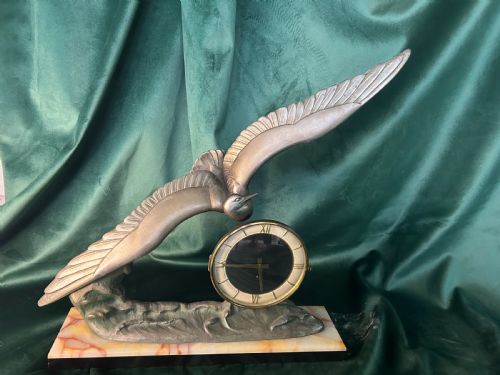


1920s Desk Clock
A 1920s desk clock brings geometric elegance and period precision to a workspace, offering a tangible piece of Art Deco history.
1920s Desk Clock
When searching for a 1920s desk clock, buyers encounter timepieces spanning the Edwardian era through the 1930s, reflecting the transition into modernism. The selection centres heavily on Art Deco styling alongside traditional 1920s forms, Chinoiserie decoration, and early electrical movements.
Objects on display range from miniature carriage clocks and folding silver travel cases to sculptural mantel and table clocks. These pieces serve functional timekeeping roles while functioning as compact decorative sculptures for a desk or mantelpiece.
Origins and periods represented include French workshops, English silversmiths, and Dutch Amsterdam school designs. Buyers are most likely to meet brass, marble, onyx, and glass formats that define the aesthetic of the interwar years.
Materials and construction
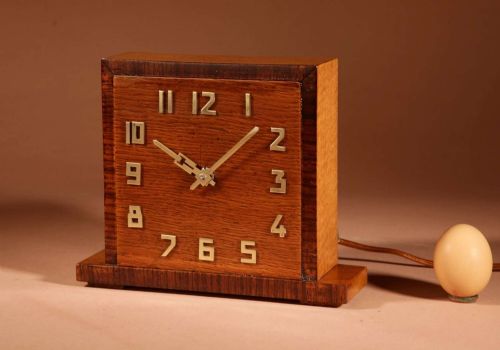
Construction relies on a combination of heavy mineral bases like marble and onyx paired with metal cases in brass, bronze, and silver. Cabinetmakers also utilised walnut veneer and oak to build substantial architectural frames for movements.
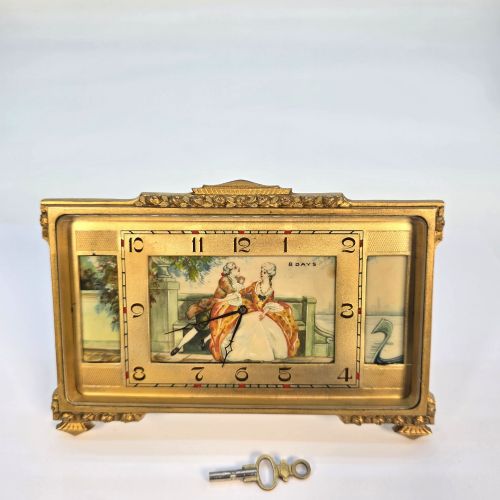
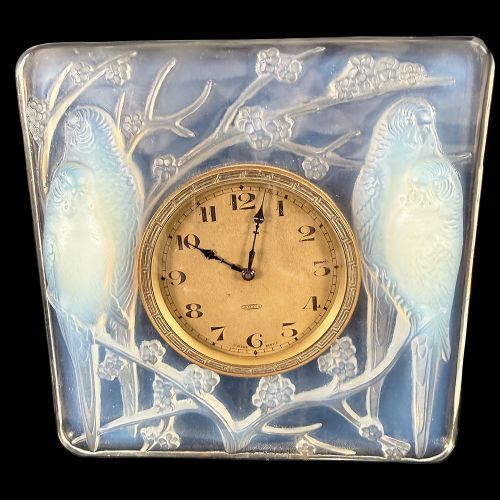
Decorative surface techniques include blue guilloche enamel, painted dials, and cast bronze or ormolu mounts. Glass pieces incorporate moulded opalescent glass featuring bird motifs and geometric reliefs produced by specialist glassworks.
1920s Desk Clock Retail Price Guide 2026
Typical asking prices for 1920s desk clock among the pieces listed under this phrase on Sellingantiques today, from the lower quarter to the upper quarter. They describe what is for sale here now, not the wider market.
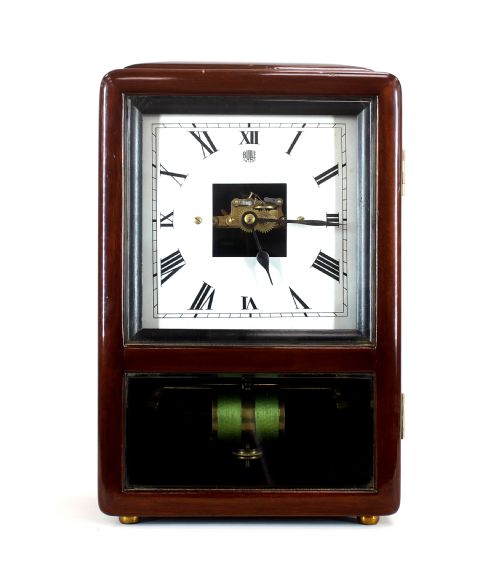
Love birds and mystery mechanics share desk space with serious silver travel cases.
Assessing quality and execution
Quality separates through the integrity of the materials and the refinement of the artistic collaboration. Pieces featuring signed metalwork, substantial silver hallmarks, or sculptural elements by named designers stand apart from standard production models.
The precision of the dial work, the weight of the marble or onyx housing, and the clarity of moulded glass details dictate the overall execution. Superior examples combine mechanical reliability with distinctive aesthetic movements such as Chinoiserie or advanced Art Deco styling.
Rene Lalique·Ferdinand Priess·Garrards
The 1920s Desk Clock Glossary
- Guilloche enamel
- Enamel decorated with intricate, repetitive engine-turned patterns beneath a translucent coloured layer. This technique adds depth and texture to the face of a timepiece.
- Ormolu
- Gilded bronze used for decorative mounts and architectural details on clock cases. The finish provides a rich metallic lustre characteristic of luxury French manufacturing.
- Opalescent glass
- Glass that displays a milky, iridescent quality shifting in tone depending on the light. It was famously utilised by modernist glassmakers for sculptural clock faces.
- Strut clock
- A portable timepiece supported by a hinged prop or stand at the back. These are designed specifically for upright placement on a desk or dressing table.
- Mystery clock
- A timepiece where the mechanism driving the hands is concealed or seemingly magical. These pieces showcase ingenious interwar horological engineering.
1920s Desk Clock: Frequently Asked Questions
How do I wind a vintage desk clock?
Most period clocks utilise a key or a butterfly winder attached to the back movement plates. Turn the key gently until firm resistance indicates the mainspring is fully tensioned.
Avoid over-winding, as this can strain the internal spring mechanism. Check whether your specific timepiece is an eight-day movement or requires daily attention.
Where should I place a glass clock?
Position glass timepieces away from direct sunlight and areas subject to heavy vibrations, such as slamming doors. A stable, level desk or secure mantelpiece provides the ideal environment.
Ensure adequate clearance so the piece is not easily knocked. Ambient indoor light often enhances the subtle tones of opalescent glass.
How do I distinguish 1920s styles from Edwardian ones?
Edwardian pieces generally favour traditional proportions, refined silver cases, and softer classical ornamentation. In contrast, 1920s designs embrace bold geometric lines, stylised motifs, and contrasting materials like black marble and onyx.
Look to the dial typography and case geometry for cues. Angular symmetry typically points toward the later Art Deco aesthetic.
Can these clocks be used daily?
Many of these pieces remain practical for regular timekeeping, provided they have received appropriate mechanical maintenance. Desk clocks were built for daily office or home use.
Handle folding travelling cases and delicate glass struts with care during setting and winding. Regular gentle use helps keep the mechanical oils distributed.