


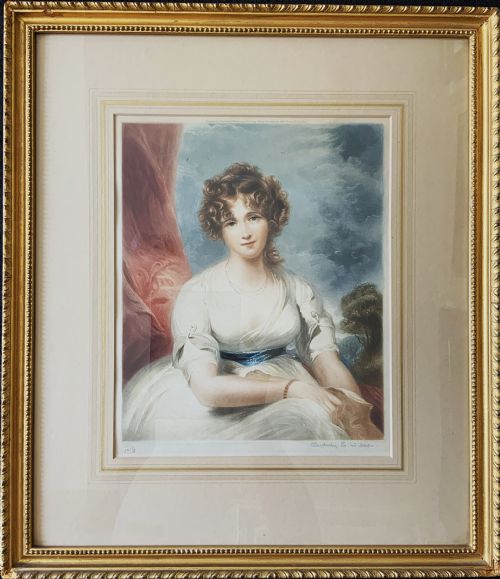


1920s Art Print
A 1920s art print brings period charm and graphic clarity to a room, offering genuine interwar character for the walls.
1920s Art Print
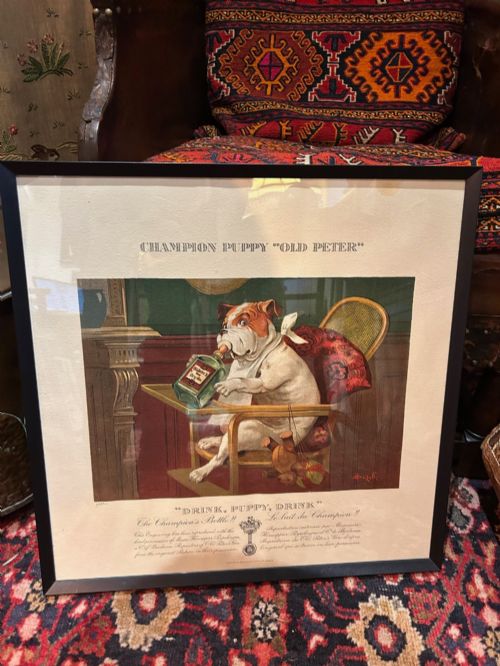
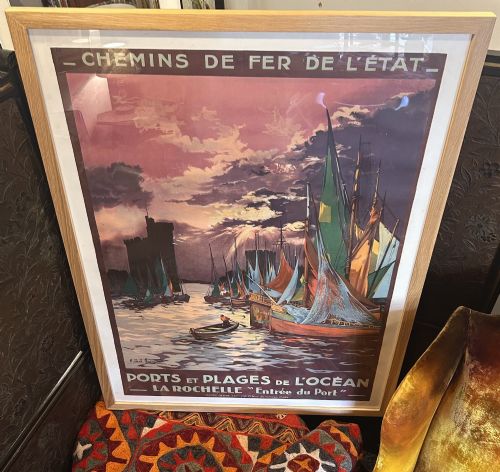
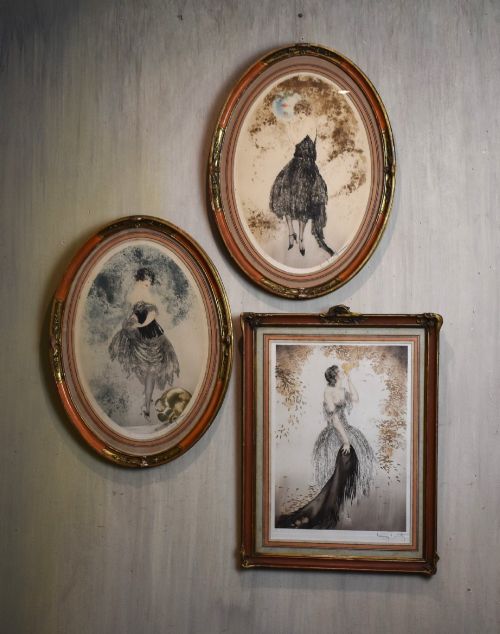
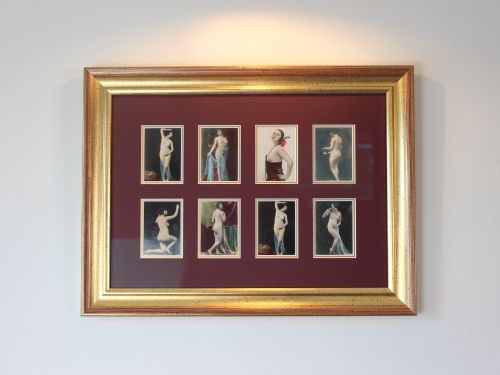
A 1920s art print covers a range of wall art from the interwar decades, including advertising posters, signed etchings and hand-tinted photographs. These pieces capture the visual culture of the period through distinct graphic styles.
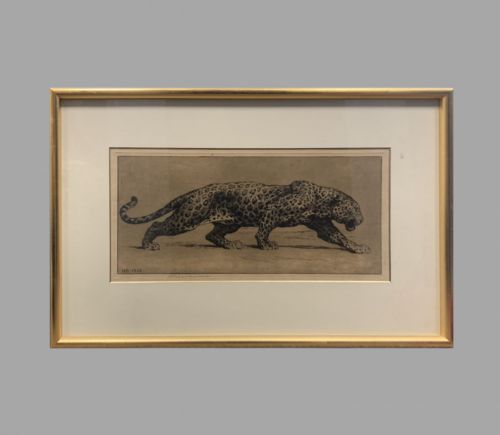
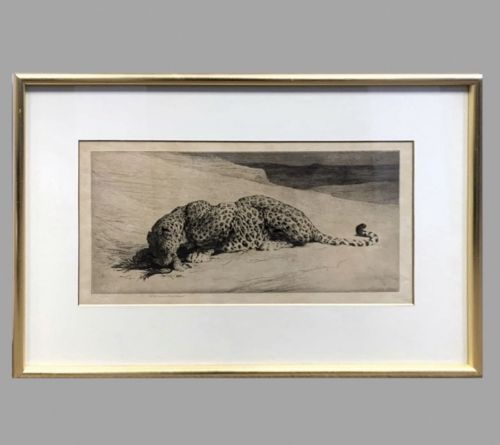
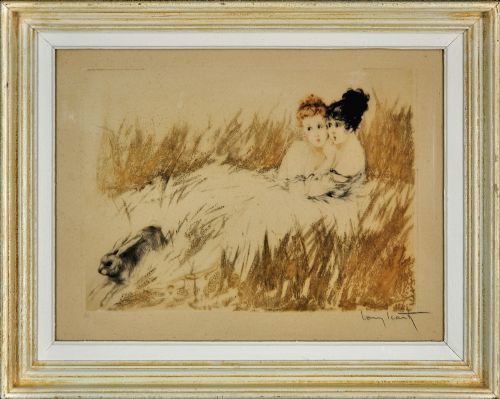
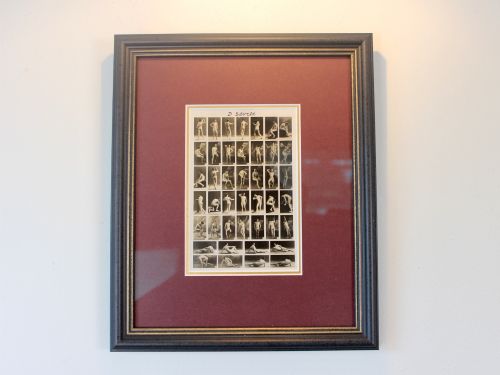
The selections span Art Deco compositions, maritime scenes and early twentieth-century realism. Buyers encounter everything from French railway posters to delicate drypoint etchings and framed photographic contact sheets.
Works appear in various formats such as framed prints, watercolours and lithographs. Original framing in oak or gilt wood frequently accompanies the paper works from this era.
How they were made
Makers utilised paper as the primary medium for etchings, lithographs and photographic prints, often applying ink or watercolour by hand. Etchings and drypoint works required skilled plate printing to achieve fine tonal gradations.
Posters and commercial pieces relied on lithography for vibrant colour reproduction across large print runs. Photographic works utilised contact printing on card or paper, occasionally enhanced with manual tinting.
Protection came from period frames constructed from oak, wood and giltwood, frequently incorporating glass to safeguard the delicate paper surfaces within.
1920s Art Print Retail Price Guide 2026
Typical asking prices for 1920s art print among the pieces listed under this phrase on Sellingantiques today, from the lower quarter to the upper quarter. They describe what is for sale here now, not the wider market.
Listings feature works across the 1910, 1920 and 1930 periods, utilising materials such as paper, ink, glass, oak and gilt wood.
What varies in quality
The distinction between standard examples and finer works rests on the presence of artist signatures and limited edition proofs. Hand-coloured details and distinct drypoint impressions elevate individual pieces above mass-produced items.
The integrity of the original framing, such as period oak or gilt wood mouldings, contributes significantly to the overall quality of the piece. Preservation of the paper without excessive fading or damage maintains the visual impact of the artwork.
Marcellin Auzolle·Herbert Dicksee·Louis Icart·Sydney Wilson·Julian Mandel·Jean Hardy·Edith E Caswall·Kees van Dongen
The 1920s Art Print Glossary
- Etching
- A printmaking technique where lines are incised into a metal plate with acid before being inked and pressed onto paper. This method produces fine, detailed lines characteristic of interwar art.
- Drypoint
- A printmaking process where an artist scratches directly into a metal plate with a sharp needle, creating a rich, velvety burr in the printed lines. It results in distinct, textured impressions.
- Lithography
- A planographic printing method based on the repulsion of oil and water, allowing for smooth colour areas and sharp details. Posters and commercial prints frequently relied on this technique.
- Aquatint
- An etching method used to create tonal effects and areas of grey or colour similar to watercolour washes. It often appears alongside drypoint in coloured prints.
- Artist proof
- A trial impression printed for the artist to examine before the main edition runs. These carry particular weight among collectors.
1920s Art Print: Frequently Asked Questions
What defines a 1920s art print?
A 1920s art print encompasses works produced during the interwar period, including etchings, lithographs, posters and photographs. These pieces reflect the artistic movements and commercial graphics of the decade.
They serve as decorative wall art, framed behind glass in original wood or gilt frames to preserve the paper elements.
How should I hang these prints?
Hang these paper works out of direct sunlight to prevent the inks and watercolours from fading over time. Ensure the wall environment maintains stable humidity levels to protect the antique paper and wooden frames.
Grouping smaller framed prints or pairing watercolours creates a balanced display that respects the domestic scale of the period.
Are these prints signed by artists?
Many fine examples feature pencil signatures from the artist, often designating them as signed artist proofs or limited editions. These signatures verify the direct involvement of the printmaker in producing the impression.
Unsigned commercial posters and photographic prints rely instead on typographic credits or distinctive studio formats from the era.
What framing comes with these?
Listings frequently feature original oak frames, giltwood surrounds or simple wooden mouldings contemporaneous with the artwork. These frames often retain their original glass and backing materials.
Such period enclosures complement the graphic style of the print and maintain the historical integrity of the piece.