




1910s English Sterling Silver
These 1910s English sterling silver pieces offer solid craftsmanship and tactile weight, appealing to collectors seeking functional items from the reign of George V and the Edwardian era.
1910s English Sterling Silver
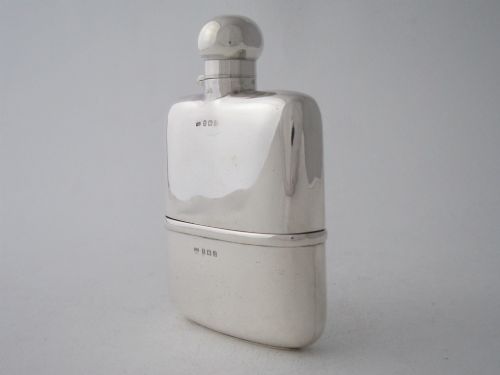
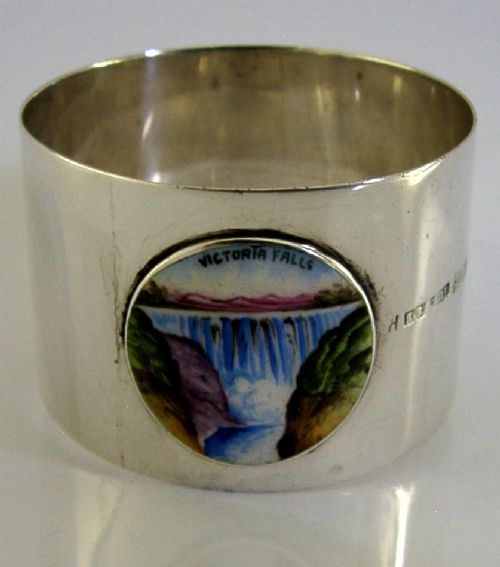
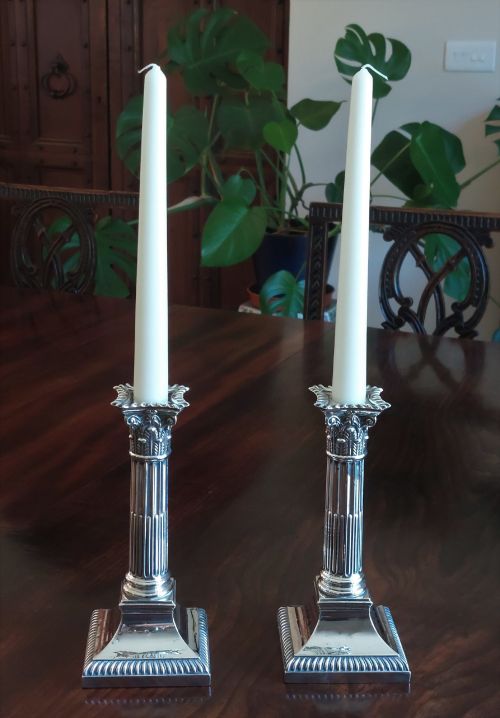
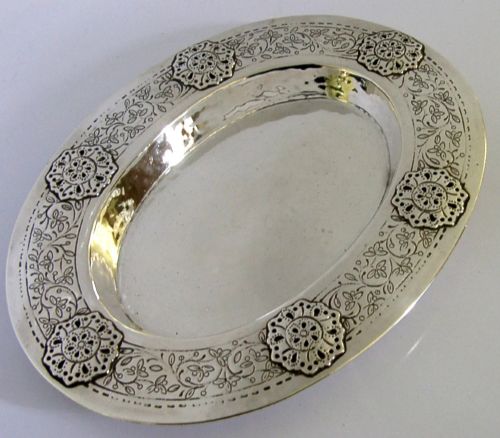
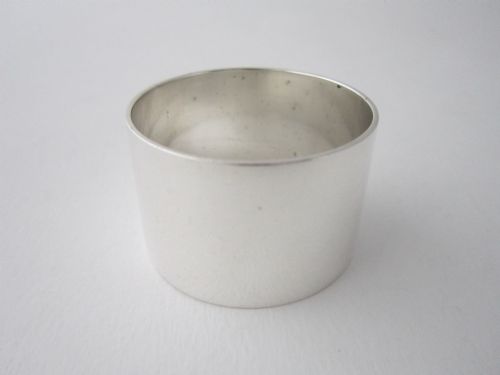
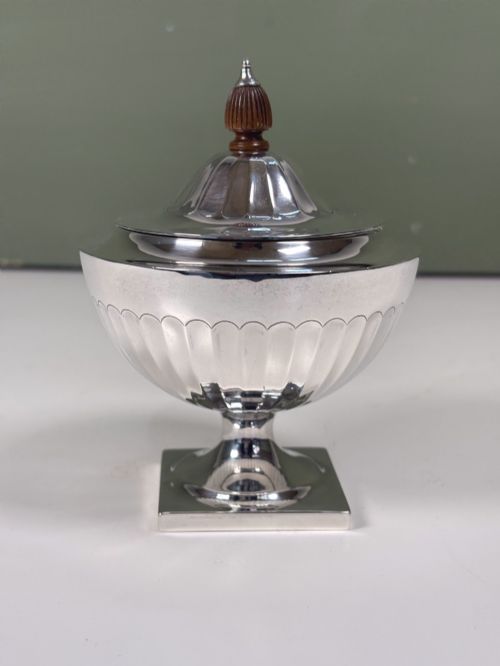
When you search for 1910s English sterling silver, you are looking at functional and decorative domestic objects made during a decade spanning Edwardian elegance and George V utility. The pieces on this page include candlesticks, napkin rings, decorative dishes, watch chains, tea caddies, pot pourri bowls, bracelets, and barware.
You are most likely to meet George V period items alongside Edwardian designs, often reflecting Neoclassical Revival, Arts and Crafts, and Georgian Revival styles. These objects were produced in workshops and retail establishments across England, carrying hallmarks that date them precisely to the second decade of the twentieth century.
How they were made
Makers utilised solid sterling silver, often combining the metal with wood, glass, vitreous enamel, amethyst, and tortoiseshell to create contrast and texture. Techniques included casting, hammering, piercing, and mounting organic materials into silver bezels.
Makers such as Garrard and Co, Liberty and Co, Mappin and Webb, and Walker and Hall applied traditional silversmithing methods to domestic forms like photo frames, hip flasks, pill boxes, and tea caddies.
1910s English Sterling Silver Retail Price Guide 2026
Typical asking prices for 1910s english sterling silver among the pieces listed under this phrase on Sellingantiques today, from the lower quarter to the upper quarter. They describe what is for sale here now, not the wider market.
Listings feature sterling silver combined with natural materials such as tortoiseshell, vitreous enamel, amethyst, glass, and wood.
What varies in quality
The distinction between average and superior pieces lies in the crispness of the hallmarks, the heft of the metal, and the quality of secondary materials such as enamel or tortoiseshell. Substantial weight in items like napkin rings and candlesticks signals better material use by the maker.
The involvement of notable firms like Liberty and Co or Garrard and Co introduces distinct design merits, particularly in Arts and Crafts pieces or formal tableware, compared to unmarked or standard commercial output.
Garrard and Co·Liberty and Co·Mappin and Webb·Walker and Hall
The 1910s English Sterling Silver Glossary
- Sterling silver
- An alloy containing 92.5 percent silver and 7.5 percent other metals, typically copper, used to ensure durability in household objects. This standard was legally enforced by British assay offices.
- Hallmark
- A series of official marks stamped on items to guarantee the metal standard, the assay office, and the year of production. On these pieces, they provide a reliable date within the 1910s.
- Arts and Crafts
- A design movement valuing handcraftsmanship and simple forms over mass production. Pieces in this style often feature hammered surfaces and integrated enamels.
- George V
- The stylistic and historical period covering the reign from 1910 to 1936. Objects from this decade reflect traditional revivalism alongside emerging modernist tendencies.
1910s English Sterling Silver: Frequently Asked Questions
How do I date a 1910s silver piece?
You look for the hallmarks stamped directly into the metal. These marks typically include a date letter corresponding to the assay year.
Additional stamps show the lion passant for sterling standard and a maker's mark to identify the silversmith.
What items were commonly made in this decade?
Silversmiths produced a wide range of practical domestic goods and personal accessories. Common forms include candlesticks, napkin rings, tea caddies, and watch chains.
Items for personal use such as hip flasks, pill boxes, and jewellery boxes also feature prominently in this period.
How should I clean antique sterling silver?
Use a soft microfiber cloth and a mild silver polish specifically formulated for antiques. Avoid abrasive pads or harsh chemical dips that can strip away the natural patina.
Take extra care around inset materials like tortoiseshell, enamel, or glass to prevent moisture damage.
What is the difference between Edwardian and George V silver?
Edwardian silver, produced up to 1910, often draws on ornate Neoclassical and Georgian Revival motifs. George V pieces lean towards simpler lines and sturdy utilitarian forms.
Both periods overlap during the 1910s, resulting in diverse stylistic influences within the same decade.