
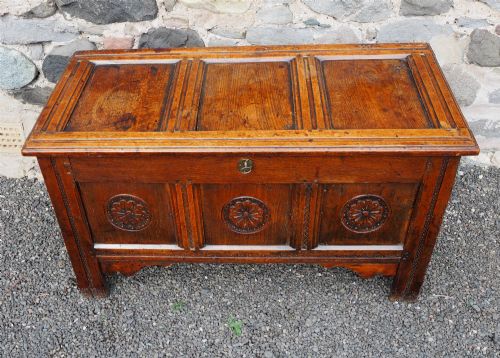


18th Century Wooden Coffer
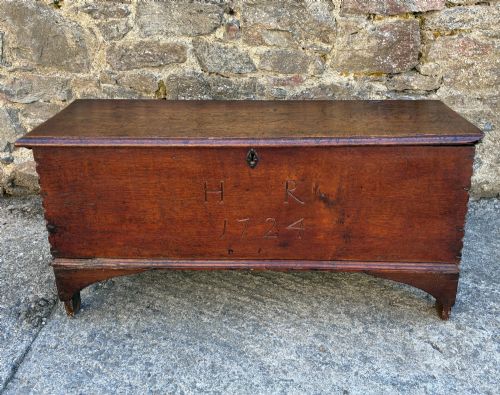
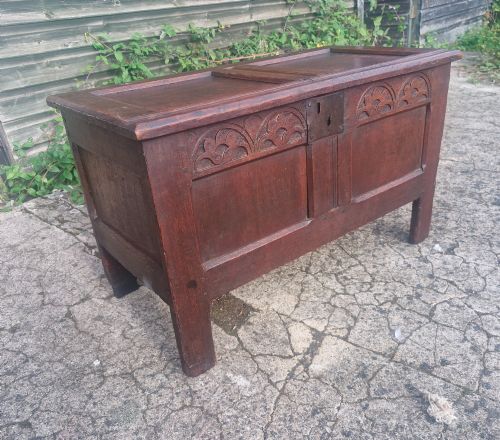
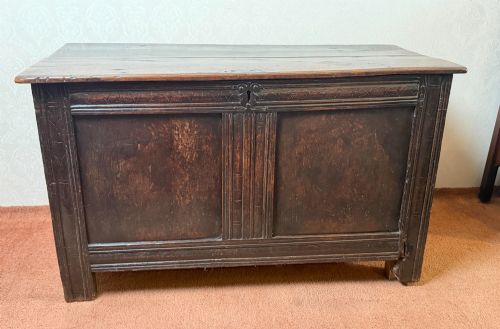
An 18th century wooden coffer is a robust storage piece built from sturdy timber to hold household goods.
18th Century Wooden Coffer
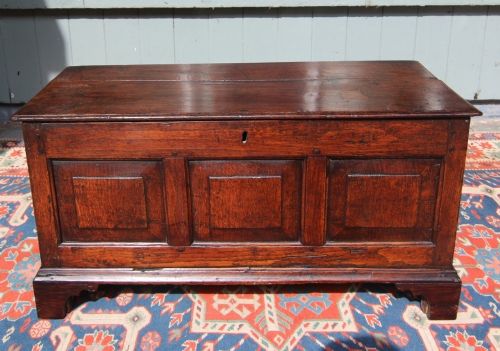
An 18th century wooden coffer is a traditional storage vessel used historically to secure valuables, linens, and personal documents. Buyers searching for an 18th century wooden coffer encounter sturdy lidded chests primarily rooted in the Georgian era, French provincial traditions, and Welsh vernacular design.
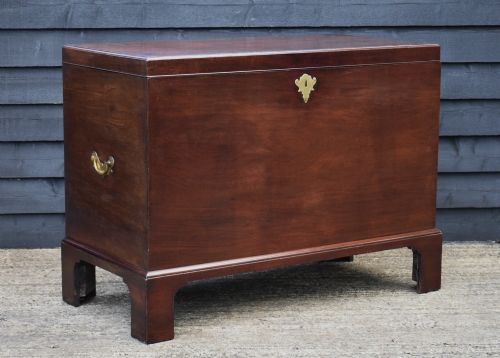
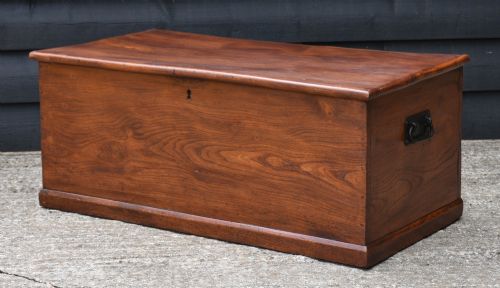
The surviving pieces on this page span the seventeenth through the nineteenth centuries, alongside specific dated examples from seventeen-fifty and seventeen-ninety. Oak remains the predominant timber, though workshops also utilised elm, mahogany, walnut, pine, ash, and exotic woods like padouk.
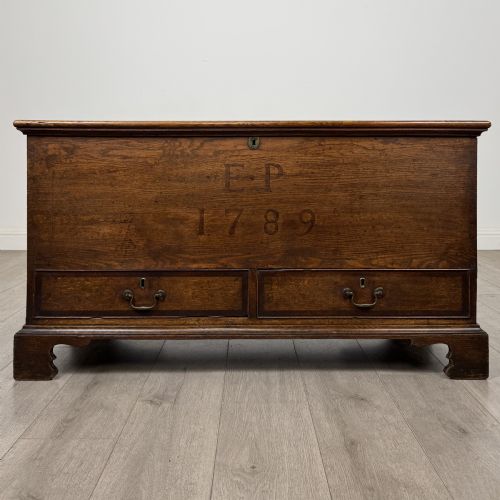
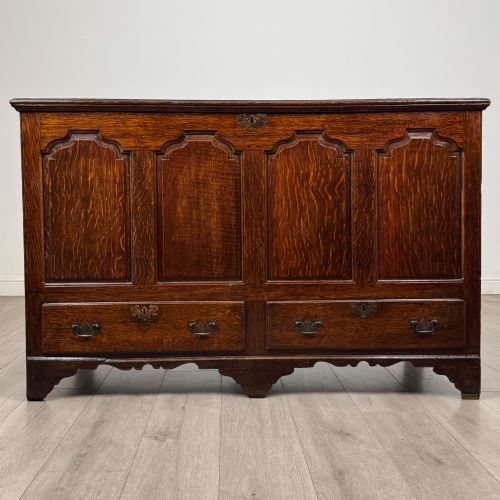
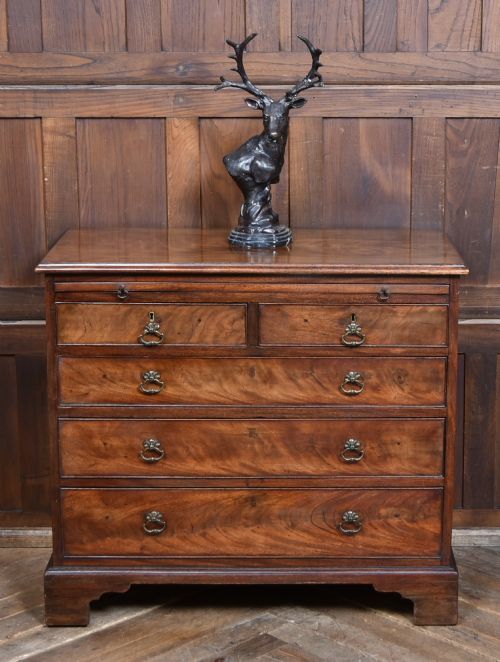
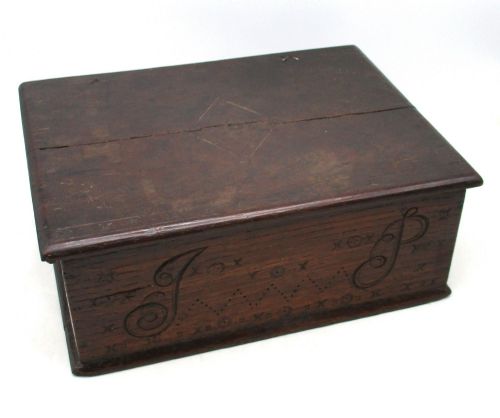
Forms range from simple boarded trunks and carved storage chests to mule chests fitted with lower drawers, small document boxes, and box settles combining a seat with a lower compartment. Regional styles appear frequently, including Scandinavian trunks, Dutch East Indies strong boxes, and Welsh coffer bach units.
Materials and construction methods
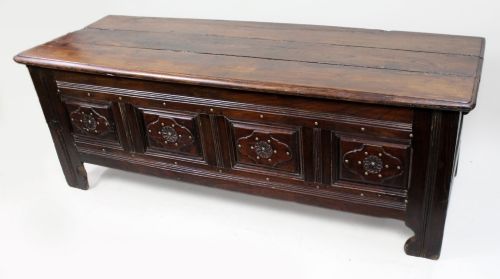
Makers constructed these storage pieces using solid regional timbers joined with pegged mortise and tenon joints for panelled frames. Oak and elm provide heavy structural integrity, while mahogany and walnut appear in later Georgian items alongside decorative crossbanding.
Metalwork played a vital structural role, with blacksmiths providing iron hinges, strapwork, and carrying handles. Brass mounts, escutcheons, and locks frequently secured finer provincial and colonial boxes against theft.
Listings feature timbers including oak, mahogany, elm, walnut, pine, ash, teak, padouk, and ebony.
Assessing quality and craftsmanship
Quality in an 18th century wooden coffer rests upon the selection of timber and the precision of the joinery. Heavy framing, well-fitted panels, and original hardware separate superior country workshop pieces from utilitarian containers.
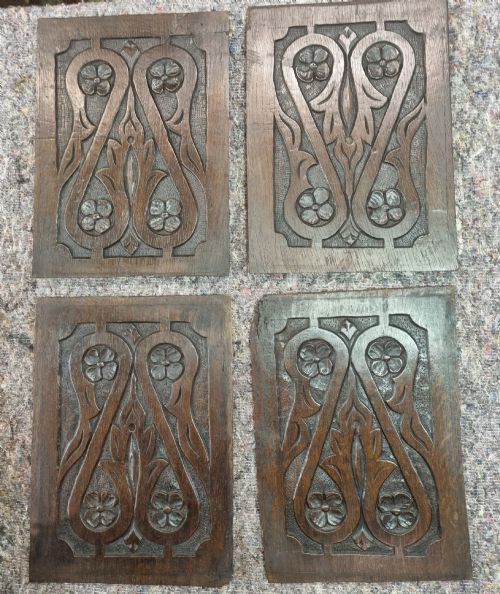
Subtleties in hand-carved ornamentation, such as crisp geometric panels or foliate motifs, indicate the maker's skill. Finer pieces incorporate secondary timbers like mahogany crossbanding or retain their original hinges, locks, and bracket feet.
J Moorcroft
The 18th Century Wooden Coffer Glossary
- Coffer
- A heavy wooden chest traditionally used for storing valuables, plate, or textiles before fitted wardrobes became common.
- Mule chest
- A storage chest featuring one or more drawers built into the base beneath the primary lift-up lid compartment.
- Coffer bach
- A small Welsh tabletop or miniature oak coffer used for holding personal keepsakes and documents.
- Box settle
- A high-backed wooden bench featuring a concealed storage compartment accessible beneath the seat.
- Crossbanding
- A decorative border technique where thin strips of veneer are laid across the grain to frame a drawer or panel.
18th Century Wooden Coffer: Frequently Asked Questions
What was an 18th century wooden coffer used for?
These large chests served as secure domestic storage for valuable textiles, woollens, church plate, and family documents before fitted closets were standard.
Households relied on them for heavy storage because their solid timber construction and iron locks protected contents from pests, damp, and theft.
How do I tell an oak coffer from a mule chest?
A standard oak coffer consists of a single deep compartment accessed entirely by lifting the top lid.
A mule chest shares the same lidded top box but incorporates one or more functional drawers built directly into the base underneath.
Where were regional coffers made?
Makers constructed these storage pieces across rural workshops in England, Wales, France, and Scandinavia using locally available timber.
Colonial variations also reached Europe from the Dutch East Indies and other global trade routes, utilising denser exotic woods.
How do I live with a wooden coffer at home?
These versatile chests function well as living room coffee tables, blanket storage at the foot of a bed, or hallway seating.
Keep them away from direct heat sources and sudden temperature shifts to protect the historic timber and prevent panel splitting.