

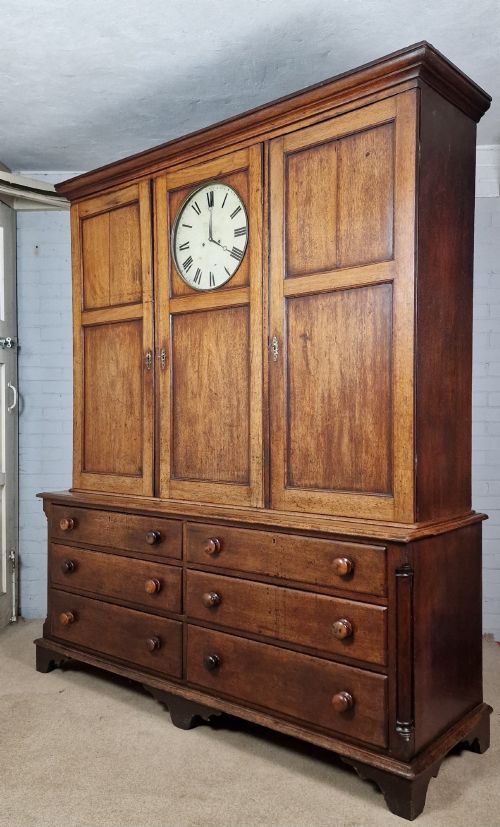
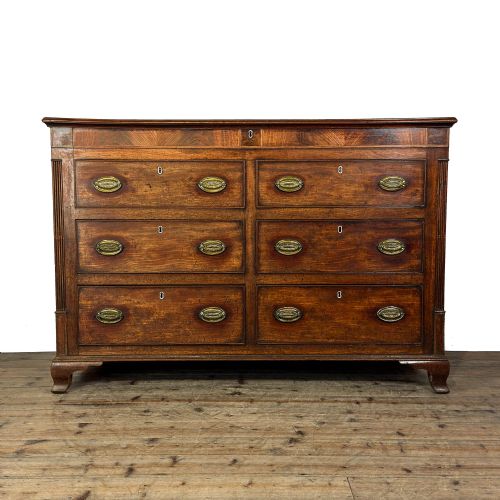
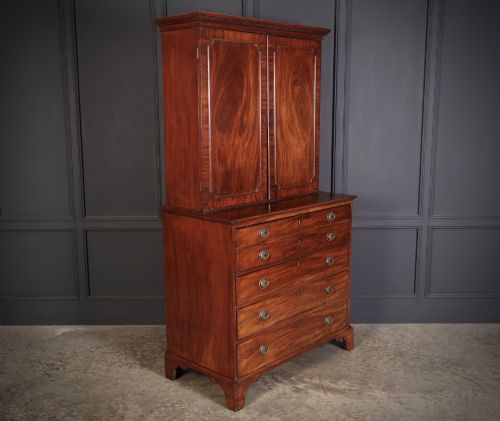
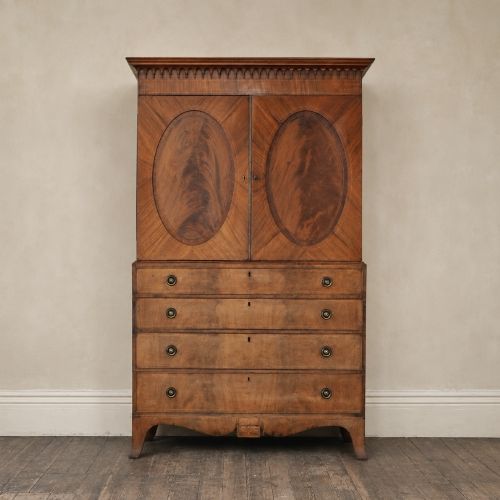
18th Century Mahogany Tallboy
An 18th century mahogany tallboy combines towering storage capacity with rich cabinet timber, making it a commanding focal point for a bedroom.
18th Century Mahogany Tallboy
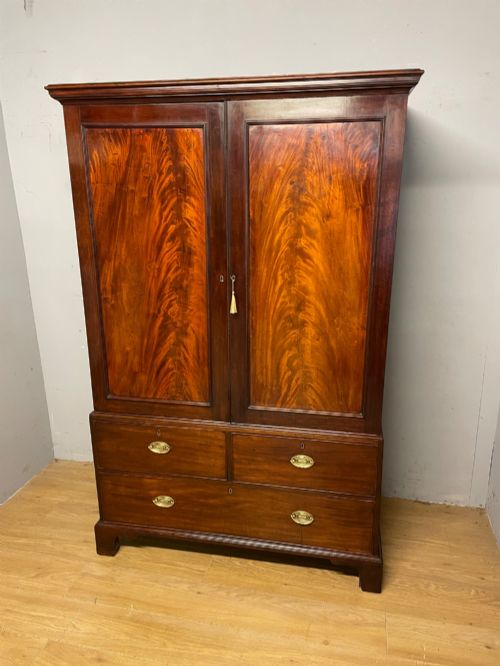
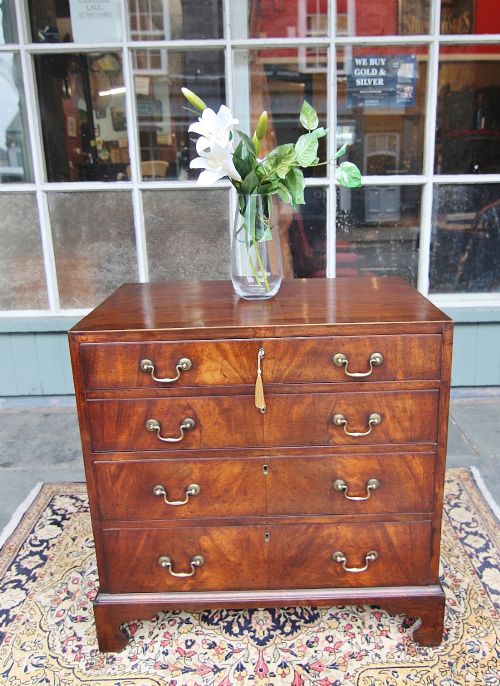
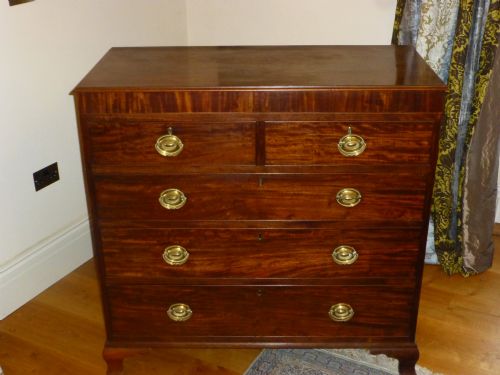
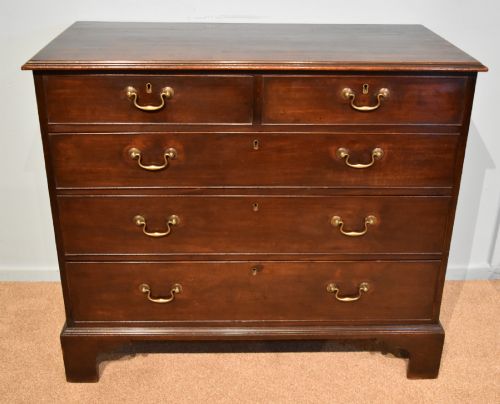
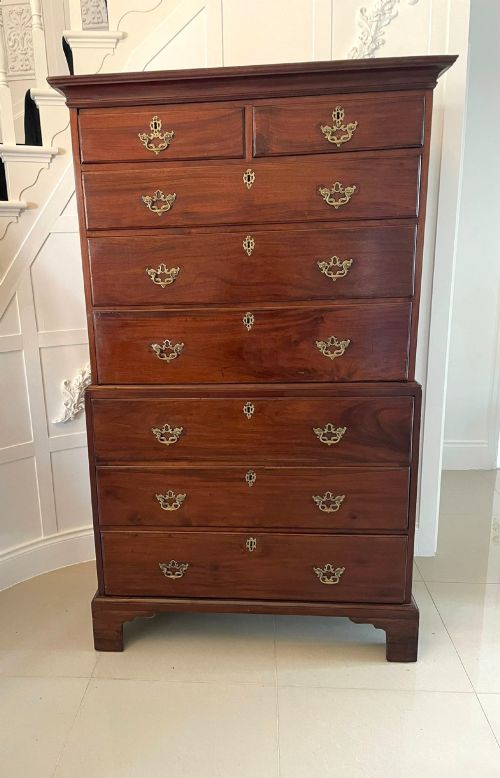
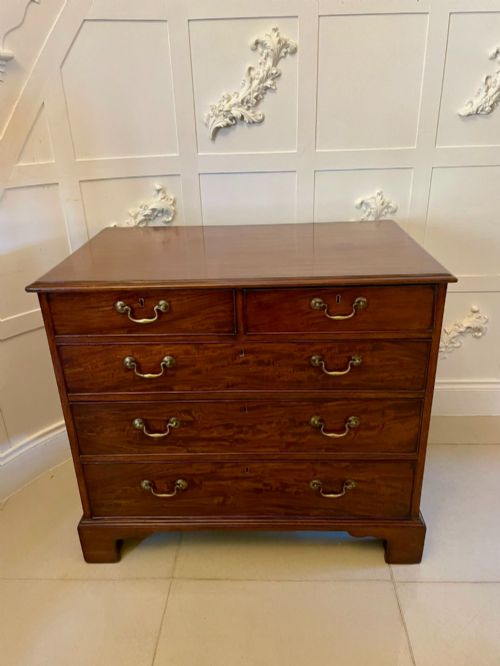
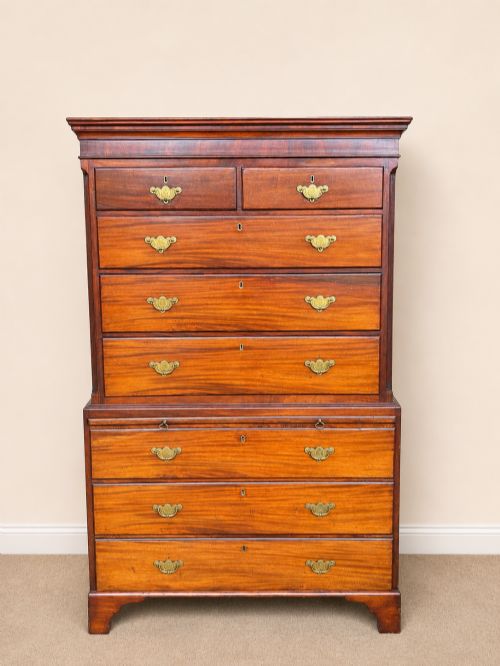
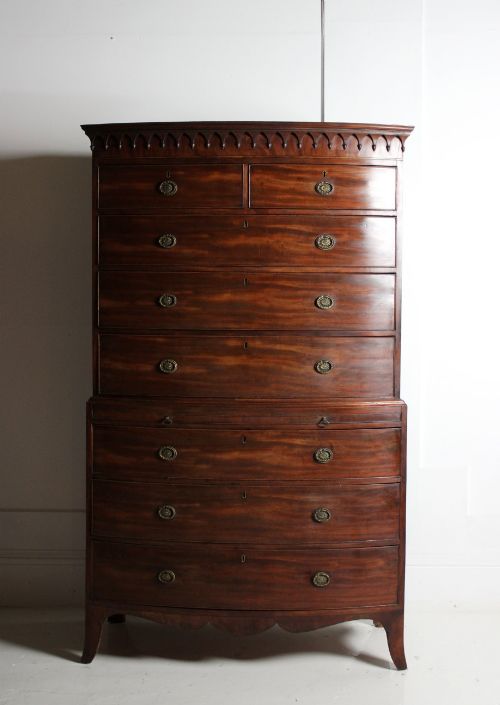
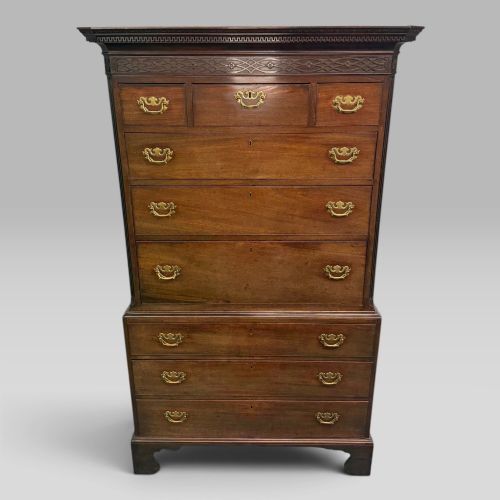
An 18th century mahogany tallboy typically takes the form of a chest on chest or chest on stand, stacking a smaller set of drawers atop a larger base. The pieces seen here span Georgian, George II, and George III periods, alongside Dutch Neo-Classical and Chippendale styles.
Makers and cabinetmakers constructed these tall storage chests using dense tropical hardwoods, frequently pairing mahogany with secondary timbers like oak. The taller format emerged to maximise vertical storage space in domestic chambers without enlarging the footprint.
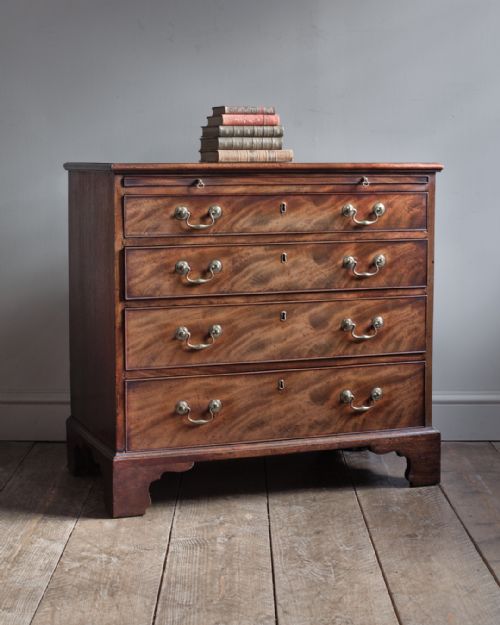
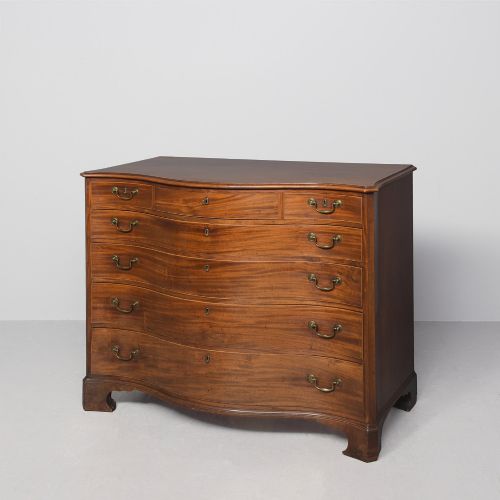
Many examples incorporate specialised writing drawers or brushing slides, turning a simple storage unit into a multifunctional piece of furniture. Buyers encounter both straight-fronted chests and more elaborate serpentine or bow-front variations.
Materials and Construction
Cabinetmakers relied heavily on solid mahogany and figured veneers, sometimes utilising dense Cuban mahogany for primary surfaces. Secondary structural elements inside the carcase and drawer linings commonly make use of oak.
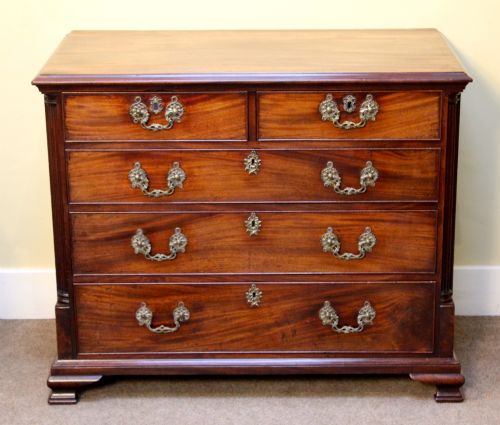
Drawer pulls and key escutcheons utilise cast brass, often retaining original pierced backplates that secure through the drawer fronts. Details such as fruitwood inlay and satinwood banding accent panels and cornices on selected neoclassical examples.
18th Century Mahogany Tallboy Retail Price Guide 2026
Typical asking prices for 18th century mahogany tallboy among the pieces listed under this phrase on Sellingantiques today, from the lower quarter to the upper quarter. They describe what is for sale here now, not the wider market.
Some tallboys hide shallow sliding shelves behind their upper cornices, offering secret compartments for confidential documents or small valuables.
Evaluating Quality
The sophistication of the timber figure dictates much of the visual merit, with highly figured mahogany and symmetrical grain patterns commanding greater visual presence. Surface finish also plays a role, particularly where pieces retain an unblemished, aged patina developed over centuries.
Joinery execution separates standard cabinetwork from master output, visible in the tightness of dovetail joints connecting the drawer carcases. Original hardware, including matching brasses and functional locks, preserves the integrity of the piece more effectively than later replacements.
The 18th Century Mahogany Tallboy Glossary
- Tallboy
- A tall chest of drawers made by stacking one cabinet section on top of another. This form provides substantial vertical storage while occupying minimal floor space.
- Chest on Chest
- Another term for a tallboy, denoting two distinct modular sections joined vertically. The upper section usually contains smaller drawers than the wider base.
- Brushing Slide
- A pull-out wooden shelf integrated into the chest frame above the drawers. It served as a writing surface or a place to brush garments.
- Cuban Mahogany
- A dense, dark variety of mahogany exported from the Caribbean during the eighteenth century. It is prized for its rich colour and exceptional weight.
- Crossbanding
- A decorative border of veneer laid around the perimeter of a drawer front or top panel. The grain runs perpendicular to the main surface to create a framed effect.
18th Century Mahogany Tallboy: Frequently Asked Questions
What is the difference between a tallboy and a standard chest of drawers?
A tallboy stacks two separate cabinet sections vertically to achieve greater height and storage capacity. Standard chests consist of a single section.
This two-tier construction allows tallboys to hold significantly more clothing while maintaining a relatively compact floor footprint.
How do I care for 18th century mahogany furniture?
Keep the wood away from direct sunlight and strong heat sources to prevent the timber and veneers from drying out. Maintain a stable indoor humidity level.
Apply traditional beeswax periodically and buff gently with a soft cloth to nourish the finish and preserve the historic patina.
Where were tallboys placed in historic homes?
Cabinetmakers designed these storage units primarily for bedchambers and dressing rooms to hold linens and garments. Their tall profile made efficient use of wall space.
Today, collectors place them in hallways, living rooms, and bedrooms where vertical storage and classic proportions are desired.
How can I identify a George III tallboy?
George III pieces frequently display classical architectural elements like dentil cornices, fluted columns, and bracket feet. The proportions tend to be refined and balanced.
Construction details such as hand-cut dovetails and native oak secondary woods help confirm the 18th century manufacturing period.