



18th Century Ceramic Lamp
An 18th century ceramic lamp brings historic porcelain and earthenware into modern rooms, offering soft light and deep decorative history.
18th Century Ceramic Lamp
When you search for an 18th century ceramic lamp, you encounter historic vessels, primarily vases and jars from Dutch, Chinese, and Japanese traditions, that have been converted into table lamps. These pieces span the seventeenth, eighteenth, and nineteenth centuries, capturing periods like the Edo era and Dutch Delftware production.
The most common forms on this page include tin-glazed earthenware and porcelain bodies paired with materials such as brass, wood, silk, and fabric. You will find both single table lamps and matched pairs, often featuring styles like Chinoiserie and Chinese Export alongside traditional Imari designs.
How they were made
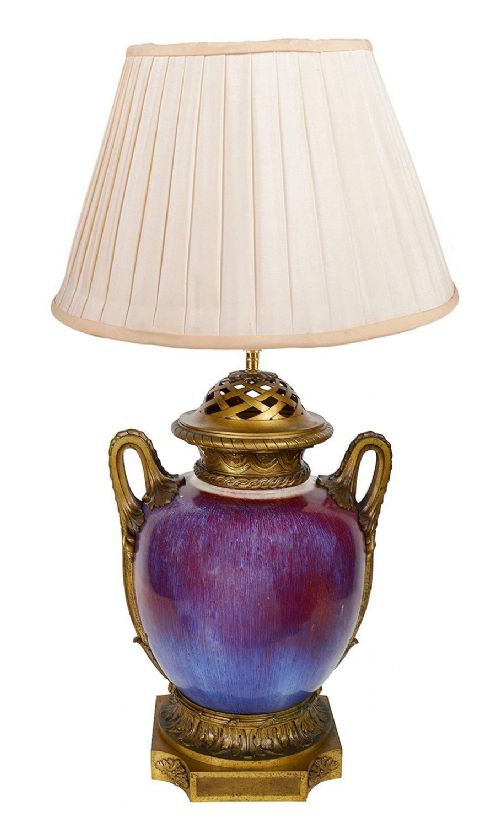
Potters shaped these vessels from fine porcelain, earthenware, and tin-glazed clay before applying intricate hand-painted motifs in blue, green, and iron-red tones. Makers often incorporated ormolu mounts and brass fittings to elevate the status of the ceramic bodies.
Conversion into lamps typically involved mounting the historic vases onto wooden or metal bases and wiring them for electricity, sometimes adding fabric or silk shades to complete the fixture.
18th Century Ceramic Lamp Retail Price Guide 2026
Typical asking prices for 18th century ceramic lamp among the pieces listed under this phrase on Sellingantiques today, from the lower quarter to the upper quarter. They describe what is for sale here now, not the wider market.
Listings feature ceramics from Dutch, Chinese, and Japanese kilns, incorporating materials like brass, porcelain, wood, silk, and earthenware.
What varies in quality
Quality rests in the crispness of the hand-painted ceramic decoration and the integrity of the original porcelain or earthenware body. Pieces that retain their historic glaze without excessive wear or crude restoration stand apart.
The standard of the metal mounts, such as ormolu and brass hardware, also defines the upper tier of these lamps, alongside the harmony between the historic vessel and its modern wiring and base.
The 18th Century Ceramic Lamp Glossary
- Delftware
- Tin-glazed earthenware produced in Dutch potteries, known for its characteristic white glaze and blue painted decoration. It imitates imported Chinese porcelain.
- Imari
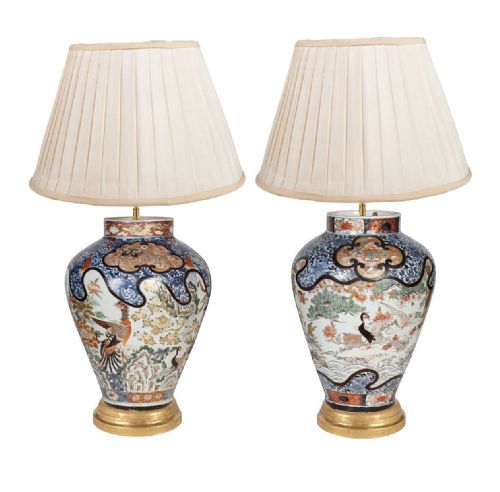
- Japanese porcelain decorated in underglaze blue, iron red, and gold, originating from the Arita area during the Edo period. These export wares were popular across Europe.
- Ormolu
- Gilded bronze mounts applied to furniture and ceramic objects for decorative effect. It adds weight and a golden contrast to porcelain bodies.
- Chinoiserie
- European artistic style reflecting Chinese motifs and aesthetic themes. Artisans applied these designs to ceramics and decorative objects.
18th Century Ceramic Lamp: Frequently Asked Questions
Are these lamps newly wired?
Many historic ceramic lamps undergo rewiring to meet modern safety standards while preserving the antique vessel.
Check individual listings to confirm the current wiring status and compatibility with modern sockets.
How do I clean an antique ceramic lamp?
Dust the porcelain or earthenware gently with a dry, soft cloth to protect the historic glaze and painted surface.
Avoid using harsh chemical cleaners or submerging the fitted parts in water.
Can I find matching pairs?
Matched pairs of lamps appear frequently among Japanese Imari and Dutch Delftware listings.
Pairs offer symmetrical lighting for sideboards, mantelpieces, or large tables.
What periods do these lamps date from?
The selection includes pieces manufactured across the seventeenth, eighteenth, and nineteenth centuries.
Some items combine genuine eighteenth-century vessels with later nineteenth-century mountings or style interpretations.