


18th Century Bow China
These pieces of 18th century bow china offer early English porcelain at its most inventive, bringing soft-paste figures and plates directly to your table.
18th Century Bow China
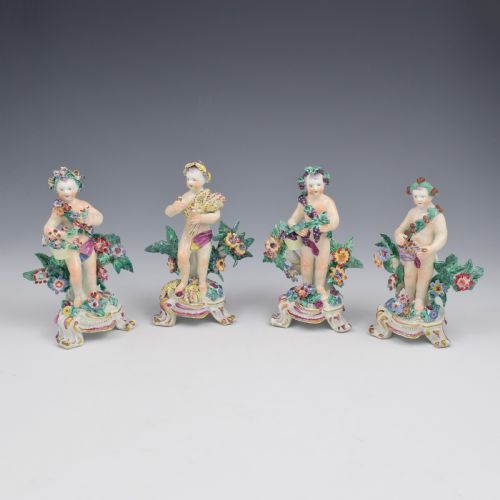
When you search for 18th century bow china, you enter a world of soft-paste porcelain shaped into figurines, decorative plates, sauce boats, and platters. The pieces range from allegorical figures of the seasons to Chinese-inspired octagonal serving dishes.
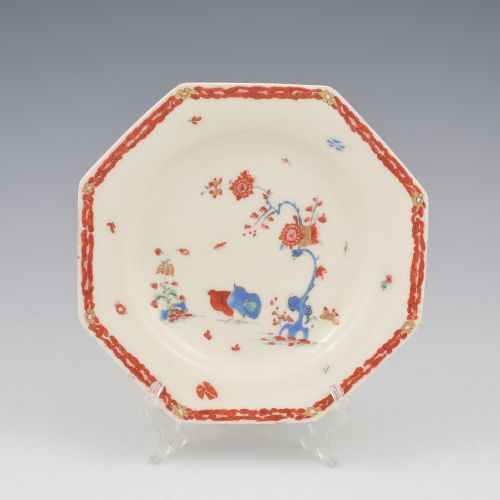
You are most likely to meet mid-Georgian figures and plates on this page, often dating around seventeen sixty-five. Rococo styling and Kakiemon patterns appear frequently among the plates and dishes.
The forms span from small individual figurines like a boy singer or drummer to larger functional platters and saucers. English manufacture from this early period defines the entire group.
How they were made
Potters built these items using soft-paste porcelain, which created a warm base for subsequent decoration. Artisans applied glazes and painted the surfaces by hand in pastel hues.
Many items received overglaze enamel painting to render complex scenes such as the two quail pattern or Mandarin figures. Gilding and gold leaf added finishing touches to select plates and figures.
Listings feature soft-paste porcelain items from the eighteenth century, incorporating Georgian and Rococo styles alongside Kakiemon patterns.
What varies in quality
The precision of the hand-painted enamel work dictates much of the visual success of a piece. Delicate brushstrokes on figures like the seated rustic winter show higher skill than simpler applications.
Model complexity also separates standard wares from superior works, particularly in multi-figure allegorical sets representing the seasons or the elements. The crispness of the moulded soft-paste body preserves the intended Rococo lines.
The 18th Century Bow China Glossary
- Soft-paste porcelain
- A ceramic material composed of clay and glass frit fired at lower temperatures than hard paste. This body type defines early English factories.
- Kakiemon
- A style of Japanese polychrome enamel decoration featuring asymmetrical designs of birds and flowers. Bow potters frequently copied these Japanese motifs.
- Overglaze enamel
- Pigments applied on top of the fired glaze and fixed with a second, cooler firing. This technique allowed for a wide range of pastel hues.
- Putti
- Depictions of chubby male children, often winged, used as decorative figures. These appear frequently in sets representing the seasons.
18th Century Bow China: Frequently Asked Questions
What is bow china?
Bow china refers to porcelain produced at the Bow porcelain factory in early England during the eighteenth century. The factory utilised soft-paste porcelain to create both functional tableware and decorative figures.
Items from this pottery include octagonal plates, sauce boats, and detailed figurines painted in underglaze blue or overglaze enamels.
How do I date bow porcelain?
Dating relies on stylistic clues such as Rococo moulding, Kakiemon painting, and specific factory marks like the gold anchor. Most surviving examples date from the mid-eighteenth century.
Comparison with documented forms helps narrow the decade of production for individual figurines and plates.
What patterns are common on bow china?
Common patterns include the two quail or partridge design borrowed from Japanese Kakiemon porcelain. Mandarin Chinese figures and blue and white lotus motifs also appear on plates and serving dishes.
Figurines often depict allegorical themes like the four seasons or the elements of water and land.
How should I display bow figures?
These delicate soft-paste figures require stable placement away from direct sunlight and heavy foot traffic. Cabinets with glass doors help protect the enamel paint and gold leaf from dust and handling.
Grouping figures by theme, such as the seasons, creates a cohesive display that reflects their eighteenth-century origins.