


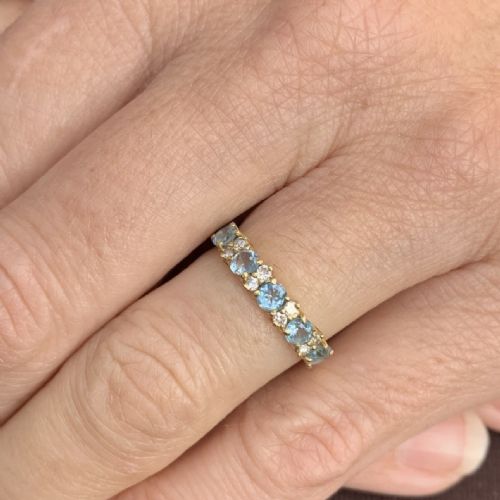


18 Carat Ring
An 18 carat ring combines substantial gold content with precious gemstones, offering enduring everyday wear for collectors.
18 Carat Ring
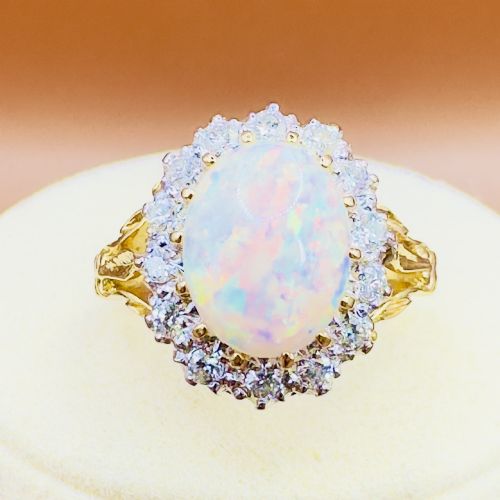
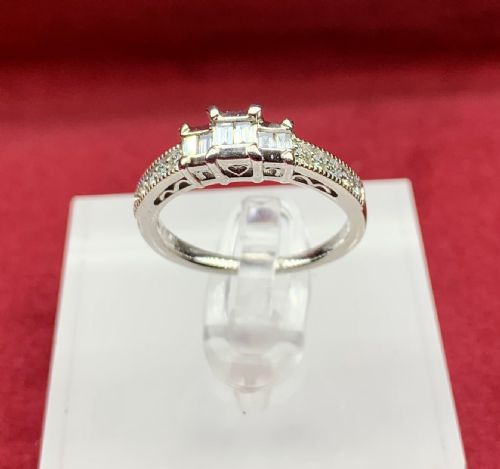
An 18 carat ring represents a significant category of fine jewellery defined by its gold purity and variety of gemstone settings. These pieces range from antique Victorian designs to mid-century modern examples, encompassing both engagement rings and dress rings.
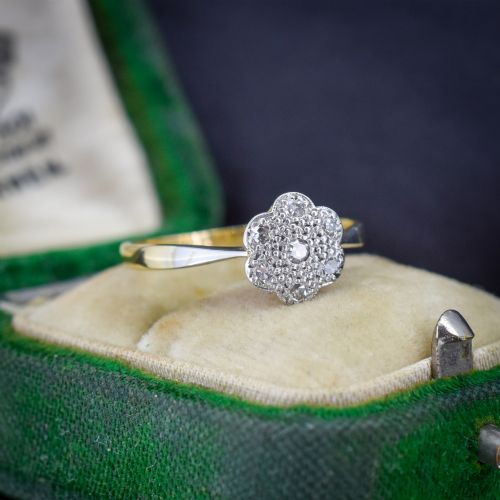
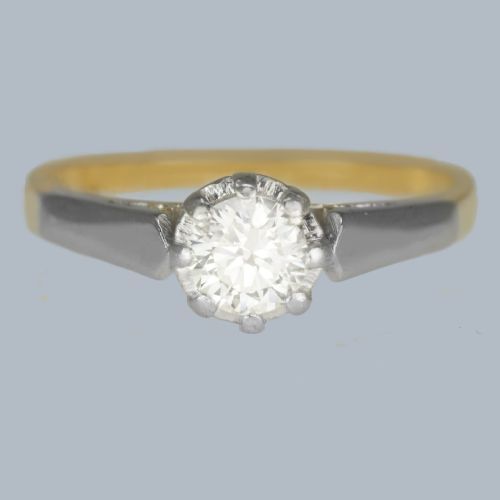
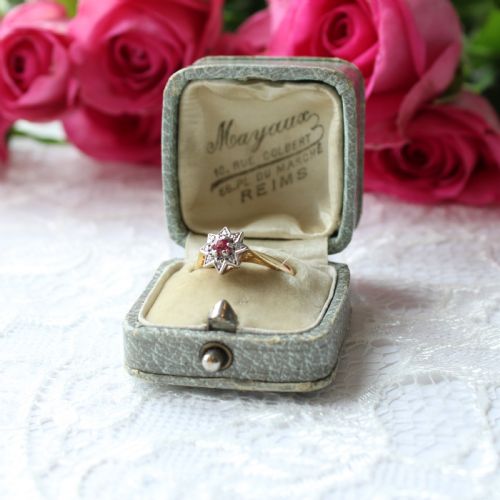
The most common variations encountered on this page include diamond cluster rings, sapphire and diamond combinations, and traditional solitaire designs. Makers utilised yellow gold, white gold, rose gold, and platinum across periods such as the Edwardian era, the Art Deco period, and the mid-twentieth century.
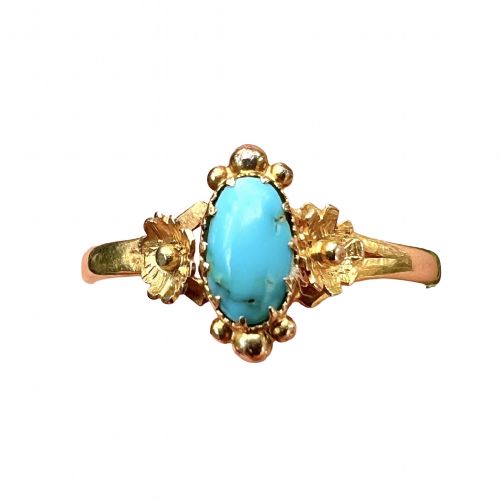
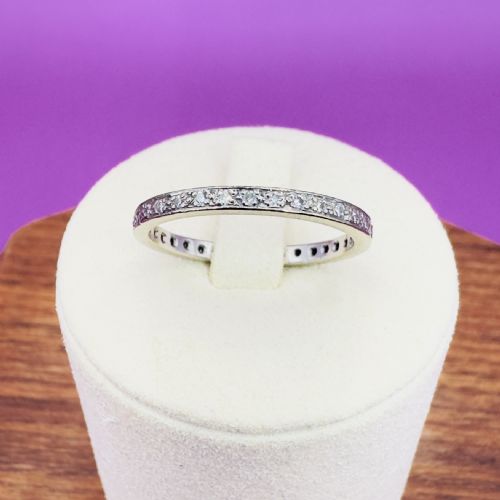
Buyers encounter specific historical forms such as boat rings, gypsy rings, and trilogy twists alongside full and half eternity bands. Each period brings distinct aesthetic choices, from the turquoise floral motifs of the Victorian era to the geometric arrangements of the 1920s.
Materials and construction
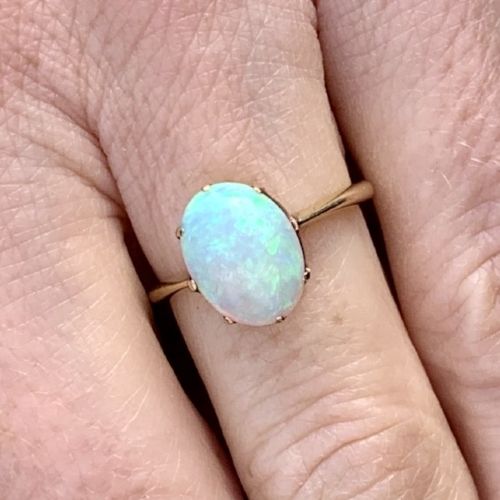
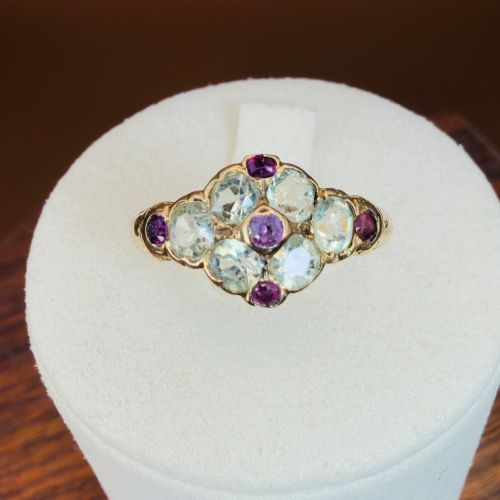
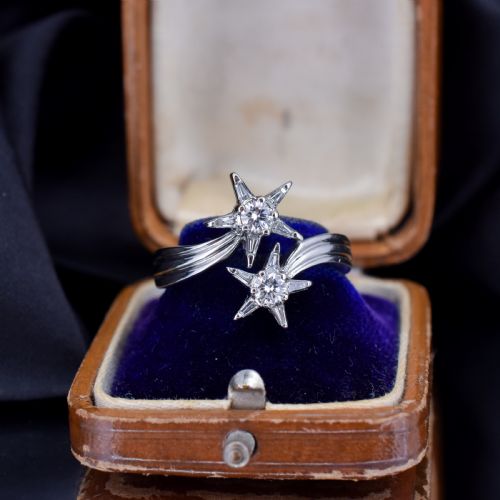
Construction relies heavily upon 18ct yellow, white, and rose gold, frequently paired with platinum for secure stone settings. Goldsmiths mounted diamonds, sapphires, rubies, turquoise, opals, and spinels using claw settings, illusion settings, and flush starburst designs.
Techniques evolved from hand-cut old European and old mine diamonds in nineteenth-century pieces to brilliant-cut stones in later vintage designs. Metalwork ranges from heavy cast shanks with detailed shoulders to delicate cluster arrangements holding multiple smaller gems.
18 Carat Ring Retail Price Guide 2026
Typical asking prices for 18 carat ring among the pieces listed under this phrase on Sellingantiques today, from the lower quarter to the upper quarter. They describe what is for sale here now, not the wider market.
Listings feature pieces spanning the Victorian period, Edwardian era, Art Deco style, and mid-twentieth century in yellow, white, and rose gold.
Quality differences
Quality in these pieces is determined by the fineness of the metalwork, the matching and cut of the set gemstones, and the integrity of the original structure. Superior examples display crisp chasing, secure claw or illusion settings, and stones with good colour and clarity.
Lesser pieces may exhibit worn prongs, replacement stones that disrupt the original design harmony, or thinning shanks resulting from decades of resizing and daily wear.
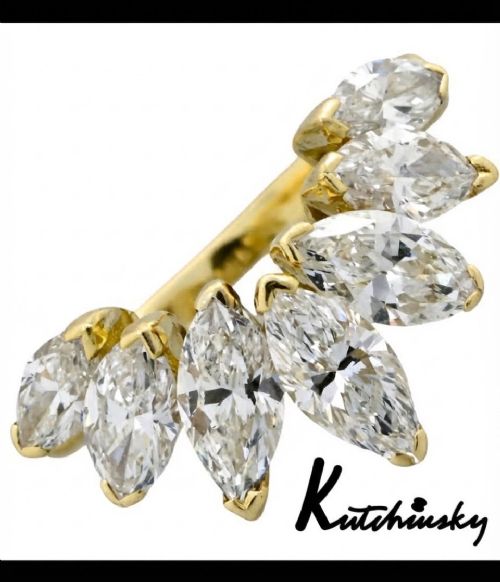
Kutchinsky
The 18 Carat Ring Glossary
- 18ct Gold
- An alloy containing seventy-five percent pure gold mixed with other metals for durability. It provides a rich colour and sufficient strength for stone-set jewellery.
- Cluster Ring
- A design featuring a central gemstone surrounded by a border of smaller stones. This arrangement maximises visual impact and sparkle.
- Old European Cut
- An early form of round diamond cut popular in the nineteenth and early twentieth centuries. It is characterised by a small table, heavy crown, and open culet.
- Gypsy Ring
- A style where stones are flush-set directly into a heavy, tapering band. The smooth surface made it popular for everyday wear in the nineteenth century.
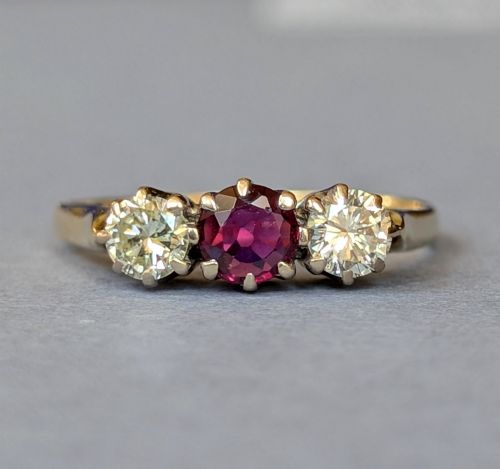
- Trilogy Ring
- A ring set with three stones, traditionally representing the past, present, and future. Diamonds and sapphires are frequently arranged in this manner.
18 Carat Ring: Frequently Asked Questions
How do I identify an 18 carat ring?
Look for British hallmarks stamped inside the shank, which often include a crown or specific numerical marks indicating gold purity. Assay office marks can also help confirm the metal standard.
Assay office stamps and maker marks provide further clues to the origin and date of manufacture. Comparing the weight and colour to standard gold properties assists in verification.
Are these rings suitable for daily wear?
An 18 carat ring offers good durability for everyday use due to the balance of pure gold and alloy metals. However, softer stones like turquoise or opal require extra care.
Gemstones such as diamonds and sapphires withstand daily friction well, but antique settings benefit from periodic checks by a jeweller. Avoiding harsh chemicals preserves the metal and stones.
How do I date an antique ring?
Dating relies upon stylistic markers such as stone cuts, setting techniques, and overall design motifs associated with periods like Victorian or Art Deco. Hallmarks provide definitive year codes.
Victorian pieces often feature closed-back settings or distinct floral motifs, whereas Edwardian rings utilise platinum-topped gold. Examining the construction reveals period manufacturing methods.
What is the difference between white and yellow gold?
White gold is created by alloying pure gold with white metals such as palladium or silver, often plated with rhodium for a bright finish. Yellow gold retains its natural warm colour through copper and silver alloys.
Both varieties maintain the same seventy-five percent gold purity standard. Personal aesthetic preference and skin tone usually guide the choice between white and yellow metal.