





17th Century Flemish Art
These oil paintings, tapestries, and carved panels gather the enduring weight of 17th century flemish art into rooms that demand gravity.
17th Century Flemish Art
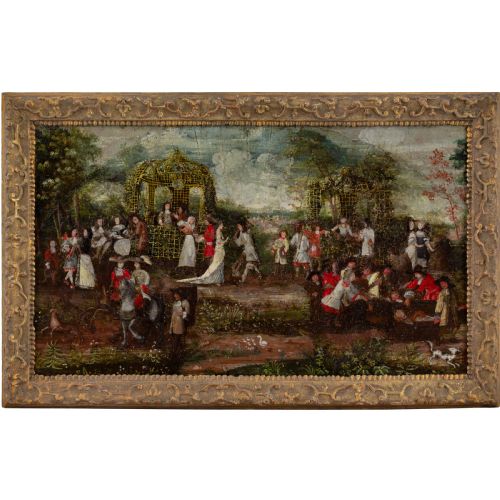
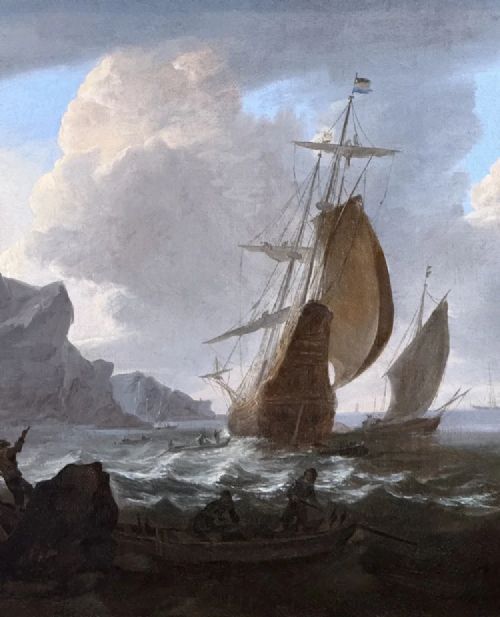
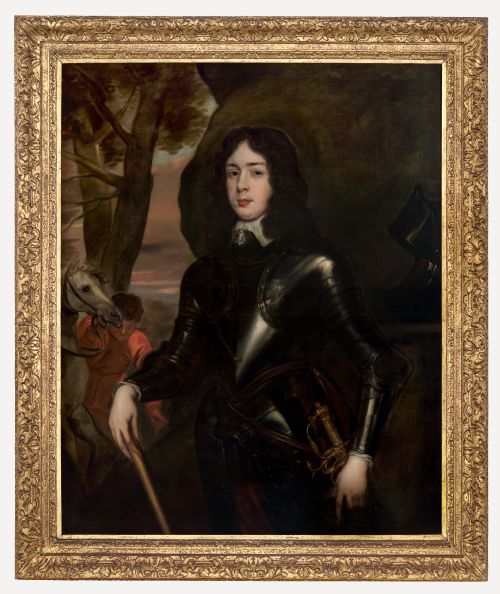
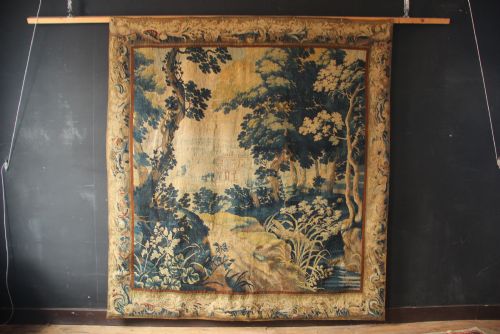
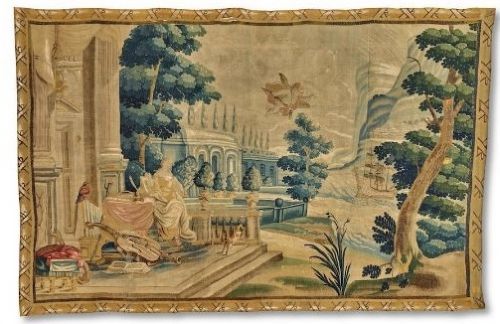
When a buyer investigates 17th century flemish art, they encounter oil paintings on canvas, grand wall hangings, and carved wooden panels originating from the Low Countries during periods of intense Baroque production. The most frequent discoveries on this page are verdure tapestries and oil paintings depicting landscapes, portraits, and genre scenes after established masters.
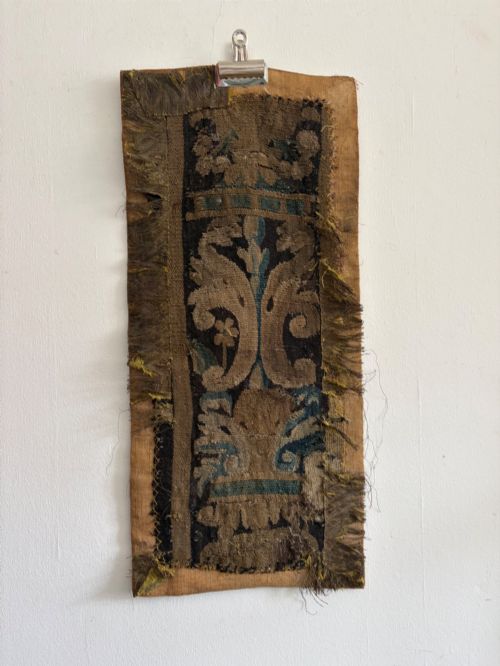
The surviving corpus extends from grand mythological tapestries down to intimate fan leaves and cushion covers. Workshops across the region produced both secular allegories and religious carvings, reflecting the broad reach of Flemish influence across the seventeenth century and beyond.
Materials and construction
Painters worked primarily with oil paint on canvas panels, capturing light through layered pigments while incorporating wood and giltwood for carved elements and frames. Tapestries utilised a combination of wool and silk threads, sometimes mounted afterwards to linen for structural support.
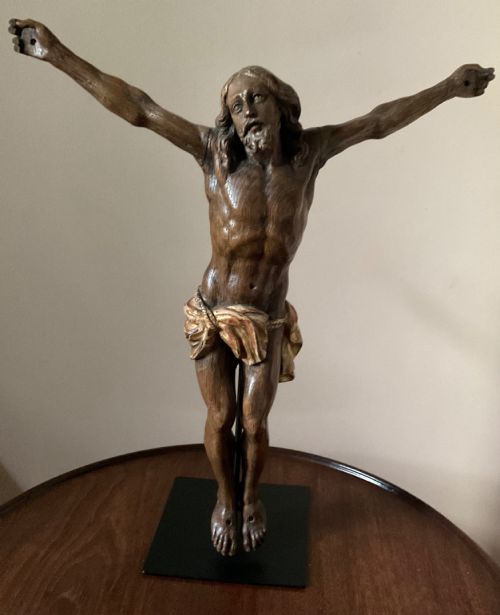
Carved works deployed oak and other dense timbers, shaping relief panels through manual chiselling to depict allegorical figures and religious subjects. Weavers blended dyed woollen and silk yarns to build the deep verdure landscapes and intricate borders characteristic of the workshops.
Several seventeenth century dogs are caught red-handed stealing food from a basket.
Distinctions in quality
Excellence in these works rests upon the precision of the brushwork in the paintings and the density of the weave in the textile pieces. Superior tapestries retain vibrant wool and silk dyes with crisp botanical details, whereas lesser examples suffer from fading or heavy later restoration.
In the realm of carved panels and oil paintings, depth of relief and subtlety of expression separate workshop output from master production. Pieces that maintain their original canvas or uncompromised panel structure hold greater visual coherence.
Bonaventura Peeters·Gaspar Peeter Verbruggen·David Teniers·Frans Snyders·Jan Cossiers·Peter Paul Rubens
The 17th Century Flemish Art Glossary
- Verdure tapestry
- A wall hanging dominated by lush foliage, trees, and landscape elements rather than human figures. These pieces frequently feature birds or small animals hidden among the leaves.
- Baroque
- The dominant artistic style of the seventeenth century characterised by dramatic movement, deep shadow, and grand scale. It manifests in these listings through dynamic compositions and rich emotional intensity.
- Giltwood
- Wood that has been coated with a thin layer of gold leaf or gold paint. It appears commonly on the frames surrounding oil paintings from this period.
- Corpus Christi
- A sculptural representation of the body of Jesus Christ on the cross. These carved wooden items reflect the devotional output of the period.
- Genre painting
- Artwork depicting scenes from everyday life, such as village gatherings, musicians, or domestic interiors. These works often carry subtle moral or narrative meanings.
17th Century Flemish Art: Frequently Asked Questions
What subjects appear in these paintings?
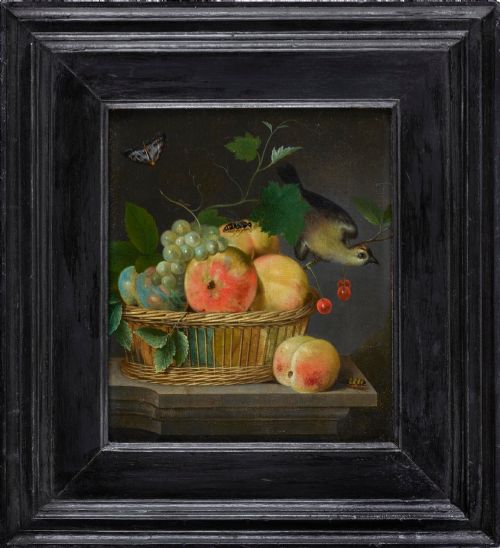
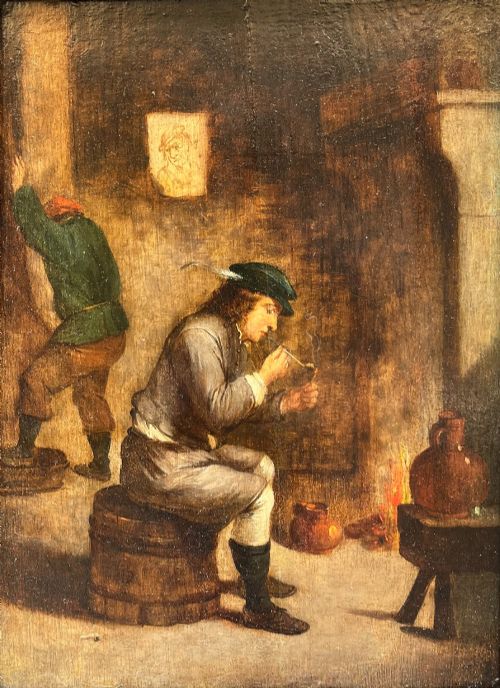
The canvases depict portraits of nobility and officers alongside genre scenes of musicians and rural life. Still lifes featuring fruit and game birds also recur frequently across the selection.
Religious allegories and mythological narratives complete the painted subjects, often rendered in the manner of prominent Flemish masters.
How were verdure tapestries used?
Historically, large tapestries hung on stone chamber walls to insulate rooms against cold draughts while displaying wealth and status. Smaller fragments and cushion covers served to decorate furniture or smaller domestic spaces.
Today, these textiles function as major wall art, requiring careful mounting to linen or support rails to protect the old wool and silk fibres.
How should I care for these textiles?
Tapestries and textile art demand protection from direct sunlight to prevent the silk and wool threads from fading and weakening over time. Gentle, professional vacuuming through a mesh screen helps remove dust without disturbing the weave.
Avoid hanging heavy wall pieces in damp environments to protect the organic fibres and any secondary linen backings.