





1700s Oil Painting
These 1700s oil painting works capture centuries of portraiture and landscape through layered pigments.
1700s Oil Painting
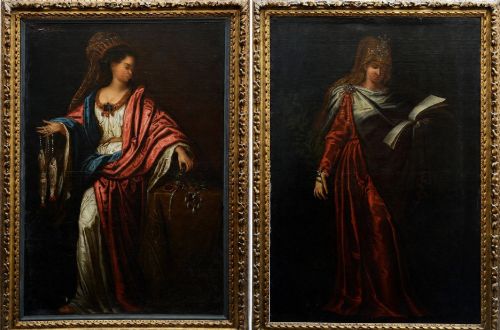
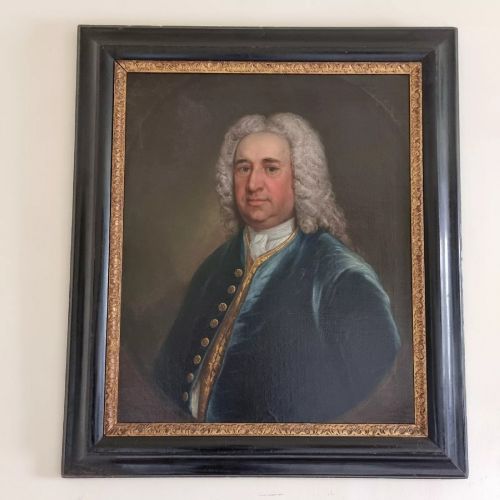
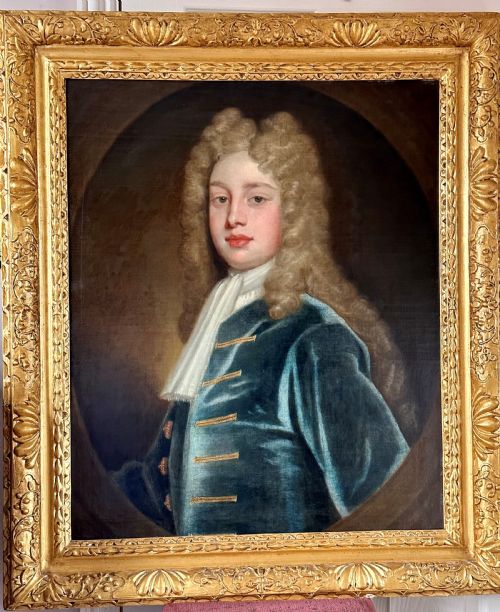
When searching for a 1700s oil painting, collectors encounter portraiture and fine art works originating from the eighteenth and seventeenth centuries. These pieces record historical figures, gentlemen, and family members through classical artistic traditions.
The selections on this page span French School compositions, British portraits, and Indian-painted works by named artists. Portrait miniatures and framed wall art dominate the available forms.
Subjects range from noble figures in armour to clergymen and ladies of the period. Each canvas preserves the aesthetic codes of Georgian and Baroque movements.
Materials and construction
These works utilise oil on canvas as the primary medium, applied by hand to stretched textile supports. Wood and giltwood frames enclose the paintings, often featuring carved or gilded decorative borders.
Artists of the period employed layered oil pigments to build depth in clothing, skin tones, and background drapery. Pigments adhered to linen or canvas grounds prepared with traditional priming layers.
1700s Oil Painting Retail Price Guide 2026
Typical asking prices for 1700s oil painting among the pieces listed under this phrase on Sellingantiques today, from the lower quarter to the upper quarter. They describe what is for sale here now, not the wider market.
Listings feature works from the 17th and 18th centuries, utilising oil on canvas, wood, and giltwood frames.
Quality factors in early paintings
The standard of a 1700s oil painting rests upon the execution of the brushwork and the clarity of the sitter's depiction. Works attributed to documented masters or established studios display superior anatomical precision and pigment preservation.
The integrity of the original canvas support and the survival of the period giltwood frame influence the overall preservation state. Finer examples retain their initial surface texture without excessive later restoration.
Joseph Vivienne·Arthur William Devis·Sir Godfrey Kneller·Andrea Soldi·Bartholomeus Van Burgindis
The 1700s Oil Painting Glossary
- Oil on canvas
- A painting medium where pigments are suspended in a drying oil and applied to a woven fabric support. This combination allowed artists to blend tones smoothly and achieve rich luminosity.
- Giltwood
- Wood that has been coated with a thin layer of gold leaf or gold powder. This material frequently frames historic artworks to provide an ornate, reflective border.
- Baroque
- An artistic style prevalent during the seventeenth and eighteenth centuries characterised by drama, rich detail, and deep chiaroscuro. Works in this manner emphasise movement and grandeur.
- Georgian
- The period of British history covering the reigns of the four Georges, spanning much of the eighteenth century. Fine art from this era reflects classical proportions and society portraiture conventions.
- Portrait miniature
- A small, highly detailed painting, often executed on a compact surface such as ivory or prepared card. These intimate works were designed to be carried or worn.
1700s Oil Painting: Frequently Asked Questions
How do I identify a 1700s oil painting?
Examine the canvas preparation, stretcher construction, and pigment ageing characteristic of the period. Stylistic cues in costume and hair also help date the work.
Attributions or signatures recorded on the reverse or within the composition provide further historical context.
Were these paintings always framed in giltwood?
Many works from this era were housed in carved wooden frames finished with gold leaf. These surrounds complemented the status of the subjects portrayed.
Some frames are original to the canvas, while others were matched at a later date.
What subjects are common in these paintings?
Portraiture dominates the selection, depicting gentlemen, ladies, and military figures of the era. Classical mythology and distant landscapes also appear.
Commissioned portraits served to record lineage and personal status for families.
How should I care for an antique canvas?
Keep the painting away from direct sunlight, high humidity, and rapid temperature fluctuations. Environmental stability protects the oil pigment and canvas support.
Professional conservators should handle any cleaning or structural repair required over time.