6,454  PAGES BROWSED TODAY PAGES TODAY 0  ANTIQUES UPLOADED TODAY NEW ARRIVALS
ID #SA951678
FOR SALE
£12,500
Email
Save
17th Century Oil Painting Portrait King Charles 1st Circa Henry Stone
Cheshire Antiques Consultant Ltd
for sale €14,625     $15,875
£12,500
Cheshire Antiques Consultant Ltd

Cheshire Antiques Consultant Ltd

Sellingantiques Verified Since Jan 2021
View Dealers Stock Page
  • About Us
    Source the historic in 17th, 18th, 19th & 20th century fine arts, painting, sculptures & collectibles
Id #SA951678
PDF SHARE
SAVE

17th Century Oil Painting Portrait King Charles 1st Circa Henry Stone

17th century
Description

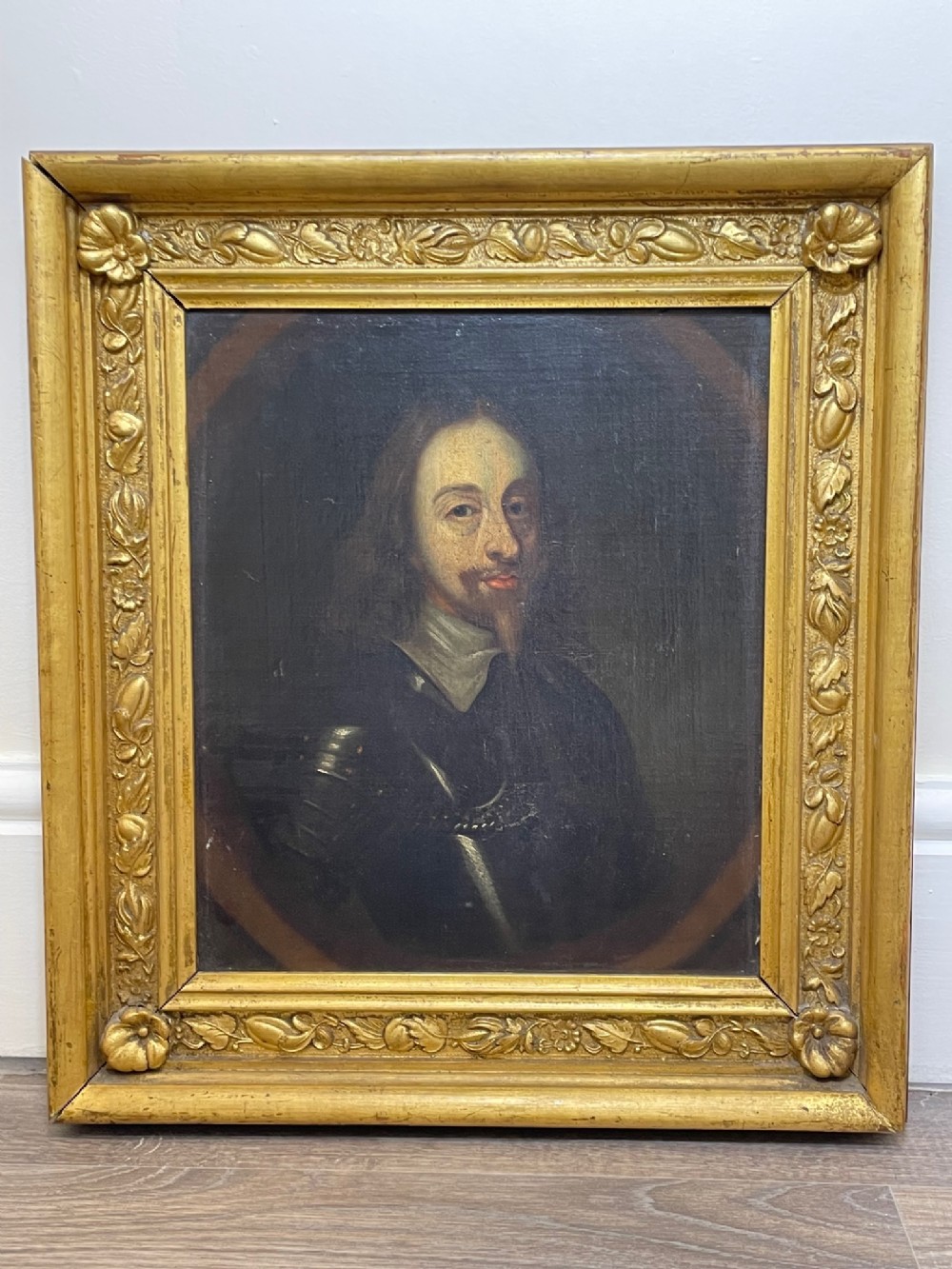
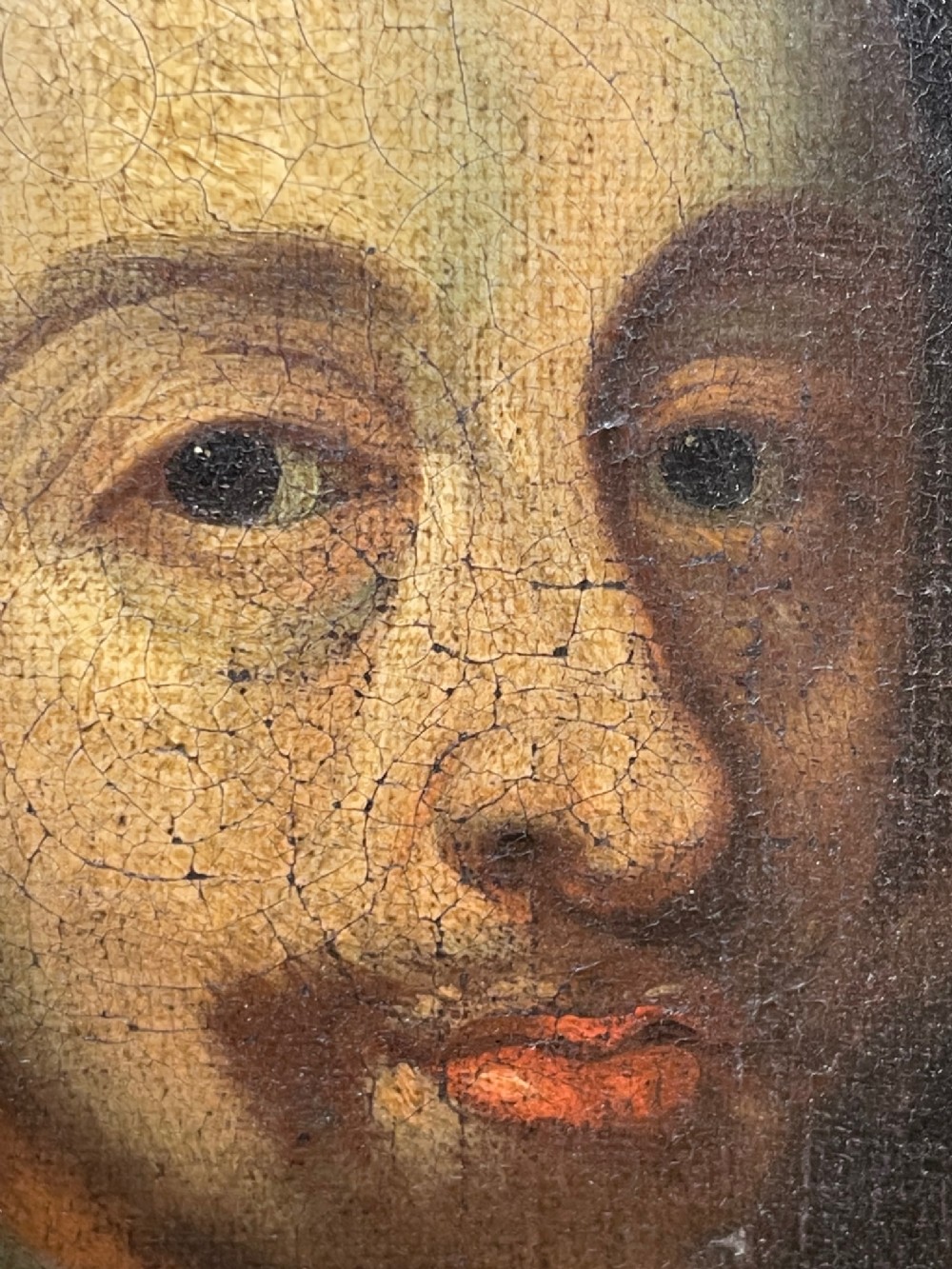
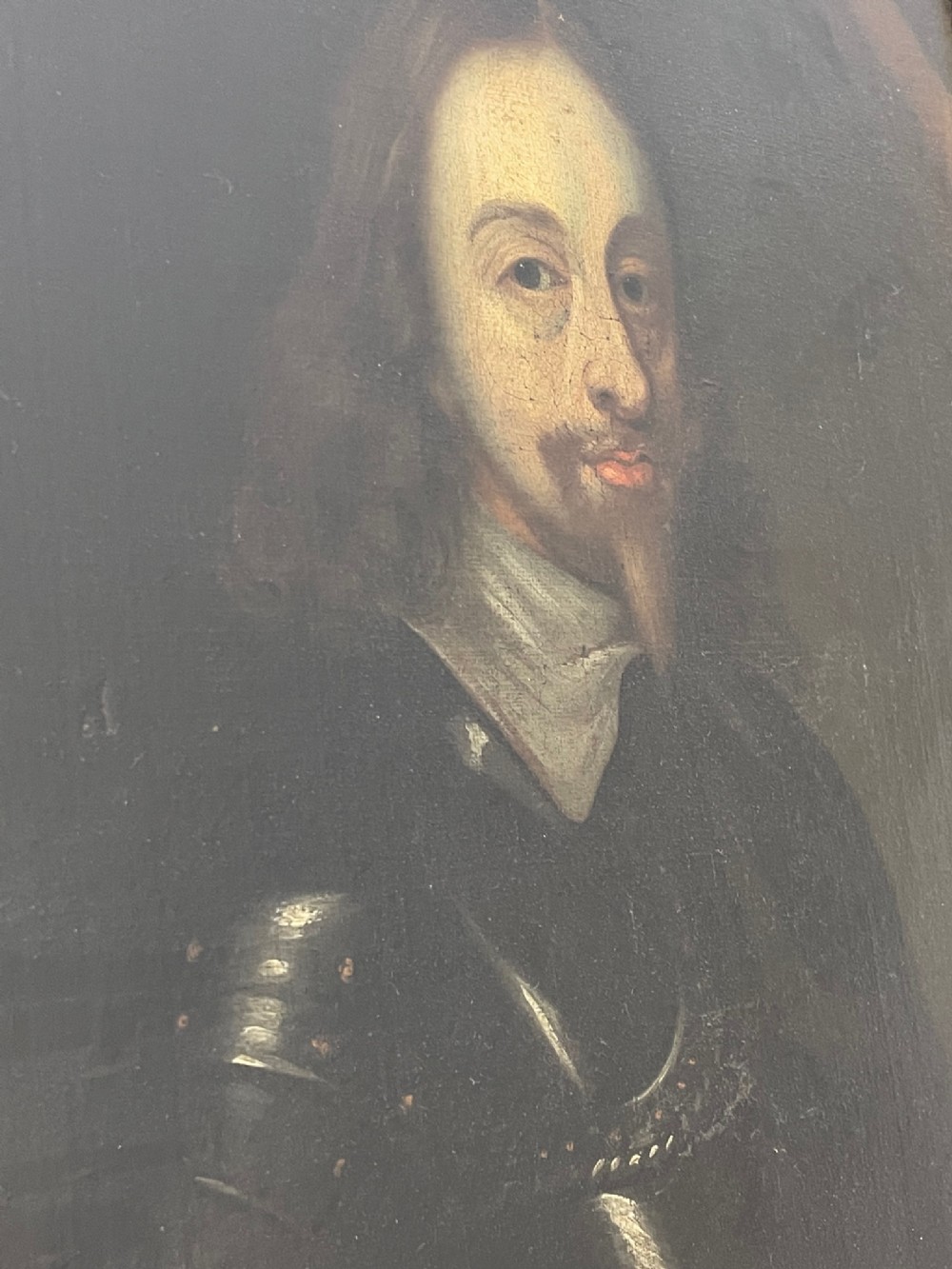
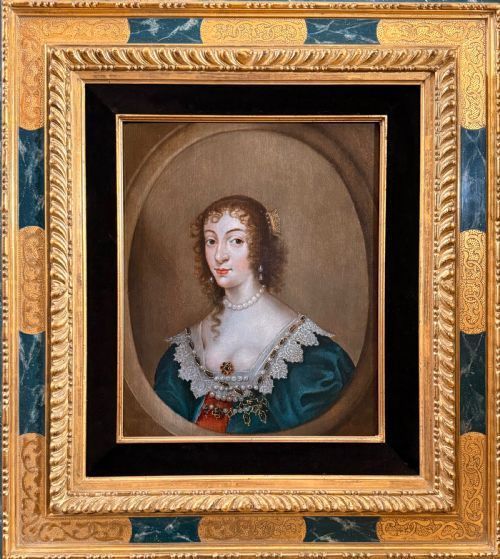
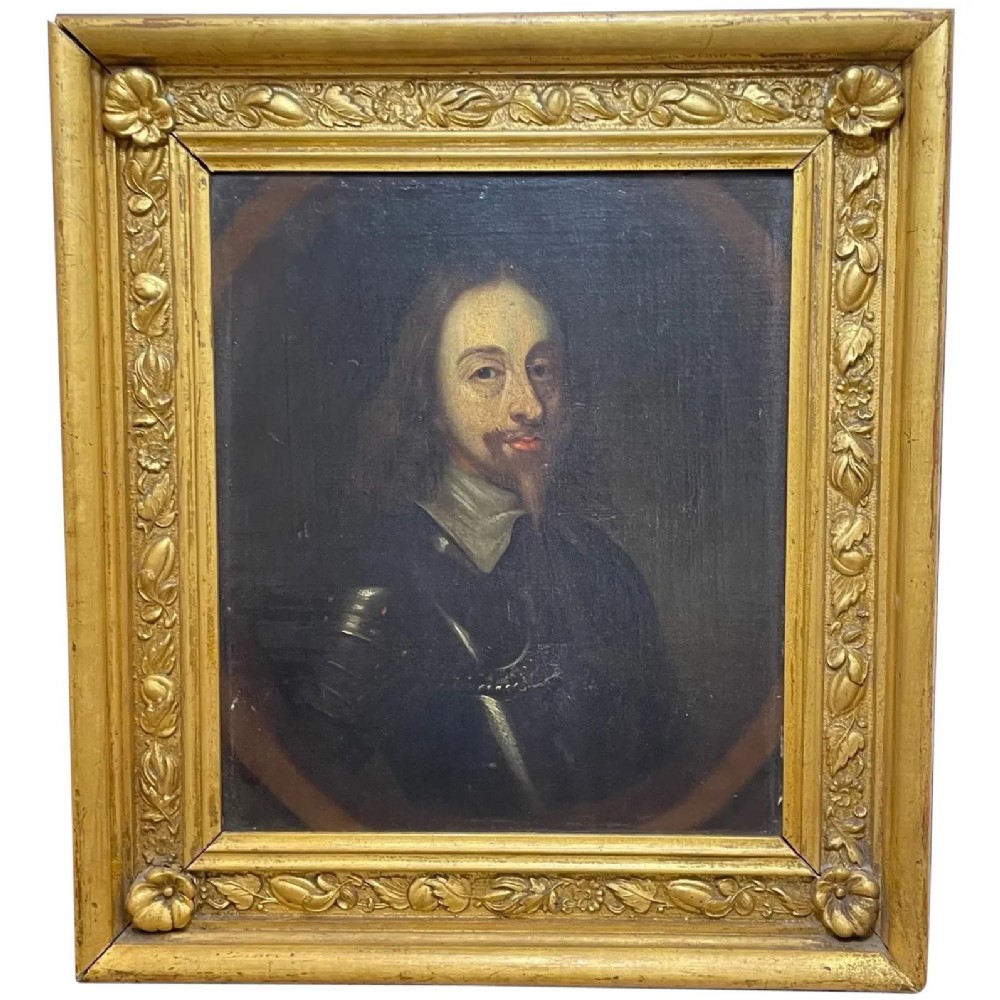
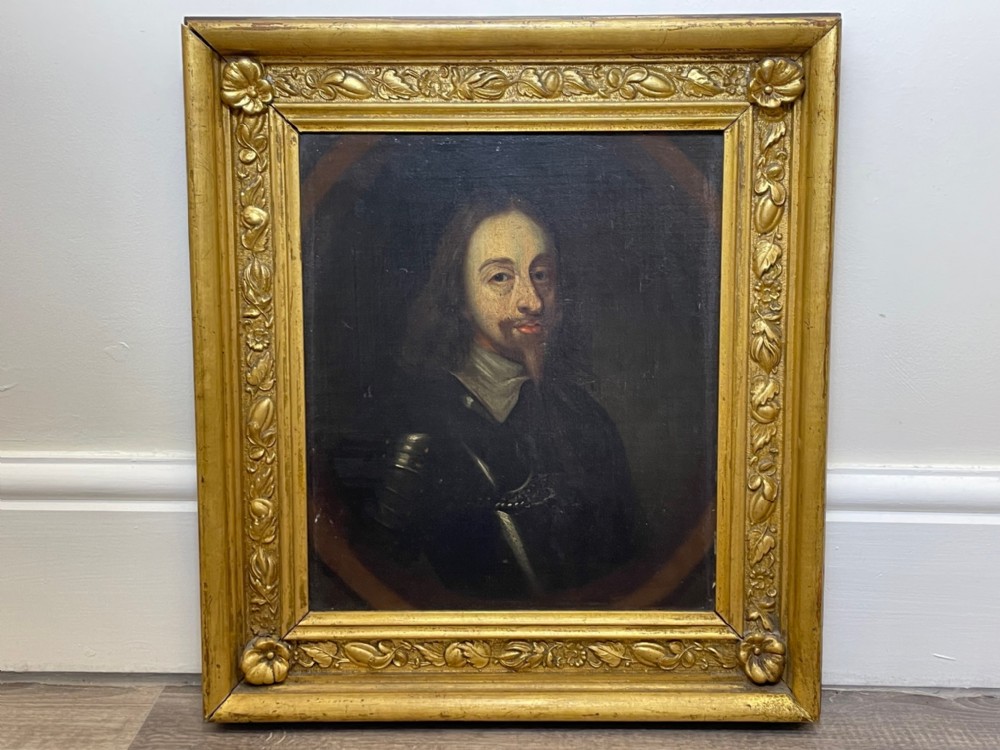
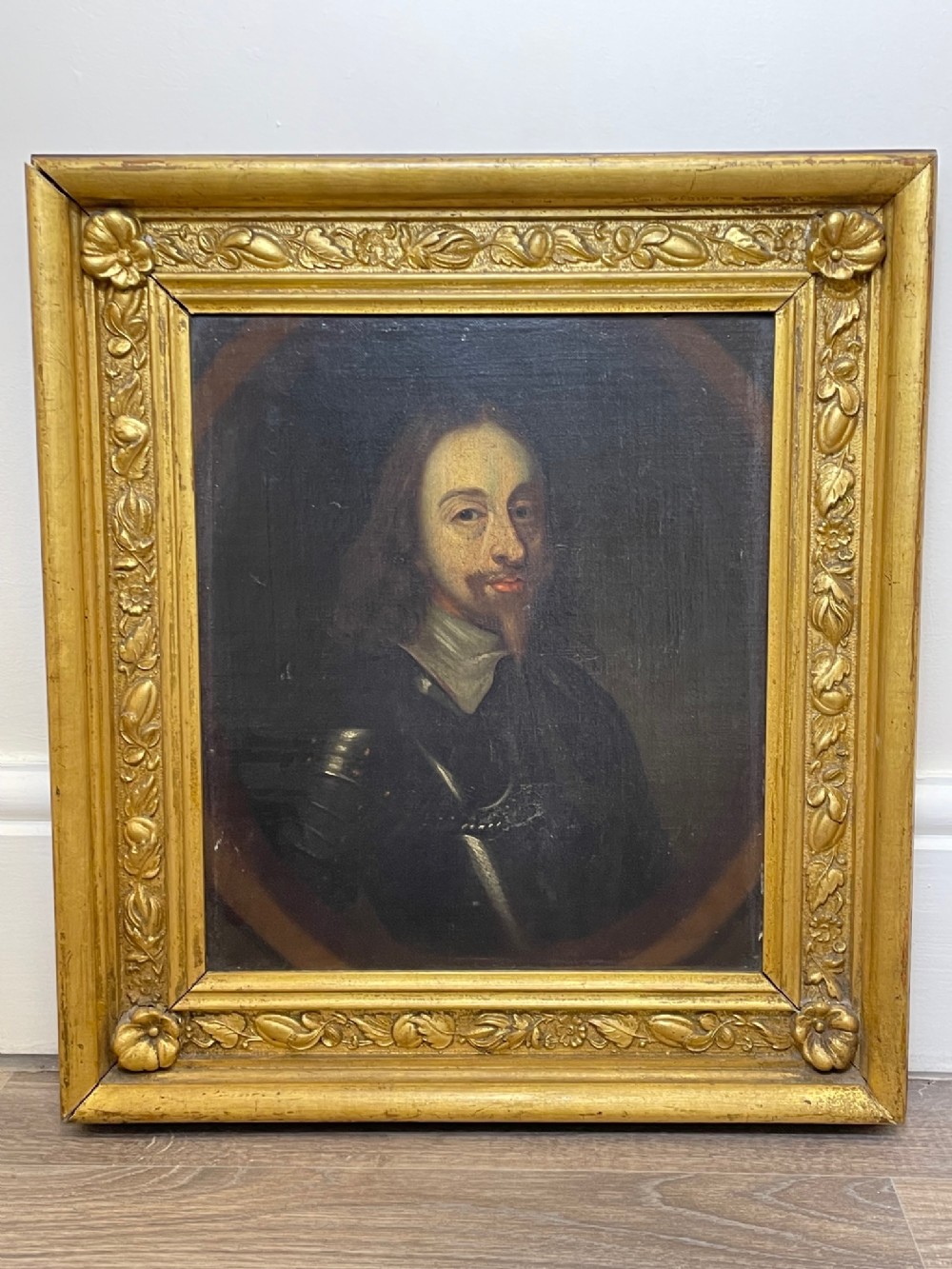
1 Fine British Old Master Work Of Art Antique 17th Century Oil Painting Portrait King Charles 1st Circle of Henry Stone

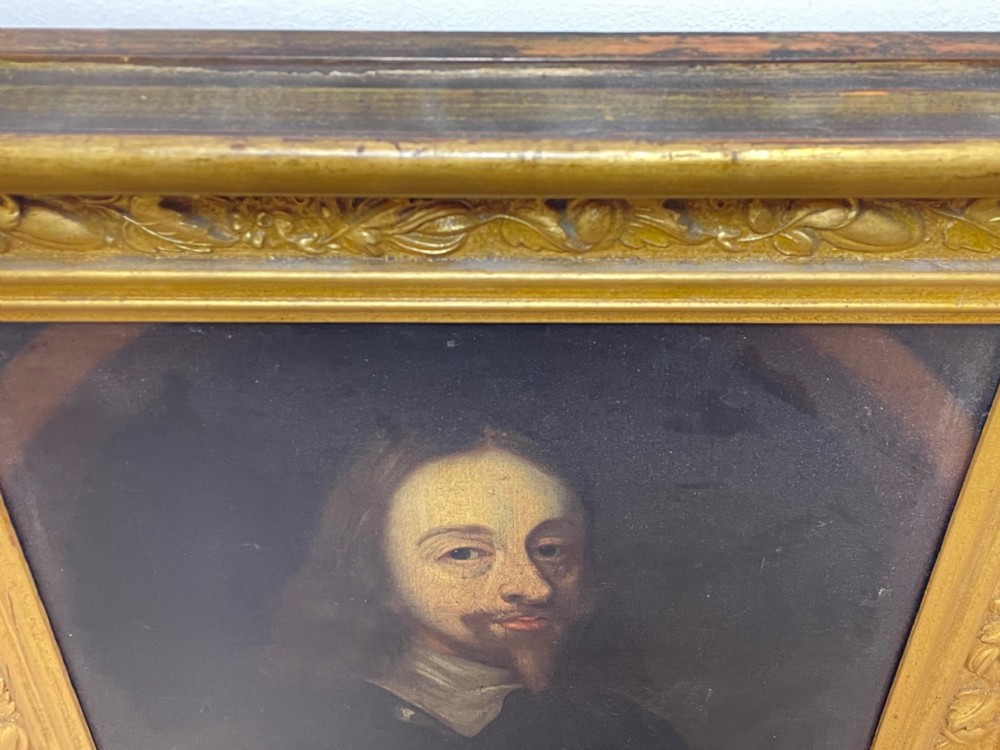
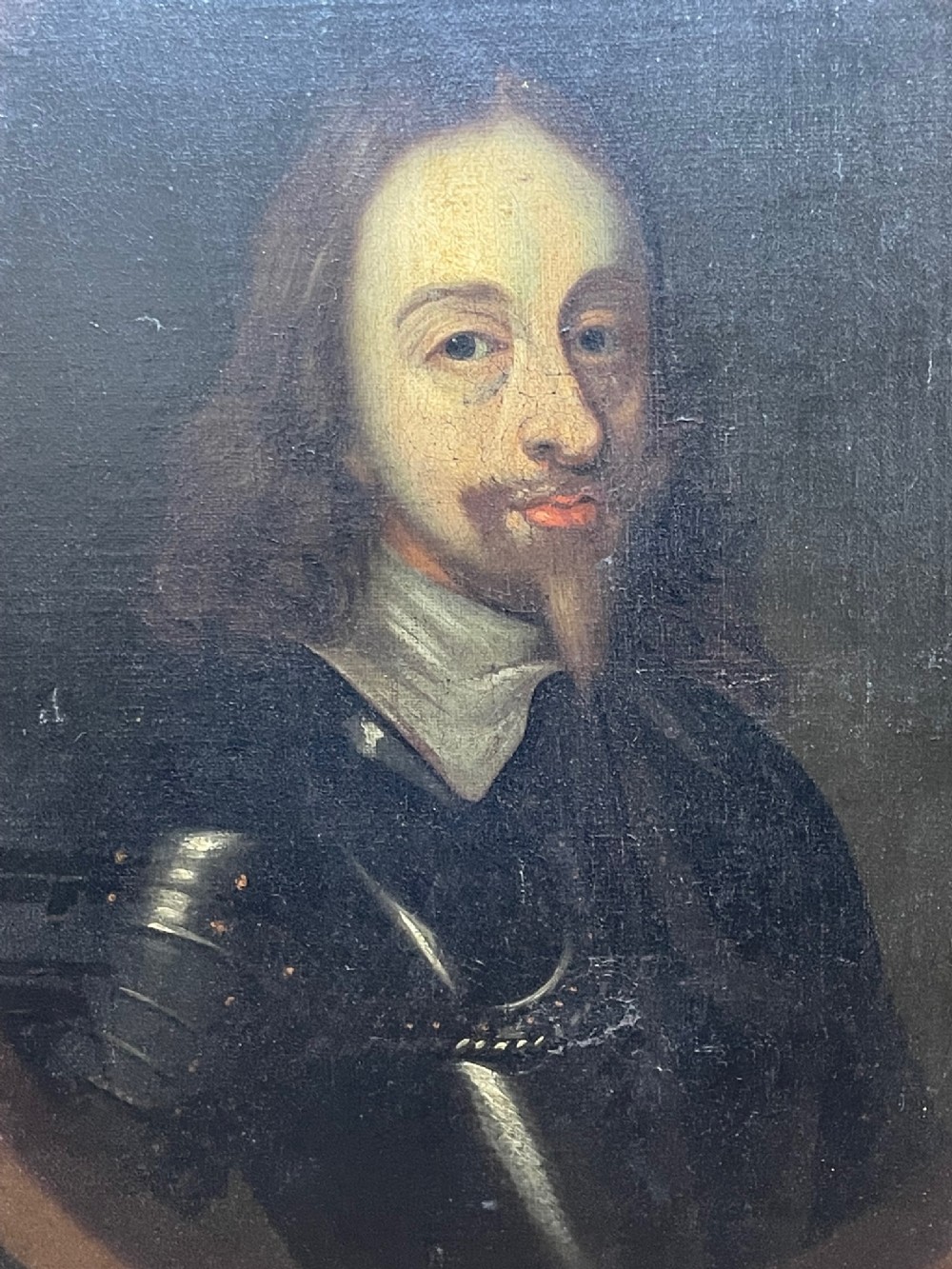
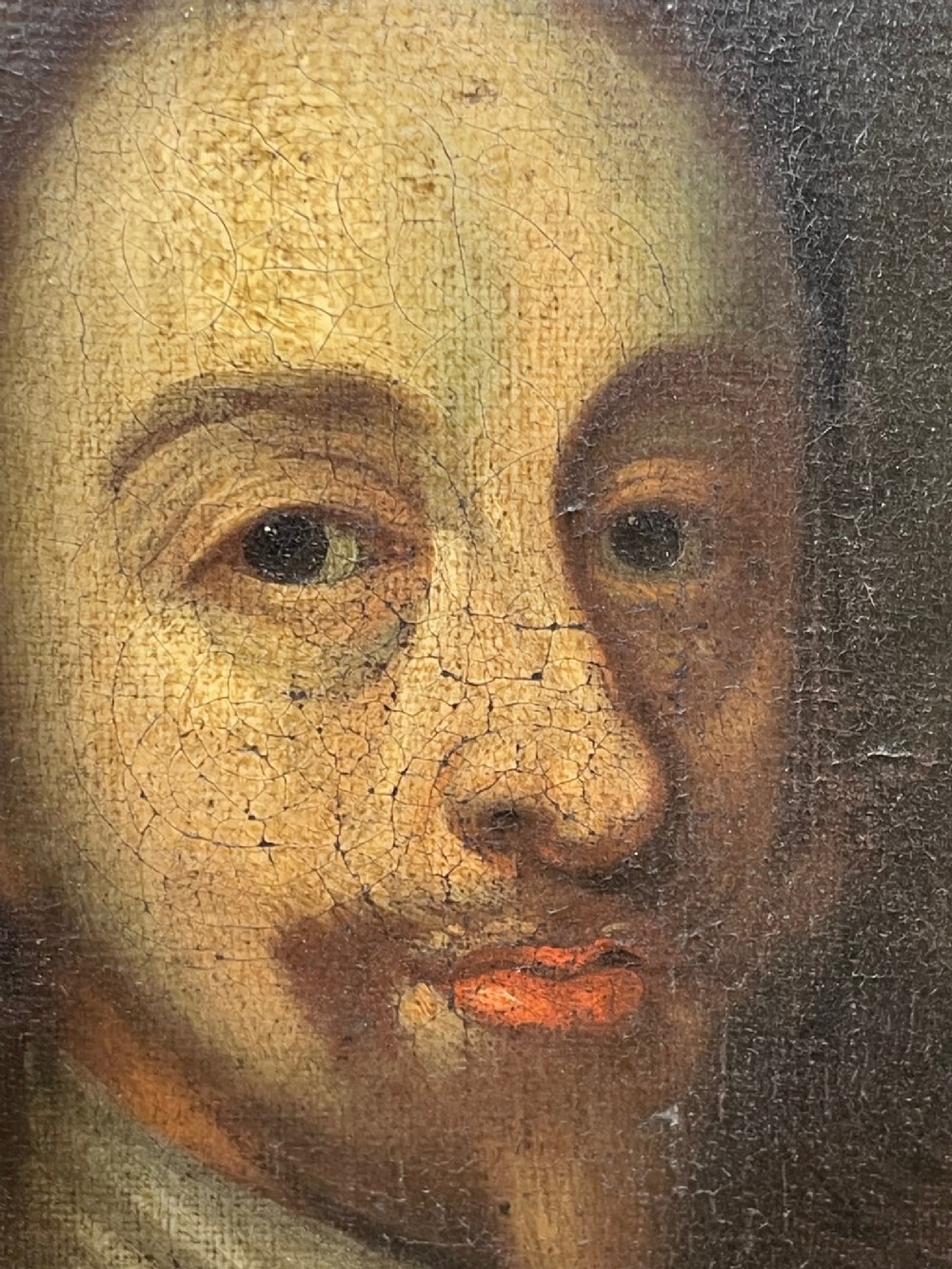
Half length front profile view portrait which depicts Englands famous Royal Charles 1st. Wearing his armour he is looking towards the viewer projecting confidence and high status authority power in his pose at the peak of his powers.
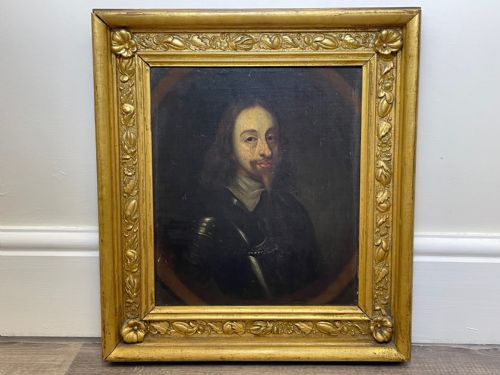
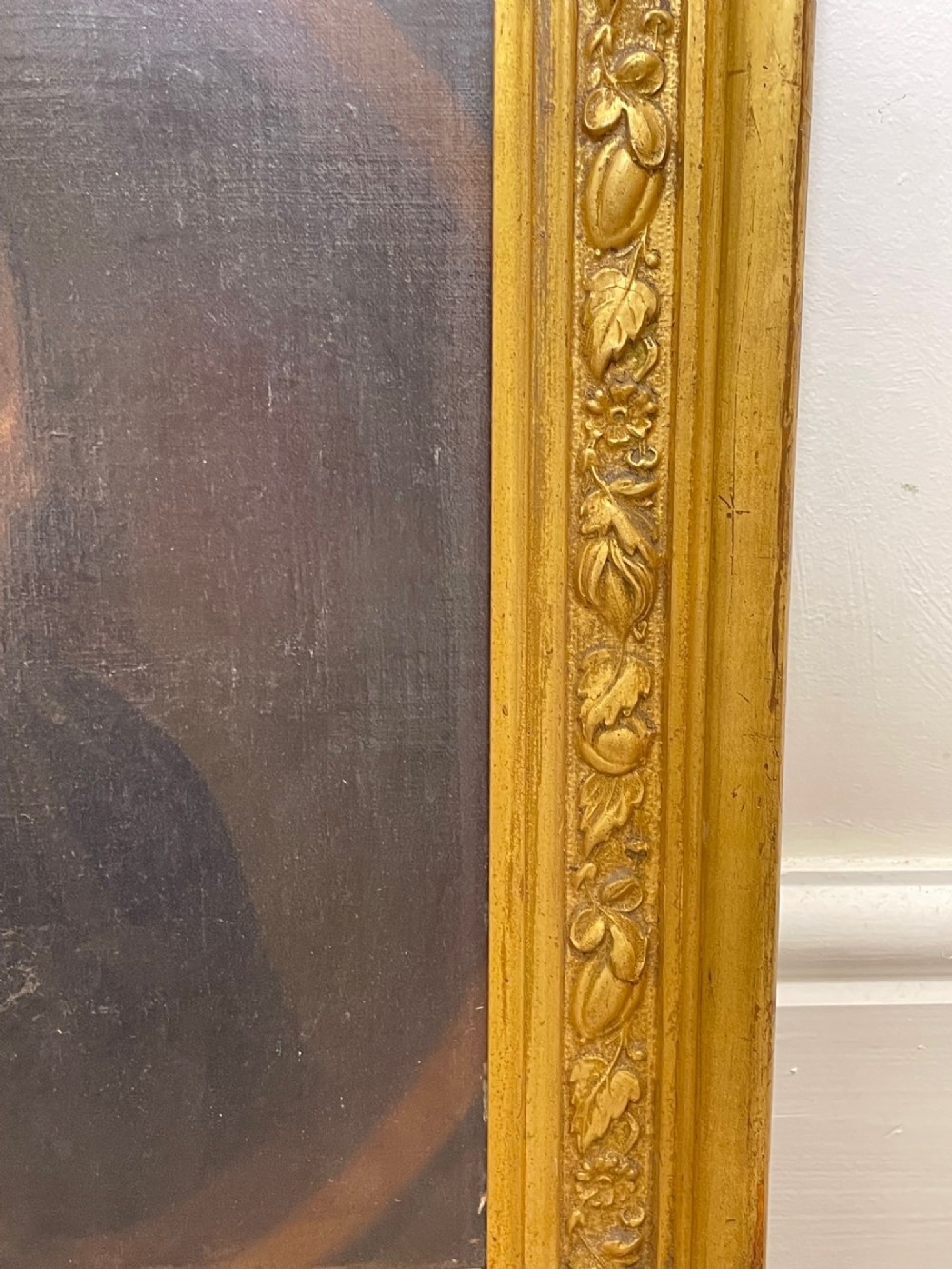
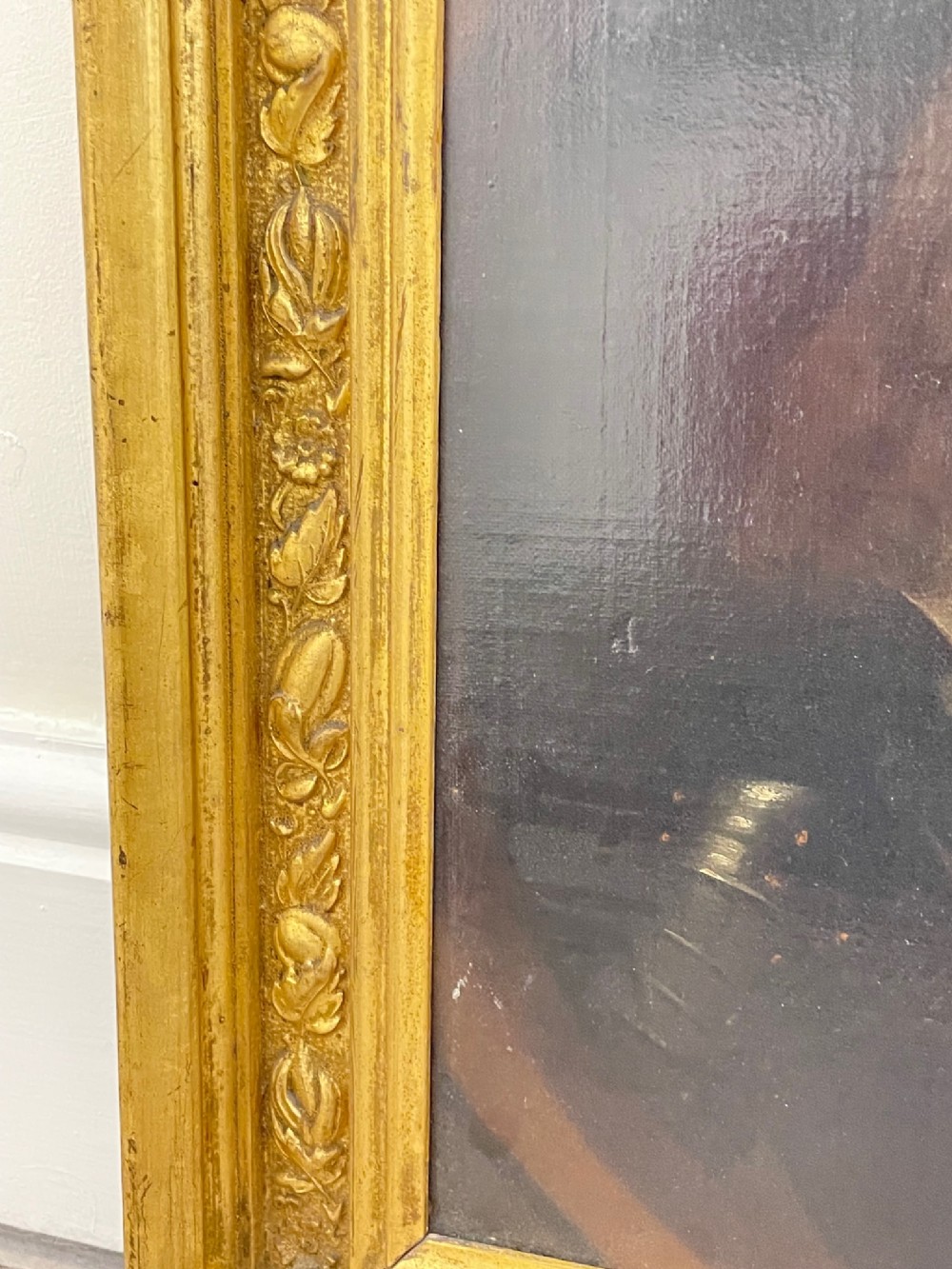
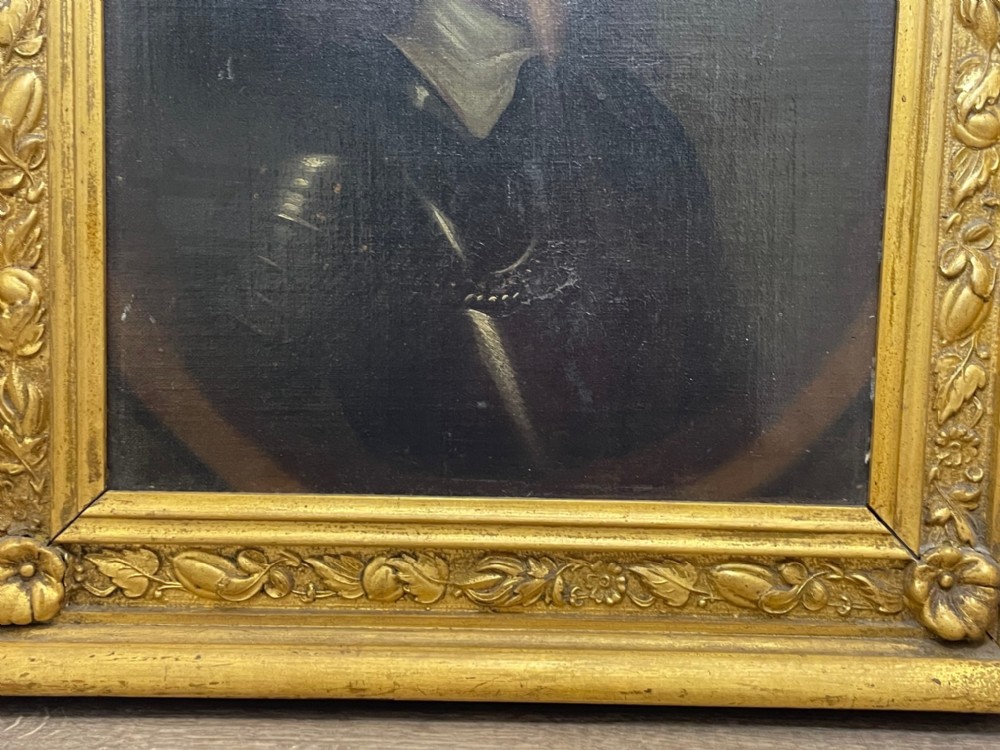
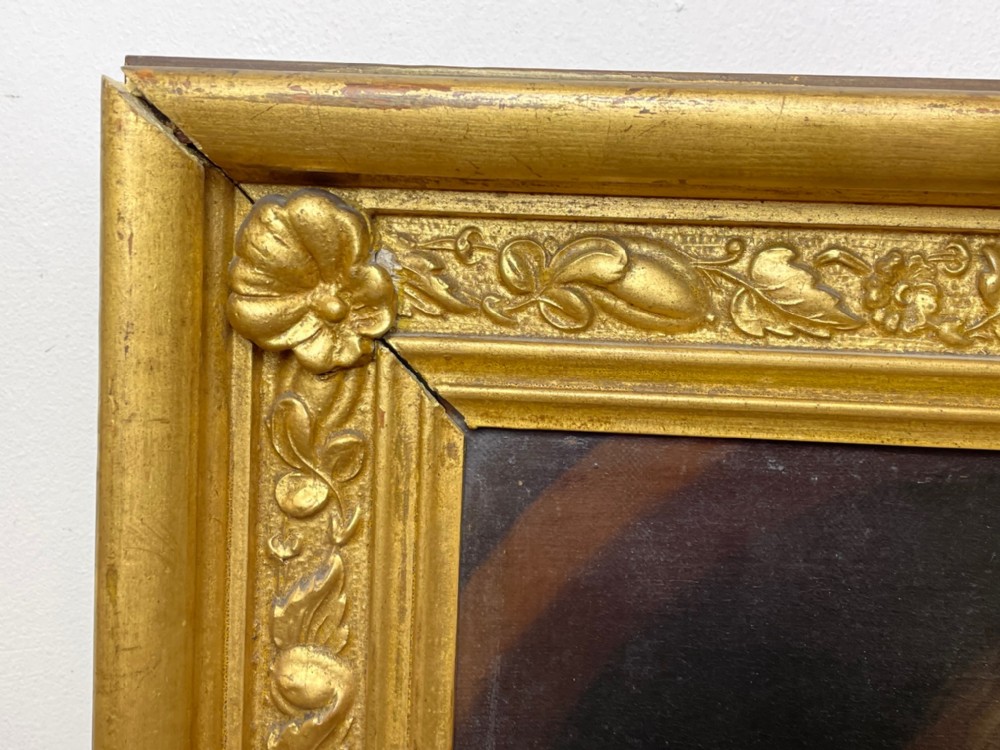
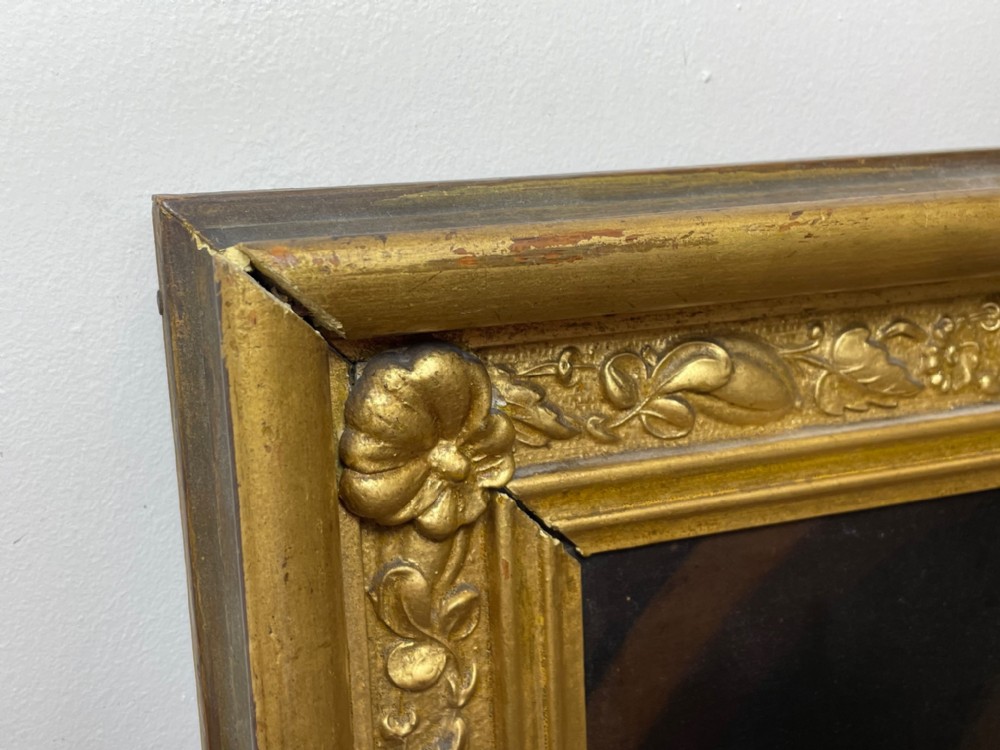
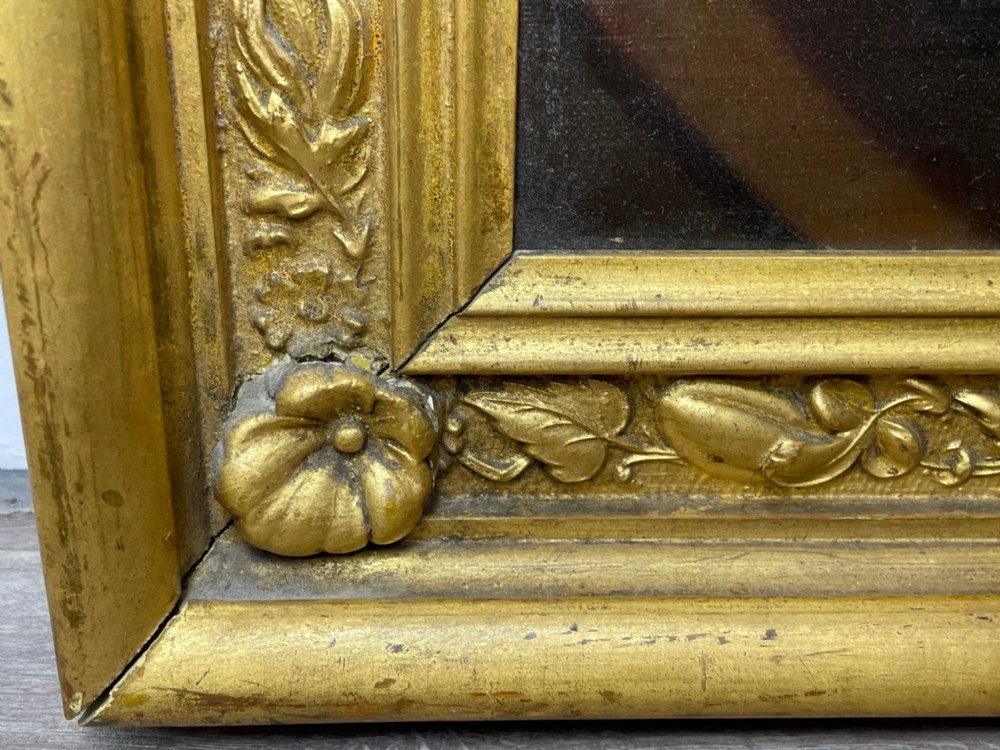
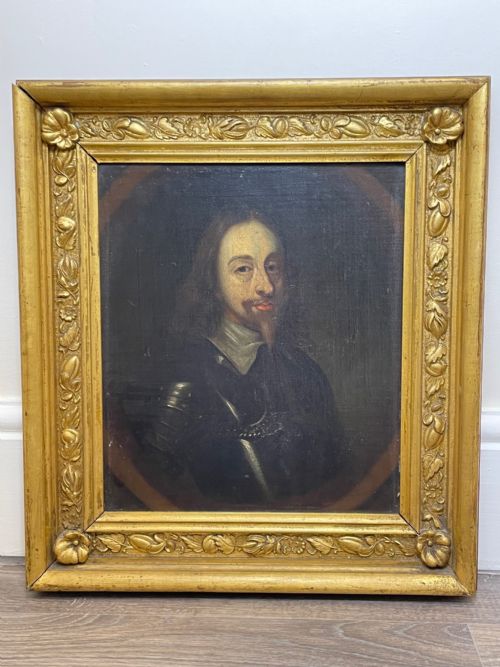
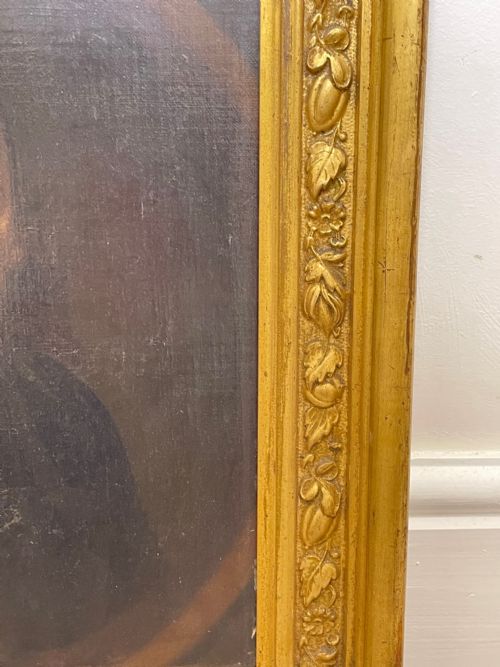
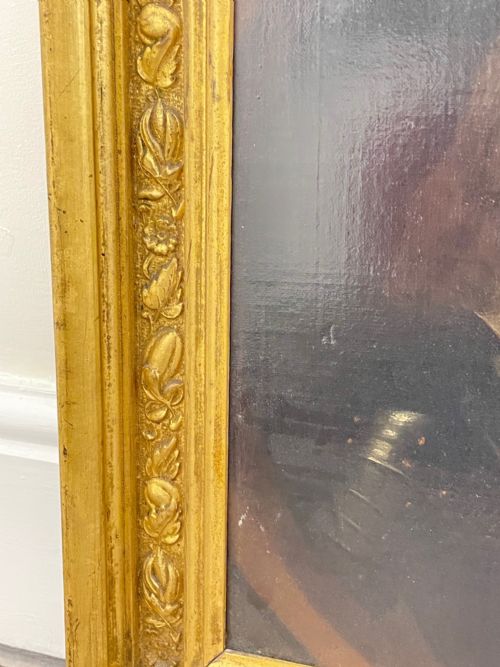
Presented in a later decorative composite gilt frame which complements the painting a fabulous statement piece interior wall hanging decoration.

A practical display size being 49.5cm height of the frame.
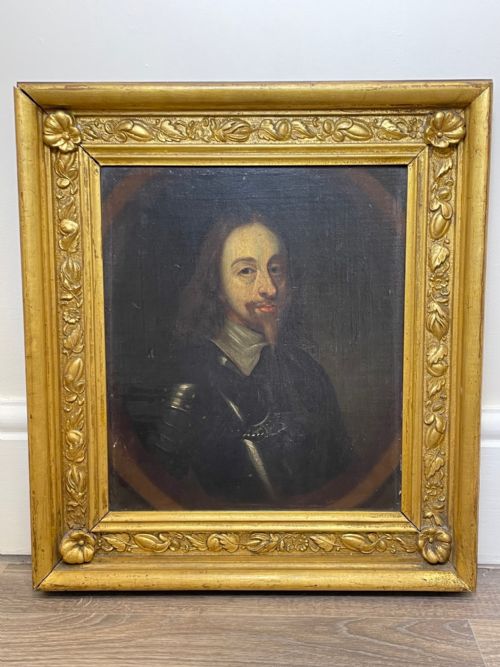
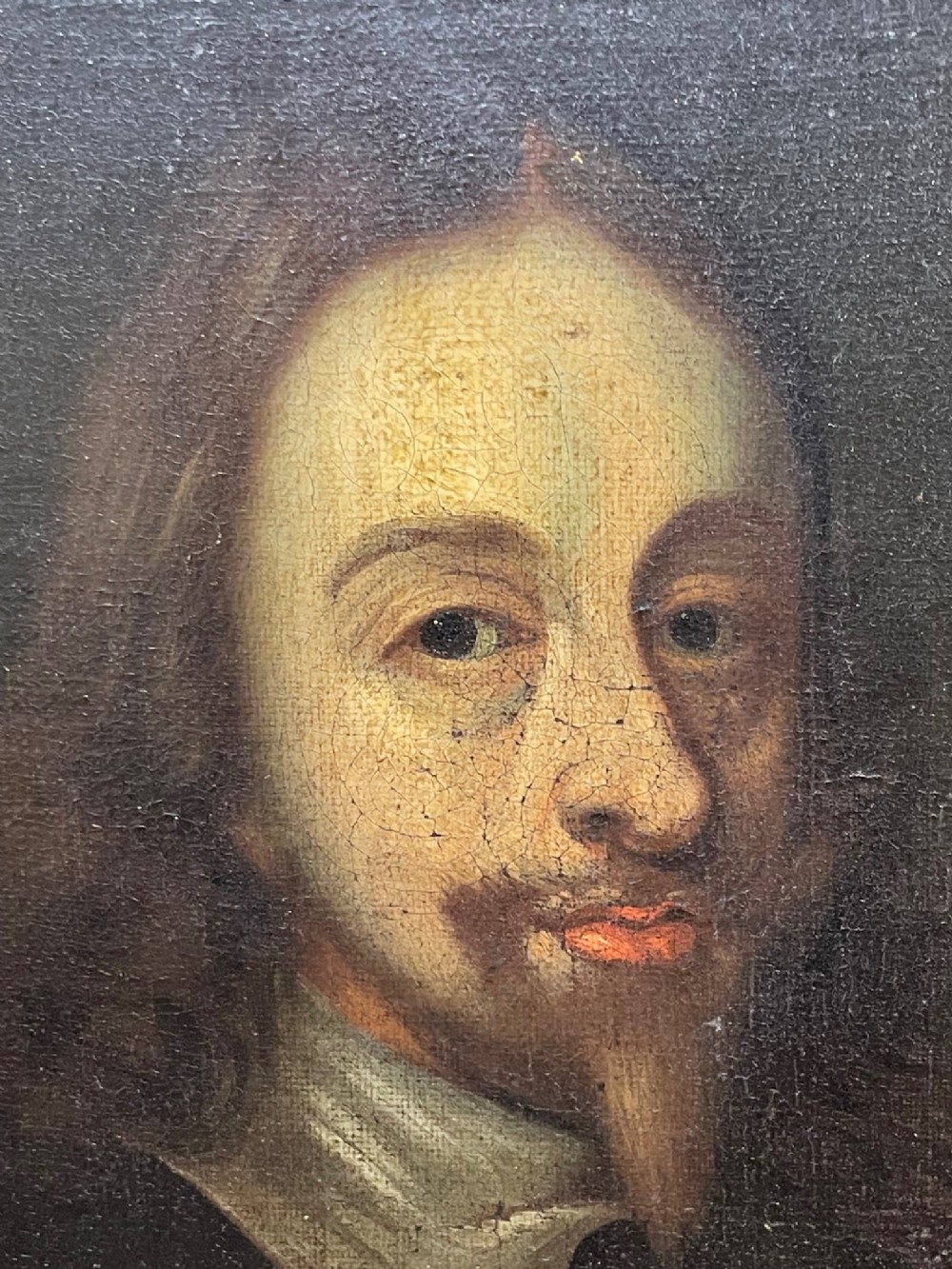
Oil on canvas.

Unsigned.Circle of Henry Stone. Verso there is an old label inscribed "Old Stone"

Hanging thread on the back ready for home display.

Circa late 17th century.

So collectible and highly sought after.
KING CHARLES 1st (19 November 1600 – 30 January 1649) was King of England, Scotland, and Ireland from 27 March 1625 until his execution in 1649. He was born into the House of Stuart as the second son of King James VI of Scotland, but after his father inherited the English throne in 1603, he moved to England, where he spent much of the rest of his life. He became heir apparent to the kingdoms of England, Scotland, and Ireland in 1612 upon the death of his elder brother, Henry Frederick, Prince of Wales. An unsuccessful and unpopular attempt to marry him to the Spanish Habsburg princess Maria Anna culminated in an eight-month visit to Spain in 1623 that demonstrated the futility of the marriage negotiation. Two years later, he married the Bourbon princess Henrietta Maria of France.
After his 1625 succession, Charles quarrelled with the English Parliament, which sought to curb his royal prerogative. He believed in the divine right of kings, and was determined to govern according to his own conscience. Many of his subjects opposed his policies, in particular the levying of taxes without parliamentary consent, and perceived his actions as those of a tyrannical absolute monarch. His religious policies, coupled with his marriage to a Roman Catholic, generated antipathy and mistrust from Reformed religious groups such as the English Puritans and Scottish Covenanters, who thought his views too Catholic.
He supported high church Anglican ecclesiastics and failed to aid continental Protestant forces successfully during the Thirty Years' War. His attempts to force the Church of Scotland to adopt high Anglican practices led to the Bishops' Wars, strengthened the position of the English and Scottish parliaments, and helped precipitate his own downfall.
From 1642, Charles fought the armies of the English and Scottish parliaments in the English Civil War. After his defeat in 1645 at the hands of the Parliamentarian New Model Army, he fled north from his base at Oxford. Charles surrendered to a Scottish force and after lengthy negotiations between the English and Scottish parliaments he was handed over to the Long Parliament in London. Charles refused to accept his captors' demands for a constitutional monarchy, and temporarily escaped captivity in November 1647. Re-imprisoned on the Isle of Wight, he forged an alliance with Scotland, but by the end of 1648, the New Model Army had consolidated its control over England. Charles was tried, convicted, and executed for high treason in January 1649. The monarchy was abolished and the Commonwealth of England was established as a republic. The monarchy was restored to Charles's son Charles II in 1660.
ABOUT: SIR ANTHONY VAN DYCK (22 March 1599–9 December 1641)

Flemish Baroque artist who became the leading court painter in England, after enjoying great success in Italy and Flanders. He is most famous for his portraits of Charles I of England and his family and court, painted with a relaxed elegance that was to be the dominant influence on English portrait-painting for the next 150 years.

Henry Stone (1616 – 24 Aug 1653), kn

Physical Dimensions
Height
49.5cm (19.49")
Width
44.5cm (17.52")
Depth
4.5cm (1.77")
Declaration

Cheshire Antiques Consultant Ltd has dated this 17th Century Oil Portrait to the 17th Century.

Reference Numbers
Sellingantiques Reference
SA951678
Dealers Internal Reference
375
Dealers Notes

Delivery shipping information

Cheshire Antiques Consultant LTD ship worldwide, using fully insured and online tracked delivery services like DHL, DPD, Parcelforce or Fedex also the British Shop. We offer Free national Delivery to England mainland, Wales mainland & Scottish lowland mainland areas only.

We offer Free UK mainland delivery only, international shipping to USA, Canada, Europe. All other countries rest of the world please get in touch for a shipping quote.

Great care and much time are taken over the safe transportation of the Fine Art & Antique pieces which we sell.

We bespoke pack & wrap extremely carefully, so you can rest assured that your piece will arrive with you in great as described condition.

For larger paintings, antique furniture pieces, and fragile items which can not be sent via the normal postal services, we use professional door-to-door delivery providers, who will always strive to deliver your piece promptly, within approximate. 2-5 working days for the United Kingdom mainland & International delivery between 5-14 working days.

Returns Policy

We offer a 14-day money-back refund policy

(excluding the cost of Postage & Packaging costs & any duties, taxes customs charges paid on buyers behalf or buy the buyer direct ).

CONTACT US:

Please feel free to call us.

We have a friendly & professional team on hand who are here to help you with any queries you may have.

Tel: 07494763382

Outside the UK:

Phone or text: 0044 7494763382

PAYMENT:

Our primary payment method is by (BACS) & International bank wire transfer, we can email you an invoice with our banking details upon request. We no longer accept any Online Card or in person card payments due to payment providers charging us and not returning the processing transaction fee even if an order is fraudulent, cancelled or returned. All Item(s) will need to be settled by bank transfer only. We will email you a proforma invoice with our bank details.

Customs Payment & Brexit

Cheshire Antiques Consultant LTD operates on a Delivery Duty Unpaid (DDU) basis which means that the International buyer is responsible for any import duties, taxes & customs clearance charges and any other customs charges which may be necessary to release an order from international customs.

Following the UK leaving the EU on 1st January 2021 (BREXIT) there have been some changes to customs & duty charges for EU customers. Tax and import duty varies from country to country so we recommend you check with your local tax office to see if any fees will be payable.

If the customer refuses to pay any duty and customs charges and the parcel is returned to sender all shipping charges will be deducted from any refund.

Description
1 Fine British Old Master Work Of Art Antique 17th Century Oil Painting Portrait King Charles 1st Circle of Henry Stone

Half length front profile view portrait which depicts Englands famous Royal Charles 1st.

Wearing his armour he is looking towards the viewer projecting confidence and high status authority power in his pose at the peak of his powers.
Cheshire Antiques Consultant Ltd
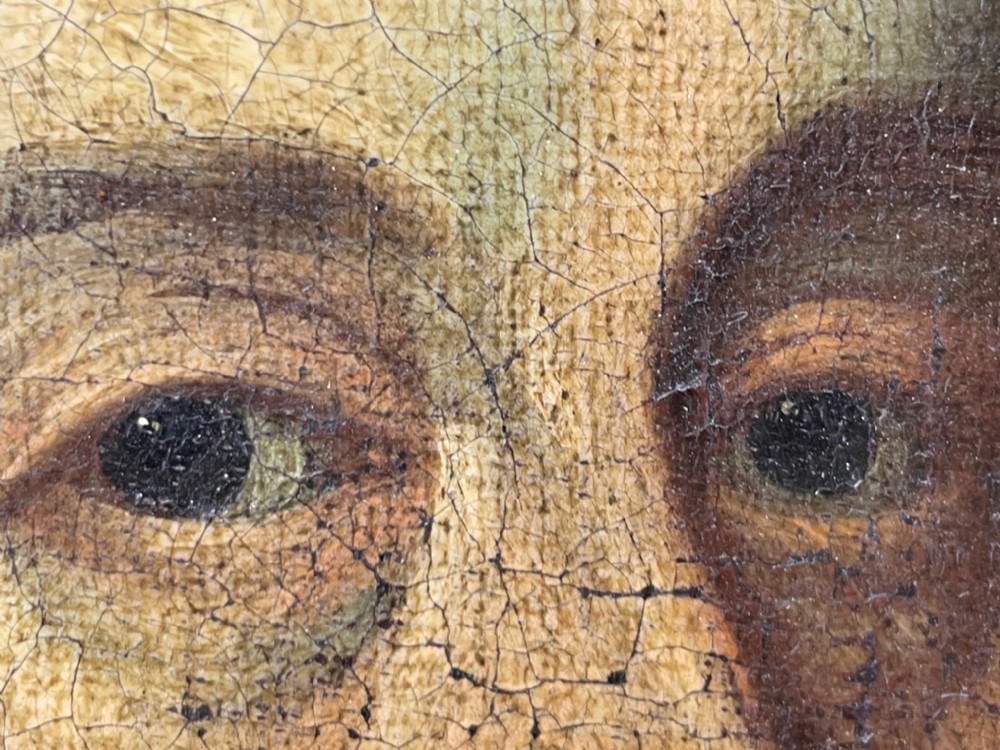
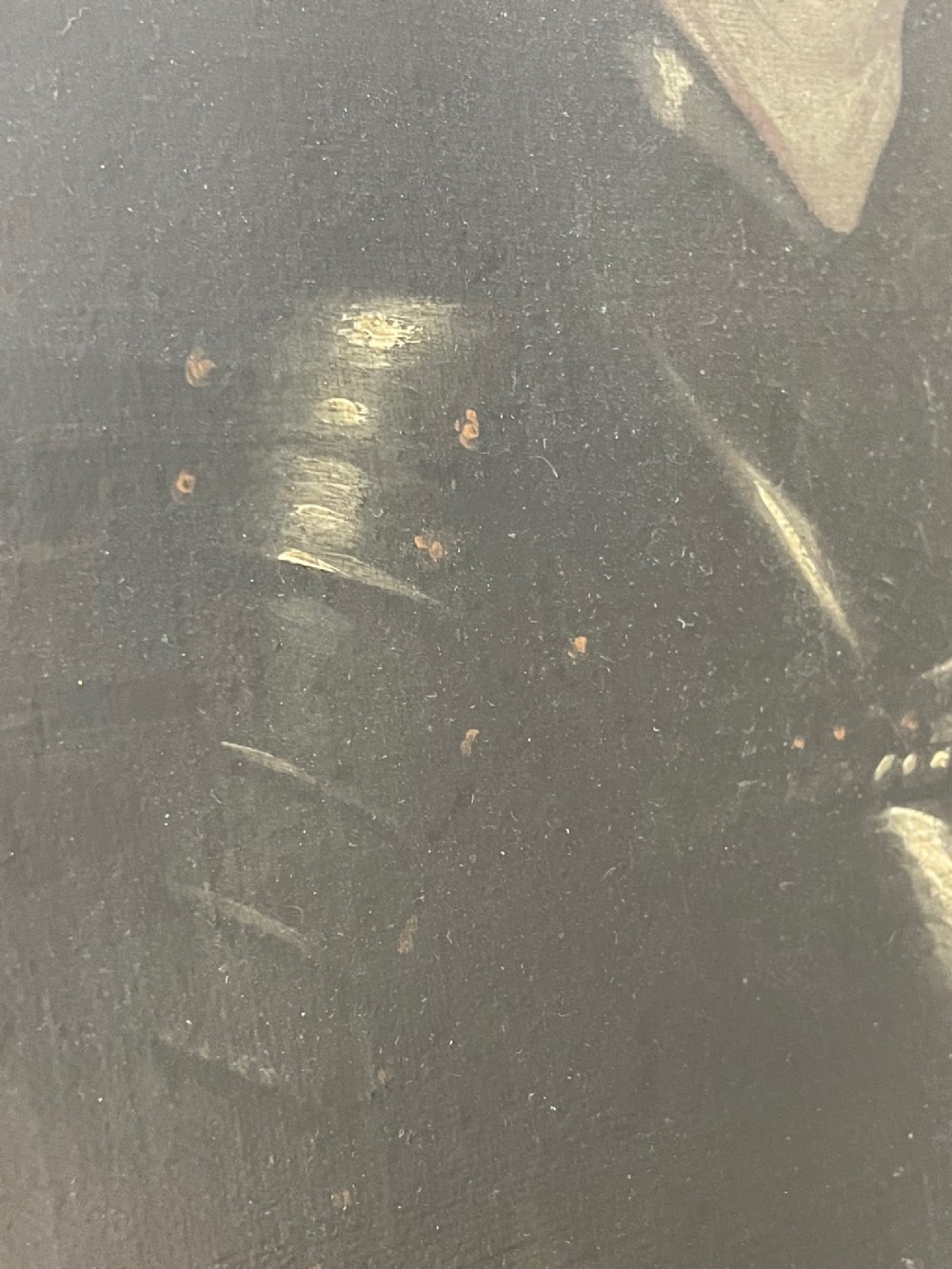
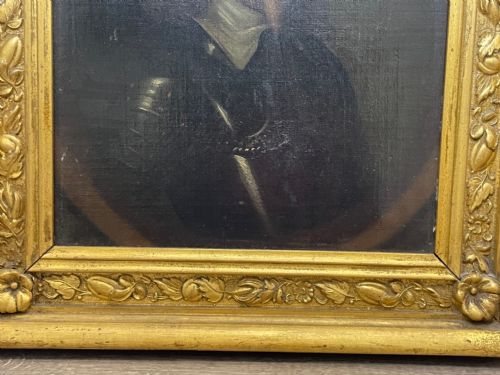
fig 1. A seventeenth-century oil portrait painting depicting a bearded man in armour, set within an oval spandrel and housed in a carved gilt frame.
fig 1. 17th Century Oil Painting Portrait King Charles 1st Circa Henry Stone

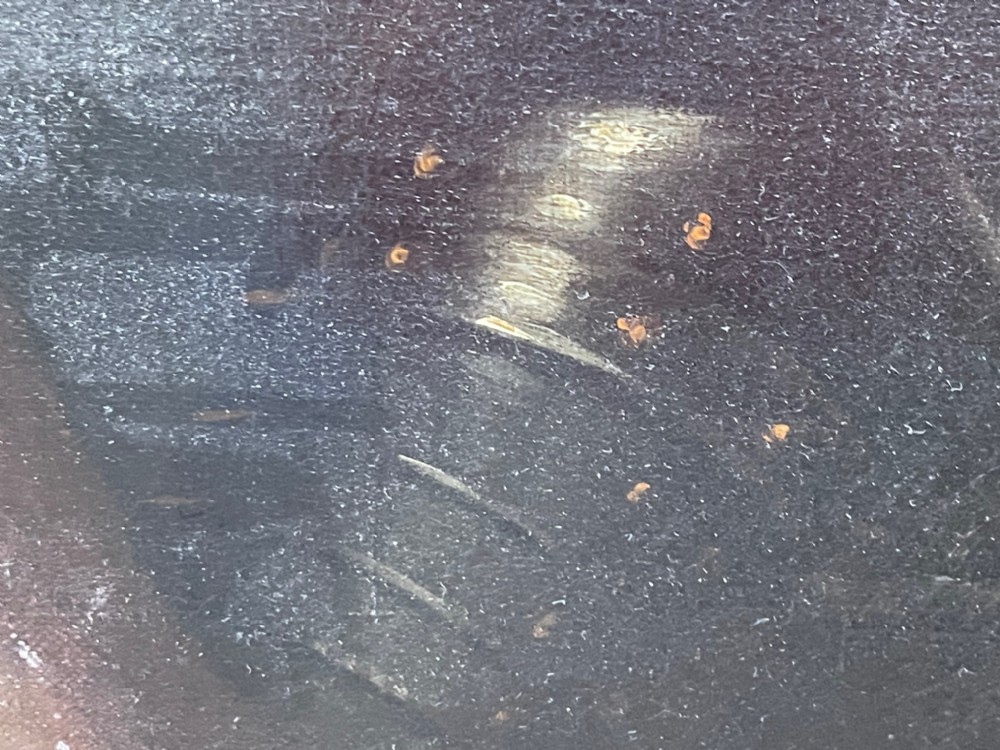
Presented in a later decorative composite gilt frame which complements the painting a fabulous statement piece interior wall hanging decoration.

A practical display size being 49.5cm height of the frame.

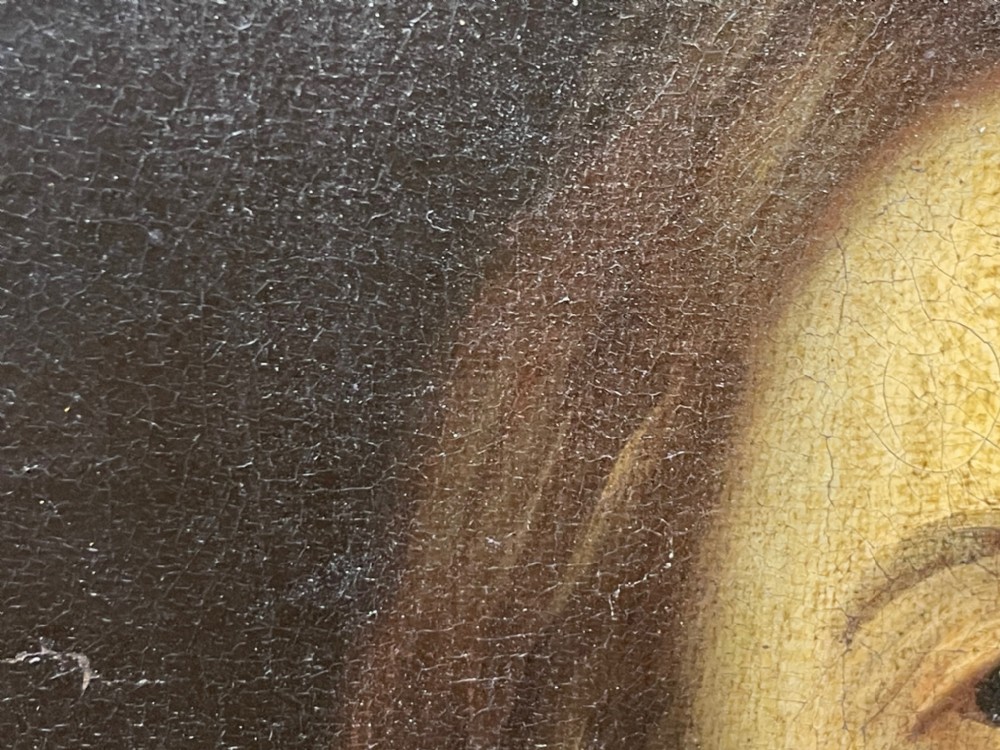
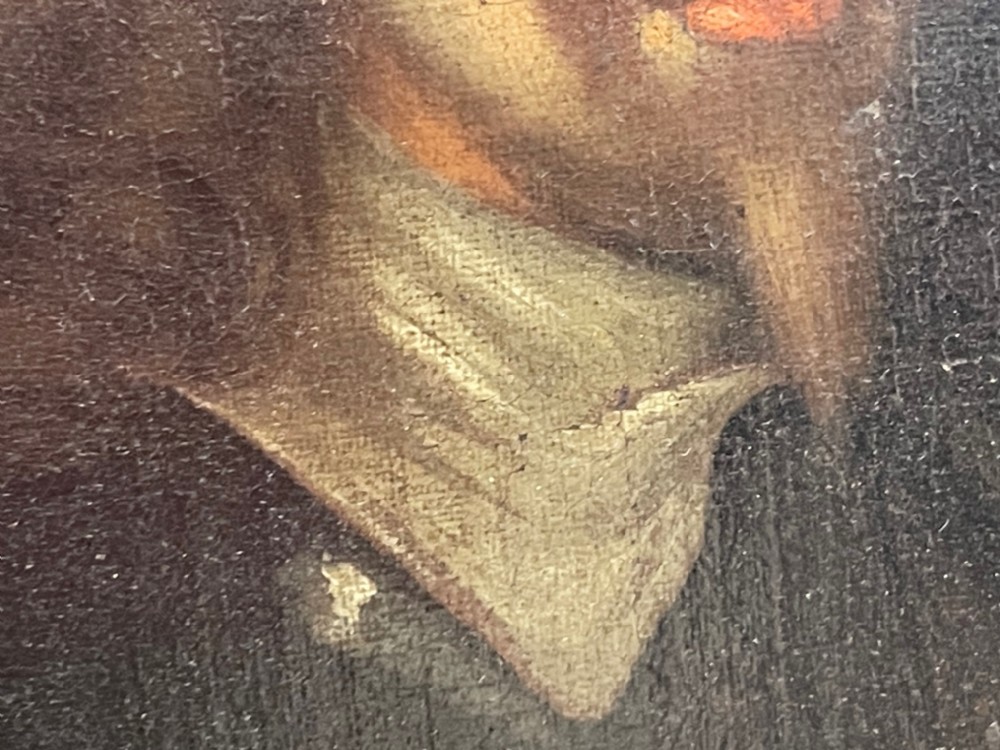
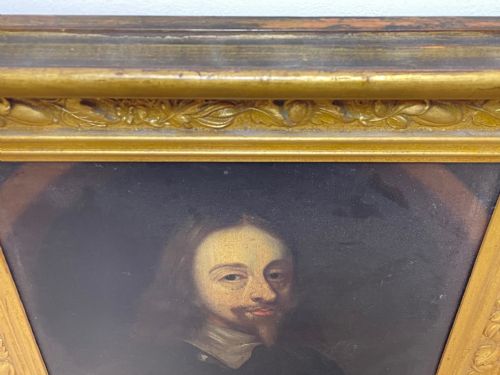
fig 2. A seventeenth-century oil portrait painting depicting a bearded man in armour, set within an oval spandrel and housed in a carved gilt frame.
fig 2. 17th Century Oil Painting Portrait King Charles 1st Circa Henry Stone

Oil on canvas.

Unsigned.Circle of Henry Stone. Verso there is an old label inscribed "Old Stone"

Hanging thread on the back ready for home display.

Circa late 17th century.

So collectible and highly sought after.

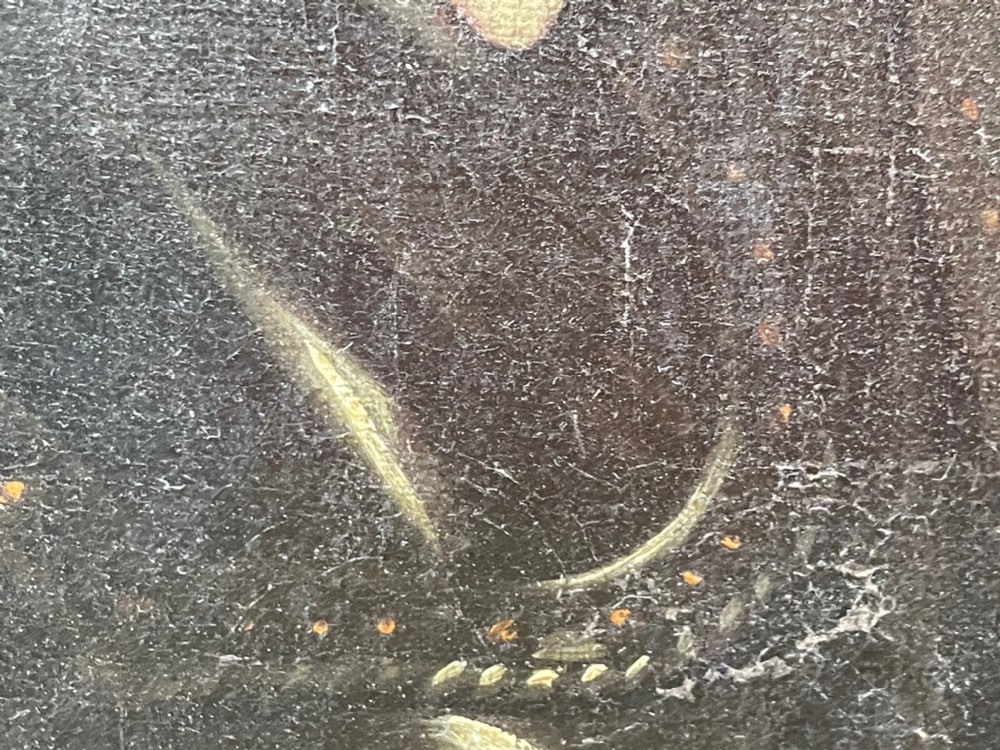
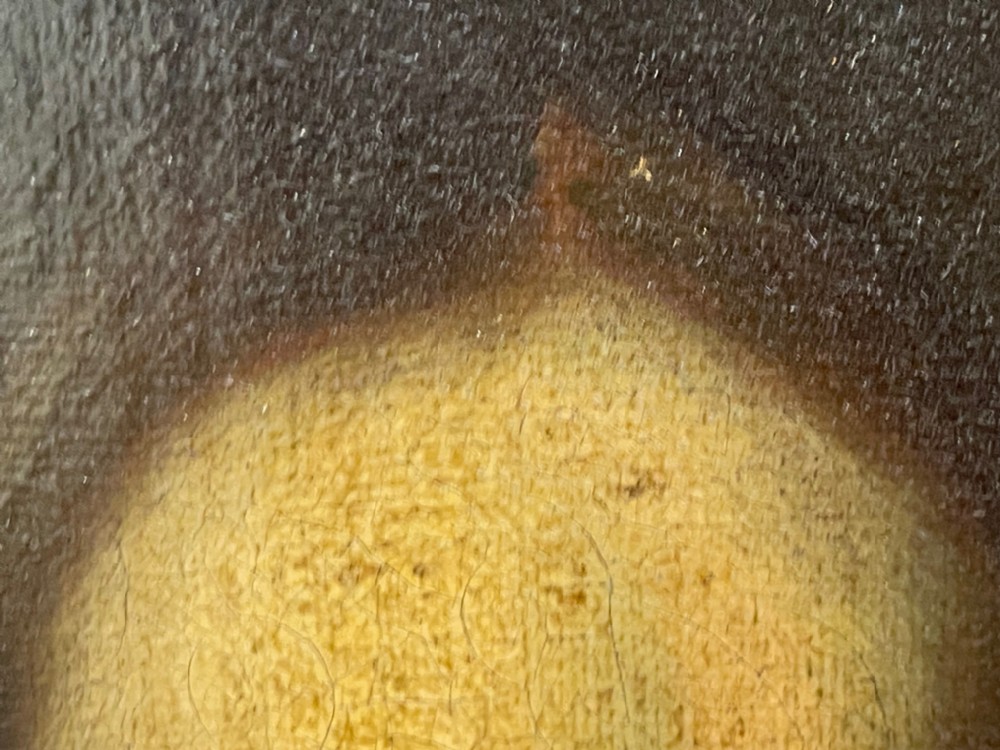
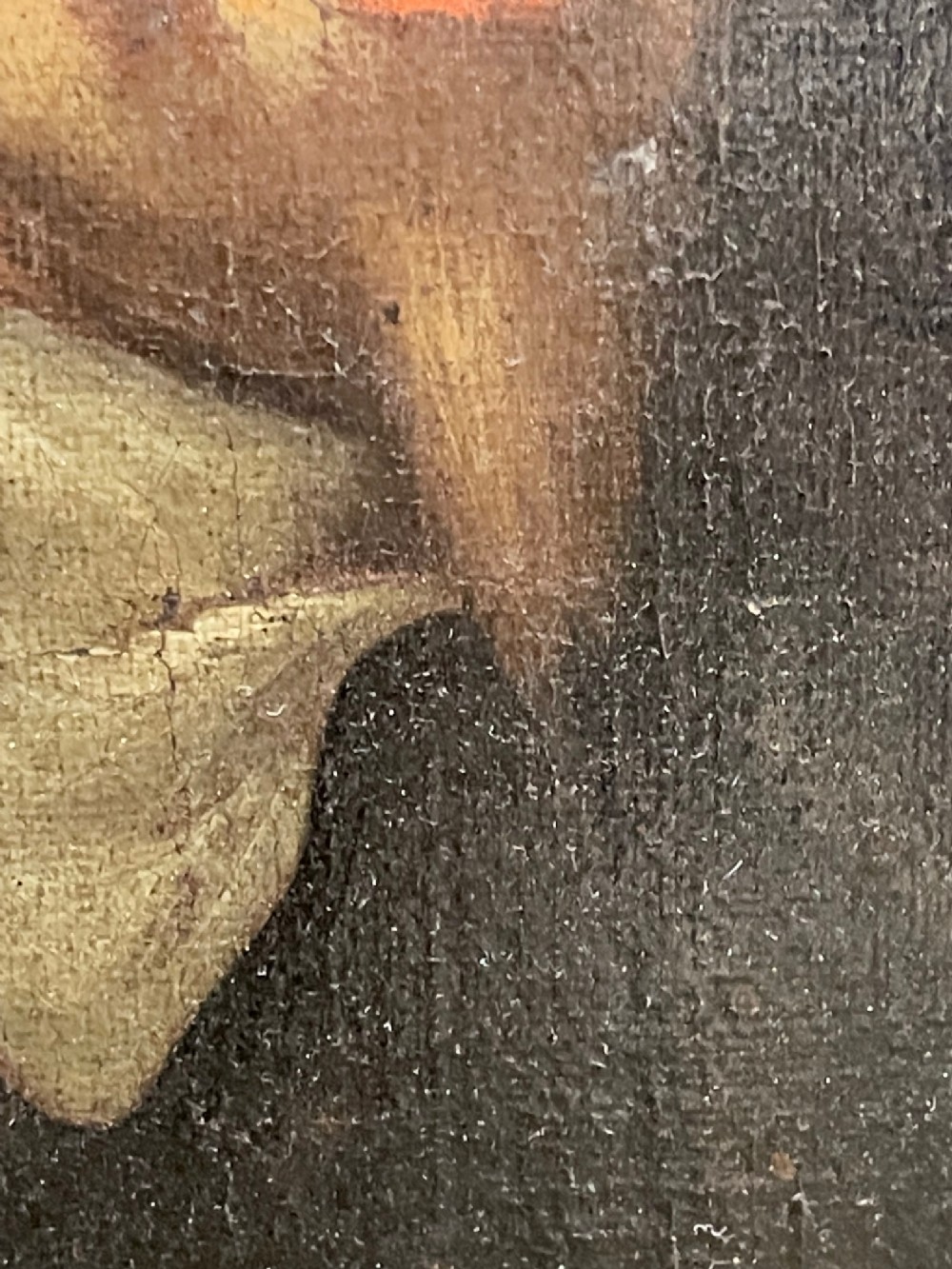
fig 3. A seventeenth-century oil portrait painting depicting a bearded man in armour, set within an oval spandrel and housed in a carved gilt frame.
fig 3. 17th Century Oil Painting Portrait King Charles 1st Circa Henry Stone

KING CHARLES 1st (19 November 1600 – 30 January 1649) was King of England, Scotland, and Ireland from 27 March 1625 until his execution in 1649. He was born into the House of Stuart as the second son of King James VI of Scotland, but after his father inherited the English throne in 1603, he moved to England, where he spent much of the rest of his life. He became heir apparent to the kingdoms of England, Scotland, and Ireland in 1612 upon the death of his elder brother, Henry Frederick, Prince of Wales. An unsuccessful and unpopular attempt to marry him to the Spanish Habsburg princess Maria Anna culminated in an eight-month visit to Spain in 1623 that demonstrated the futility of the marriage negotiation. Two years later, he married the Bourbon princess Henrietta Maria of France.

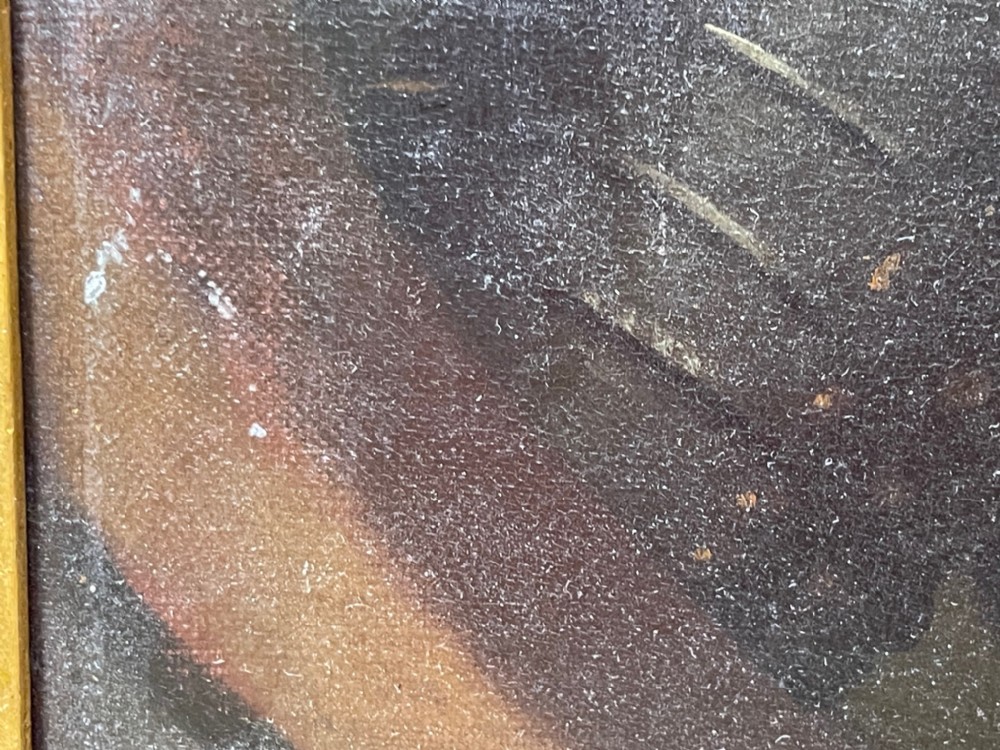
fig 4. A seventeenth-century oil portrait painting depicting a bearded man in armour, set within an oval spandrel and housed in a carved gilt frame.
fig 4. 17th Century Oil Painting Portrait King Charles 1st Circa Henry Stone

After his 1625 succession, Charles quarrelled with the English Parliament, which sought to curb his royal prerogative. He believed in the divine right of kings, and was determined to govern according to his own conscience. Many of his subjects opposed his policies, in particular the levying of taxes without parliamentary consent, and perceived his actions as those of a tyrannical absolute monarch. His religious policies, coupled with his marriage to a Roman Catholic, generated antipathy and mistrust from Reformed religious groups such as the English Puritans and Scottish Covenanters, who thought his views too Catholic.

fig 5. A seventeenth-century oil portrait painting depicting a bearded man in armour, set within an oval spandrel and housed in a carved gilt frame.
fig 5. 17th Century Oil Painting Portrait King Charles 1st Circa Henry Stone

He supported high church Anglican ecclesiastics and failed to aid continental Protestant forces successfully during the Thirty Years' War. His attempts to force the Church of Scotland to adopt high Anglican practices led to the Bishops' Wars, strengthened the position of the English and Scottish parliaments, and helped precipitate his own downfall.

fig 6. A seventeenth-century oil portrait painting depicting a bearded man in armour, set within an oval spandrel and housed in a carved gilt frame.
fig 6. 17th Century Oil Painting Portrait King Charles 1st Circa Henry Stone

From 1642, Charles fought the armies of the English and Scottish parliaments in the English Civil War. After his defeat in 1645 at the hands of the Parliamentarian New Model Army, he fled north from his base at Oxford. Charles surrendered to a Scottish force and after lengthy negotiations between the English and Scottish parliaments he was handed over to the Long Parliament in London. Charles refused to accept his captors' demands for a constitutional monarchy, and temporarily escaped captivity in November 1647. Re-imprisoned on the Isle of Wight, he forged an alliance with Scotland, but by the end of 1648, the New Model Army had consolidated its control over England. Charles was tried, convicted, and executed for high treason in January 1649. The monarchy was abolished and the Commonwealth of England was established as a republic. The monarchy was restored to Charles's son Charles II in 1660.

fig 7. A seventeenth-century oil portrait painting depicting a bearded man in armour, set within an oval spandrel and housed in a carved gilt frame.
fig 7. 17th Century Oil Painting Portrait King Charles 1st Circa Henry Stone

ABOUT: SIR ANTHONY VAN DYCK (22 March 1599–9 December 1641)

Flemish Baroque artist who became the leading court painter in England, after enjoying great success in Italy and Flanders. He is most famous for his portraits of Charles I of England and his family and court, painted with a relaxed elegance that was to be the dominant influence on English portrait-painting for the next 150 years.

Henry Stone (1616 – 24 Aug 1653), kn

Height
49.5cm (19.49")
Width
44.5cm (17.52")
Depth
4.5cm (1.77")
Date of Manufacture

Cheshire Antiques Consultant Ltd has dated this 17th Century Oil Portrait to the 17th Century.

Reference Numbers
Sellingantiques Ref
SA951678
Dealers Internal Ref
375
Cheshire Antiques Consultant Ltd
Sellingantiques verified Since Jan 2021

Source the historic in 17th, 18th, 19th & 20th century fine arts, painting, sculptures & collectibles

Dealer Profile

You can view the stock and full dealer information on the Cheshire Antiques Consultant Ltd Profile Page
PDF SHARE
SAVE
A seventeenth-century oil portrait painting depicting a bearded man in armour, set within an oval spandrel and housed in a carved gilt frame.
1 / 30
Archive I A seventeenth-century oil portrait painting depicting a bearded man in armour, set within an oval spandrel and housed in a carved gilt frame.

17th Century Oil Painting Portrait King Charles 1st Circa Henry Stone
Archive II A seventeenth-century oil portrait painting depicting a bearded man in armour, set within an oval spandrel and housed in a carved gilt frame. View II
Archive III A seventeenth-century oil portrait painting depicting a bearded man in armour, set within an oval spandrel and housed in a carved gilt frame. View III
Archive IV A seventeenth-century oil portrait painting depicting a bearded man in armour, set within an oval spandrel and housed in a carved gilt frame. View IV
Archive V A seventeenth-century oil portrait painting depicting a bearded man in armour, set within an oval spandrel and housed in a carved gilt frame. View V
Archive VI A seventeenth-century oil portrait painting depicting a bearded man in armour, set within an oval spandrel and housed in a carved gilt frame. View VI
Archive VII A seventeenth-century oil portrait painting depicting a bearded man in armour, set within an oval spandrel and housed in a carved gilt frame. View VII
Archive VIII A seventeenth-century oil portrait painting depicting a bearded man in armour, set within an oval spandrel and housed in a carved gilt frame. View VIII
Archive IX A seventeenth-century oil portrait painting depicting a bearded man in armour, set within an oval spandrel and housed in a carved gilt frame. View IX
Archive X A seventeenth-century oil portrait painting depicting a bearded man in armour, set within an oval spandrel and housed in a carved gilt frame. View X
Archive XI A seventeenth-century oil portrait painting depicting a bearded man in armour, set within an oval spandrel and housed in a carved gilt frame. View XI
Archive XII A seventeenth-century oil portrait painting depicting a bearded man in armour, set within an oval spandrel and housed in a carved gilt frame. View XII
Archive XIII A seventeenth-century oil portrait painting depicting a bearded man in armour, set within an oval spandrel and housed in a carved gilt frame. View XIII
Archive XIV A seventeenth-century oil portrait painting depicting a bearded man in armour, set within an oval spandrel and housed in a carved gilt frame. View XIV
Archive XV A seventeenth-century oil portrait painting depicting a bearded man in armour, set within an oval spandrel and housed in a carved gilt frame. View XV
Archive XVI A seventeenth-century oil portrait painting depicting a bearded man in armour, set within an oval spandrel and housed in a carved gilt frame. View XVI
Archive XVII A seventeenth-century oil portrait painting depicting a bearded man in armour, set within an oval spandrel and housed in a carved gilt frame. View XVII
Archive XVIII A seventeenth-century oil portrait painting depicting a bearded man in armour, set within an oval spandrel and housed in a carved gilt frame. View XVIII
Archive XIX A seventeenth-century oil portrait painting depicting a bearded man in armour, set within an oval spandrel and housed in a carved gilt frame. View XIX
Archive XX A seventeenth-century oil portrait painting depicting a bearded man in armour, set within an oval spandrel and housed in a carved gilt frame. View XX
Archive XXI A seventeenth-century oil portrait painting depicting a bearded man in armour, set within an oval spandrel and housed in a carved gilt frame. View XXI
Archive XXII A seventeenth-century oil portrait painting depicting a bearded man in armour, set within an oval spandrel and housed in a carved gilt frame. View XXII
Archive XXIII A seventeenth-century oil portrait painting depicting a bearded man in armour, set within an oval spandrel and housed in a carved gilt frame. View XXIII
Archive XXIV A seventeenth-century oil portrait painting depicting a bearded man in armour, set within an oval spandrel and housed in a carved gilt frame. View XXIV
Archive XXV A seventeenth-century oil portrait painting depicting a bearded man in armour, set within an oval spandrel and housed in a carved gilt frame. View XXV
Archive XXVI A seventeenth-century oil portrait painting depicting a bearded man in armour, set within an oval spandrel and housed in a carved gilt frame. View XXVI
Archive XXVII A seventeenth-century oil portrait painting depicting a bearded man in armour, set within an oval spandrel and housed in a carved gilt frame. View XXVII
Archive XXVIII A seventeenth-century oil portrait painting depicting a bearded man in armour, set within an oval spandrel and housed in a carved gilt frame. View XXVIII
Archive XXIX A seventeenth-century oil portrait painting depicting a bearded man in armour, set within an oval spandrel and housed in a carved gilt frame. View XXIX
Archive XXX A seventeenth-century oil portrait painting depicting a bearded man in armour, set within an oval spandrel and housed in a carved gilt frame. View XXX
FURTHER BROWSING

Visitors also looked at these ⇣

Enlarged Archival View
Telephone 07494 763 382
Location
71-75 Shelton Street
Covent Garden
London
WC2H 9JQ
United Kingdom

By appointment
Verified Since Jan 2021
Items For Sale 250
Items Sold 214
Cheshire Antiques Consultant Ltd
Verified Since Jan 2021
View Dealer Info
Location: 71-75 Shelton Street, Covent Garden, London, WC2H 9JQ, United Kingdom, , By appointment
Verified
Jan 2021
For Sale
250
Sold
214
A seventeenth-century oil portrait painting depicting a bearded man in armour, set within an oval spandrel and housed in a carved gilt frame.
17th Century Oil Painting Portrait King Charles 1st Circa Henry Stone
Ref: SA951678
A seventeenth-century oil portrait painting depicting a bearded man in armour, set within an oval spandrel and housed in a carved gilt frame.
Detail View 1
Detail View 2
Detail View 3
Detail View 4
Detail View 5
Detail View 6
Detail View 7
Detail View 8
Detail View 9
Detail View 10
Detail View 11
Detail View 12
Detail View 13
Detail View 14
Detail View 15
Detail View 16
Detail View 17
Detail View 18
Detail View 19
Detail View 20
Detail View 21
Detail View 22
Detail View 23
Detail View 24
Detail View 25
Detail View 26
Detail View 27
Detail View 28
Detail View 29
Archival Detail
Every single antique dealer on our platform is individually approved by our internal team. We verify their professional trade history, ethical standards, and photographic quality to ensure a secure, high-standard buying environment. Upon joining, every dealer agrees to a strict 9-point code of conduct. While issues can occasionally arise, our dealers typically resolve them swiftly and directly with the buyer. In fact, since our founding in 2002, Sellingantiques has only had to step in to help resolve an issue on roughly five occasions—a true testament to the quality of our dealers and their dedication to your happiness.
Our dealers are highly experienced in packing and shipping fragile, high-value antiques. Because you are in direct contact with the dealer, you will be able to easily go through all available shipping and insurance options together to ensure your item arrives safely.
Antiques are the ultimate green purchase. By choosing historical pieces over newly manufactured goods, you completely eliminate the carbon footprint of modern mass production while preserving exceptional, timeless craftsmanship.

Portraiture from the 17th century, particularly during the Baroque era, features dramatic lighting, rich colour palettes, and formal compositions designed to highlight the status of the sitter. British portraiture of this period was heavily influenced by continental artists, focusing on detailed attire, armour, and subtle symbolic elements.

These artworks were created using hand-ground oil pigments applied to stretched linen canvas or wooden panels. Frames were typically carved from timber and finished with gold leaf gilding or gesso decoration.

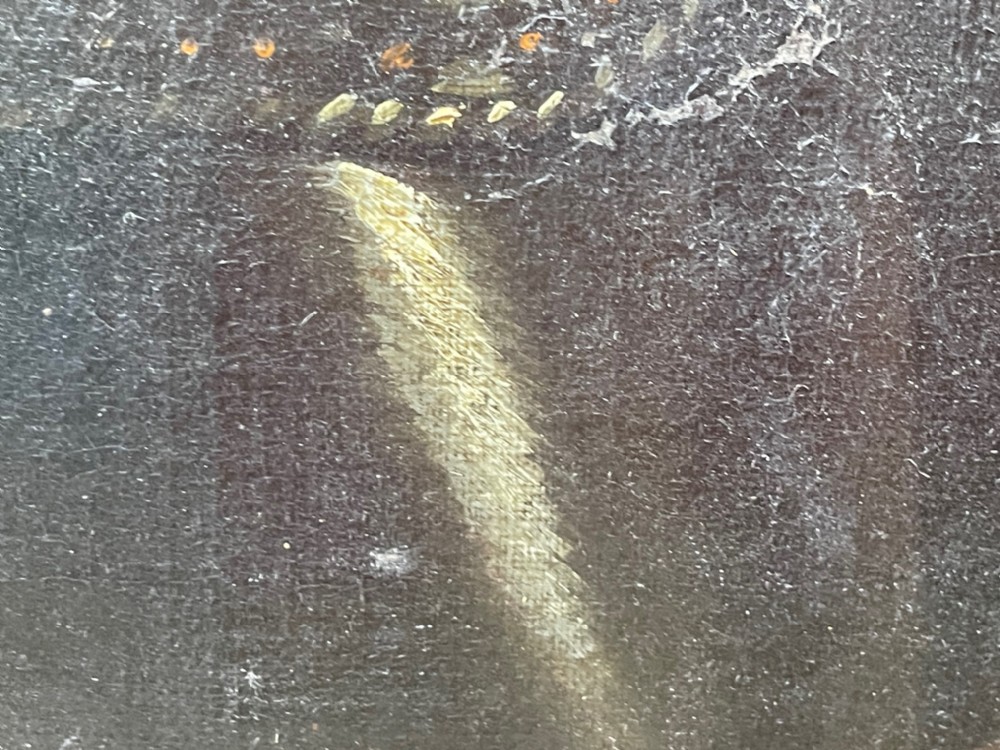
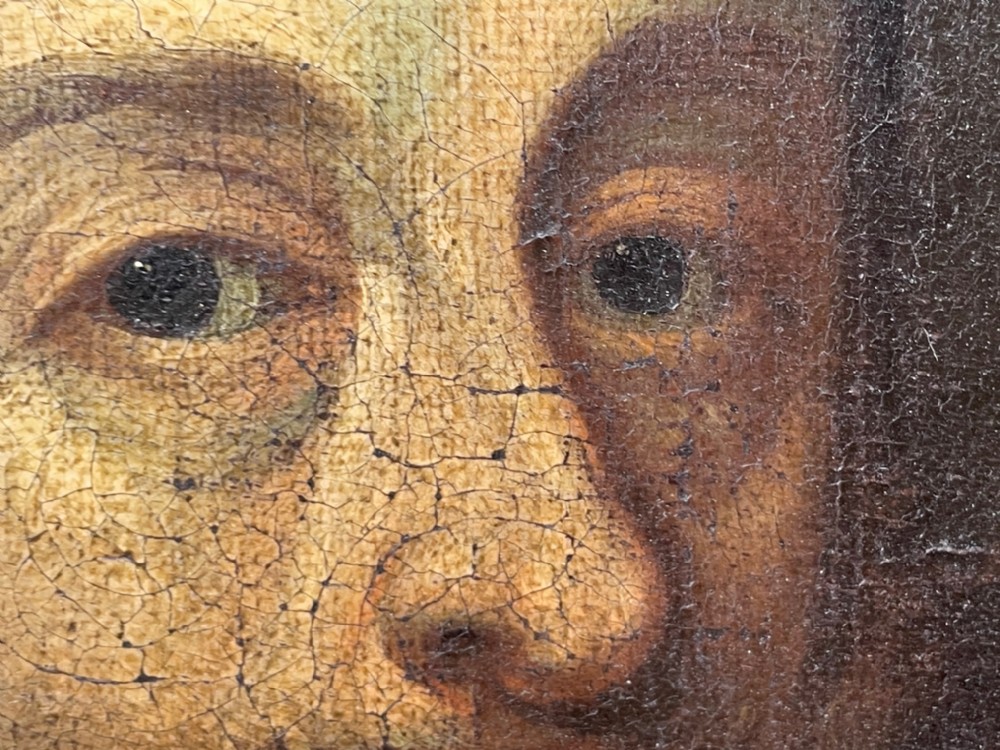
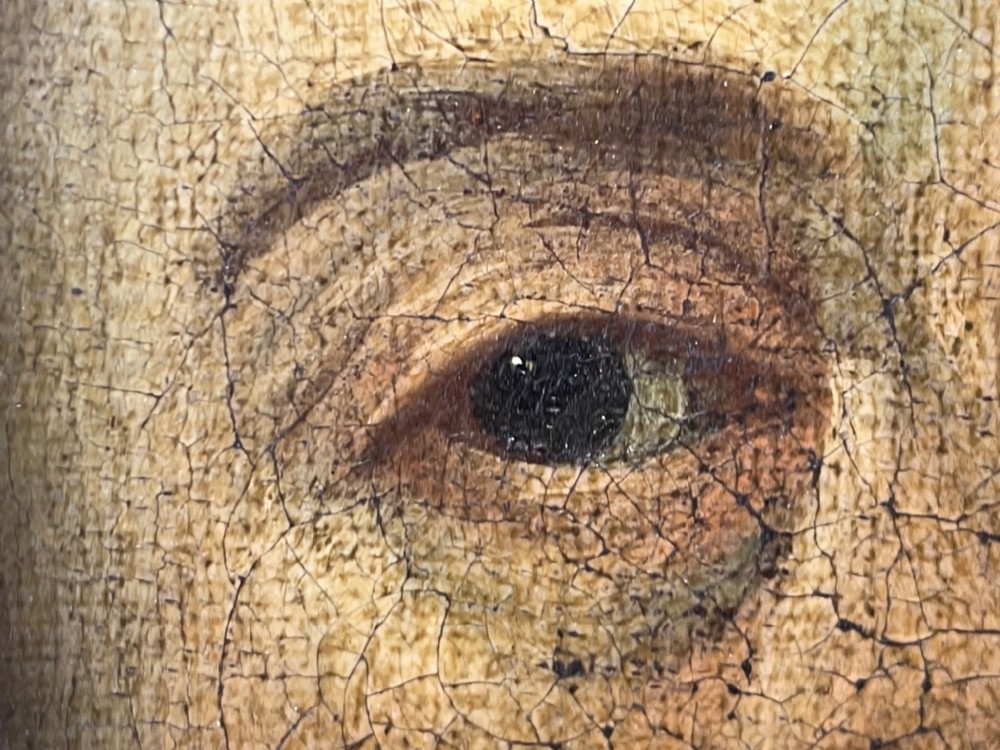
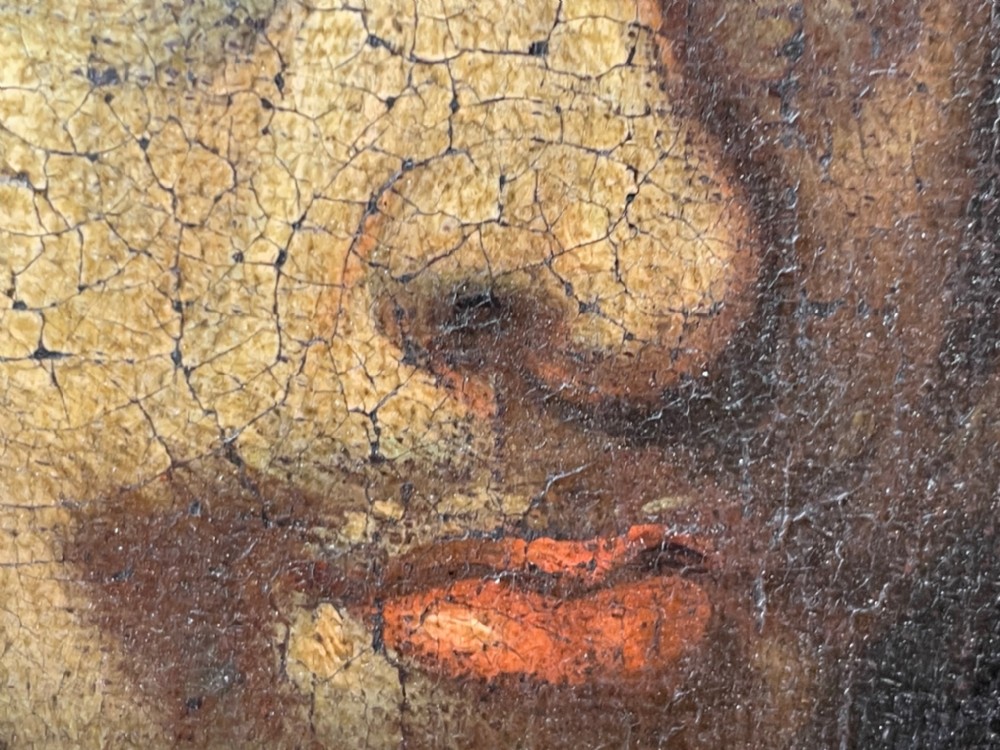
Genuine paintings from this era exhibit natural craquelure across the paint layer, visible ageing on the reverse of the canvas or wood panel, and period-accurate stretcher construction. Examination under ultraviolet light often reveals historic restoration work and original pigment layers.

A classic oil portrait creates a striking focal point when mounted above a mantelpiece or sideboard in a traditional study, library, or minimalist space. Pairing classical fine art with contemporary furniture provides a curated, eclectic aesthetic.

Keep the painting away from direct sunlight, extreme temperature fluctuations, and high humidity to prevent cracking or warping. Dust the frame gently with a soft dry brush and consult a professional art conservator for deep cleaning or structural repairs.
items
Add keywords to the filter
Price
£100
£250000
Era
Movements
Material
Origin
Stock Location
Freshness
Online Payments
Categories