44,370  PAGES BROWSED TODAY PAGES TODAY 149  ANTIQUES UPLOADED TODAY NEW ARRIVALS
ID #SA843292
FOR SALE
£3,850
Email Buy
Save
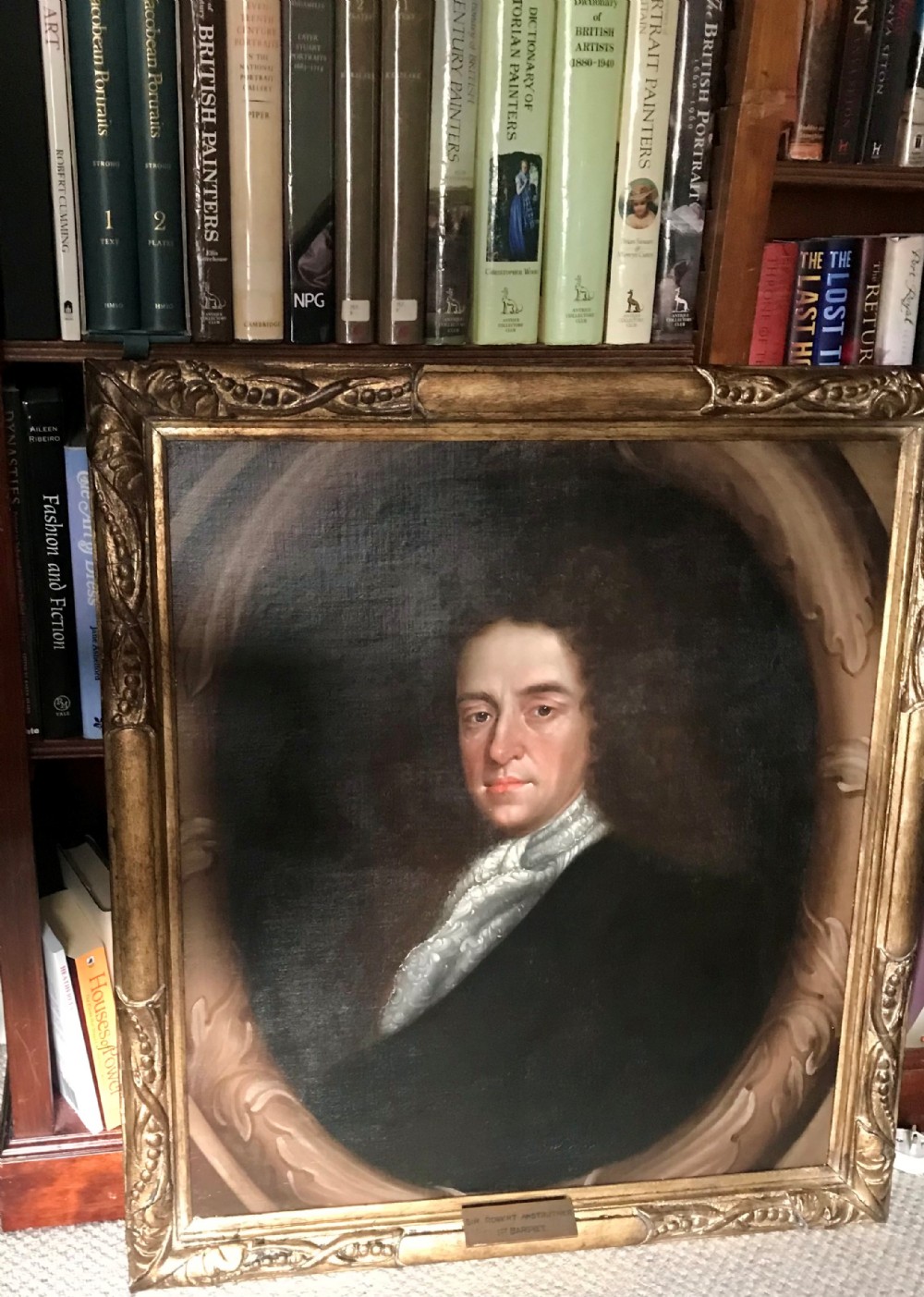
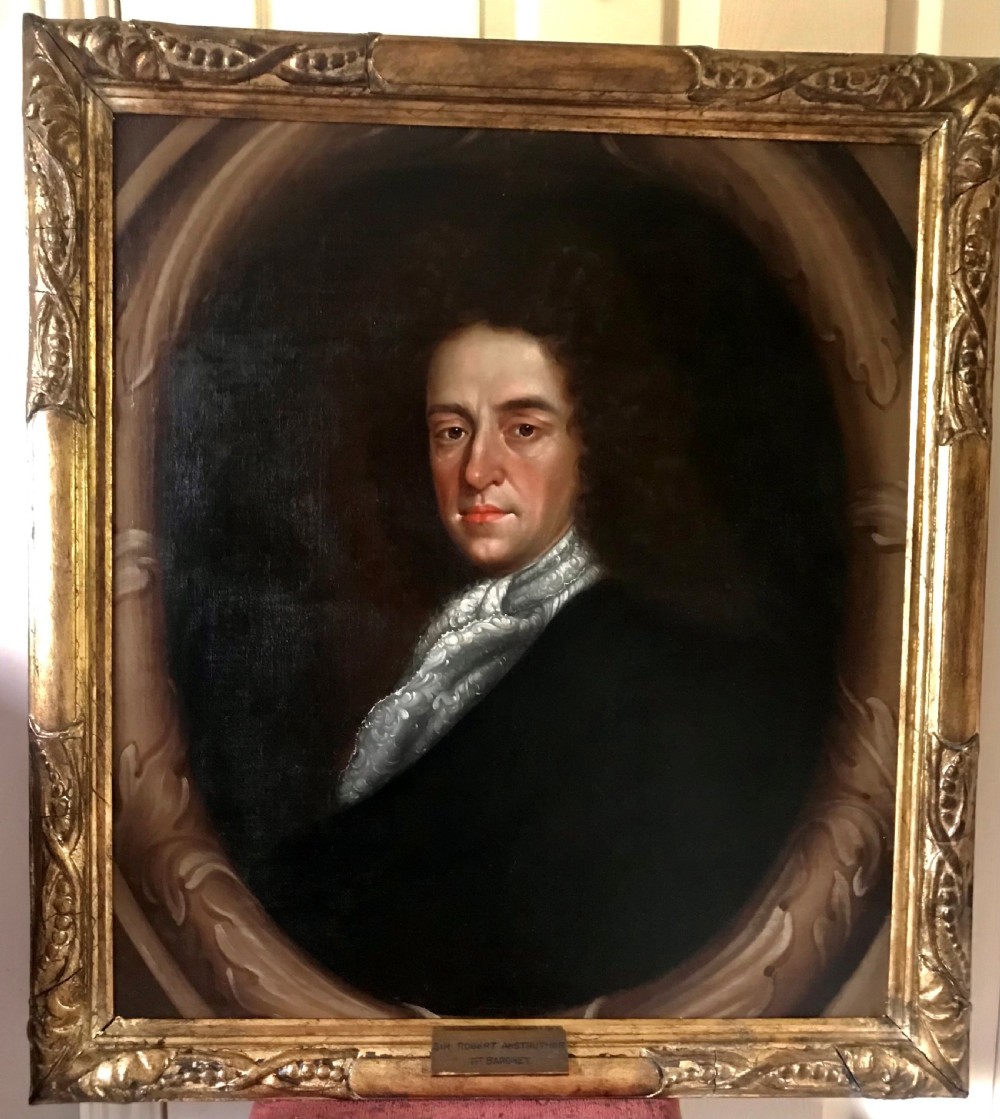
Portrait of Sir Robert Anstruther C. 1694, Scottish School.
Roy Precious - Antiques & Fine Art
for sale €4,505     $4,890
£3,850
Roy Precious - Antiques & Fine Art

Roy Precious - Antiques & Fine Art

Sellingantiques Verified Since Mar 2003
View Dealers Stock Page
  • About Us
    Roy and nadine precious: specialists in portraiture from the 16th to the 20th century. Established in 1972.
Id #SA843292
PDF SHARE
SAVE

Portrait of Sir Robert Anstruther C. 1694, Scottish School.

18th century
Description

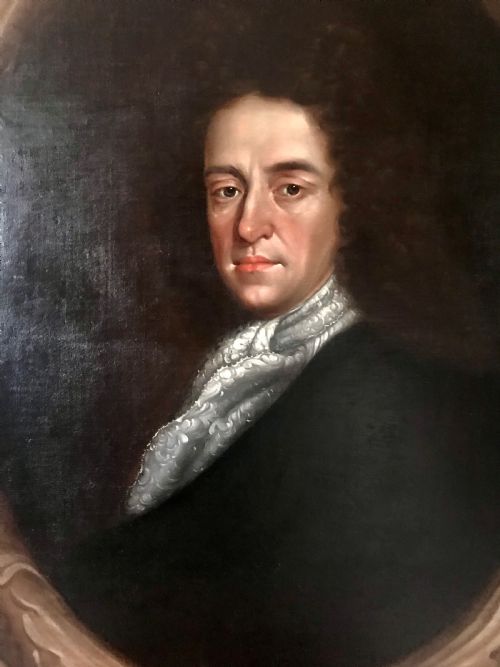
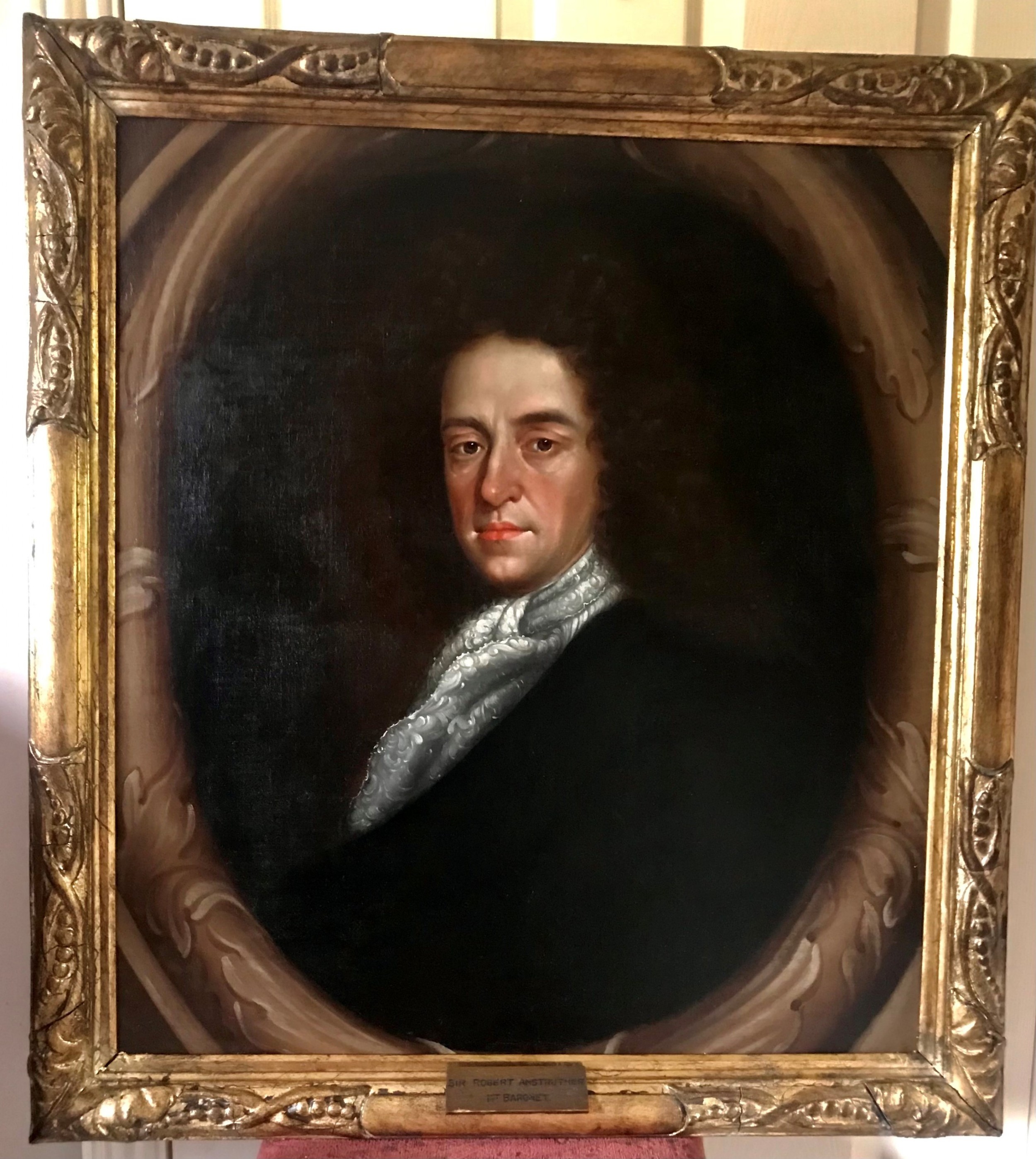
This forthright and insightful portrait was probably painted when Anstruther was created a baronet in 1694. The artist is as yet unknown; he was obviously aware of the fashionable conceit of a feigned carved stone oval as used by Lely and Beale amongst others, but this no Court painting, it has a Scottish directness and honesty. Sir Robert looks like a man of serious intent and determination.

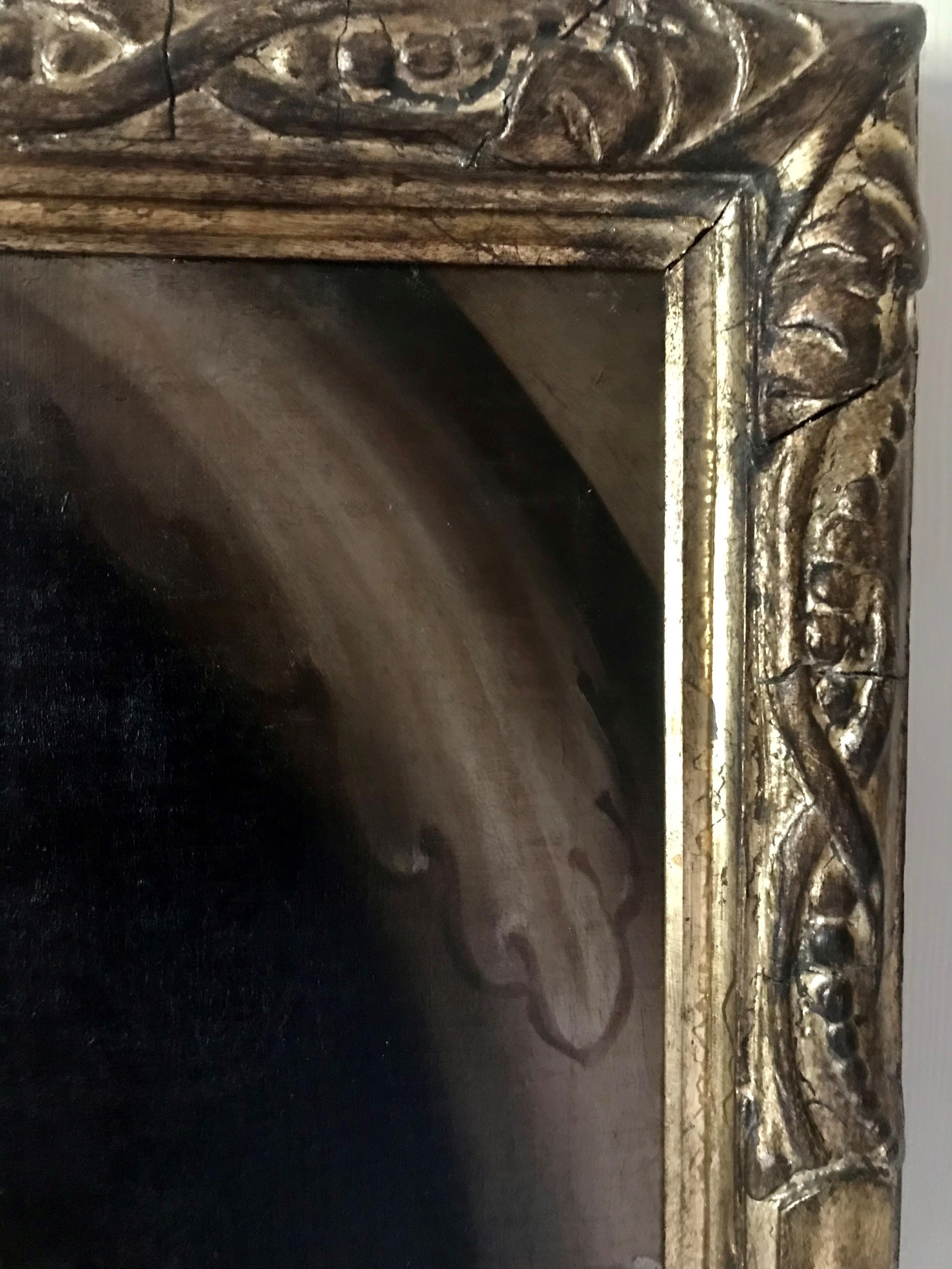
The frame is a fine carved and giltwood one of the period, almost certainly the original.

SIR ROBERT ANSTRUTHER, 1st Baronet (1658 – March 1737), of Wrae, Linlithgow, and Balcaskie, Fife, was a Scottish politician who sat in the Parliament of Scotland between 1681 and 1707 and in the British House of Commons from 1709 to 1710.

He was baptised on 24 September 1658, the third son of Sir Philip Anstruther of Anstruther, Fife, a member of the Scottish Parliament, and his wife Christian Lumsden, daughter of Sir James Lumsden of Innergellie, Fife.

Anstruther had an early spell in the Parliament of Scotland as a Burgh Commissioner for Anstruther Easter from 1681 to 1682. He married Sophia Kinnear, the daughter and coheiress of David Kinnear, and adopted the additional name of Kinnear on the death of his father-in law in 1684. Sophia died in 1686 and he married as his second wife Jean Monteith, the daughter and heiress of William Monteith of Wrae, on 12 March 1687. From 1689 to 1690, unlike his brother, he served the regime of King William on various local commissions.

He was caught up in a double returned for Anstruther Easter, and the result was decided against him. He was given a place as one of the general receivers of supply in 1691. He was created a baronet of Wrae, Linlithgowshire and Balcaskie, Fife and Braemore, Caithness on 28 November 1694. In 1696 he was appointed joint farmer of excise, and in 1697 was appointed Clerk and Keeper of Cocquet Seal, Firth of Forth west of Queensferry. He lost at least £500 in the Darien scheme and lost money in the farm of the Scottish excise, but had married two heiresses. He was able to purchase in 1698 an estate at Balcaskie, on the Fife coast where he went on to build a house. He also served as a commissioner to the convention of royal burghs for the neighbouring burgh of Anstruther Easter. He married as his third wife, his cousin Marian Preston, the daughter of Sir William Preston, 2nd Baronet of Valleyfield, Fife.

In 1702 Anstruther became Burgh Commissioner for Anstruther Wester. He opposed the Union and took part in the protests in 1705 against the treaty act. In Parliament he was frequently absent in the divisions on the Union and five of his only six votes were on the opposition side. He probably acted according to the influence of the Court Tory Lord Leven. He lost his seat and his government posts in 1707.

After the union of Scotland with England, Anstruther was returned to the new Parliament of Great Britain as Member of Parliament for Fife at a by-election on 24 March 1709. There was little time for him to make any impression and he did not stand at the 1710 British general election.

Anstruther died in March 1737. He had had five sons and two daughters by his second wife and one son and two daughters by his third wife. One of his sons was killed at the Battle of Preston in 1715 in the first Jacobite Rebellion, and another rose to the rank of general in the service of the Hanoverians. He was succeeded by his eldest son Philip Anstruther.

SIZE: 32.25 x 29.25 inches including the frame.

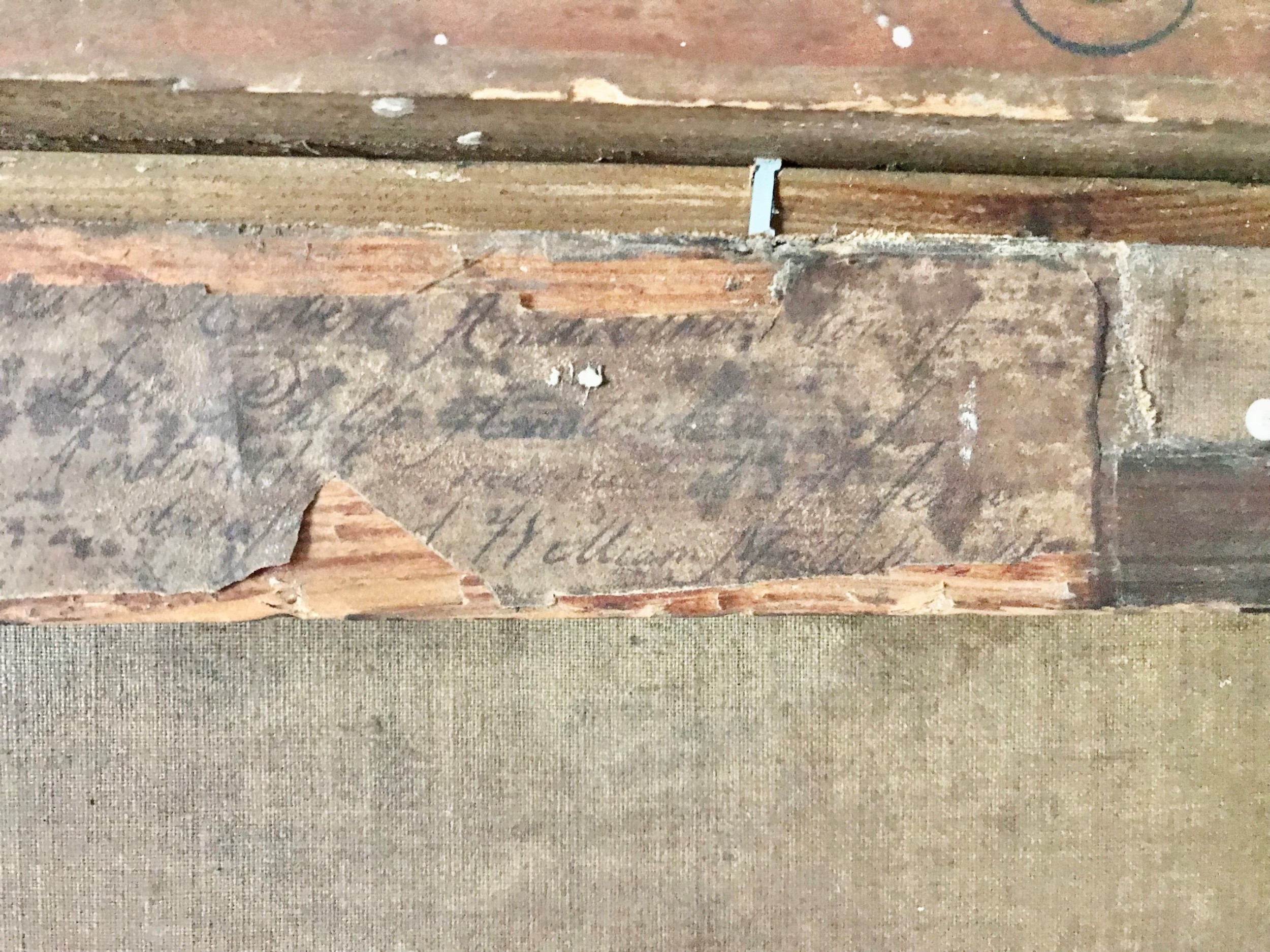
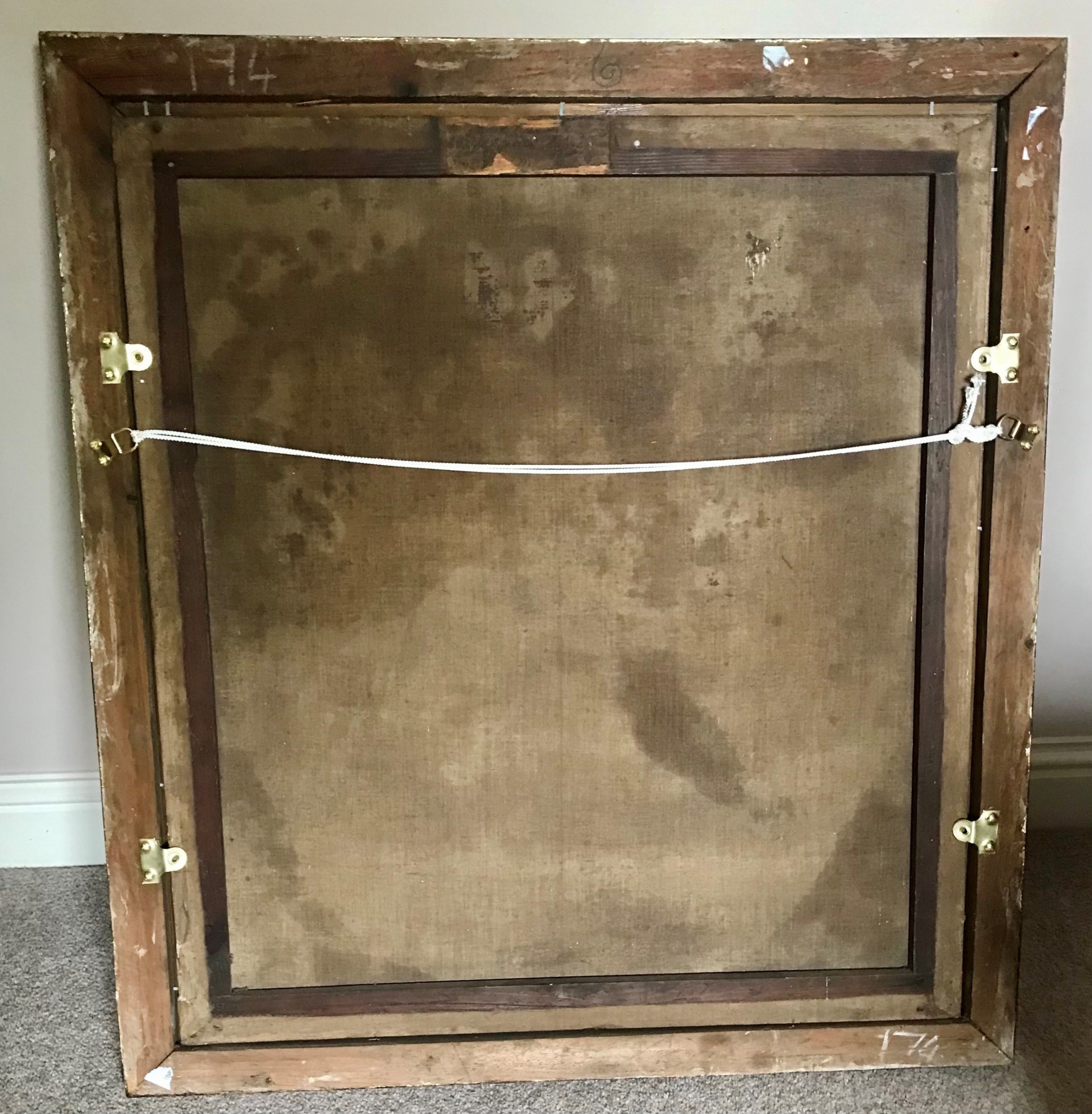
PROVENANCE: by family descent to Kilmany House, Fife. Verso: an old handwritten label, mostly illegible, though the sitter's name can be made out.

Physical Dimensions
Height
82cm (32.28")
Width
74cm (29.13")
Depth
5cm (1.97")
Declaration

Roy Precious - Antiques & Fine Art has dated this 17th Century Portrait Painting to the 1700s.
Reference Numbers
Sellingantiques Reference
SA843292
Dealers Internal Reference
9228
Description
This forthright and insightful portrait was probably painted when Anstruther was created a baronet in 1694. The artist is as yet unknown; he was obviously aware of the fashionable conceit of a feigned carved stone oval as used by Lely and Beale amongst others, but this no Court painting, it has a Scottish directness and honesty. Sir Robert looks like a man of serious intent and determination.
fig 1. A late 17th-century Scottish oil portrait depicting a gentleman with a dark full-bottomed wig and lace cravat set within a painted feigned oval and carved gilded wooden frame.
fig 1. Portrait of Sir Robert Anstruther C. 1694, Scottish School.

The frame is a fine carved and giltwood one of the period, almost certainly the original.

SIR ROBERT ANSTRUTHER, 1st Baronet (1658 – March 1737), of Wrae, Linlithgow, and Balcaskie, Fife, was a Scottish politician who sat in the Parliament of Scotland between 1681 and 1707 and in the British House of Commons from 1709 to 1710.
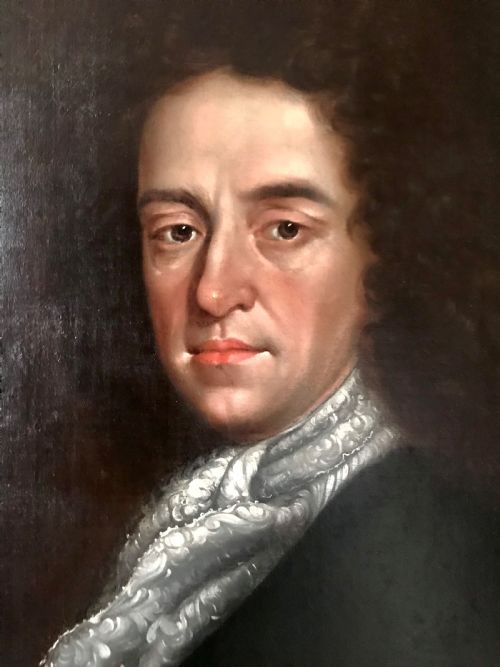
fig 2. A late 17th-century Scottish oil portrait depicting a gentleman with a dark full-bottomed wig and lace cravat set within a painted feigned oval and carved gilded wooden frame.
fig 2. Portrait of Sir Robert Anstruther C. 1694, Scottish School.

He was baptised on 24 September 1658, the third son of Sir Philip Anstruther of Anstruther, Fife, a member of the Scottish Parliament, and his wife Christian Lumsden, daughter of Sir James Lumsden of Innergellie, Fife.

Anstruther had an early spell in the Parliament of Scotland as a Burgh Commissioner for Anstruther Easter from 1681 to 1682.
Roy Precious - Antiques & Fine Art

He married Sophia Kinnear, the daughter and coheiress of David Kinnear, and adopted the additional name of Kinnear on the death of his father-in law in 1684. Sophia died in 1686 and he married as his second wife Jean Monteith, the daughter and heiress of William Monteith of Wrae, on 12 March 1687. From 1689 to 1690, unlike his brother, he served the regime of King William on various local commissions.
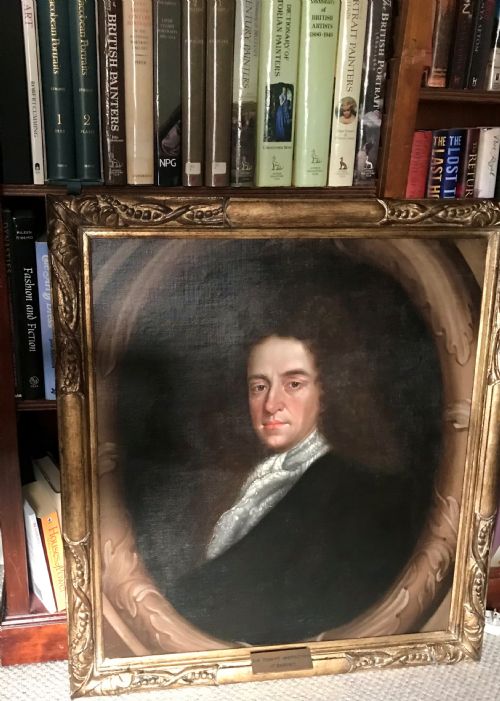
fig 3. A late 17th-century Scottish oil portrait depicting a gentleman with a dark full-bottomed wig and lace cravat set within a painted feigned oval and carved gilded wooden frame.
fig 3. Portrait of Sir Robert Anstruther C. 1694, Scottish School.

He was caught up in a double returned for Anstruther Easter, and the result was decided against him. He was given a place as one of the general receivers of supply in 1691. He was created a baronet of Wrae, Linlithgowshire and Balcaskie, Fife and Braemore, Caithness on 28 November 1694. In 1696 he was appointed joint farmer of excise, and in 1697 was appointed Clerk and Keeper of Cocquet Seal, Firth of Forth west of Queensferry. He lost at least £500 in the Darien scheme and lost money in the farm of the Scottish excise, but had married two heiresses. He was able to purchase in 1698 an estate at Balcaskie, on the Fife coast where he went on to build a house. He also served as a commissioner to the convention of royal burghs for the neighbouring burgh of Anstruther Easter. He married as his third wife, his cousin Marian Preston, the daughter of Sir William Preston, 2nd Baronet of Valleyfield, Fife.
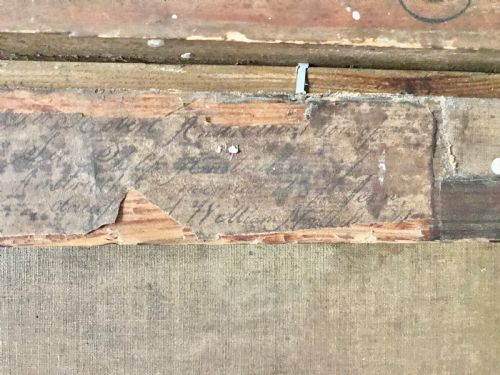
fig 4. A late 17th-century Scottish oil portrait depicting a gentleman with a dark full-bottomed wig and lace cravat set within a painted feigned oval and carved gilded wooden frame.
fig 4. Portrait of Sir Robert Anstruther C. 1694, Scottish School.

In 1702 Anstruther became Burgh Commissioner for Anstruther Wester. He opposed the Union and took part in the protests in 1705 against the treaty act. In Parliament he was frequently absent in the divisions on the Union and five of his only six votes were on the opposition side. He probably acted according to the influence of the Court Tory Lord Leven. He lost his seat and his government posts in 1707.
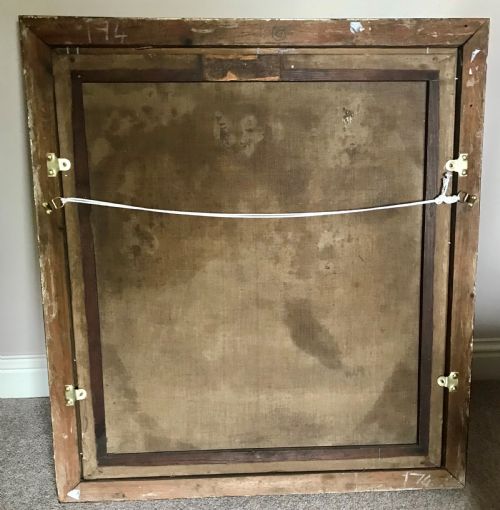
fig 5. A late 17th-century Scottish oil portrait depicting a gentleman with a dark full-bottomed wig and lace cravat set within a painted feigned oval and carved gilded wooden frame.
fig 5. Portrait of Sir Robert Anstruther C. 1694, Scottish School.

After the union of Scotland with England, Anstruther was returned to the new Parliament of Great Britain as Member of Parliament for Fife at a by-election on 24 March 1709. There was little time for him to make any impression and he did not stand at the 1710 British general election.
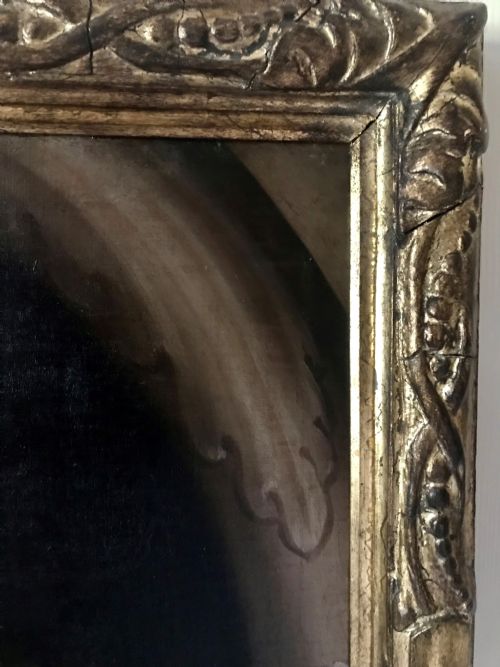
fig 6. A late 17th-century Scottish oil portrait depicting a gentleman with a dark full-bottomed wig and lace cravat set within a painted feigned oval and carved gilded wooden frame.
fig 6. Portrait of Sir Robert Anstruther C. 1694, Scottish School.

Anstruther died in March 1737. He had had five sons and two daughters by his second wife and one son and two daughters by his third wife. One of his sons was killed at the Battle of Preston in 1715 in the first Jacobite Rebellion, and another rose to the rank of general in the service of the Hanoverians. He was succeeded by his eldest son Philip Anstruther.

SIZE: 32.25 x 29.25 inches including the frame.

PROVENANCE: by family descent to Kilmany House, Fife. Verso: an old handwritten label, mostly illegible, though the sitter's name can be made out.

Height
82cm (32.28")
Width
74cm (29.13")
Depth
5cm (1.97")
Date of Manufacture

Roy Precious - Antiques & Fine Art has dated this 17th Century Portrait Painting to the 1700s.

Reference Numbers
Sellingantiques Ref
SA843292
Dealers Internal Ref
9228
Roy Precious - Antiques & Fine Art
Sellingantiques verified Since Mar 2003

Roy and nadine precious: specialists in portraiture from the 16th to the 20th century. Established in 1972.

Dealer Profile

You can view the stock and full dealer information on the Roy Precious - Antiques & Fine Art Profile Page
PDF SHARE
SAVE
A late 17th-century Scottish oil portrait depicting a gentleman with a dark full-bottomed wig and lace cravat set within a painted feigned oval and carved gilded wooden frame.
1 / 7
Archive I A late 17th-century Scottish oil portrait depicting a gentleman with a dark full-bottomed wig and lace cravat set within a painted feigned oval and carved gilded wooden frame.

Portrait of Sir Robert Anstruther c. 1694, Scottish School.

Archive II A late 17th-century Scottish oil portrait depicting a gentleman with a dark full-bottomed wig and lace cravat set within a painted feigned oval and carved gilded wooden frame. View II
Archive III A late 17th-century Scottish oil portrait depicting a gentleman with a dark full-bottomed wig and lace cravat set within a painted feigned oval and carved gilded wooden frame. View III
Archive IV A late 17th-century Scottish oil portrait depicting a gentleman with a dark full-bottomed wig and lace cravat set within a painted feigned oval and carved gilded wooden frame. View IV
Archive V A late 17th-century Scottish oil portrait depicting a gentleman with a dark full-bottomed wig and lace cravat set within a painted feigned oval and carved gilded wooden frame. View V
Archive VI A late 17th-century Scottish oil portrait depicting a gentleman with a dark full-bottomed wig and lace cravat set within a painted feigned oval and carved gilded wooden frame. View VI
Archive VII A late 17th-century Scottish oil portrait depicting a gentleman with a dark full-bottomed wig and lace cravat set within a painted feigned oval and carved gilded wooden frame. View VII
FURTHER BROWSING

Visitors also looked at these ⇣

Enlarged Archival View
Location
Wiltshire
United Kingdom
Dealer Profile Page sellingantiques.co.uk/rp
Verified Since Mar 2003
Items For Sale 95
Items Sold 679
Roy Precious - Antiques & Fine Art
Verified Since Mar 2003
View Dealer Info
Location: Wiltshire, United Kingdom
Verified
Mar 2003
For Sale
95
Sold
679
A late 17th-century Scottish oil portrait depicting a gentleman with a dark full-bottomed wig and lace cravat set within a painted feigned oval and carved gilded wooden frame.
Portrait of Sir Robert Anstruther c. 1694, Scottish School.
Ref: SA843292
A late 17th-century Scottish oil portrait depicting a gentleman with a dark full-bottomed wig and lace cravat set within a painted feigned oval and carved gilded wooden frame.
Detail View 1
Detail View 2
Detail View 3
Detail View 4
Detail View 5
Detail View 6
Archival Detail
Every single antique dealer on our platform is individually approved by our internal team. We verify their professional trade history, ethical standards, and photographic quality to ensure a secure, high-standard buying environment. Upon joining, every dealer agrees to a strict 9-point code of conduct. While issues can occasionally arise, our dealers typically resolve them swiftly and directly with the buyer. In fact, since our founding in 2002, Sellingantiques has only had to step in to help resolve an issue on roughly five occasions—a true testament to the quality of our dealers and their dedication to your happiness.
Our dealers are highly experienced in packing and shipping fragile, high-value antiques. Because you are in direct contact with the dealer, you will be able to easily go through all available shipping and insurance options together to ensure your item arrives safely.
Antiques are the ultimate green purchase. By choosing historical pieces over newly manufactured goods, you completely eliminate the carbon footprint of modern mass production while preserving exceptional, timeless craftsmanship.

Portraiture of this period was heavily influenced by Continental and Dutch Baroque styles, often depicting sitters within painted oval spandrels or feigned ovals. Works typically emphasised status, family lineage, and authority through detailed renderings of formal attire, wigs, and neckwear.

Painters during this era utilised oil pigments ground from natural minerals and earth, applied to hand-stretched linen canvas. Frames were carved from softwoods and finished with water gilding using gold leaf over a clay bole ground.

Authentic paintings from this era exhibit natural age-related craquelure across the paint surface, historic stretcher marks, and evidence of hand-carved joinery on the stretcher bars and gilt frame. Period costuming, such as full-bottomed wigs and lace cravats, also helps date the work.

An antique portrait creates a striking focal point when hung against dark moody paint tones or classic timber panelling. Pairing traditional art with clean contemporary furniture creates an engaging, eclectic contrast within modern interiors.

Keep the canvas away from direct sunlight, heat sources, and fluctuating humidity to prevent cracking and canvas warp. Dust the frame gently with a soft, dry camel-hair brush, avoiding commercial cleaners or water on gilded areas.
items
Add keywords to the filter
Price
£100
£250000
Era
Movements
Material
Origin
Stock Location
Freshness
Online Payments
Categories