22,951  PAGES BROWSED TODAY PAGES TODAY 36  ANTIQUES UPLOADED TODAY NEW ARRIVALS
ID #SA837552
FOR SALE
£2,500
Email
Save
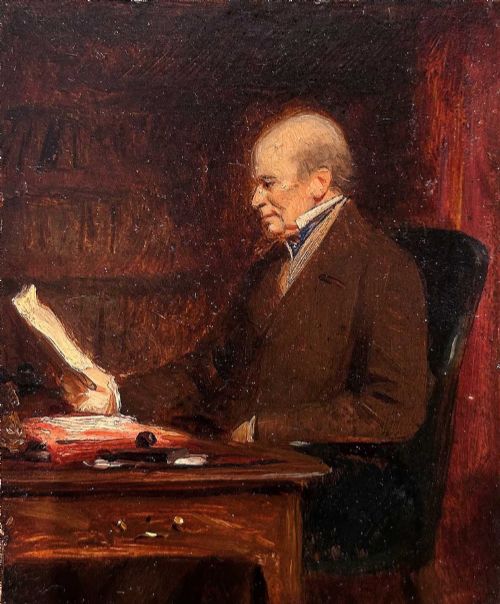
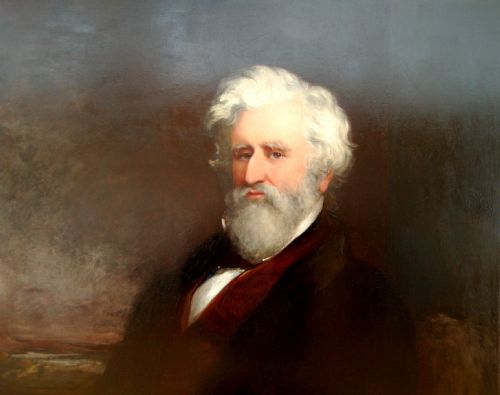
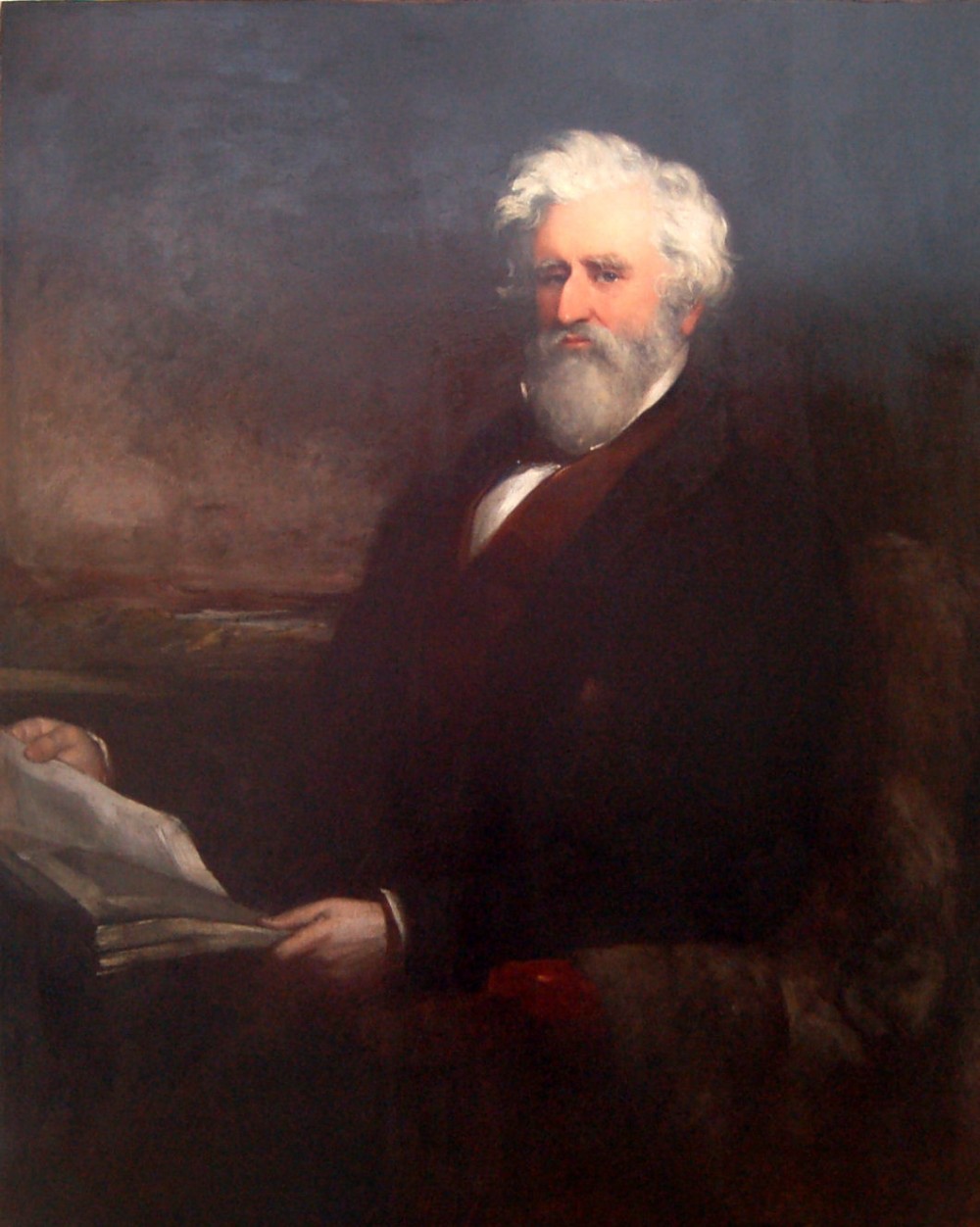
Attributed to George Frederic Watts, 1817-1904 Portrait of General Sir William Francis Patrick Napier, K.c.b. 1751 - 1860 Oil on Canvas 50 X 40 In. (127 X 101 Cm.)
Artware Fineart
for sale €2,925     $3,175
£2,500

Artware Fineart

Sellingantiques Verified Since Sep 2008
View Dealers Stock Page
Id #SA837552
PDF SHARE
SAVE

Attributed to George Frederic Watts, 1817-1904 Portrait of General Sir William Francis Patrick Napier, K.c.b. 1751 - 1860 Oil on Canvas 50 X 40 In. (127 X 101 Cm.)

19th century
For Sale by Artware Fineart
Description

Attributed to George Frederic Watts, 1817-1904

Portrait of General Sir William Francis Patrick Napier, K.C.B. 1751 - 1860

oil on canvas

50 x 40 in. (127 x 101 cm.)

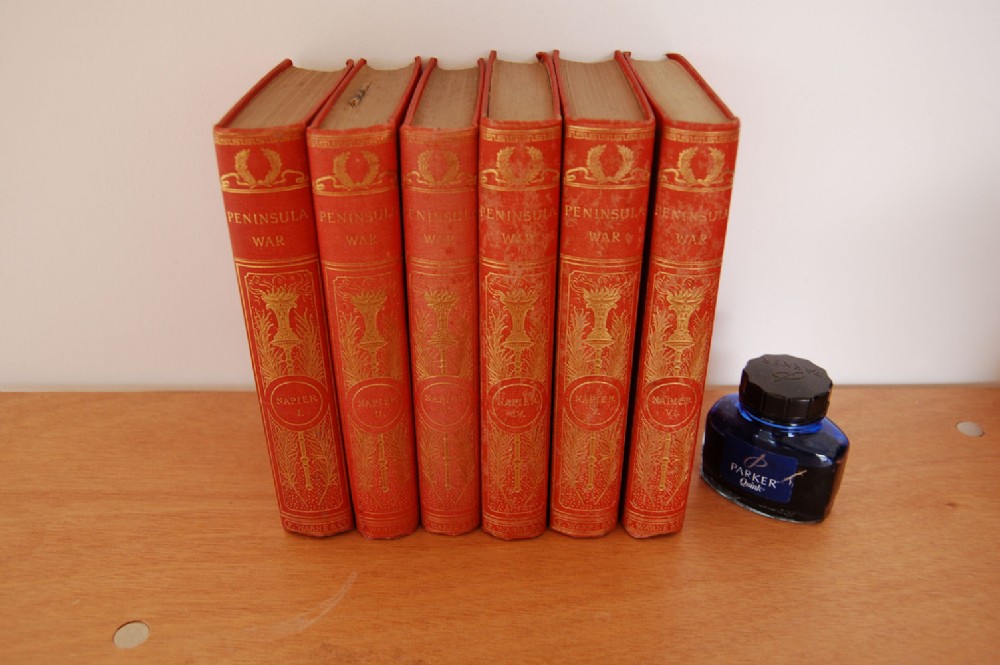
sold with 6 volumes of the History of the War in the Peninsula and in the South of France from the Year 1807 to the Year 1814. 6 vols (complete) by Napier, W. F. P. (Major-General Sir William Francis Patrick)
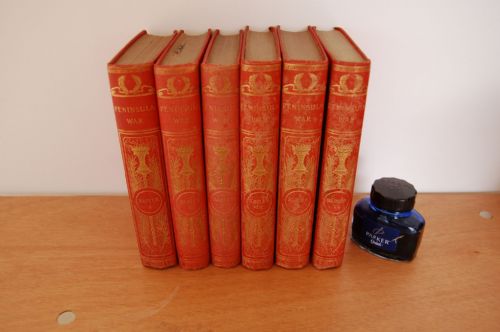
Published by Frederick Warne and Co., London, 1890 " The Chandos Classics" All six volumes in this "Chandos Classics" edition are clean and sound, with slight sunning to spines, lightly bumped spine ends. A definitive study of Napoleon's War in the Iberian Peninsula and the southern parts of France. Part of the Chandos Classics series, there is no date stated, but this edition is believed to have been printed in 1890
Provenance

Elizabeth Marianne Napier, 2nd daughter of the Sitter,who married the 4th Earl of Arran and thence by descent to the Earl and Countess of Arran, Castle Hill, Devon

Notes

Napier, Sir William Francis Patrick (1785–1860), army officer and writer, born at Celbridge, co. Kildare, on 17 December 1785 was third son of Colonel the Hon. George Napier (1751–1804) and his second wife, Sarah (1745–1826), née Lennox, formerly married to Sir Thomas Bunbury. He had four brothers—General Charles James Napier (1782–1853), Lieutenant-General George Thomas Napier (1784–1855), Captain Henry Edward Napier RN (1789–1853), and Richard, QC—as well as a half-sister, Louisa (d. 1854), from his father's first marriage, and three sisters (Emily, Cecilia, and Caroline). The Napiers claimed descent from Scott of Thirlestane and John Napier, the inventor of logarithms; William's mother, daughter of the second duke of Richmond, from Charles II.

Napier spent his youth at Celbridge House, according to his sister Emily attending ‘the village school’ but spending ‘much of his time with a vagabond called Scully … [who was] something of a poacher’ (Bruce, 1.7). From an early age Napier showed pugnacious self-reliance, once effectively wielding a large bag of marbles against a troublesome bully, and, during the 1798 Irish rising, the five Napier boys were armed to defend the family home. William Napier was commissioned second-lieutenant in the Royal Irish Artillery on 14 June 1800, became a lieutenant in the 62nd foot on 18 April 1801, and went on half pay after the peace of Amiens in March 1802. Through its colonel and his uncle, the duke of Richmond, on 22 August 1803 Napier acquired a cornetcy in the Horse Guards, moving as lieutenant on 28 December 1803 to the 52nd light infantry, part of Major-General John Moore's light brigade at Shorncliffe. Impressed by Napier, Moore thereafter took a close interest in his career. Napier nominally secured a company in a West India regiment on 2 June 1804, and shortly afterwards a battalion of reserve. On 11 August he became a captain in the 43rd light infantry at Shorncliffe, when the 43rd had a poor professional reputation. In the words of a fellow officer, showing an aptitude for ‘leaping, running, swimming &c’ and displaying ‘naturally polished, pleasing, gay manners’ (ibid., 1.24), Napier soon transformed his company.

Two months after Napier's father died, in December 1804 Captain Charles Stanhope of the 52nd introduced him to his uncle, William Pitt, though the association had no political effect on Napier. In 1806 Napier went to Ireland to recruit militia volunteers for line regiments. The following year, he and the 43rd sailed with the British expedition to Denmark and fought at Kjöge, before the 43rd returned to Maldon and then Colchester. The 43rd embarked for Corunna on 13 September 1808, on arrival marching inland to Villafranca, where it formed part of the rear-guard covering Moore's retreat to Corunna; Napier spent two days and nights under attack at the Esla River, while his men demolish

Physical Dimensions
Height
127cm (50.00")
Width
101cm (39.76")
Depth
2cm (0.79")
Declaration

Artware Fineart has dated this Victorian Oil Portrait Painting to the 19th Century.

Reference Numbers
Sellingantiques Reference
SA837552
Dealers Internal Reference
3641
Description
Attributed to George Frederic Watts, 1817-1904

Portrait of General Sir William Francis Patrick Napier, K.C.B. 1751 - 1860

oil on canvas

50 x 40 in. (127 x 101 cm.)

sold with 6 volumes of the History of the War in the Peninsula and in the South of France from the Year 1807 to the Year 1814.
Artware Fineart

6 vols (complete) by Napier, W. F. P. (Major-General Sir William Francis Patrick)

fig 1. A 19th-century oil painting on canvas depicting an elderly man with white hair and beard wearing dark formal attire and holding open papers.
fig 1. Attributed to George Frederic Watts, 1817-1904 Portrait of General Sir William Francis Patrick Napier, K.c.b. 1751 - 1860 Oil on Canvas 50 X 40 In. (127 X 101 Cm.)

Published by Frederick Warne and Co., London, 1890 " The Chandos Classics" All six volumes in this "Chandos Classics" edition are clean and sound, with slight sunning to spines, lightly bumped spine ends. A definitive study of Napoleon's War in the Iberian Peninsula and the southern parts of France. Part of the Chandos Classics series, there is no date stated, but this edition is believed to have been printed in 1890

fig 2. A 19th-century oil painting on canvas depicting an elderly man with white hair and beard wearing dark formal attire and holding open papers.
fig 2. Attributed to George Frederic Watts, 1817-1904 Portrait of General Sir William Francis Patrick Napier, K.c.b. 1751 - 1860 Oil on Canvas 50 X 40 In. (127 X 101 Cm.)

Provenance

Elizabeth Marianne Napier, 2nd daughter of the Sitter,who married the 4th Earl of Arran and thence by descent to the Earl and Countess of Arran, Castle Hill, Devon

Notes

Napier, Sir William Francis Patrick (1785–1860), army officer and writer, born at Celbridge, co. Kildare, on 17 December 1785 was third son of Colonel the Hon. George Napier (1751–1804) and his second wife, Sarah (1745–1826), née Lennox, formerly married to Sir Thomas Bunbury. He had four brothers—General Charles James Napier (1782–1853), Lieutenant-General George Thomas Napier (1784–1855), Captain Henry Edward Napier RN (1789–1853), and Richard, QC—as well as a half-sister, Louisa (d. 1854), from his father's first marriage, and three sisters (Emily, Cecilia, and Caroline). The Napiers claimed descent from Scott of Thirlestane and John Napier, the inventor of logarithms; William's mother, daughter of the second duke of Richmond, from Charles II.

Napier spent his youth at Celbridge House, according to his sister Emily attending ‘the village school’ but spending ‘much of his time with a vagabond called Scully … [who was] something of a poacher’ (Bruce, 1.7). From an early age Napier showed pugnacious self-reliance, once effectively wielding a large bag of marbles against a troublesome bully, and, during the 1798 Irish rising, the five Napier boys were armed to defend the family home. William Napier was commissioned second-lieutenant in the Royal Irish Artillery on 14 June 1800, became a lieutenant in the 62nd foot on 18 April 1801, and went on half pay after the peace of Amiens in March 1802. Through its colonel and his uncle, the duke of Richmond, on 22 August 1803 Napier acquired a cornetcy in the Horse Guards, moving as lieutenant on 28 December 1803 to the 52nd light infantry, part of Major-General John Moore's light brigade at Shorncliffe. Impressed by Napier, Moore thereafter took a close interest in his career. Napier nominally secured a company in a West India regiment on 2 June 1804, and shortly afterwards a battalion of reserve. On 11 August he became a captain in the 43rd light infantry at Shorncliffe, when the 43rd had a poor professional reputation. In the words of a fellow officer, showing an aptitude for ‘leaping, running, swimming &c’ and displaying ‘naturally polished, pleasing, gay manners’ (ibid., 1.24), Napier soon transformed his company.

Two months after Napier's father died, in December 1804 Captain Charles Stanhope of the 52nd introduced him to his uncle, William Pitt, though the association had no political effect on Napier. In 1806 Napier went to Ireland to recruit militia volunteers for line regiments. The following year, he and the 43rd sailed with the British expedition to Denmark and fought at Kjöge, before the 43rd returned to Maldon and then Colchester. The 43rd embarked for Corunna on 13 September 1808, on arrival marching inland to Villafranca, where it formed part of the rear-guard covering Moore's retreat to Corunna; Napier spent two days and nights under attack at the Esla River, while his men demolish

Height
127cm (50.00")
Width
101cm (39.76")
Depth
2cm (0.79")
Date of Manufacture

Artware Fineart has dated this Victorian Oil Portrait Painting to the 19th Century.

Reference Numbers
Sellingantiques Ref
SA837552
Dealers Internal Ref
3641
Artware Fineart
Sellingantiques verified Since Sep 2008
Dealer Profile

You can view the stock and full dealer information on the Artware Fineart Profile Page
PDF SHARE
SAVE
A 19th-century oil painting on canvas depicting an elderly man with white hair and beard wearing dark formal attire and holding open papers.
1 / 3
Archive I A 19th-century oil painting on canvas depicting an elderly man with white hair and beard wearing dark formal attire and holding open papers.

Attributed to George Frederic Watts, 1817-1904 Portrait of General Sir William Francis Patrick Napier, K.c.b. 1751 - 1860 Oil on Canvas 50 X 40 In. (127 X 101 Cm.)
Archive II A 19th-century oil painting on canvas depicting an elderly man with white hair and beard wearing dark formal attire and holding open papers. View II
Archive III A 19th-century oil painting on canvas depicting an elderly man with white hair and beard wearing dark formal attire and holding open papers. View III
FURTHER BROWSING

Visitors also looked at these ⇣

Enlarged Archival View
Telephone 07958 699 645
Location
18 La Gare
51 Surrey Row
London
SE1 0BZ
United Kingdom
Verified Since Sep 2008
Items For Sale 243
Items Sold 223
Artware Fineart
Verified Since Sep 2008
View Dealer Info
Location: 18 La Gare , 51 Surrey Row , London , SE1 0BZ , United Kingdom
Verified
Sep 2008
For Sale
243
Sold
223
A 19th-century oil painting on canvas depicting an elderly man with white hair and beard wearing dark formal attire and holding open papers.
Attributed to George Frederic Watts, 1817-1904 Portrait of General Sir William Francis Patrick Napier, K.C.B. 1751 - 1860 oil on canvas 50 x 40 in. (127 x 101 cm.)
Ref: SA837552
A 19th-century oil painting on canvas depicting an elderly man with white hair and beard wearing dark formal attire and holding open papers.
Detail View 1
Detail View 2
Archival Detail
Every single antique dealer on our platform is individually approved by our internal team. We verify their professional trade history, ethical standards, and photographic quality to ensure a secure, high-standard buying environment. Upon joining, every dealer agrees to a strict 9-point code of conduct. While issues can occasionally arise, our dealers typically resolve them swiftly and directly with the buyer. In fact, since our founding in 2002, Sellingantiques has only had to step in to help resolve an issue on roughly five occasions—a true testament to the quality of our dealers and their dedication to your happiness.
Our dealers are highly experienced in packing and shipping fragile, high-value antiques. Because you are in direct contact with the dealer, you will be able to easily go through all available shipping and insurance options together to ensure your item arrives safely.
Antiques are the ultimate green purchase. By choosing historical pieces over newly manufactured goods, you completely eliminate the carbon footprint of modern mass production while preserving exceptional, timeless craftsmanship.

Victorian portraiture is recognised for its realistic depiction of sitters, formal compositions, and rich tonal palette. Artists frequently used chiaroscuro lighting to highlight the face while maintaining dark, subdued backgrounds to emphasise the subjects character and social status.

Painters during this period predominantly worked with oil paints composed of natural pigments and linseed oil applied to hand-stretched linen or cotton canvas. Wooden stretcher bars held the canvas taut, and finished works were sealed with natural resin varnish.

Authenticity is evaluated through physical examination of age-appropriate craquelure patterns across the paint surface, natural oxidation of the canvas backing, period-accurate stretcher joints, and brushwork techniques consistent with documented artists of the era.

A substantial historical portrait creates an effective focal point when mounted above a mantelpiece or sideboard in contemporary or eclectic spaces. Surrounding the piece with minimalist furniture and neutral walls allows the deep tones and historical narrative to stand out.

Preserve oil paintings by hanging them away from direct sunlight, dampness, and heat sources to prevent cracking or warping. Dust gently with a soft dry brush and consult a professional art conservator for surface cleaning or varnish restoration.
items
Add keywords to the filter
Price
£100
£250000
Era
Movements
Material
Origin
Stock Location
Freshness
Online Payments
Categories