8,310  PAGES BROWSED TODAY PAGES TODAY 36  ANTIQUES UPLOADED TODAY NEW ARRIVALS
ID #SA835011
FOR SALE
£6,950
Email Buy
Save
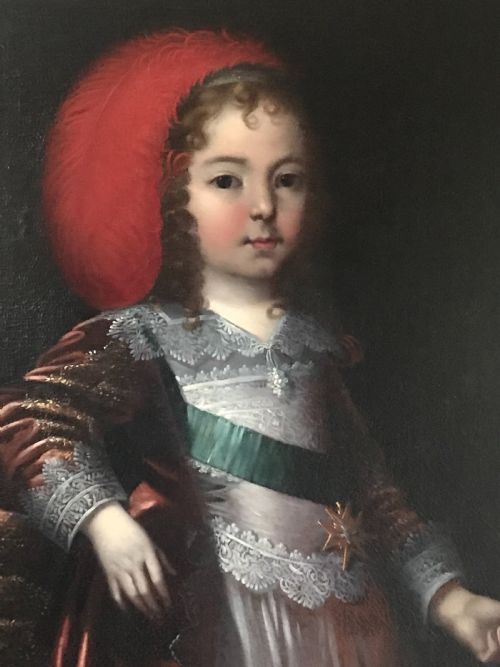
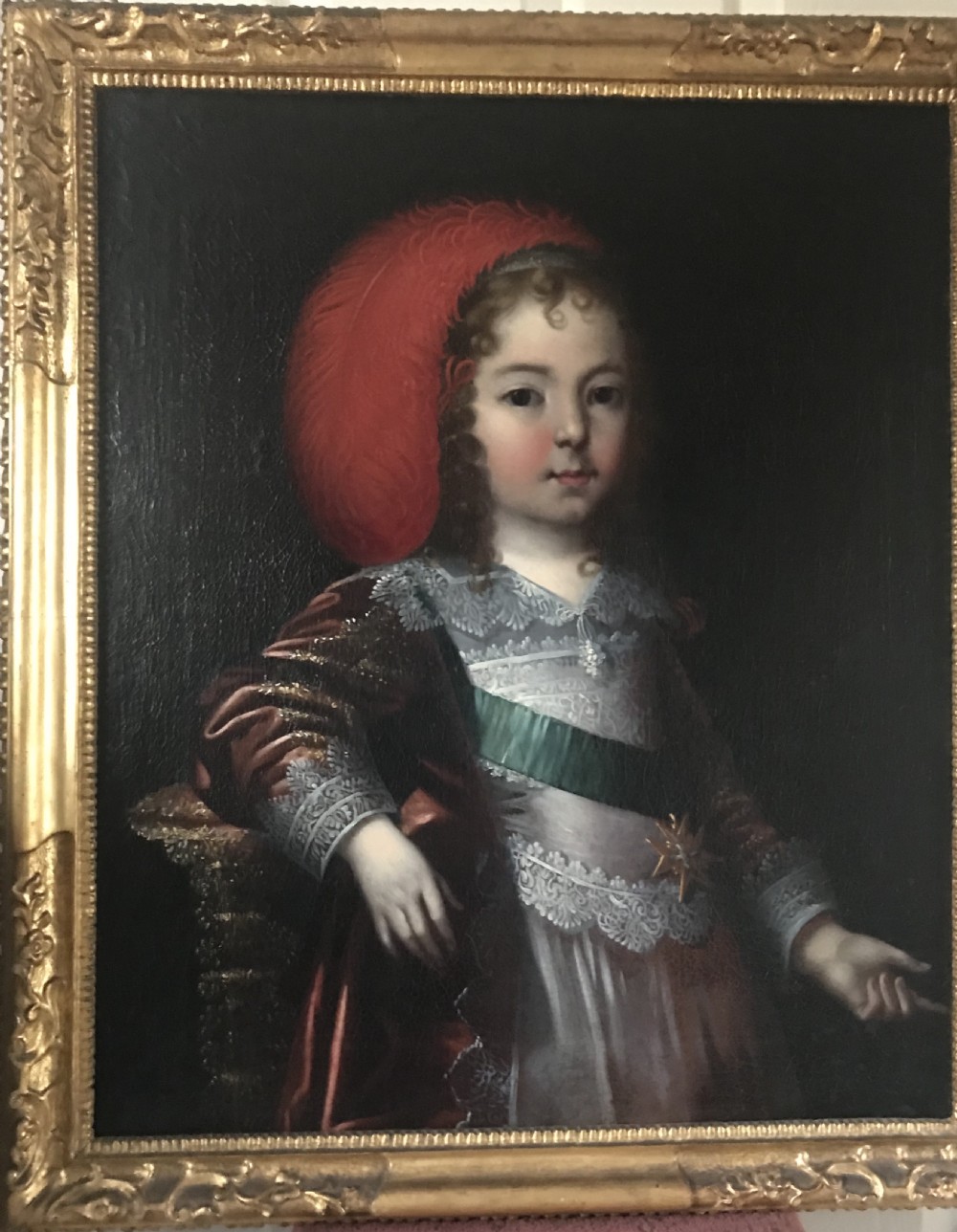
Portrait of Louis Xiv as a Child C. 1668; Studio or Circle of Beaubrun.
Roy Precious - Antiques & Fine Art
for sale €8,132     $8,827
£6,950
Roy Precious - Antiques & Fine Art

Roy Precious - Antiques & Fine Art

Sellingantiques Verified Since Mar 2003
View Dealers Stock Page
  • About Us
    Roy and nadine precious: specialists in portraiture from the 16th to the 20th century. Established in 1972.
Id #SA835011
PDF SHARE
SAVE

Portrait of Louis Xiv as a Child C. 1668; Studio or Circle of Beaubrun.

16th century
Description

Oil on canvas in a period carved and giltwood frame.

Louis was born on 5 September 1638 at St Germain-en-Laye. He became king at the age of four on the death of his father, Louis XIII.
While Louis was a child, his mother, Anne of Austria, served as regent, assisted by Louis XIII's chief minister, Cardinal Mazarin.

Louis's early years were marked by a series of rebellions against his mother and Mazarin, which were known as the 'Fronde'. These created in him a lifelong fear of rebellion, and a dislike of Paris, prompting him to spend more and more time in Versailles, southwest of Paris. In 1660, he married Maria Theresa, daughter of Philip IV of Spain.
When Mazarin died in 1661, the 23-year-old Louis decided to rule without a chief minister. He regarded himself as an absolute monarch, with his power coming directly from God. He carefully cultivated his image and took the sun as his emblem, and was known as The Sun King. Between 1661 and 1689, he built a magnificent palace at Versailles and moved his government there from Paris in 1682.
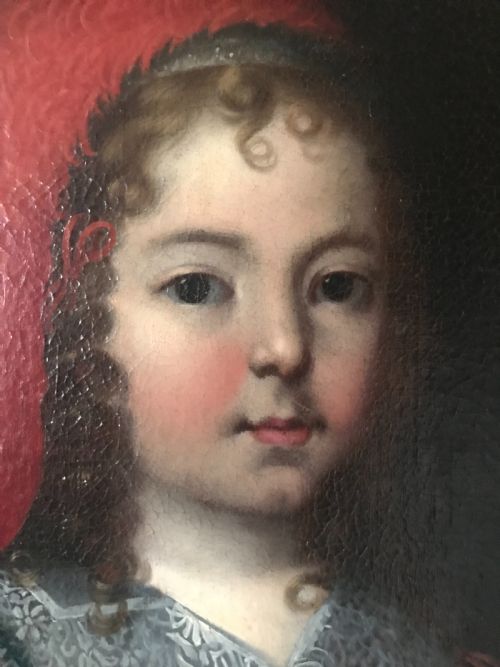
In the early part of his reign, Louis worked with his finance minister, Jean-Baptiste Colbert, to tighten central control over the country, reviving the use of regional royal officials, 'intendants' and carrying out other financial and administrative reorganisation. Louis also expanded the French army and navy.
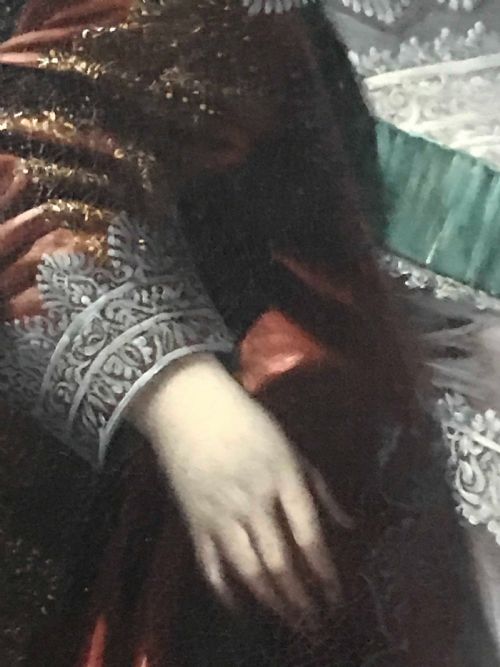
Louis's reign was marked by aggressive French foreign policies. After the death of his father-in-law, Louis claimed part of the Spanish Netherlands and launched the War of Dutch Devolution (1667-1668). In the Second Dutch War, he failed to crush the Dutch, led by William of Orange, but made significant territorial gains.
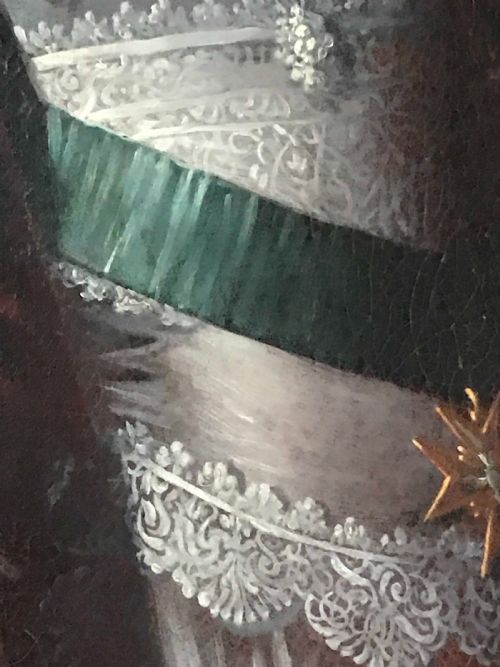
In 1685, Louis, a devout Catholic, revoked the Edict of Nantes which had allowed freedom of worship to French Protestants (Huguenots). Around 200,000 Huguenots, many of them skilled craftsmen, fled to Holland and England.
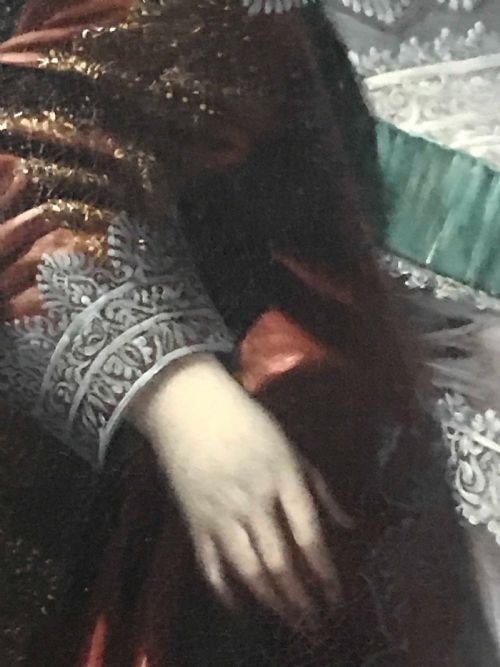
The last three decades of Louis's reign were marked by almost constant warfare. France was now the dominant power on the continent and other European nations felt threatened by this supremacy. The War of the League of Augsburg (1688-1697), followed by the War of the Spanish Succession (1701-1714) severely strained French resources. In the War of the Spanish Succession, for the first time in nearly a century France consistently lost battles, most notably at Blenheim in 1704 and Ramillies in 1706.
Louis XIV died on 1 September 1715, shortly after the Peace of Utrecht which ended the War of the Spanish Succession. As his eldest son and grandson had died before him, his great-grandson succeeded him as Louis XV.
CHARLES BEAUBRUN (1604–1692) was a French portrait painter active in Paris between 1630 and 1670.

He was born at Amboise, a member of a distinguished family of painters.

He studied under his uncle Louis Beaubrun (d. 1627). He and his cousin Henri Beaubrun (II (1603–1677), were portrait painters in the courts of King Louis XIII and Louis XIV of France. Some of his work is jointly attributed to Henri. His youngest brother, Michel Beaubrun (d 1642), was also a painter. Charles died at Paris in 1692.

SIZE: 32 x 27.5 inches framed.

PROVENANCE: The Collection of the late Anne, Lady Winnington of Brockhill Court, Worcestershire, and London.

Physical Dimensions
Height
81cm (31.89")
Width
70cm (27.56")
Depth
5cm (1.97")
Declaration

Roy Precious - Antiques & Fine Art has dated this 17th Century Oil Portrait to the 16th Century.

Reference Numbers
Sellingantiques Reference
SA835011
Dealers Internal Reference
9050
Description
Oil on canvas in a period carved and giltwood frame.

Louis was born on 5 September 1638 at St Germain-en-Laye. He became king at the age of four on the death of his father, Louis XIII.

While Louis was a child, his mother, Anne of Austria, served as regent, assisted by Louis XIII's chief minister, Cardinal Mazarin.
Roy Precious - Antiques & Fine Art
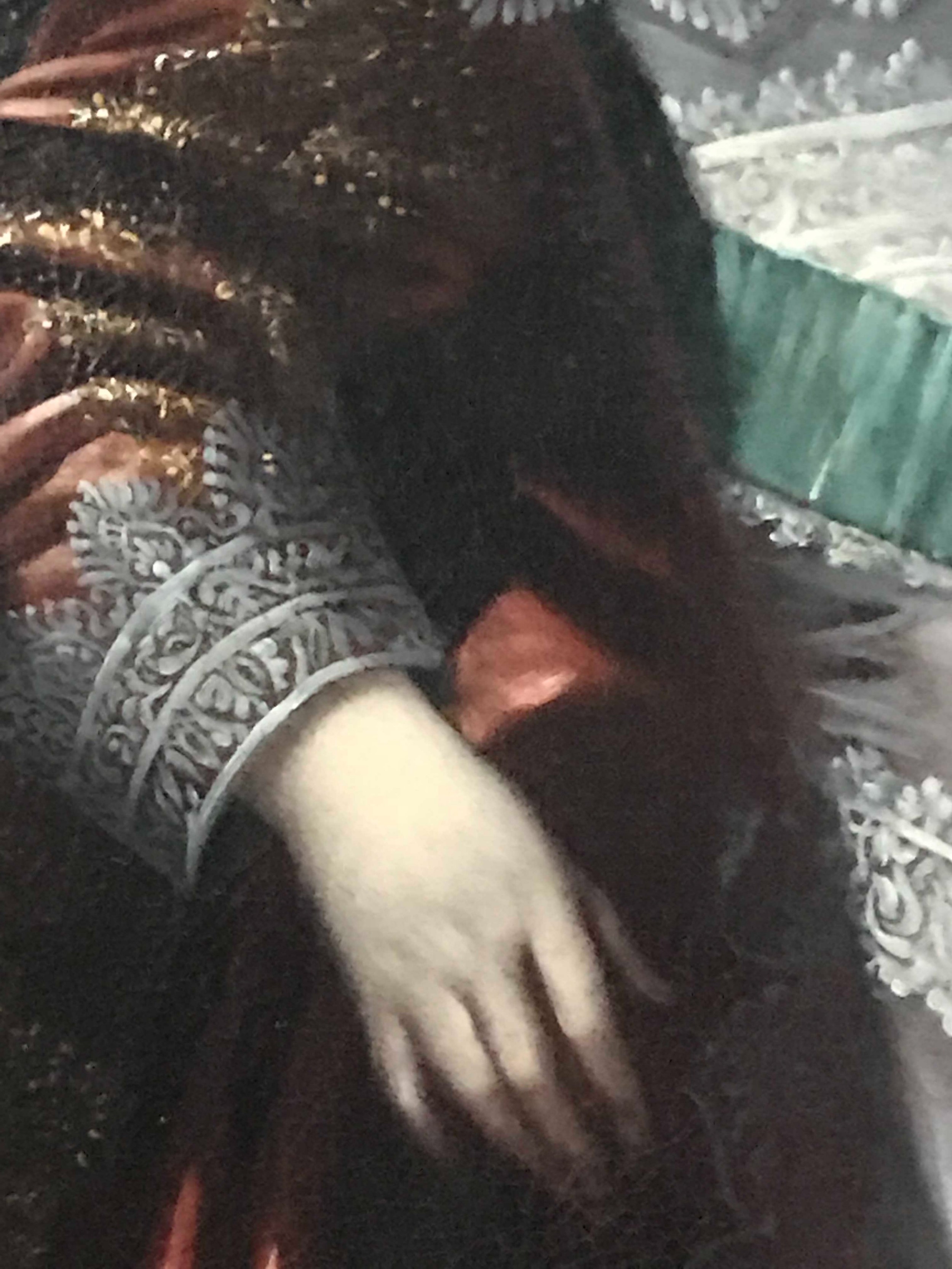
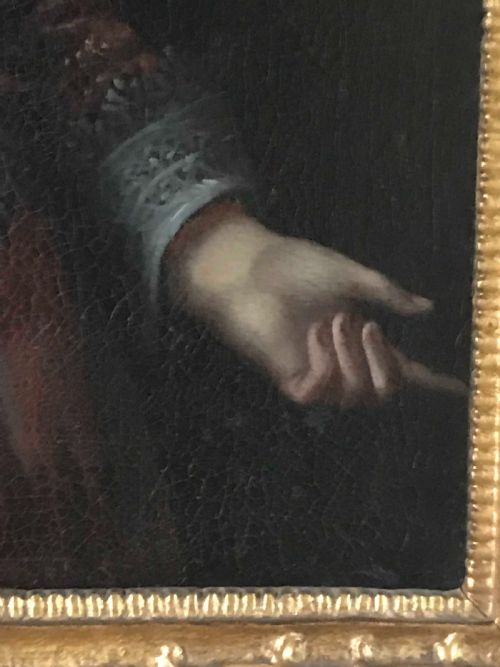
fig 1. A seventeenth-century Baroque oil painting on canvas depicting a young child wearing a crimson feathered hat and ornate lace attire within a gilded wood frame.
fig 1. Portrait of Louis Xiv as a Child C. 1668; Studio or Circle of Beaubrun.

Louis's early years were marked by a series of rebellions against his mother and Mazarin, which were known as the 'Fronde'. These created in him a lifelong fear of rebellion, and a dislike of Paris, prompting him to spend more and more time in Versailles, southwest of Paris. In 1660, he married Maria Theresa, daughter of Philip IV of Spain.

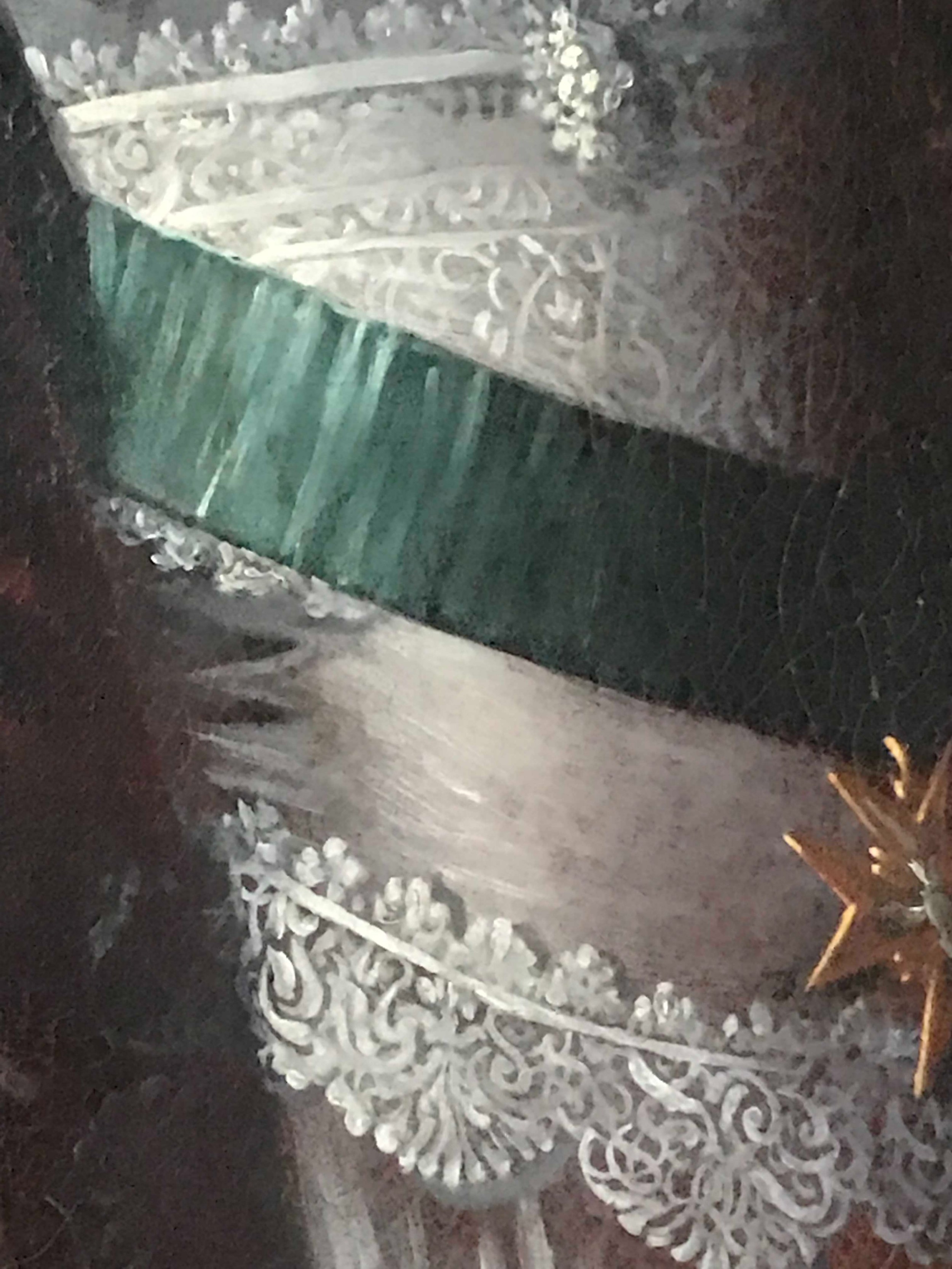
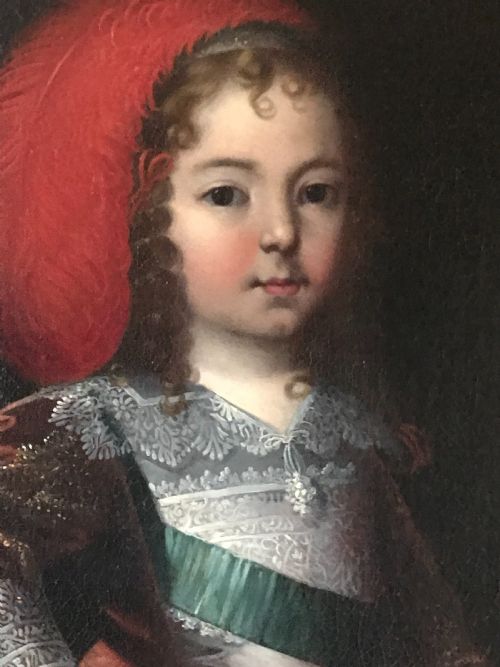
fig 2. A seventeenth-century Baroque oil painting on canvas depicting a young child wearing a crimson feathered hat and ornate lace attire within a gilded wood frame.
fig 2. Portrait of Louis Xiv as a Child C. 1668; Studio or Circle of Beaubrun.

When Mazarin died in 1661, the 23-year-old Louis decided to rule without a chief minister. He regarded himself as an absolute monarch, with his power coming directly from God. He carefully cultivated his image and took the sun as his emblem, and was known as The Sun King. Between 1661 and 1689, he built a magnificent palace at Versailles and moved his government there from Paris in 1682.

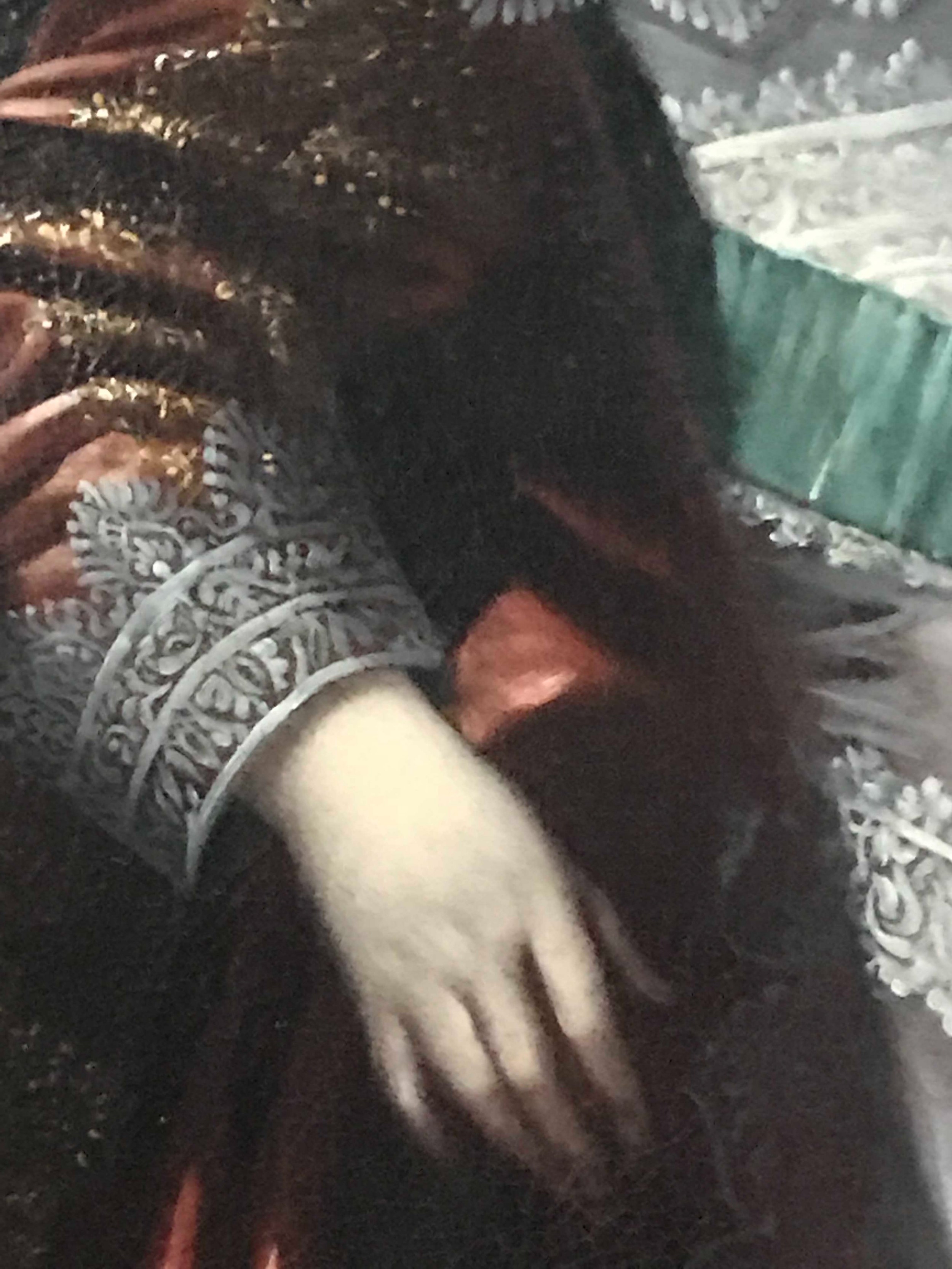
fig 3. A seventeenth-century Baroque oil painting on canvas depicting a young child wearing a crimson feathered hat and ornate lace attire within a gilded wood frame.
fig 3. Portrait of Louis Xiv as a Child C. 1668; Studio or Circle of Beaubrun.

In the early part of his reign, Louis worked with his finance minister, Jean-Baptiste Colbert, to tighten central control over the country, reviving the use of regional royal officials, 'intendants' and carrying out other financial and administrative reorganisation. Louis also expanded the French army and navy.

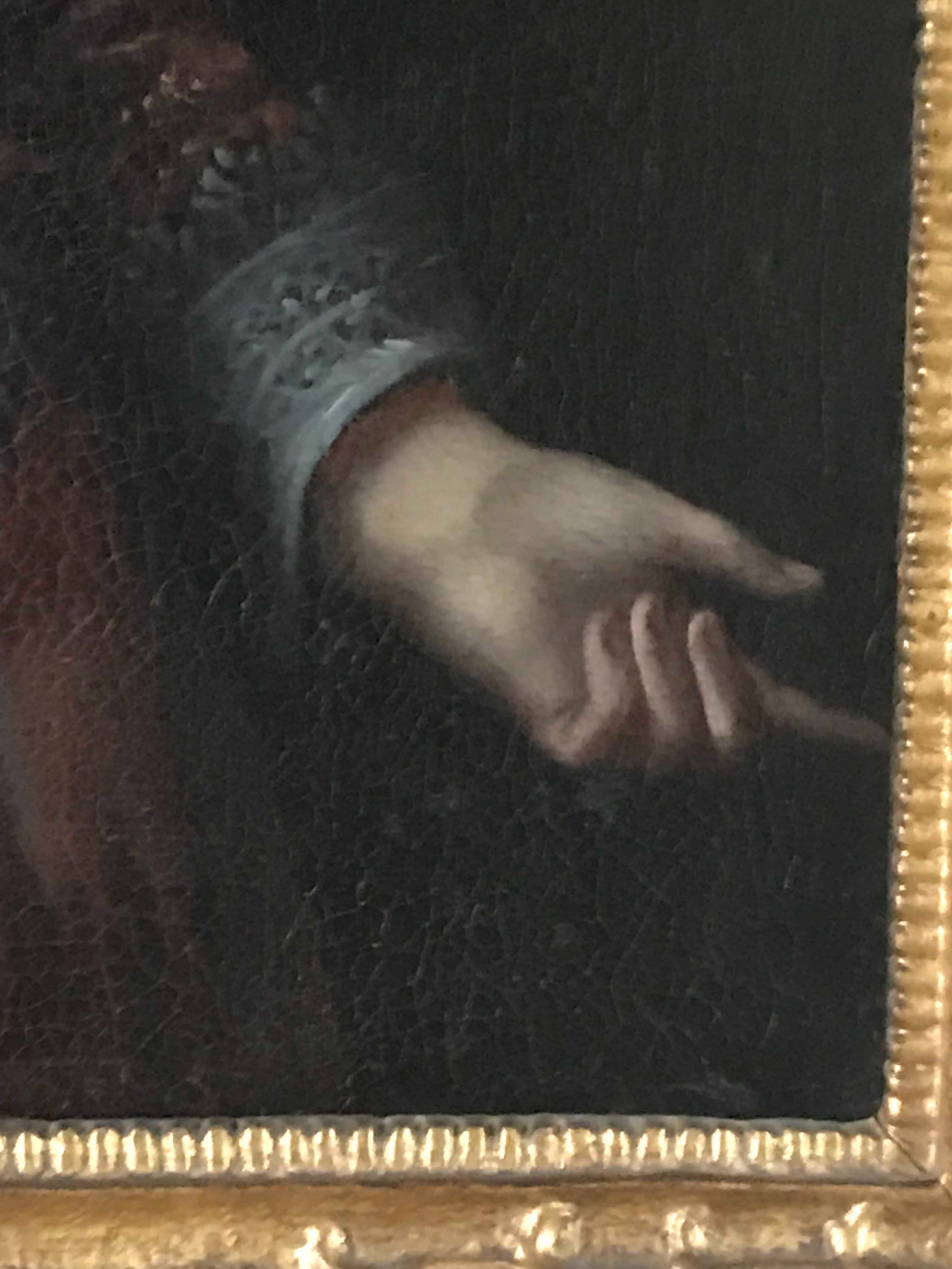
fig 4. A seventeenth-century Baroque oil painting on canvas depicting a young child wearing a crimson feathered hat and ornate lace attire within a gilded wood frame.
fig 4. Portrait of Louis Xiv as a Child C. 1668; Studio or Circle of Beaubrun.

Louis's reign was marked by aggressive French foreign policies. After the death of his father-in-law, Louis claimed part of the Spanish Netherlands and launched the War of Dutch Devolution (1667-1668). In the Second Dutch War, he failed to crush the Dutch, led by William of Orange, but made significant territorial gains.

fig 5. A seventeenth-century Baroque oil painting on canvas depicting a young child wearing a crimson feathered hat and ornate lace attire within a gilded wood frame.
fig 5. Portrait of Louis Xiv as a Child C. 1668; Studio or Circle of Beaubrun.

In 1685, Louis, a devout Catholic, revoked the Edict of Nantes which had allowed freedom of worship to French Protestants (Huguenots). Around 200,000 Huguenots, many of them skilled craftsmen, fled to Holland and England.

fig 6. A seventeenth-century Baroque oil painting on canvas depicting a young child wearing a crimson feathered hat and ornate lace attire within a gilded wood frame.
fig 6. Portrait of Louis Xiv as a Child C. 1668; Studio or Circle of Beaubrun.

The last three decades of Louis's reign were marked by almost constant warfare. France was now the dominant power on the continent and other European nations felt threatened by this supremacy. The War of the League of Augsburg (1688-1697), followed by the War of the Spanish Succession (1701-1714) severely strained French resources. In the War of the Spanish Succession, for the first time in nearly a century France consistently lost battles, most notably at Blenheim in 1704 and Ramillies in 1706.

fig 7. A seventeenth-century Baroque oil painting on canvas depicting a young child wearing a crimson feathered hat and ornate lace attire within a gilded wood frame.
fig 7. Portrait of Louis Xiv as a Child C. 1668; Studio or Circle of Beaubrun.

Louis XIV died on 1 September 1715, shortly after the Peace of Utrecht which ended the War of the Spanish Succession. As his eldest son and grandson had died before him, his great-grandson succeeded him as Louis XV.

fig 8. A seventeenth-century Baroque oil painting on canvas depicting a young child wearing a crimson feathered hat and ornate lace attire within a gilded wood frame.
fig 8. Portrait of Louis Xiv as a Child C. 1668; Studio or Circle of Beaubrun.

CHARLES BEAUBRUN (1604–1692) was a French portrait painter active in Paris between 1630 and 1670.

He was born at Amboise, a member of a distinguished family of painters.

He studied under his uncle Louis Beaubrun (d. 1627). He and his cousin Henri Beaubrun (II (1603–1677), were portrait painters in the courts of King Louis XIII and Louis XIV of France. Some of his work is jointly attributed to Henri. His youngest brother, Michel Beaubrun (d 1642), was also a painter. Charles died at Paris in 1692.

SIZE: 32 x 27.5 inches framed.

PROVENANCE: The Collection of the late Anne, Lady Winnington of Brockhill Court, Worcestershire, and London.

Height
81cm (31.89")
Width
70cm (27.56")
Depth
5cm (1.97")
Date of Manufacture

Roy Precious - Antiques & Fine Art has dated this 17th Century Oil Portrait to the 16th Century.

Reference Numbers
Sellingantiques Ref
SA835011
Dealers Internal Ref
9050
Roy Precious - Antiques & Fine Art
Sellingantiques verified Since Mar 2003

Roy and nadine precious: specialists in portraiture from the 16th to the 20th century. Established in 1972.

Dealer Profile

You can view the stock and full dealer information on the Roy Precious - Antiques & Fine Art Profile Page
PDF SHARE
SAVE
A seventeenth-century Baroque oil painting on canvas depicting a young child wearing a crimson feathered hat and ornate lace attire within a gilded wood frame.
1 / 9
Archive I A seventeenth-century Baroque oil painting on canvas depicting a young child wearing a crimson feathered hat and ornate lace attire within a gilded wood frame.

Portrait of Louis XIV as a Child c. 1668; Studio or Circle of Beaubrun.

Archive II A seventeenth-century Baroque oil painting on canvas depicting a young child wearing a crimson feathered hat and ornate lace attire within a gilded wood frame. View II
Archive III A seventeenth-century Baroque oil painting on canvas depicting a young child wearing a crimson feathered hat and ornate lace attire within a gilded wood frame. View III
Archive IV A seventeenth-century Baroque oil painting on canvas depicting a young child wearing a crimson feathered hat and ornate lace attire within a gilded wood frame. View IV
Archive V A seventeenth-century Baroque oil painting on canvas depicting a young child wearing a crimson feathered hat and ornate lace attire within a gilded wood frame. View V
Archive VI A seventeenth-century Baroque oil painting on canvas depicting a young child wearing a crimson feathered hat and ornate lace attire within a gilded wood frame. View VI
Archive VII A seventeenth-century Baroque oil painting on canvas depicting a young child wearing a crimson feathered hat and ornate lace attire within a gilded wood frame. View VII
Archive VIII A seventeenth-century Baroque oil painting on canvas depicting a young child wearing a crimson feathered hat and ornate lace attire within a gilded wood frame. View VIII
Archive IX A seventeenth-century Baroque oil painting on canvas depicting a young child wearing a crimson feathered hat and ornate lace attire within a gilded wood frame. View IX
FURTHER BROWSING

Visitors also looked at these ⇣

Enlarged Archival View
Location
Wiltshire
United Kingdom
Dealer Profile Page sellingantiques.co.uk/rp
Verified Since Mar 2003
Items For Sale 95
Items Sold 679
Roy Precious - Antiques & Fine Art
Verified Since Mar 2003
View Dealer Info
Location: Wiltshire, United Kingdom
Verified
Mar 2003
For Sale
95
Sold
679
A seventeenth-century Baroque oil painting on canvas depicting a young child wearing a crimson feathered hat and ornate lace attire within a gilded wood frame.
Portrait of Louis XIV as a Child c. 1668; Studio or Circle of Beaubrun.
Ref: SA835011
A seventeenth-century Baroque oil painting on canvas depicting a young child wearing a crimson feathered hat and ornate lace attire within a gilded wood frame.
Detail View 1
Detail View 2
Detail View 3
Detail View 4
Detail View 5
Detail View 6
Detail View 7
Detail View 8
Archival Detail
Every single antique dealer on our platform is individually approved by our internal team. We verify their professional trade history, ethical standards, and photographic quality to ensure a secure, high-standard buying environment. Upon joining, every dealer agrees to a strict 9-point code of conduct. While issues can occasionally arise, our dealers typically resolve them swiftly and directly with the buyer. In fact, since our founding in 2002, Sellingantiques has only had to step in to help resolve an issue on roughly five occasions—a true testament to the quality of our dealers and their dedication to your happiness.
Our dealers are highly experienced in packing and shipping fragile, high-value antiques. Because you are in direct contact with the dealer, you will be able to easily go through all available shipping and insurance options together to ensure your item arrives safely.
Antiques are the ultimate green purchase. By choosing historical pieces over newly manufactured goods, you completely eliminate the carbon footprint of modern mass production while preserving exceptional, timeless craftsmanship.

Baroque portraiture of the 17th century is defined by its dramatic contrast between light and shadow, rich colour palettes, and intricate rendering of textiles such as lace, silk, and velvet. Portraits from this era often aimed to convey status, power, and familial lineage through formal posing and detailed costume.

Artists during this period typically painted with oil pigments ground from natural minerals and organic materials onto hand-stretched linen or canvas support. Frames were constructed from hand-carved wood and finished with water gilding using gold leaf over a red bole preparation.

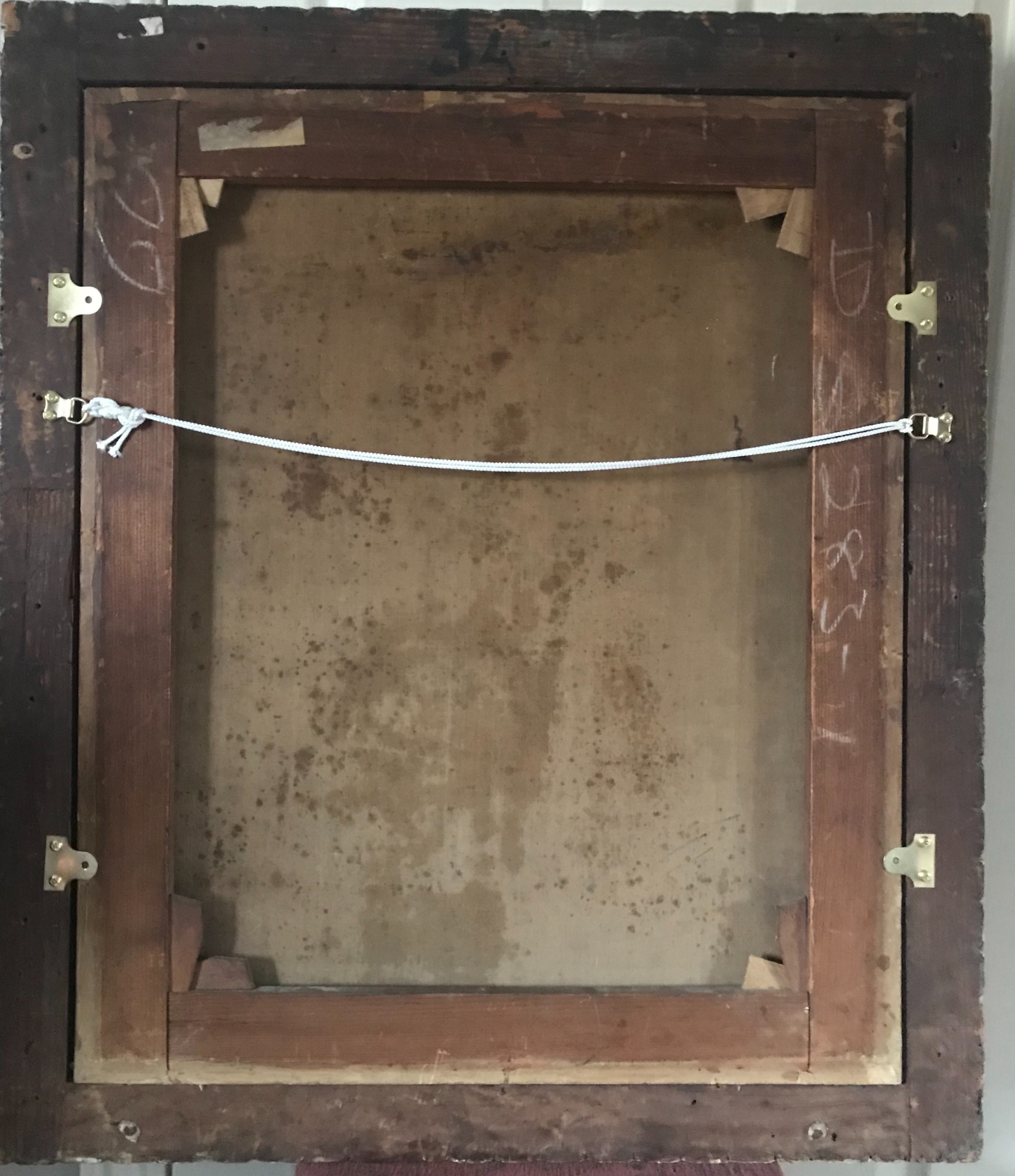
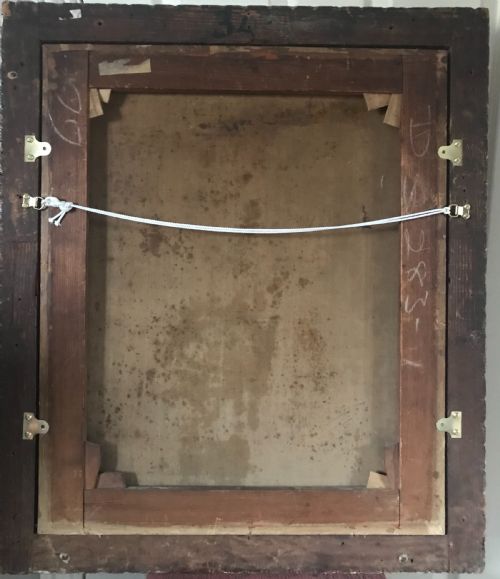
Authentic paintings from this era usually exhibit natural craquelure consistent with age, historic stretcher bar impressions, and evidence of hand-woven canvas texture. The reverse side often shows darkened, aged timber stretchers and oxidation on the canvas backing.

Positioning an antique oil portrait against contemporary wall finishes creates a sophisticated visual dialogue between old and new. Placing the picture above a minimalist sideboard or within a traditional wood-panelled library allows the gilded frame and dark composition to serve as a focal point.

Paintings should be kept in climate-controlled environments away from direct sunlight, excess humidity, and direct heat sources. Dusting should be performed gently with a soft dry brush, avoiding water, chemical cleaners, or physical pressure on the canvas surface.
items
Add keywords to the filter
Price
£100
£250000
Era
Movements
Material
Origin
Stock Location
Freshness
Online Payments
Categories