33,074  PAGES BROWSED TODAY PAGES TODAY 70  ANTIQUES UPLOADED TODAY NEW ARRIVALS
Sort Order
Items Per Page
ID #SA738143
SOLD
Email
Save
Portrait of Mrs. Mackintosh C.1735-6, by Allan Ramsay.
Roy Precious - Antiques & Fine Art
sold SA738143
Sorry, but this item has been sold.
Roy Precious - Antiques & Fine Art

Roy Precious - Antiques & Fine Art

Sellingantiques Verified Since Mar 2003
View Dealers Stock Page
  • About Us
    Roy and nadine precious: specialists in portraiture from the 16th to the 20th century. Established in 1972.
Id #SA738143
PDF SHARE
SAVE

Portrait of Mrs. Mackintosh C.1735-6, by Allan Ramsay.

18th century
Description

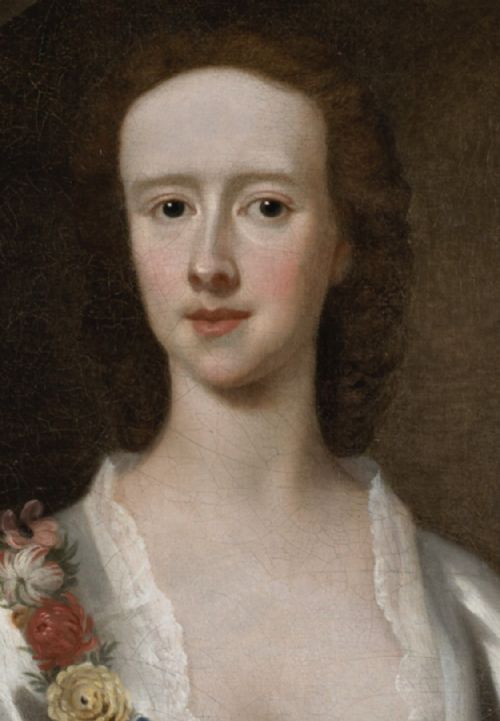
We are pleased to offer one of the earliest Allan Ramsay (1713-1784) portraits still available for private collection. This the 6th earliest work known by Ramsay and the earliest depiction of a Jacobite. Entitled ‘Mrs Mackintosh’ in Alastair Stuart’s catalogue raisonné of the artist, this half-length oil on canvas arguably depicts Ramsay’s earliest portrait of a Jacobite. Painted in Edinburgh in 1735-36, the young woman models a simple sacque dress with billowing sleeves, the slightly squared neckline trimmed in lace and also at the cuff. The pale expanse of her exposed decolletage contrasts to the lively flushed pink of her cheeks and lips.
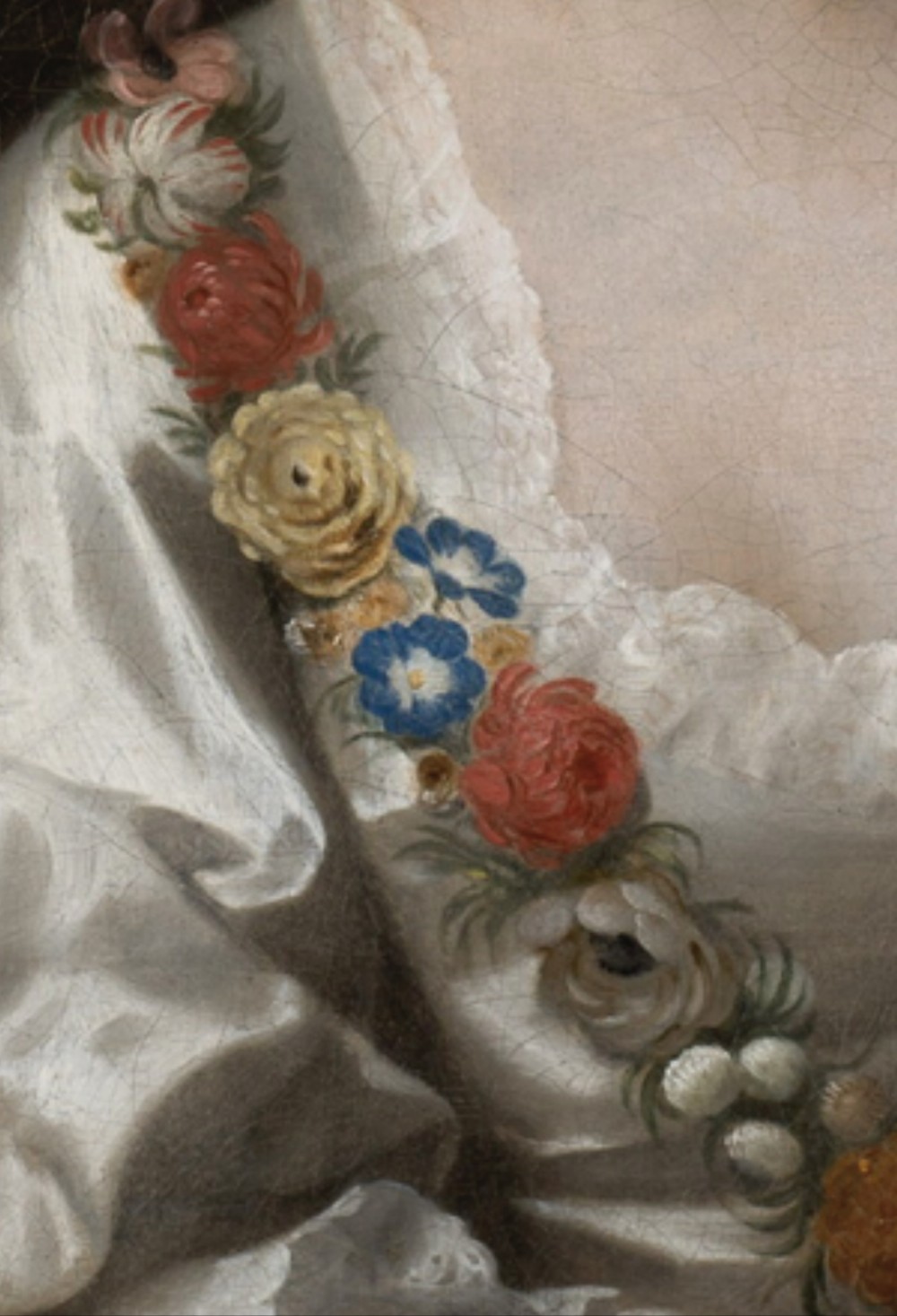
The simplicity of the gown focuses the viewer’s gaze upon the sitter’s colourful floral sash. Featured are white and yellow roses, red chrysanthemums, an orange carnation, several white thistles, and various blue and pink flowers. The choice of such an array was a premeditated one. Veiled in the symbology of flowers, the feminine delicacy of the blooms belied their true political implications: an allegiance to the rebel Jacobite cause. Jacobites were dissidents against the British monarchy whose aim was to restore the Stuart dynasty to the throne. The cause consisted of largely Scottish nobility who depended upon symbols to disclose their secret loyalties.
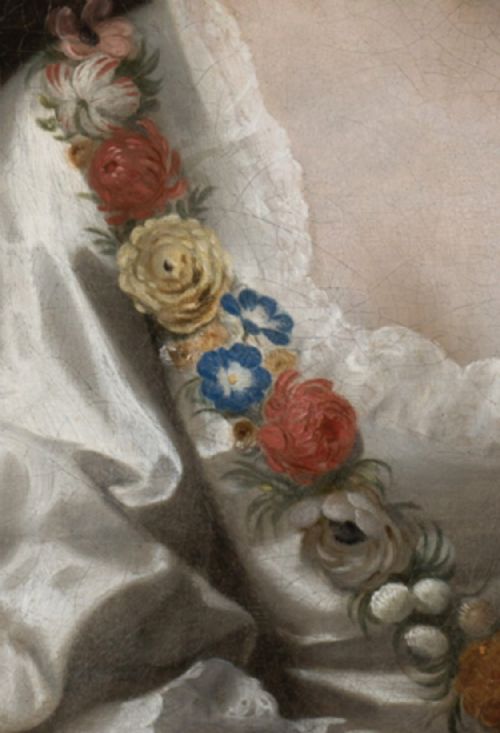
Most notable in this painting is the white rose, the most famous symbol of Jacobitism, seen underneath the young woman’s breast; the white rose’s popularity was drawn from its similarity to the white cockade, a ribboned pin signifying loyalty to a specific cause. Similarly, the orange carnation, seen lower down, is a symbol of Charles Stuart (1720-88). The carnation has a twofold Jacobite mythos, first being a wordplay between ‘carnation’ and ‘coronation’ of the Stuarts, and secondly from the story that carnations bloomed early in January following the birth of Bonnie Prince Charles.
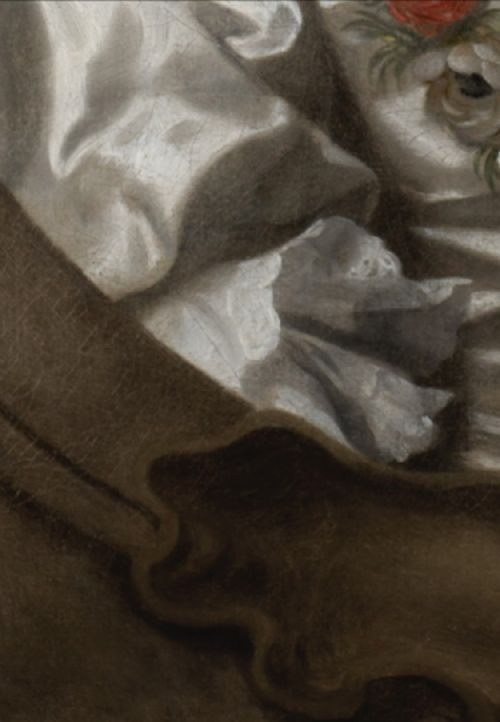
Furthermore, the thistles seen interspersed on the bottom half of the sash had indeed been Scotland’s national emblem since the Middle Ages, but adopted an illicit meaning in Jacobite contexts as representing the Stuart’s claim to the Scottish throne. The time of the portrait’s
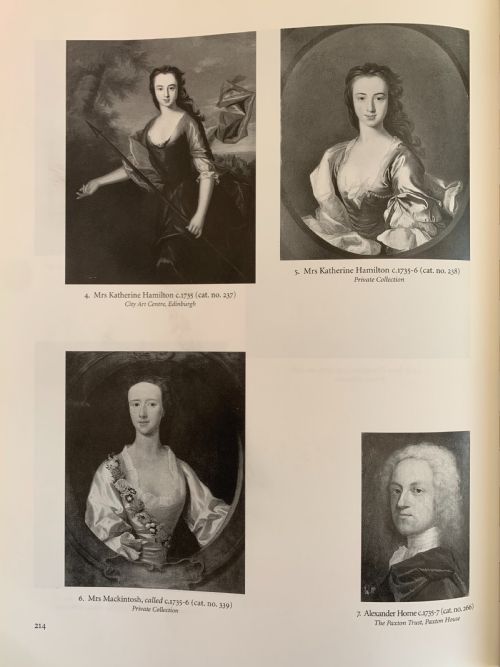
execution is poised between two significant Jacobite dates, the failed rebellion of 1715 and Charles Stuart’s final futile uprising of 1745.

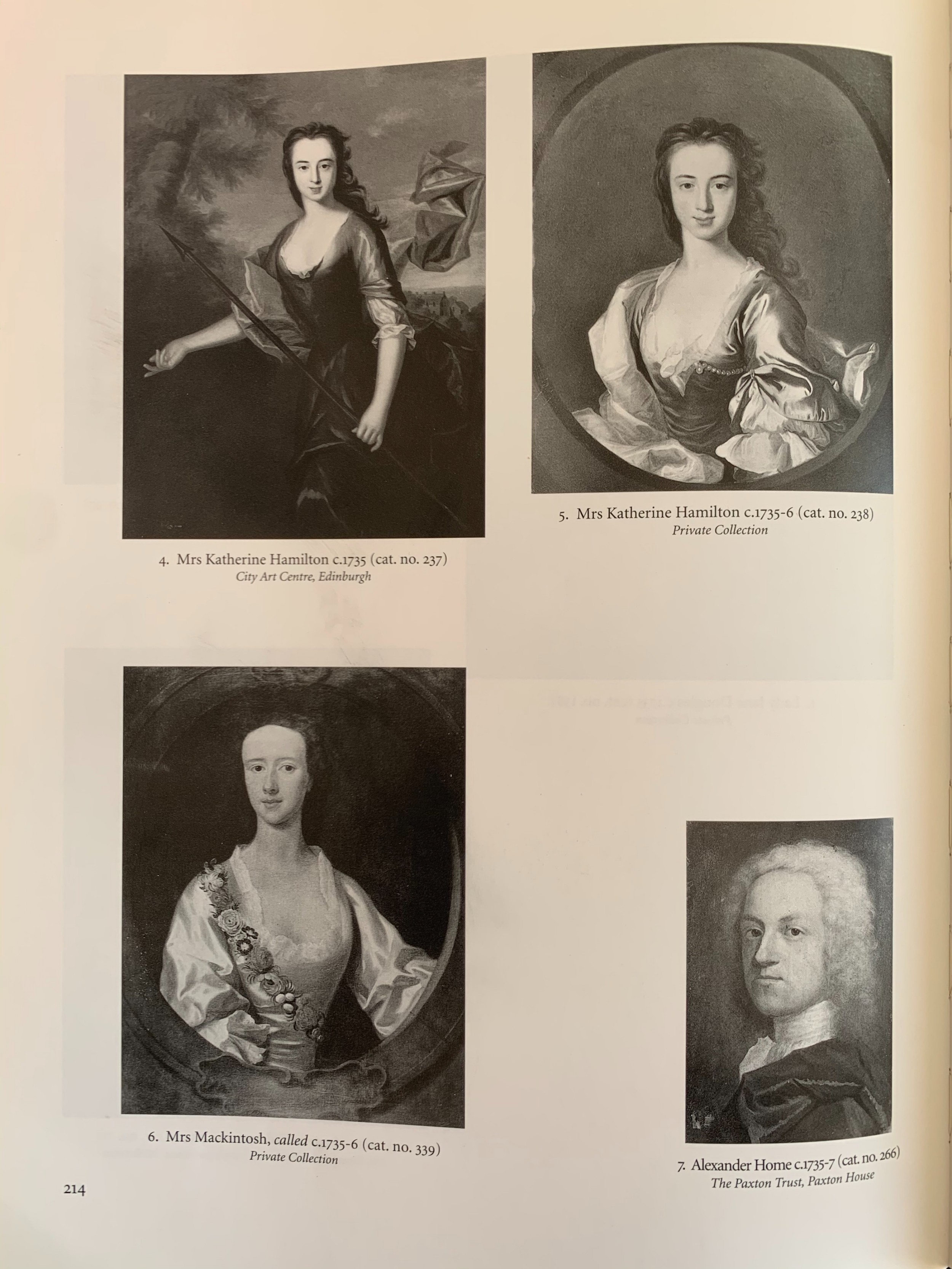
Identification of Identification of the subject is difficult. Her historic description as Mrs Mackintosh is challenging as there is little surviving documentation that could hint towards one individual. Due to the date of the painting, and pursuant to the proposal of Mackintosh, it could be suggested that this is the portrait of the wife of either the nineteenth or twentieth Chief of Clan Mackintosh, or a close relative with seniority in the family. The Mackintoshes were ardently loyal to Jacobitism so it would be unsurprising to see a member of the clan in such emblematic garb.

SIZE: 40.5 x 32 inches framed.

PROVENANCE: *Collection of Keith Sanderson, Edinburgh.

*Christie's, Kenneth Sanderson's Sale, 14 December 1945. Lot 74.

*Collection of Lewis Charles Wallach (died 1964) The Grange, Hampshire.

Thence by descent.

Physical Dimensions
Height
103cm (40.55")
Width
81cm (31.89")
Depth
5cm (1.97")
Declaration

Roy Precious - Antiques & Fine Art has dated this piece to the 18th Century.

Reference Numbers
Sellingantiques Reference
SA738143
Dealers Internal Reference
Ramsay
Description
We are pleased to offer one of the earliest Allan Ramsay (1713-1784) portraits still available for private collection. This the 6th earliest work known by Ramsay and the earliest depiction of a Jacobite.
Entitled ‘Mrs Mackintosh’ in Alastair Stuart’s catalogue raisonné of the artist, this half-length oil on canvas arguably depicts Ramsay’s earliest portrait of a Jacobite.
Roy Precious - Antiques & Fine Art

Painted in Edinburgh in 1735-36, the young woman models a simple sacque dress with billowing sleeves, the slightly squared neckline trimmed in lace and also at the cuff. The pale expanse of her exposed decolletage contrasts to the lively flushed pink of her cheeks and lips.

fig 1. Portrait of Mrs. Mackintosh c.1735-6, by Allan Ramsay.
fig 1. Portrait of Mrs. Mackintosh C.1735-6, by Allan Ramsay.

The simplicity of the gown focuses the viewer’s gaze upon the sitter’s colourful floral sash. Featured are white and yellow roses, red chrysanthemums, an orange carnation, several white thistles, and various blue and pink flowers. The choice of such an array was a premeditated one. Veiled in the symbology of flowers, the feminine delicacy of the blooms belied their true political implications: an allegiance to the rebel Jacobite cause. Jacobites were dissidents against the British monarchy whose aim was to restore the Stuart dynasty to the throne. The cause consisted of largely Scottish nobility who depended upon symbols to disclose their secret loyalties.

fig 2. Portrait of Mrs. Mackintosh c.1735-6, by Allan Ramsay.
fig 2. Portrait of Mrs. Mackintosh C.1735-6, by Allan Ramsay.

Most notable in this painting is the white rose, the most famous symbol of Jacobitism, seen underneath the young woman’s breast; the white rose’s popularity was drawn from its similarity to the white cockade, a ribboned pin signifying loyalty to a specific cause. Similarly, the orange carnation, seen lower down, is a symbol of Charles Stuart (1720-88). The carnation has a twofold Jacobite mythos, first being a wordplay between ‘carnation’ and ‘coronation’ of the Stuarts, and secondly from the story that carnations bloomed early in January following the birth of Bonnie Prince Charles.

fig 3. Portrait of Mrs. Mackintosh c.1735-6, by Allan Ramsay.
fig 3. Portrait of Mrs. Mackintosh C.1735-6, by Allan Ramsay.

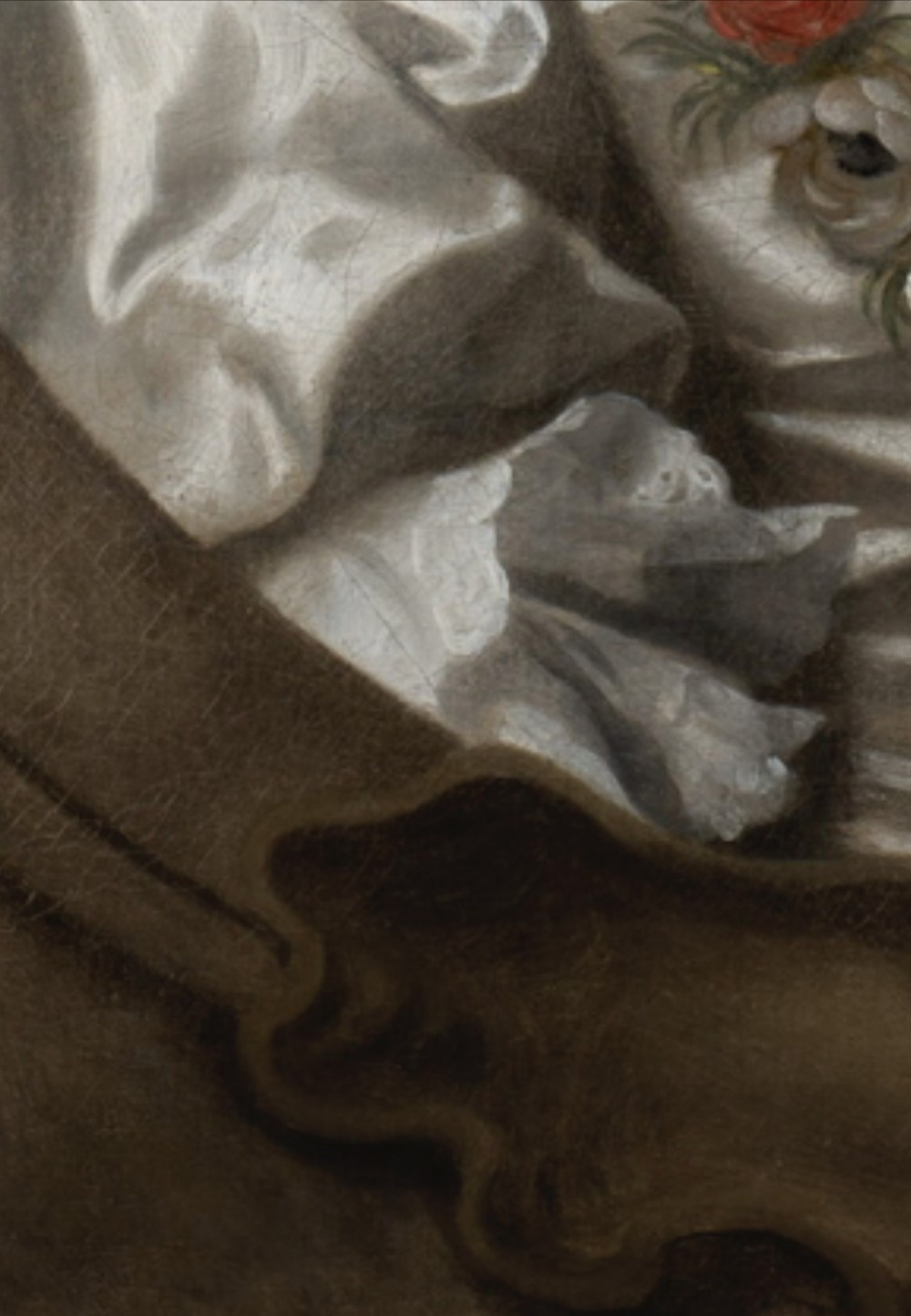
Furthermore, the thistles seen interspersed on the bottom half of the sash had indeed been Scotland’s national emblem since the Middle Ages, but adopted an illicit meaning in Jacobite contexts as representing the Stuart’s claim to the Scottish throne. The time of the portrait’s

fig 4. Portrait of Mrs. Mackintosh c.1735-6, by Allan Ramsay.
fig 4. Portrait of Mrs. Mackintosh C.1735-6, by Allan Ramsay.

execution is poised between two significant Jacobite dates, the failed rebellion of 1715 and Charles Stuart’s final futile uprising of 1745.

Identification of Identification of the subject is difficult. Her historic description as Mrs Mackintosh is challenging as there is little surviving documentation that could hint towards one individual. Due to the date of the painting, and pursuant to the proposal of Mackintosh, it could be suggested that this is the portrait of the wife of either the nineteenth or twentieth Chief of Clan Mackintosh, or a close relative with seniority in the family. The Mackintoshes were ardently loyal to Jacobitism so it would be unsurprising to see a member of the clan in such emblematic garb.

SIZE: 40.5 x 32 inches framed.

PROVENANCE: *Collection of Keith Sanderson, Edinburgh.

Christie's, Kenneth Sanderson's Sale, 14 December 1945. Lot 74.

Collection of Lewis Charles Wallach (died 1964) The Grange, Hampshire.

Thence by descent.

Height
103cm (40.55")
Width
81cm (31.89")
Depth
5cm (1.97")
Date of Manufacture

Roy Precious - Antiques & Fine Art has dated this piece to the 18th Century.

Reference Numbers
Sellingantiques Ref
SA738143
Dealers Internal Ref
Ramsay
Roy Precious - Antiques & Fine Art
Sellingantiques verified Since Mar 2003

Roy and nadine precious: specialists in portraiture from the 16th to the 20th century. Established in 1972.

Dealer Profile

You can view the stock and full dealer information on the Roy Precious - Antiques & Fine Art Profile Page

PDF SHARE
SAVE
Portrait of Mrs. Mackintosh c.1735-6, by Allan Ramsay.
1 / 5
Archive I Portrait of Mrs. Mackintosh c.1735-6, by Allan Ramsay.

Portrait of Mrs. Mackintosh C.1735-6, by Allan Ramsay.
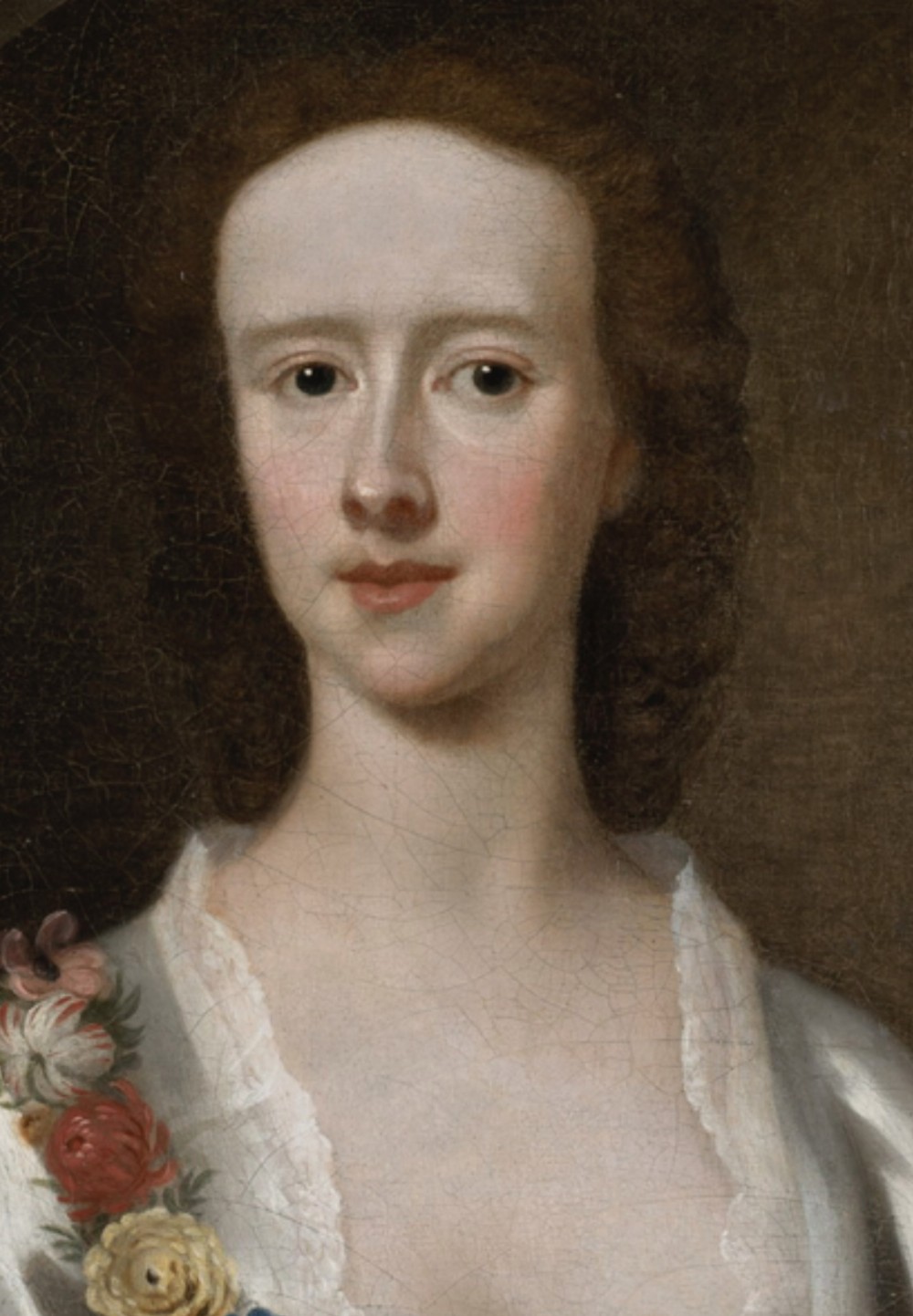
Archive II Portrait of Mrs. Mackintosh c.1735-6, by Allan Ramsay. View II
Archive III Portrait of Mrs. Mackintosh c.1735-6, by Allan Ramsay. View III
Archive IV Portrait of Mrs. Mackintosh c.1735-6, by Allan Ramsay. View IV
Archive V Portrait of Mrs. Mackintosh c.1735-6, by Allan Ramsay. View V
Enlarged Archival View
Location
Wiltshire
United Kingdom
Dealer Profile Page sellingantiques.co.uk/rp
Verified Since Mar 2003
Items For Sale 95
Items Sold 679
Roy Precious - Antiques & Fine Art
Verified Since Mar 2003
View Dealer Info
Location: Wiltshire, United Kingdom
Verified
Mar 2003
For Sale
95
Sold
679
Portrait of Mrs. Mackintosh c.1735-6, by Allan Ramsay.
Ref: SA738143
Portrait of Mrs. Mackintosh c.1735-6, by Allan Ramsay.
Detail View 1
Detail View 2
Detail View 3
Detail View 4
Archival Detail
Every single antique dealer on our platform is individually approved by our internal team. We verify their professional trade history, ethical standards, and photographic quality to ensure a secure, high-standard buying environment. Upon joining, every dealer agrees to a strict 9-point code of conduct. While issues can occasionally arise, our dealers typically resolve them swiftly and directly with the buyer. In fact, since our founding in 2002, Sellingantiques has only had to step in to help resolve an issue on roughly five occasions—a true testament to the quality of our dealers and their dedication to your happiness.
Our dealers are highly experienced in packing and shipping fragile, high-value antiques. Because you are in direct contact with the dealer, you will be able to easily go through all available shipping and insurance options together to ensure your item arrives safely.
Antiques are the ultimate green purchase. By choosing historical pieces over newly manufactured goods, you completely eliminate the carbon footprint of modern mass production while preserving exceptional, timeless craftsmanship.
items
Add keywords to the filter
Price
£100
£250000
Era
Movements
Material
Origin
Stock Location
Freshness
Online Payments
Categories