Roy Precious - Antiques & Fine Art has dated this Dutch Golden Age Portrait to the 17th Century.
" (Dutch Portraits. Published by The National Gallery)
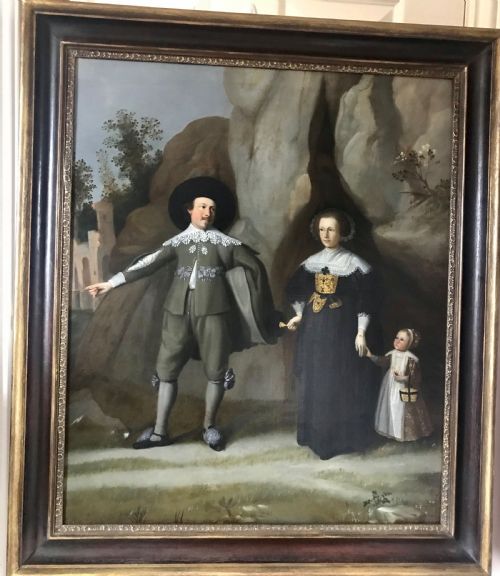
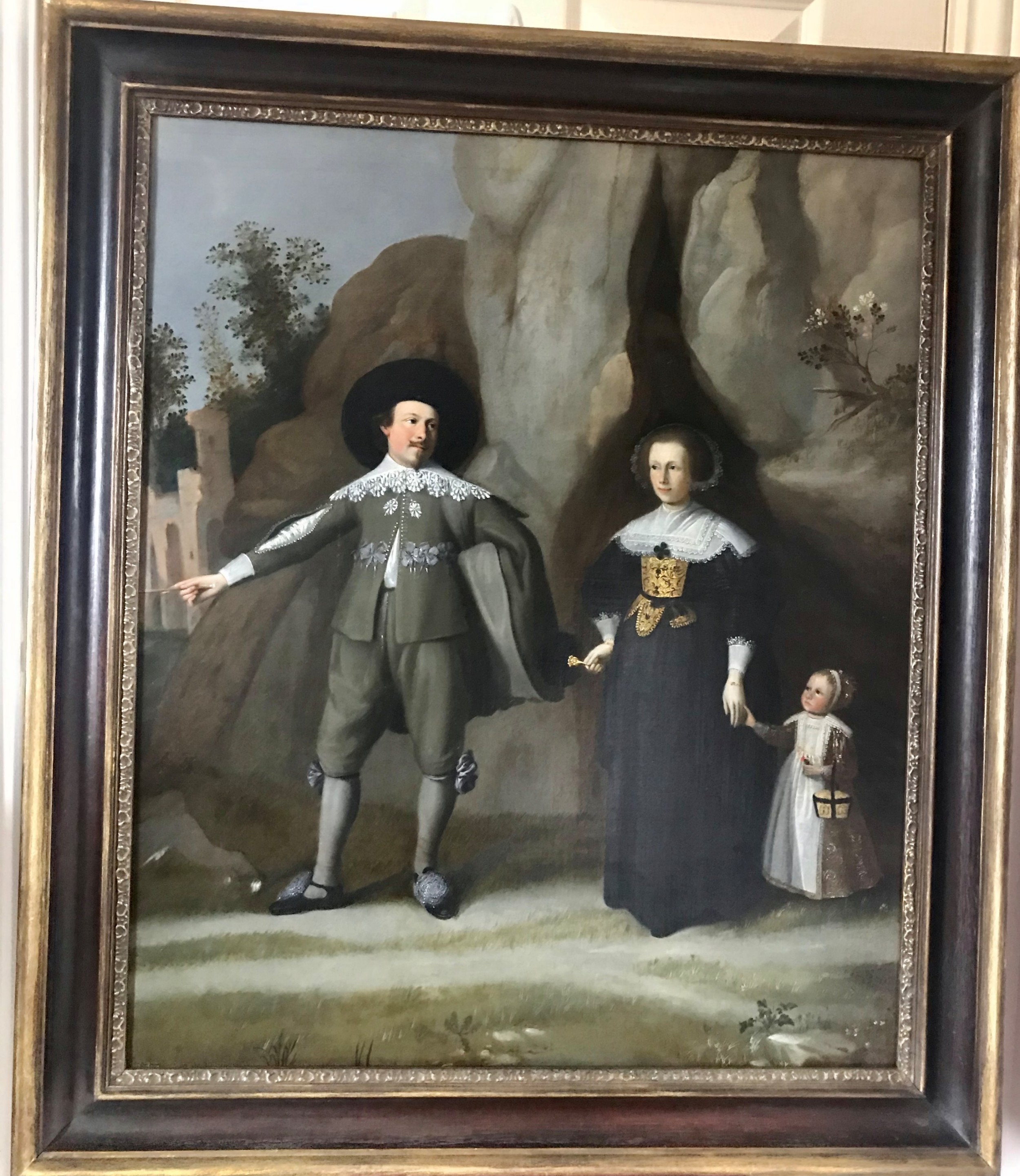
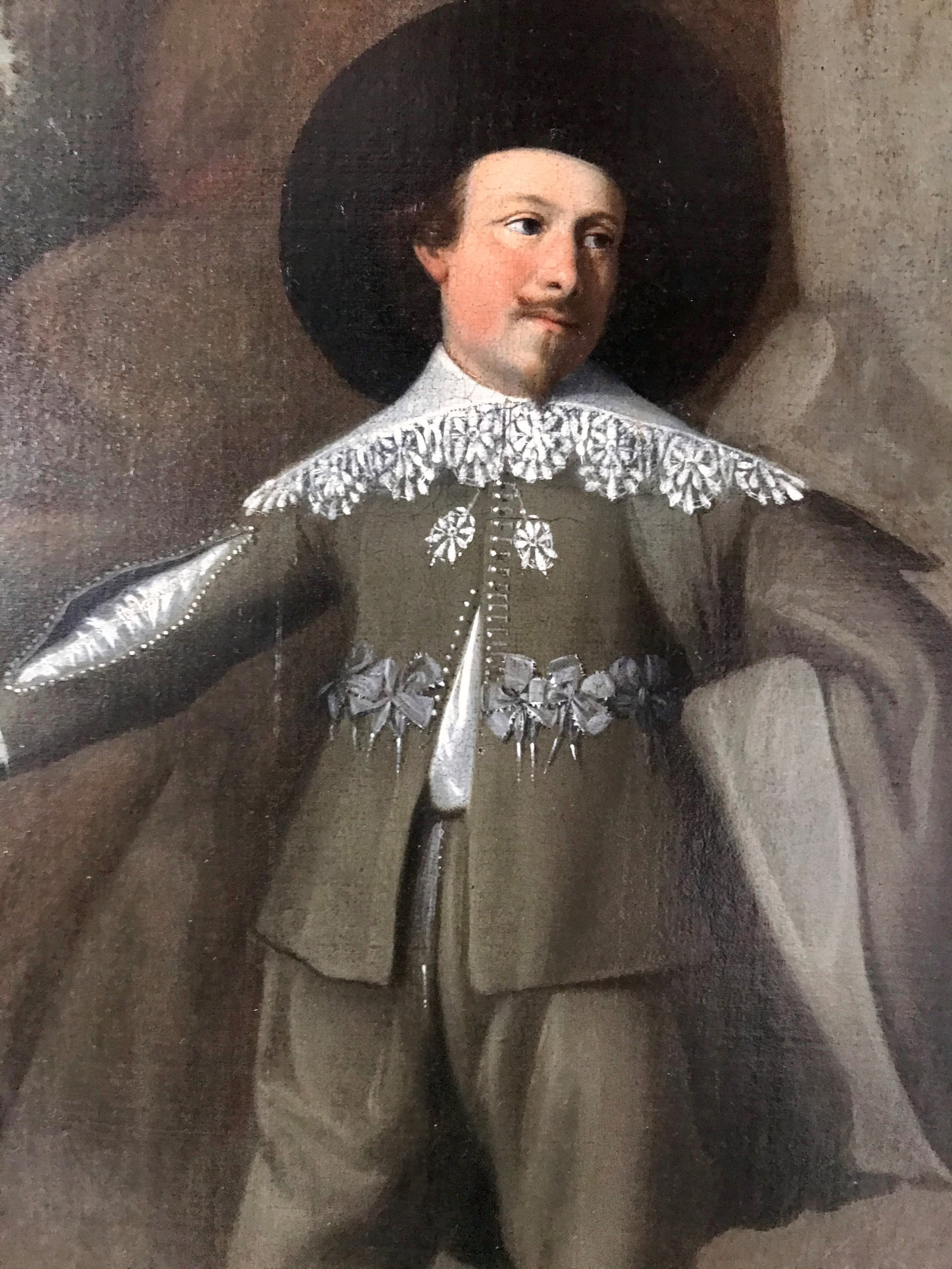
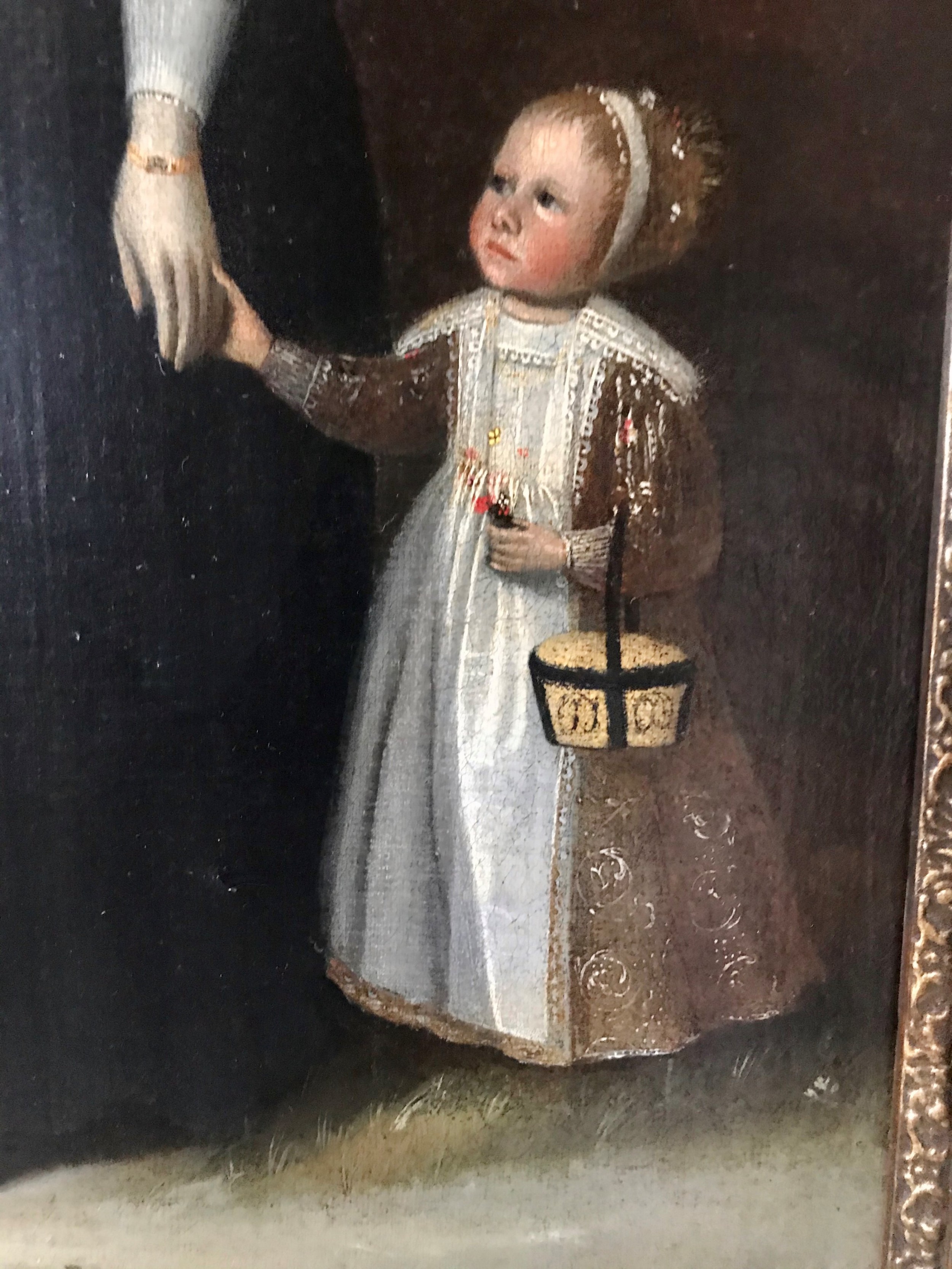
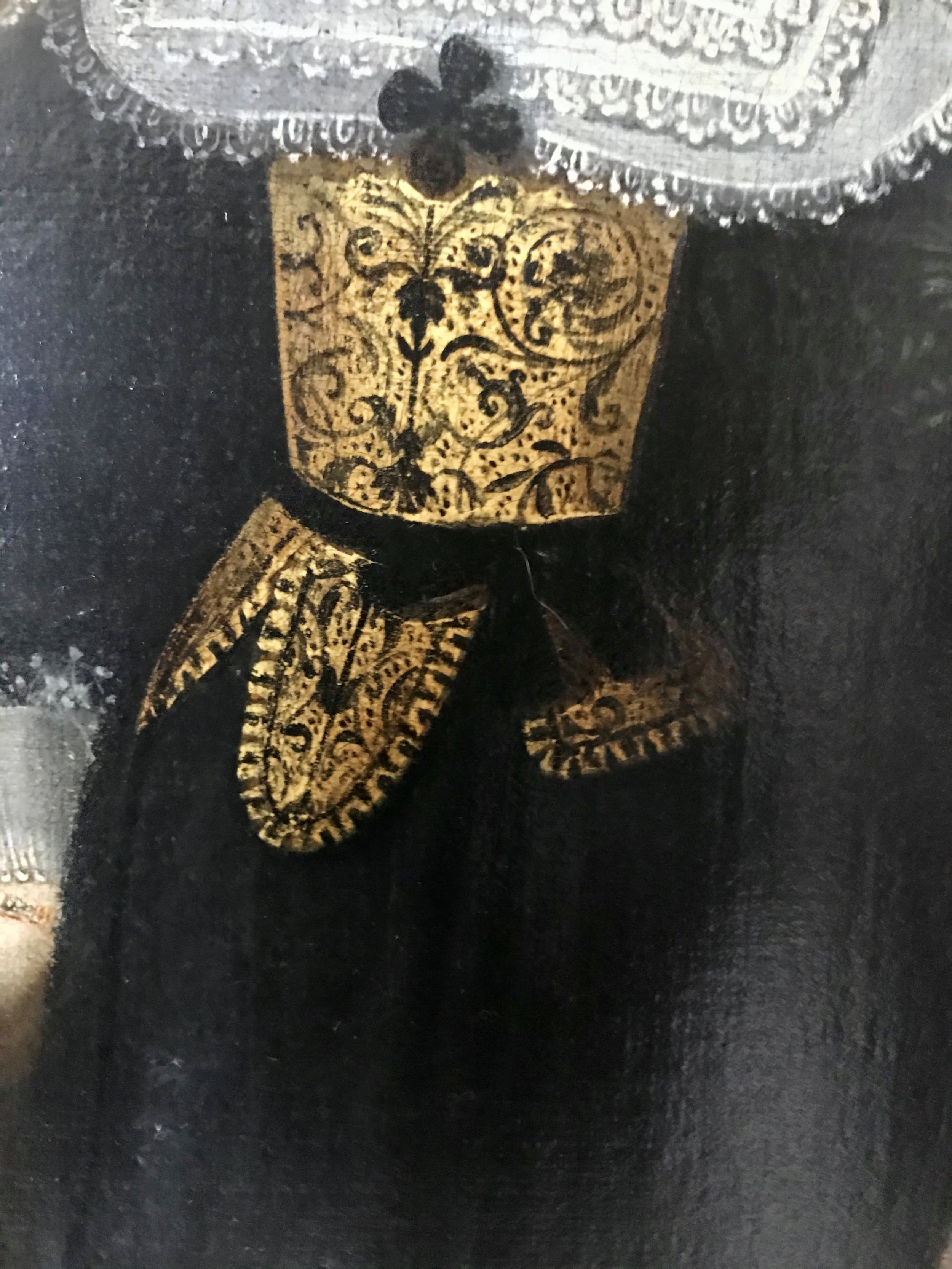
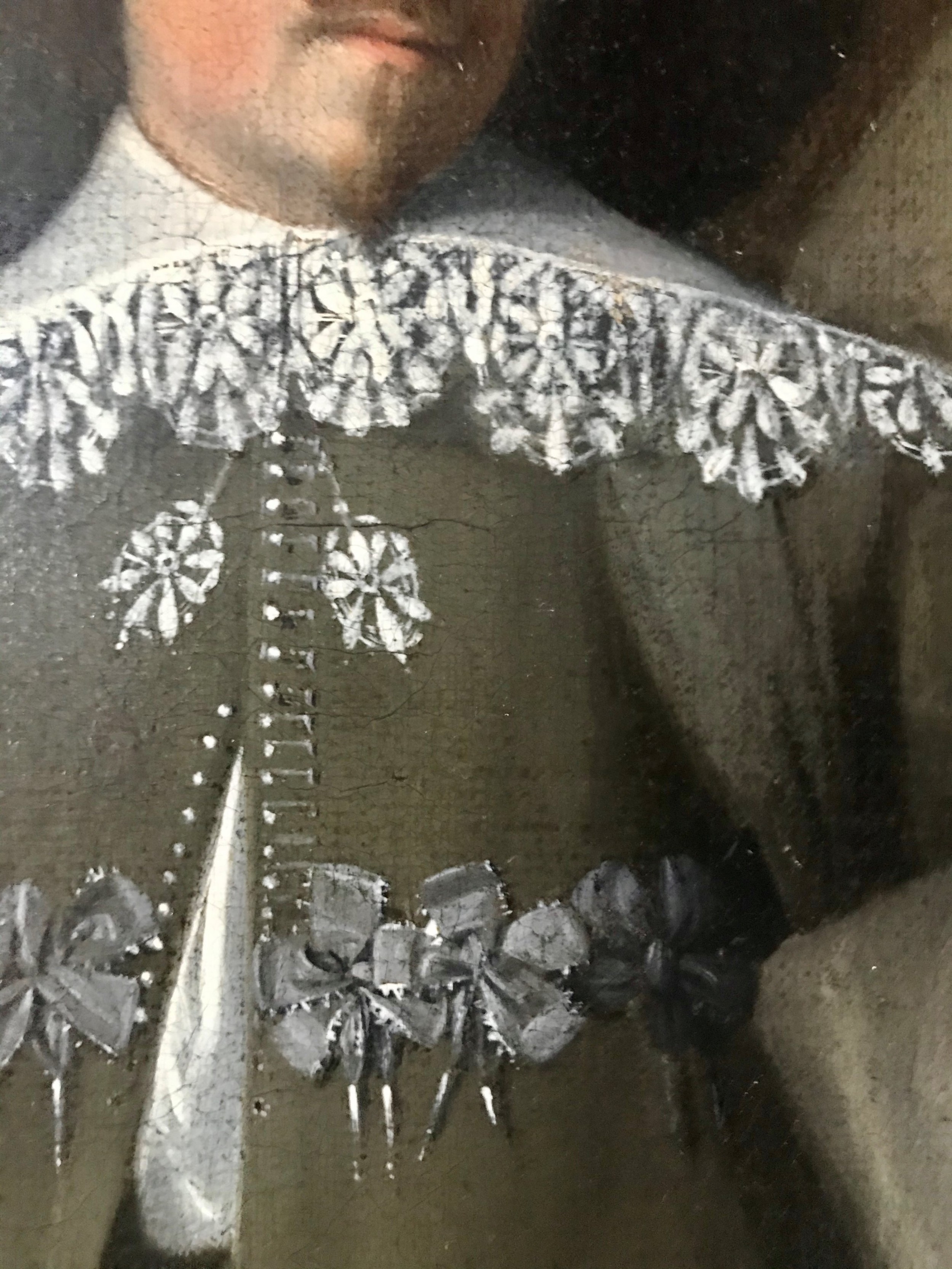
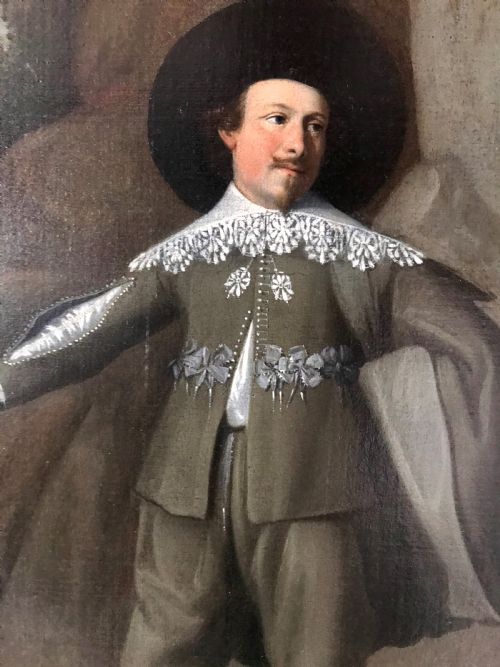
This prosperous family are all fashionably and expensively dressed and it seems as if the painting carries a message, not known to us. They stand, the little girl looking up at her mother, as if they have just exited a cave behind them. The lady looks quietly content as her husband points the way past a ruinous building. Whatever the message was it seems to have been one of wealth, hope and confidence.
THOMAS DE KEYSER, (1596 - 1667) was the second son of Hendrick de Keyser (1565–1621), the famed Dutch architect, sculptor, and municipal stonemason of the city of Amsterdam, and his wife Beyken (Barbara) van Wildere, who hailed from Antwerp. Thomas de Keyser gained lasting renown for a significant innovation in Dutch portraiture. He began to paint the Dutch elite in full-length formal portraits, a format hitherto reserved for the aristocracy, but he drastically reduced the scale of such portraits to make them suitable for his patrons’ urban homes. Despite his fame as a portraitist, De Keyser produced slightly fewer than one hundred paintings. He created the bulk of his oeuvre in the period between 1624 and 1639, after which his primary focus shifted back to the lucrative international stone trade, yielding the Amsterdam portraiture market to Rembrandt, Govaert Flinck (Dutch, 1615 - 1660), and Bartholomeus van der Helst (1613–1670).
SIZE: 35.25 x 31.25 x 1.75 inches including the frame.
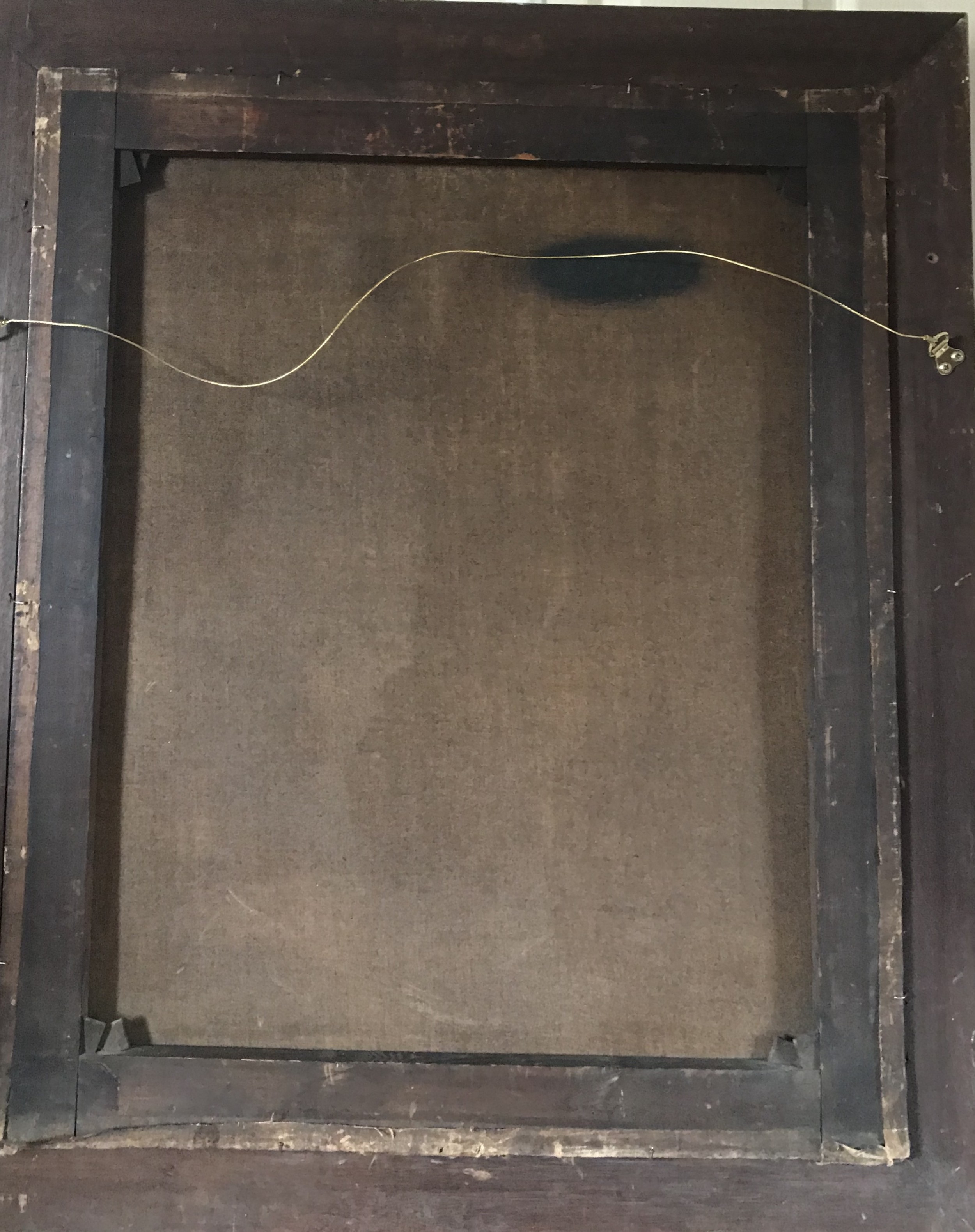
PROVENANCE: London Private Collection.
Roy Precious - Antiques & Fine Art has dated this Dutch Golden Age Portrait to the 17th Century.
Roy and nadine precious: specialists in portraiture from the 16th to the 20th century. Established in 1972.
You can view the stock and full dealer information on the Roy Precious - Antiques & Fine Art Profile Page
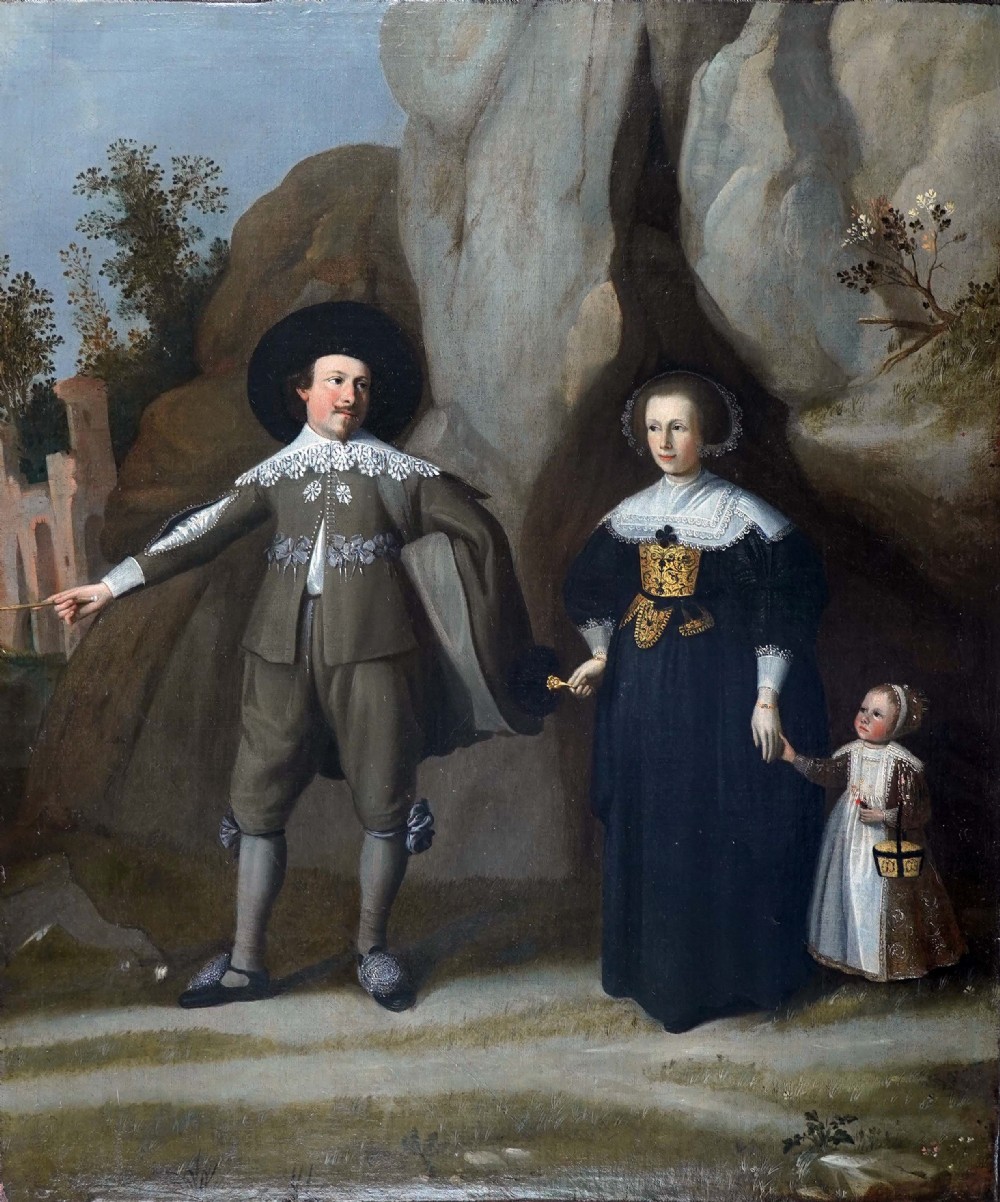
Triple Portrait of a Dutch Family C.1635; Follower of Thomas De Keyser.