34,026  PAGES BROWSED TODAY PAGES TODAY 90  ANTIQUES UPLOADED TODAY NEW ARRIVALS
ID #SA599647
FOR SALE
£3,500
Email
Save
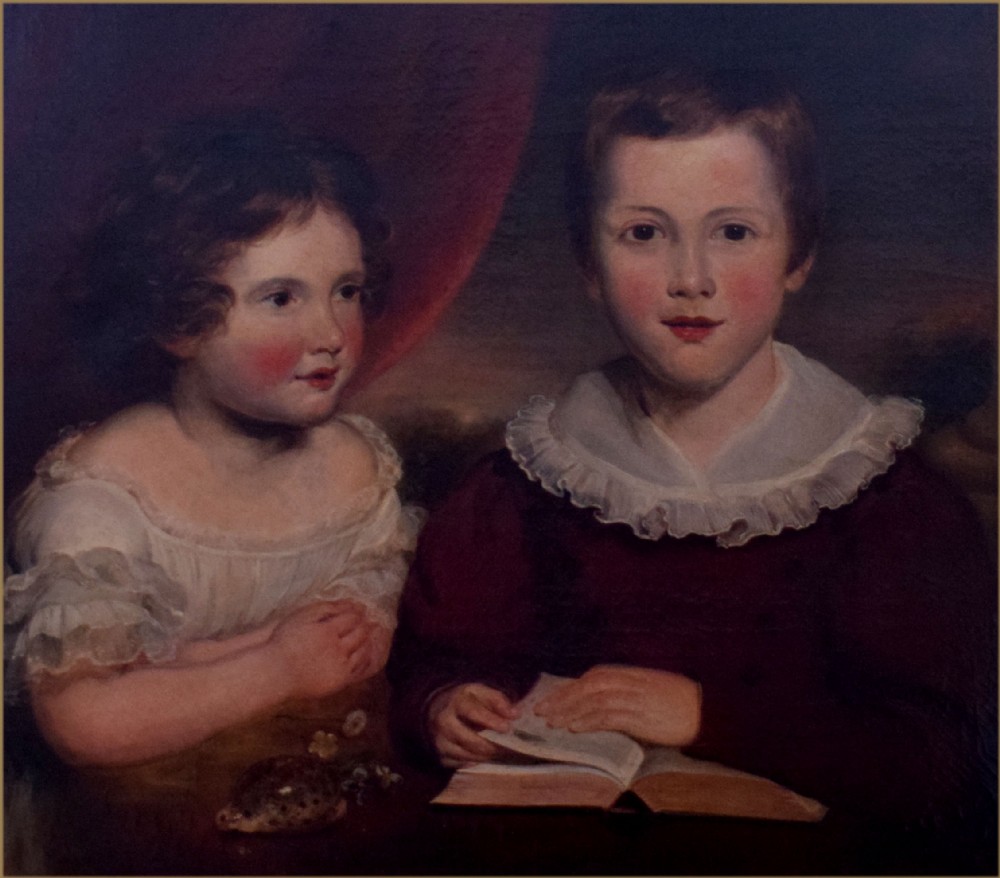
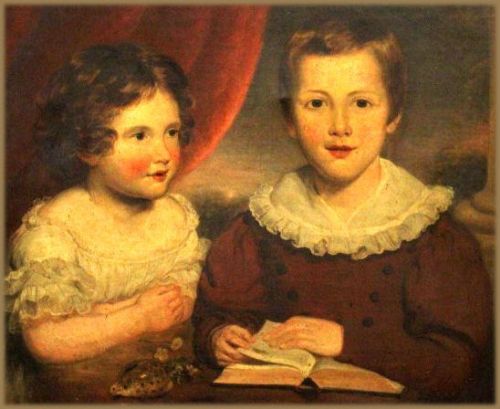
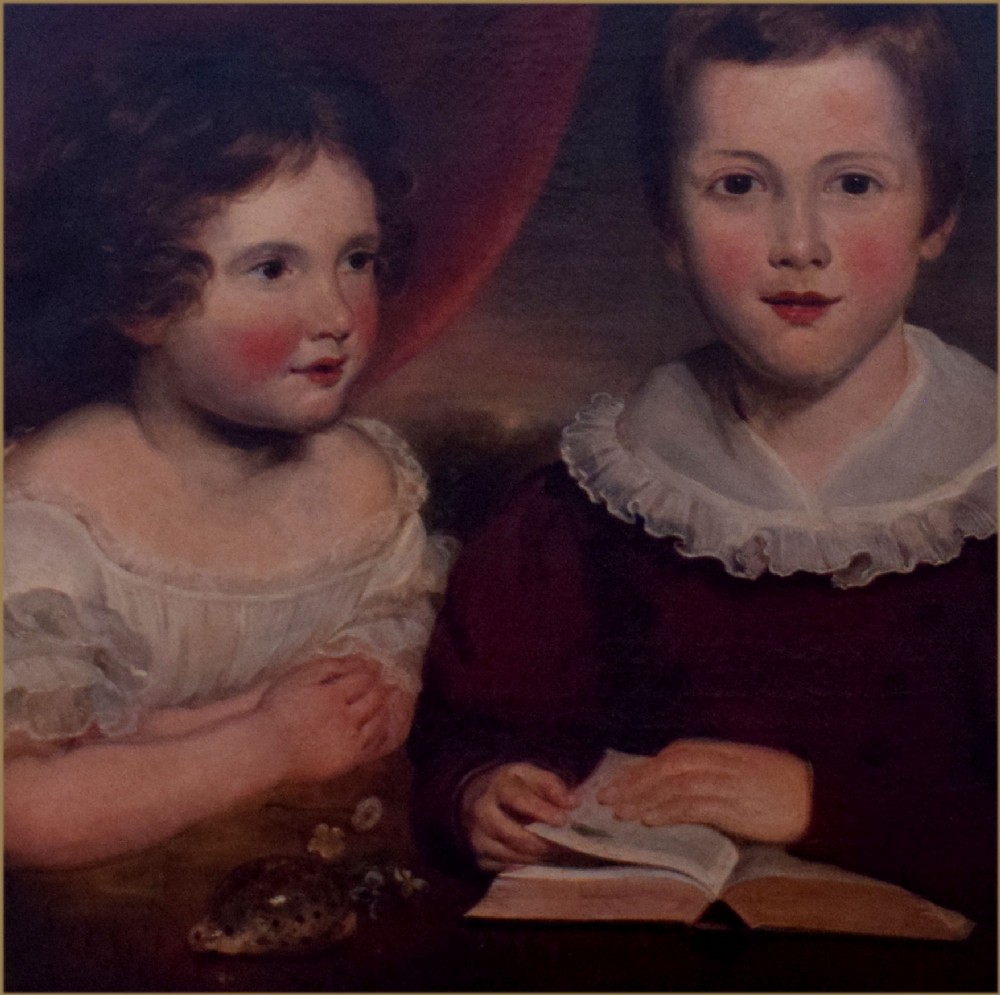
John Russell, Ra, 1745-1806 Portrait of a Young Girl and Her Brother Seated at a Table with an Open Book and a Tiger Cowrie Shell
Artware Fineart
for sale €4,095     $4,445
£3,500

Artware Fineart

Sellingantiques Verified Since Sep 2008
View Dealers Stock Page
Id #SA599647
PDF SHARE
SAVE

John Russell, Ra, 1745-1806 Portrait of a Young Girl and Her Brother Seated at a Table with an Open Book and a Tiger Cowrie Shell

18th century
For Sale by Artware Fineart
Description

John Russell, RA, 1745-1806

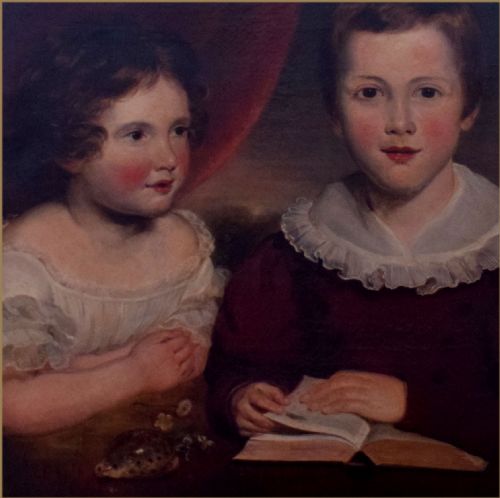
Portrait of a Young Girl and Her Brother seated at a Table with an open Book and a Tiger Cowrie Shell

oil on canvas

64 x 76 cm. (25 x 30 in.)

Despite the fact that this species does not occur in the Mediterranean Sea, shells of the tiger cowrie and the related panther cowrie, Cypraea pantherina, have been unearthed at Pompeii, the ancient Roman city near Naples, Italy, where these shells may have been used as some form of ornament. It is also conceivable that the shells were part of a natural history collection. There was an interest in natural history at the time, as exemplified by Pliny the Elder who wrote extensively about seashells in his book Natural History and who died investigating the eruption of Vesuvius.
The shells of this species of cowry are still popular among shell collectors, and are also used as a decorative object, even in modern times.

The shell of Cypraea tigris is believed to help to facilitate childbirth: some women in Japan hold a shell of this species during childbirth. Large cowry shells such as that of this species were used in Europe in the recent past as a frame over which sock heels were stretched for darning, i.e. instead of using a darning egg. The cowry's smooth surface allows the darning needle to be positioned under the cloth more easily than when using a darning mushroom made of wood.
Throughout the late eighteenth and nineteenth-century the mania for seashells steadily swelled; they featured on Christmas cards, and adorned countless keepsakes, jewellery, and furniture. The Gradgrind nursery in Charles Dickens’ Hard Times is equipped with a “little conchological cabinet, a little metallurgical cabinet, and a little mineralogical cabinet”, whilst, inspired by works of natural history, men and women scoured the seashore for conchological specimens. Conchology, unlike other branches of natural history such as zoology or mineralogy was easily accessible to everyone, and did not require specialist equipment. It also had the added bonus of including inanimate specimens that were not subject to disease or decay.
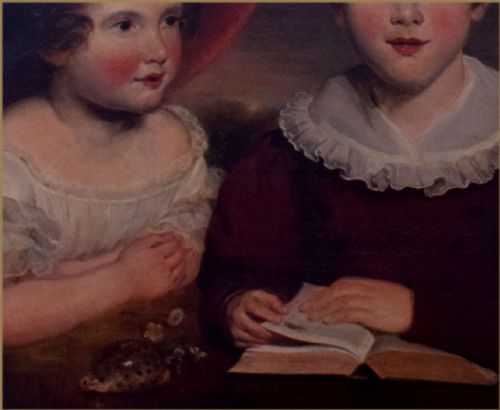
Victorian women made use of their collection in various handicraft projects. Many put together imitation bouquets: using various miniature shells to create the desired flower.

Soon enough collectors, having exhausted the beaches of Britain, took to harvesting more impressive shells from overseas. An army of merchants, catering for the increasing demand, set up shop in London.The name of the global oil company “Shell” is, oddly enough, a reminder of the victorian love of conchology.
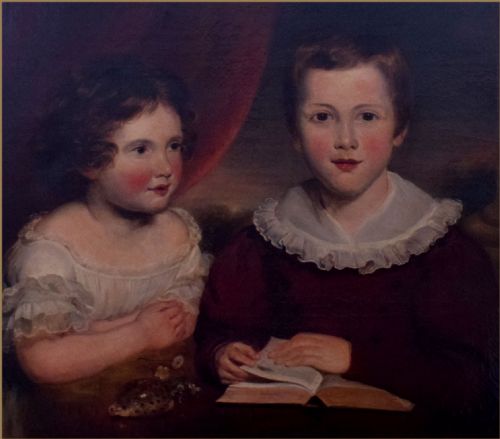
In 1833 one Marcus Samuel opened such a shop selling shells, curios, and other trinkets to natural history enthusiasts. By 1851 Marcus was described in the census as a ‘shell merchant’ and was listed as proprietor of ‘The Shell Shop’ in Houndsditch. He later formed the ‘Shell Transport and Trading Company.’ In 1882 his son (Marcus Junior) while travelling in the Caspian Sea, saw a potential for exporting oil from the region. He commissioned the world’s first purpose-built oil tanker and named the tanker the Murex, Latin for a type of snail shell, as a nod to the company’s beginnings. The first logo (1901) was a mussel shell, but by 1904 it was replaced with a scallop shell.
Artist Biography

John Russell, (1745–1806), portrait painter and astronomer, was born on 29 March 1745 at 32 High Street, Guildford, the second child of John Russell (1711–1804), book- and printseller, five times mayor of Guildford, and an artist himself (his Prospects of Guildford were engraved and published in 1759 and 1782), and his wife, Ann Parvish (1719–1775).
John Russell was baptized in the ruins of Holy Trinity Church, Guildford, and educated at the local grammar school before winning premiums at the Society of Arts in 1759 and 1760. He was then apprenticed to the painter Fran

Physical Dimensions
Height
64cm (25.20")
Width
76cm (29.92")
Depth
3cm (1.18")
Declaration

Artware Fineart has dated this Georgian Oil Portrait Painting to the 18th Century.

Reference Numbers
Sellingantiques Reference
SA599647
Dealers Internal Reference
4035
Description
John Russell, RA, 1745-1806
Portrait of a Young Girl and Her Brother seated at a Table with an open Book and a Tiger Cowrie Shell.
Artware Fineart

oil on canvas

64 x 76 cm. (25 x 30 in.)

Despite the fact that this species does not occur in the Mediterranean Sea, shells of the tiger cowrie and the related panther cowrie, Cypraea pantherina, have been unearthed at Pompeii, the ancient Roman city near Naples, Italy, where these shells may have been used as some form of ornament. It is also conceivable that the shells were part of a natural history collection. There was an interest in natural history at the time, as exemplified by Pliny the Elder who wrote extensively about seashells in his book Natural History and who died investigating the eruption of Vesuvius.

fig 1. An eighteenth-century oil painting depicting two young siblings seated at a table with an open book and a shell.
fig 1. John Russell, Ra, 1745-1806 Portrait of a Young Girl and Her Brother Seated at a Table with an Open Book and a Tiger Cowrie Shell

The shells of this species of cowry are still popular among shell collectors, and are also used as a decorative object, even in modern times.

The shell of Cypraea tigris is believed to help to facilitate childbirth: some women in Japan hold a shell of this species during childbirth. Large cowry shells such as that of this species were used in Europe in the recent past as a frame over which sock heels were stretched for darning, i.e. instead of using a darning egg. The cowry's smooth surface allows the darning needle to be positioned under the cloth more easily than when using a darning mushroom made of wood.

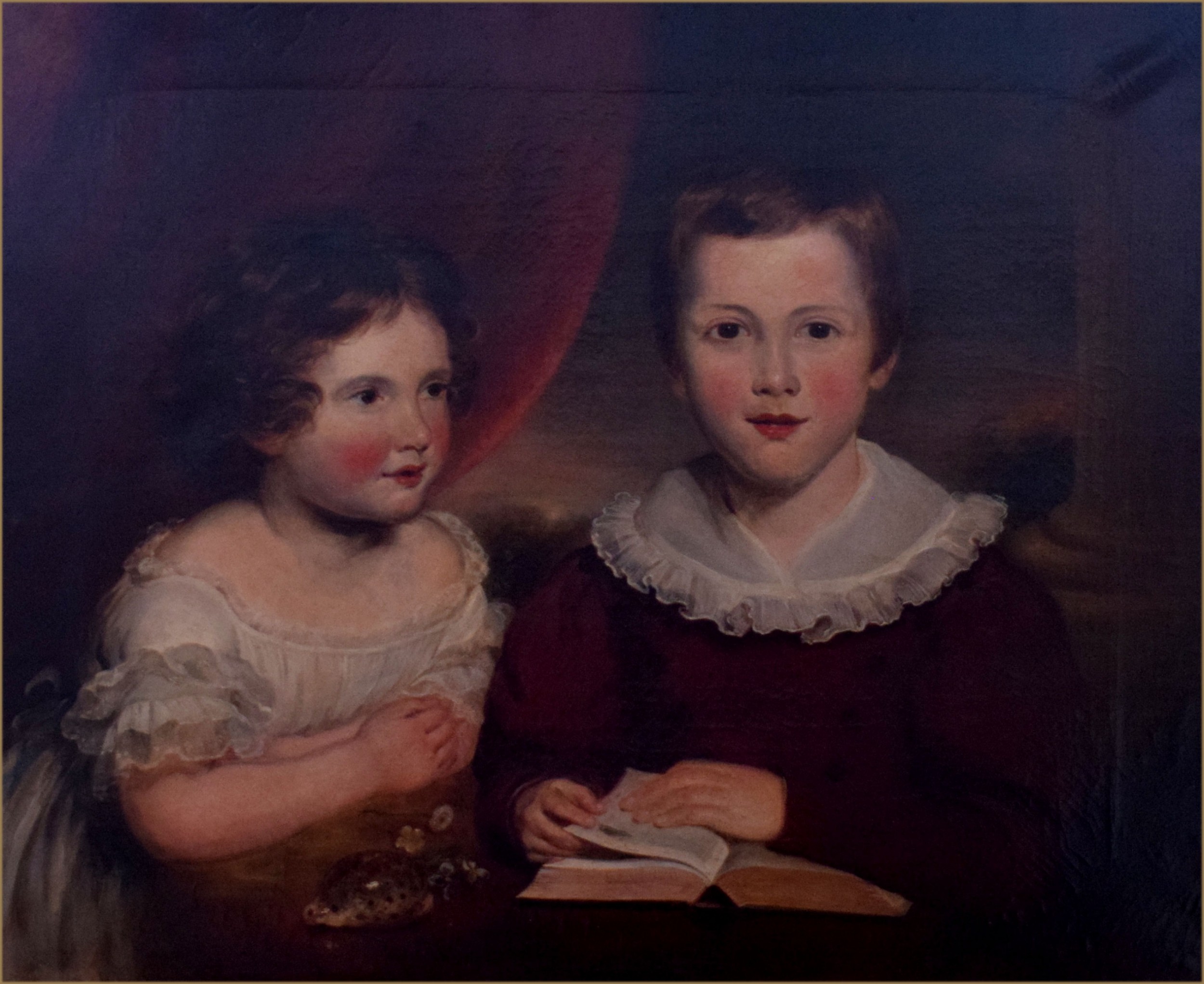
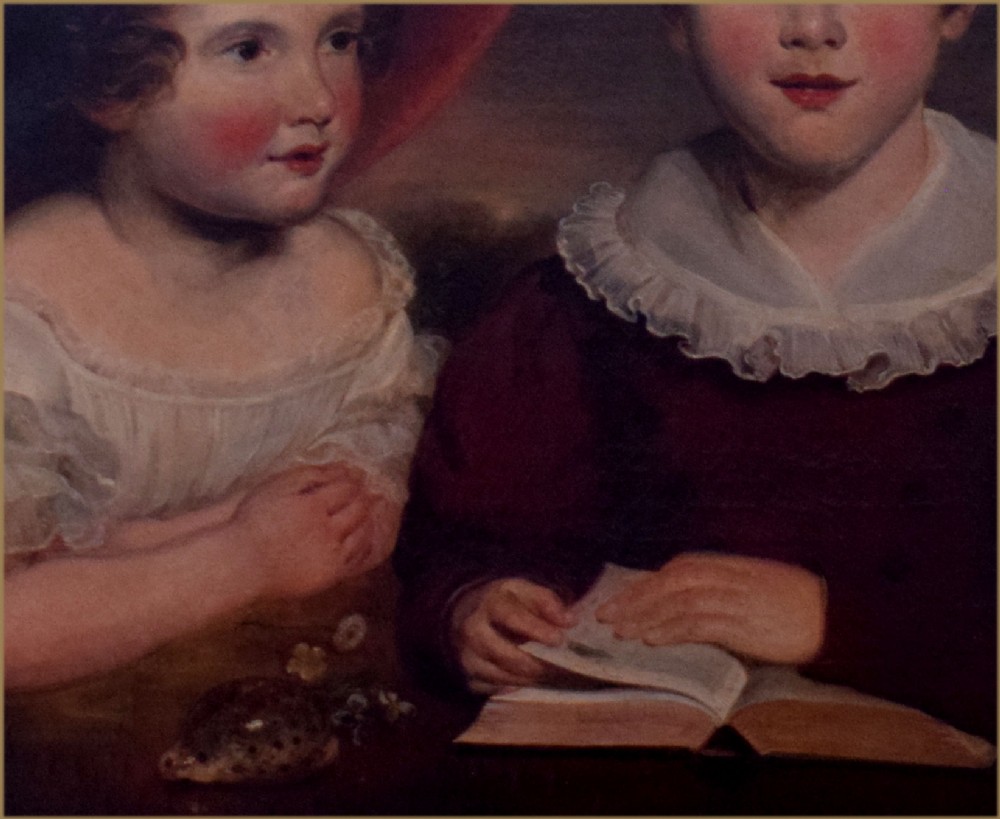
fig 2. An eighteenth-century oil painting depicting two young siblings seated at a table with an open book and a shell.
fig 2. John Russell, Ra, 1745-1806 Portrait of a Young Girl and Her Brother Seated at a Table with an Open Book and a Tiger Cowrie Shell

Throughout the late eighteenth and nineteenth-century the mania for seashells steadily swelled; they featured on Christmas cards, and adorned countless keepsakes, jewellery, and furniture. The Gradgrind nursery in Charles Dickens’ Hard Times is equipped with a “little conchological cabinet, a little metallurgical cabinet, and a little mineralogical cabinet”, whilst, inspired by works of natural history, men and women scoured the seashore for conchological specimens. Conchology, unlike other branches of natural history such as zoology or mineralogy was easily accessible to everyone, and did not require specialist equipment. It also had the added bonus of including inanimate specimens that were not subject to disease or decay.

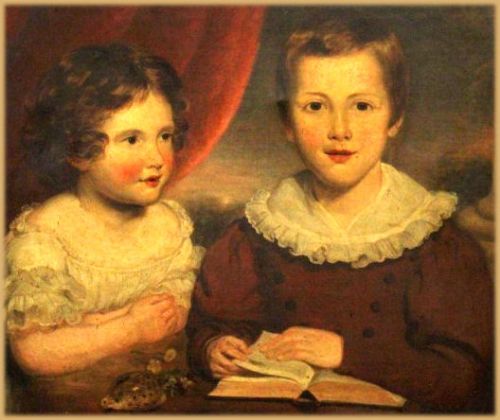
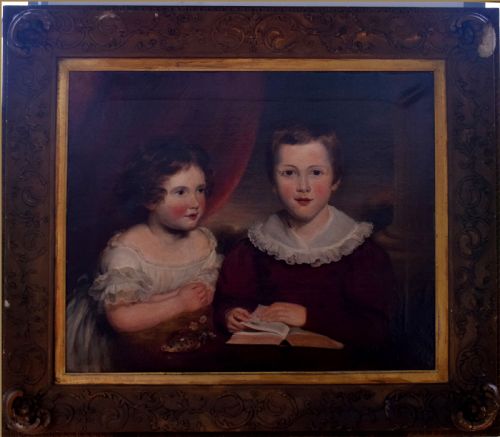
fig 3. An eighteenth-century oil painting depicting two young siblings seated at a table with an open book and a shell.
fig 3. John Russell, Ra, 1745-1806 Portrait of a Young Girl and Her Brother Seated at a Table with an Open Book and a Tiger Cowrie Shell

Victorian women made use of their collection in various handicraft projects. Many put together imitation bouquets: using various miniature shells to create the desired flower.

Soon enough collectors, having exhausted the beaches of Britain, took to harvesting more impressive shells from overseas. An army of merchants, catering for the increasing demand, set up shop in London.The name of the global oil company “Shell” is, oddly enough, a reminder of the victorian love of conchology.

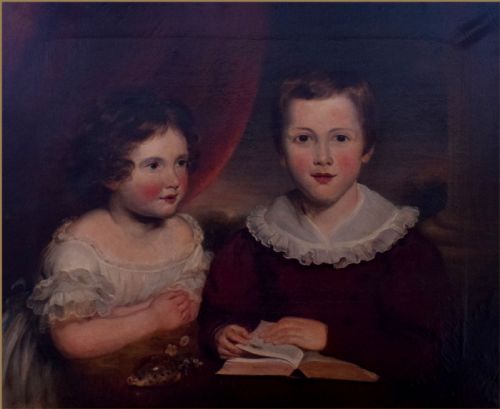
fig 4. An eighteenth-century oil painting depicting two young siblings seated at a table with an open book and a shell.
fig 4. John Russell, Ra, 1745-1806 Portrait of a Young Girl and Her Brother Seated at a Table with an Open Book and a Tiger Cowrie Shell

In 1833 one Marcus Samuel opened such a shop selling shells, curios, and other trinkets to natural history enthusiasts. By 1851 Marcus was described in the census as a ‘shell merchant’ and was listed as proprietor of ‘The Shell Shop’ in Houndsditch. He later formed the ‘Shell Transport and Trading Company.’ In 1882 his son (Marcus Junior) while travelling in the Caspian Sea, saw a potential for exporting oil from the region. He commissioned the world’s first purpose-built oil tanker and named the tanker the Murex, Latin for a type of snail shell, as a nod to the company’s beginnings. The first logo (1901) was a mussel shell, but by 1904 it was replaced with a scallop shell.

fig 5. An eighteenth-century oil painting depicting two young siblings seated at a table with an open book and a shell.
fig 5. John Russell, Ra, 1745-1806 Portrait of a Young Girl and Her Brother Seated at a Table with an Open Book and a Tiger Cowrie Shell

Artist Biography

John Russell, (1745–1806), portrait painter and astronomer, was born on 29 March 1745 at 32 High Street, Guildford, the second child of John Russell (1711–1804), book- and printseller, five times mayor of Guildford, and an artist himself (his Prospects of Guildford were engraved and published in 1759 and 1782), and his wife, Ann Parvish (1719–1775).

fig 6. An eighteenth-century oil painting depicting two young siblings seated at a table with an open book and a shell.
fig 6. John Russell, Ra, 1745-1806 Portrait of a Young Girl and Her Brother Seated at a Table with an Open Book and a Tiger Cowrie Shell

John Russell was baptized in the ruins of Holy Trinity Church, Guildford, and educated at the local grammar school before winning premiums at the Society of Arts in 1759 and 1760. He was then apprenticed to the painter Fran

Height
64cm (25.20")
Width
76cm (29.92")
Depth
3cm (1.18")
Date of Manufacture

Artware Fineart has dated this Georgian Oil Portrait Painting to the 18th Century.

Reference Numbers
Sellingantiques Ref
SA599647
Dealers Internal Ref
4035
Artware Fineart
Sellingantiques verified Since Sep 2008
Dealer Profile

You can view the stock and full dealer information on the Artware Fineart Profile Page

PDF SHARE
SAVE
An eighteenth-century oil painting depicting two young siblings seated at a table with an open book and a shell.
1 / 8
Archive I An eighteenth-century oil painting depicting two young siblings seated at a table with an open book and a shell.

John Russell, Ra, 1745-1806 Portrait of a Young Girl and Her Brother Seated at a Table with an Open Book and a Tiger Cowrie Shell
Archive II An eighteenth-century oil painting depicting two young siblings seated at a table with an open book and a shell. View II
Archive III An eighteenth-century oil painting depicting two young siblings seated at a table with an open book and a shell. View III
Archive IV An eighteenth-century oil painting depicting two young siblings seated at a table with an open book and a shell. View IV
Archive V An eighteenth-century oil painting depicting two young siblings seated at a table with an open book and a shell. View V
Archive VI An eighteenth-century oil painting depicting two young siblings seated at a table with an open book and a shell. View VI
Archive VII An eighteenth-century oil painting depicting two young siblings seated at a table with an open book and a shell. View VII
Archive VIII An eighteenth-century oil painting depicting two young siblings seated at a table with an open book and a shell. View VIII
FURTHER BROWSING

Visitors also looked at these ⇣

Enlarged Archival View
Telephone 07958 699 645
Location
18 La Gare
51 Surrey Row
London
SE1 0BZ
United Kingdom
Verified Since Sep 2008
Items For Sale 243
Items Sold 223
Artware Fineart
Verified Since Sep 2008
View Dealer Info
Location: 18 La Gare , 51 Surrey Row , London , SE1 0BZ , United Kingdom
Verified
Sep 2008
For Sale
243
Sold
223
An eighteenth-century oil painting depicting two young siblings seated at a table with an open book and a shell.
John Russell, RA, 1745-1806 Portrait of a Young Girl and Her Brother seated at a Table with an open Book and a Tiger Cowrie Shell
Ref: SA599647
An eighteenth-century oil painting depicting two young siblings seated at a table with an open book and a shell.
Detail View 1
Detail View 2
Detail View 3
Detail View 4
Detail View 5
Detail View 6
Detail View 7
Archival Detail
Every single antique dealer on our platform is individually approved by our internal team. We verify their professional trade history, ethical standards, and photographic quality to ensure a secure, high-standard buying environment. Upon joining, every dealer agrees to a strict 9-point code of conduct. While issues can occasionally arise, our dealers typically resolve them swiftly and directly with the buyer. In fact, since our founding in 2002, Sellingantiques has only had to step in to help resolve an issue on roughly five occasions—a true testament to the quality of our dealers and their dedication to your happiness.
Our dealers are highly experienced in packing and shipping fragile, high-value antiques. Because you are in direct contact with the dealer, you will be able to easily go through all available shipping and insurance options together to ensure your item arrives safely.
Antiques are the ultimate green purchase. By choosing historical pieces over newly manufactured goods, you completely eliminate the carbon footprint of modern mass production while preserving exceptional, timeless craftsmanship.

British portraiture of the eighteenth century is defined by formal yet expressive depictions of subjects, frequently incorporating classical architectural elements, rich drapery, and personal attributes or symbolic objects to denote status and intellect.

Artisans during this period used hand-ground natural pigments bound in linseed or walnut oil, applied onto stretched linen canvases or wood panels prepared with a gesso primer.

Authentic period paintings display age-appropriate craquelure patterns across the paint surface, original hand-forged stretcher bars, timber pegged corners, and signs of natural oxidation on the canvas backing.

A traditional oil portrait functions effectively as a focal point when mounted above a sideboard or fireplace mantel, complementing both classic mahogany furnishings and minimalist contemporary schemes.

Keep the canvas away from direct sunlight, heating vents, and high humidity. Cleaning should be restricted to light dusting with a dry soft brush, avoiding chemical cleaners or water.
items
Add keywords to the filter
Price
£100
£250000
Era
Movements
Material
Origin
Stock Location
Freshness
Online Payments
Categories