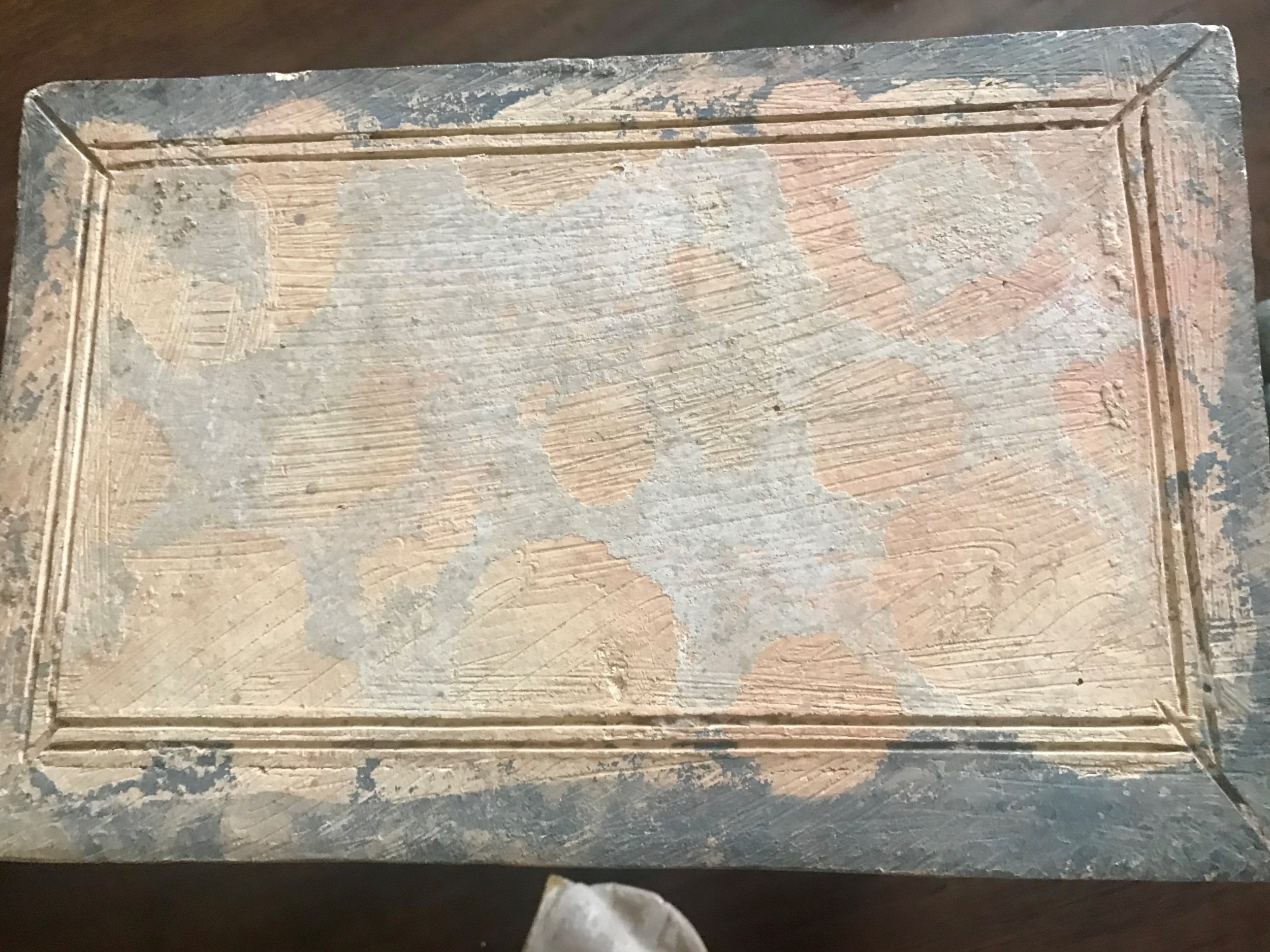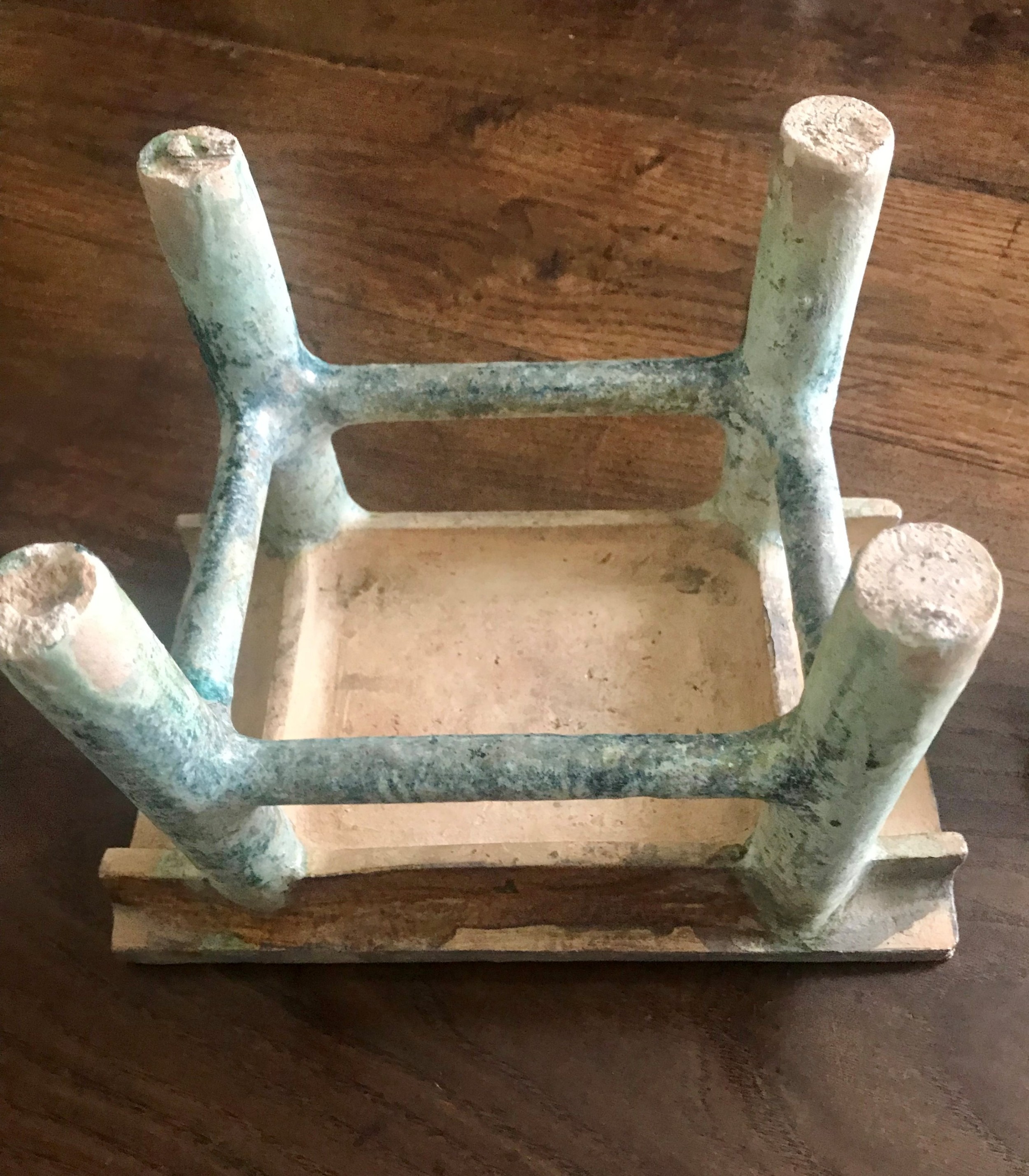
Roy Precious - Antiques & Fine Art has dated this piece to the Before 1700 period.
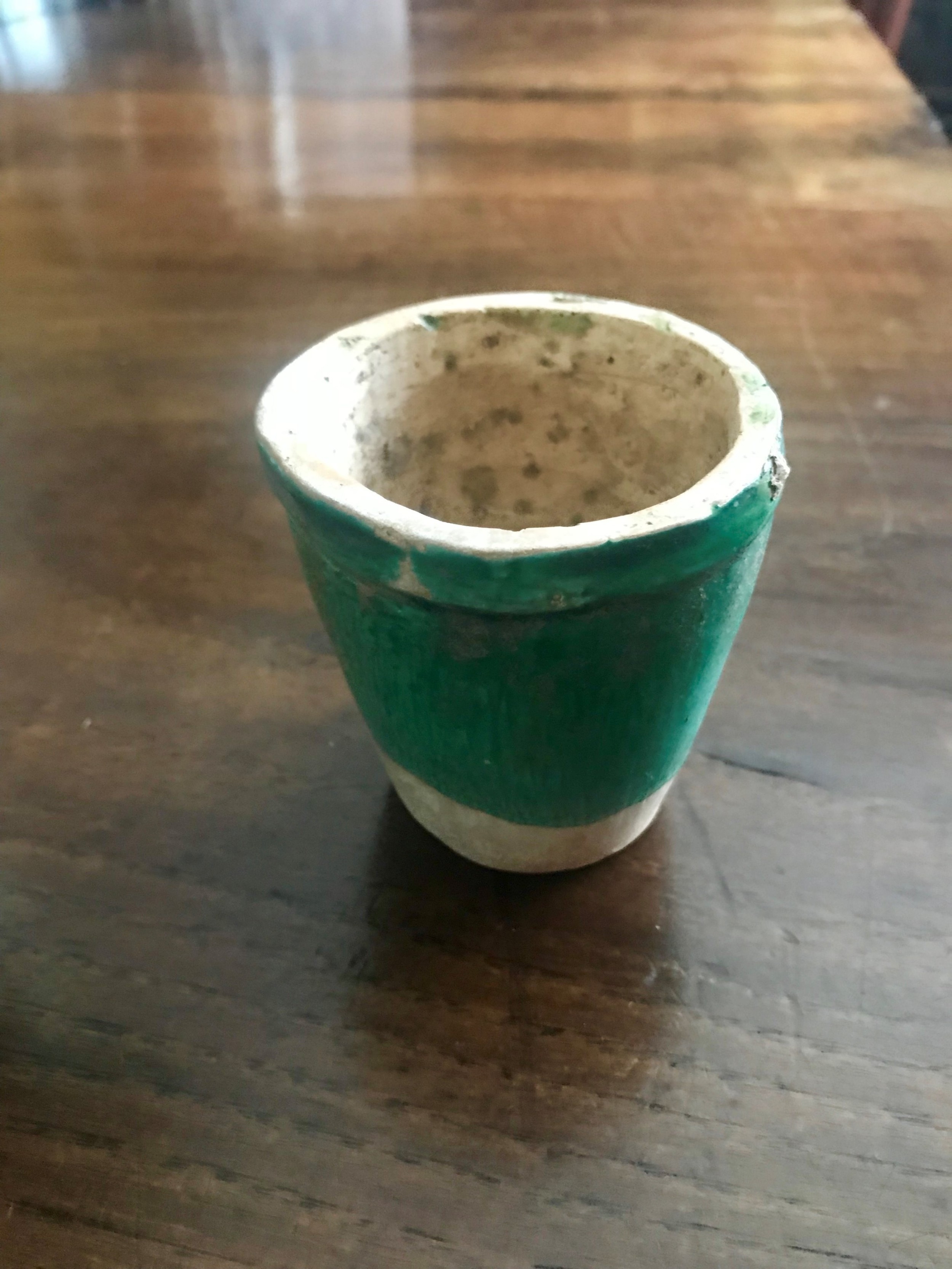
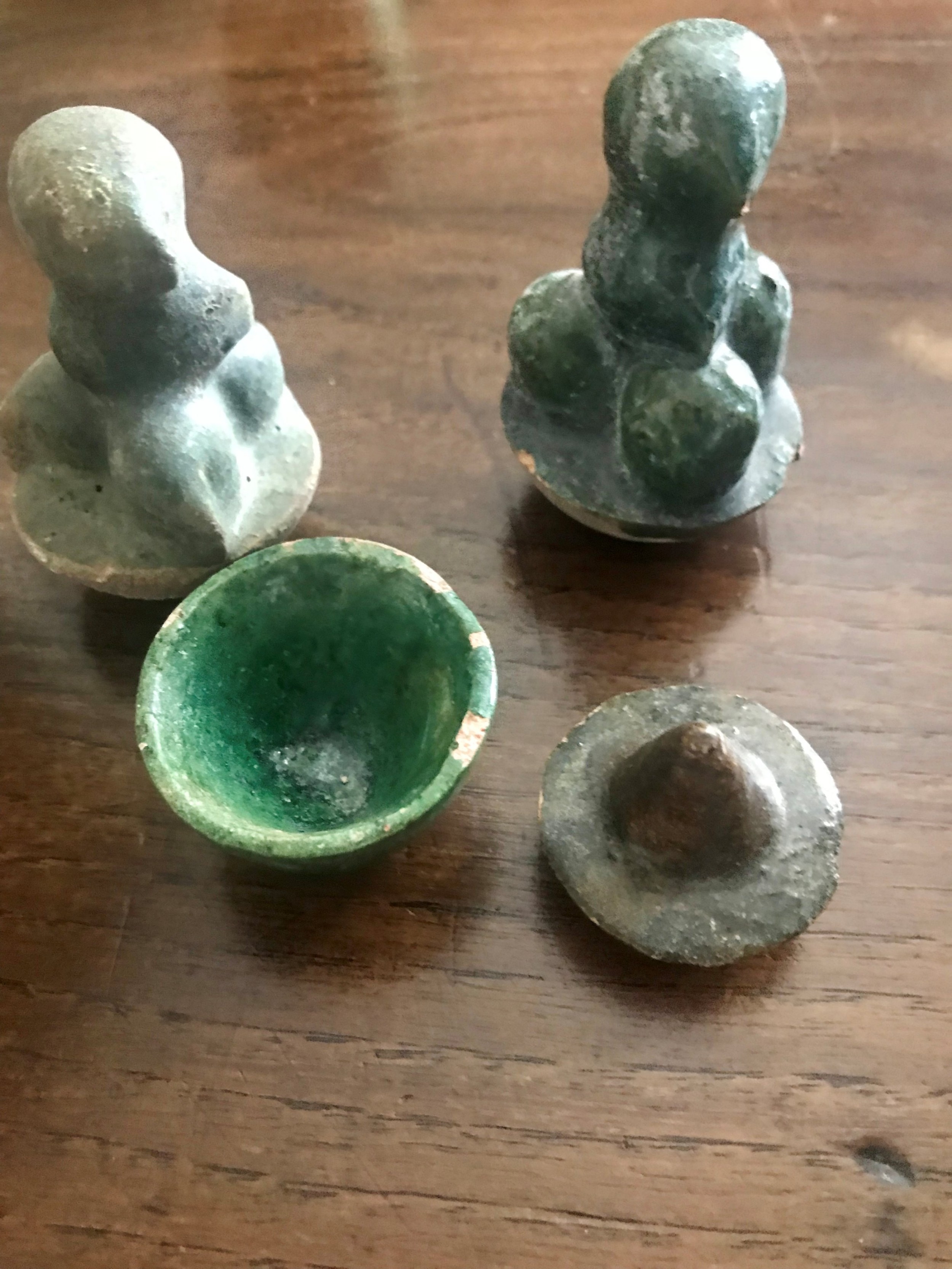
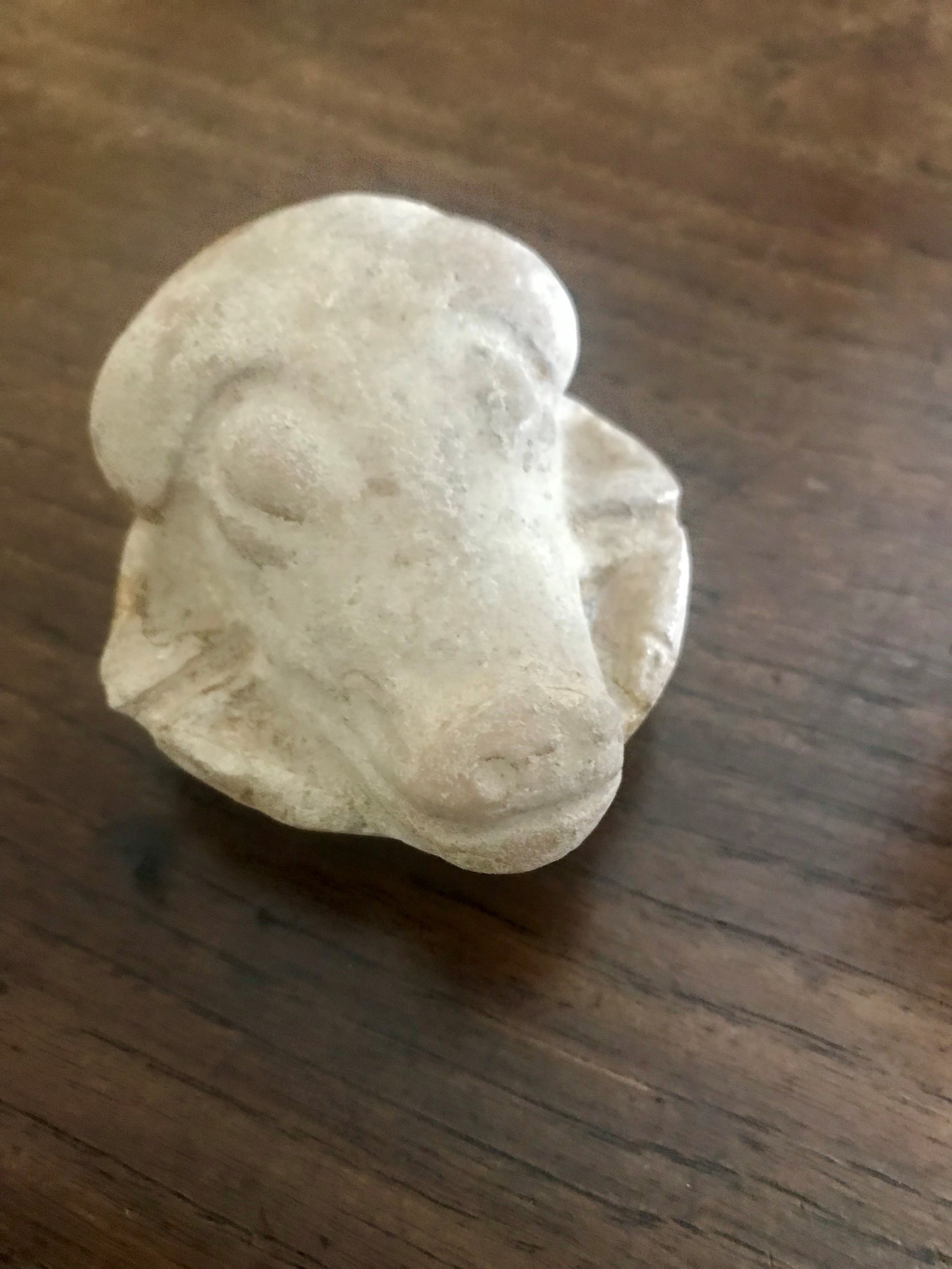
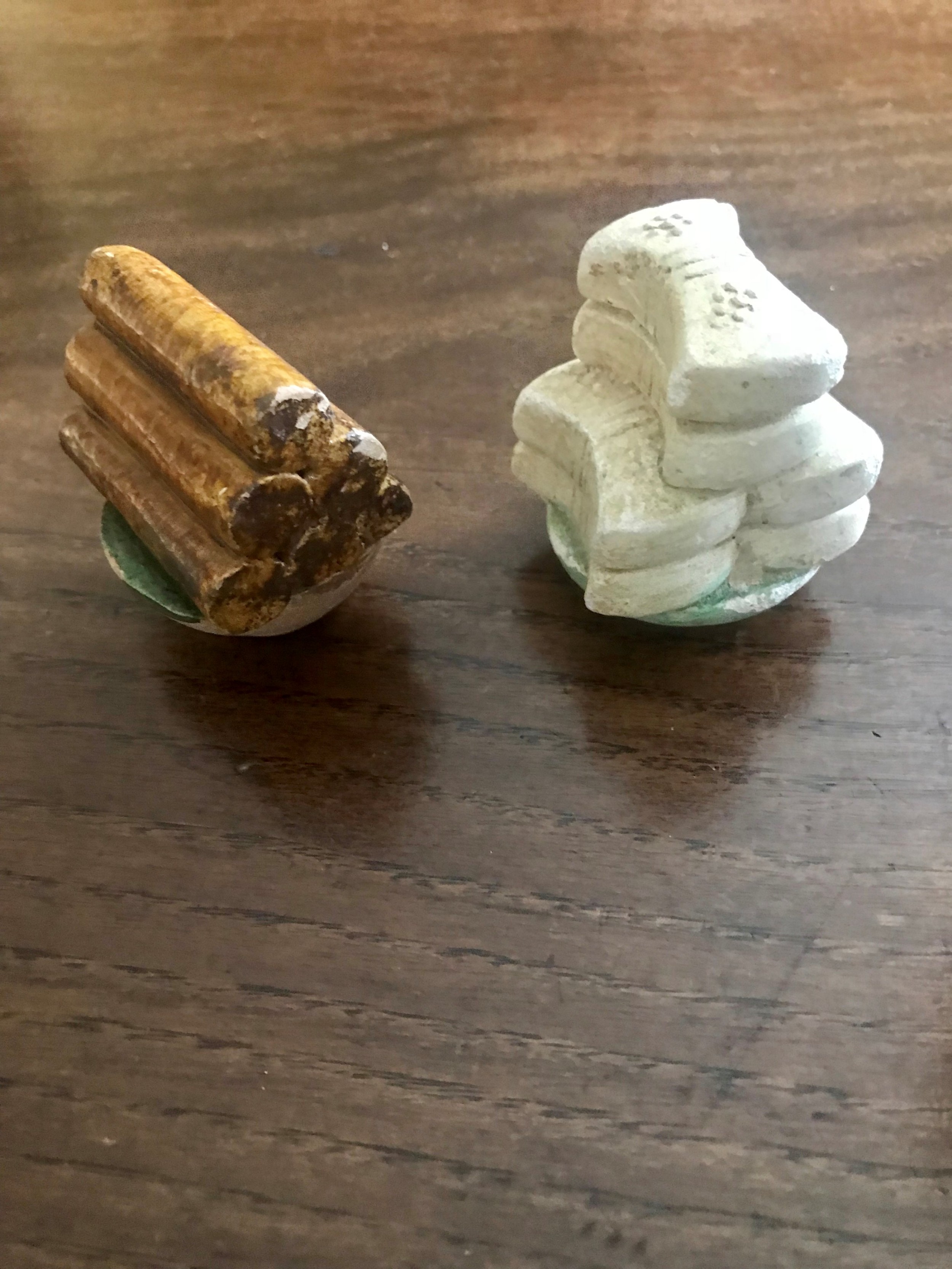
This small item is a typical Chinese altar, painted in green with tempera. Modelled and painted miniature food and drinks are arranged on it. Called Mingqi, these kinds of terracotta models were traditionally placed in the Chinese burials for the wealthy deceased, in order to assist the them in the afterlife, a practice that dates back to the Neolithic Period.
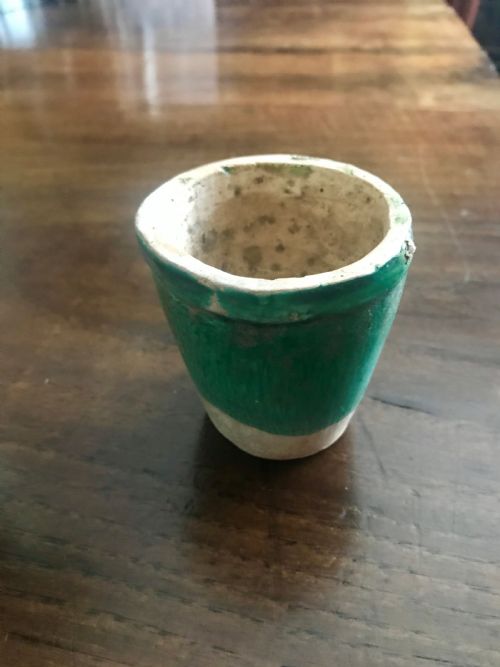
Mingqi: sometimes referred to as "spirit objects" are Chinese burial goods. They included daily utensils, musical instruments, weapons, armour, and intimate objects such as the deceased's cap and bamboo mat. Mingqi also could include figurines of soldiers, servants, musicians, polo riders, houses, and horses.
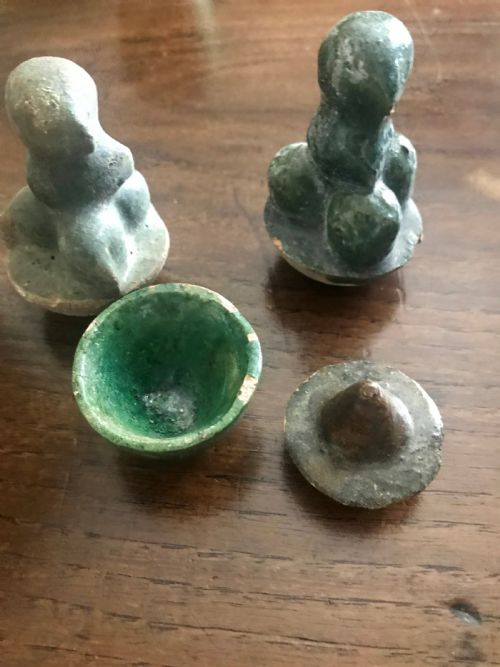
Mingqi served to provide the deceased with necessities and comforts in the afterlife. The deceased person's corporeal spirit was said to remain in the realm of the tomb while the ethereal spirit ascended to heaven. To appease the deceased's corporeal spirit mingqi that were relevant and liked by the deceased were placed in his tomb. Upon placing mingqi in the tomb, humans, according to the Confucian ideal, were harmonizing the cosmos by striking a balance for the comfort of the deceased who is also comforted in heaven.
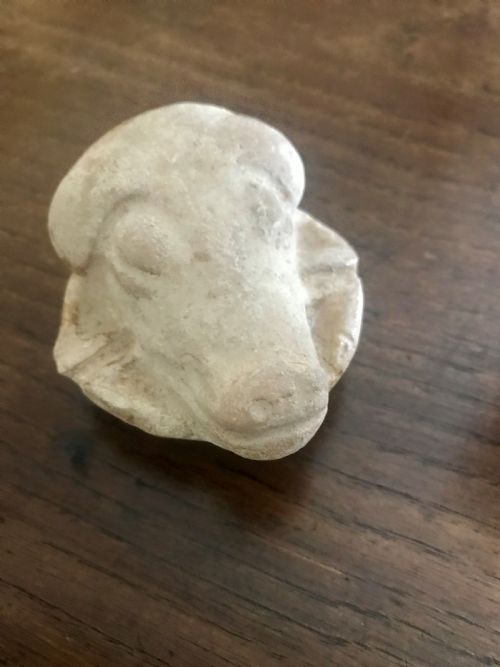
Although this item is in the earlier Han Dynasty style (206 BC–220 AD), it is probably Ming Dynasty (1368–1644) . Chinese potters often used an earlier style as a mark of respect to their ancestors.
SIZE: height 7 inches. width 10 inches. depth 6.5 inches.
PROVENANCE: With certificate of authenticity from antiquities specialist Vanessa Purcell & Co. 28th April 1995.
Roy Precious - Antiques & Fine Art has dated this piece to the Before 1700 period.
Roy and nadine precious: specialists in portraiture from the 16th to the 20th century. Established in 1972.
You can view the stock and full dealer information on the Roy Precious - Antiques & Fine Art Profile Page
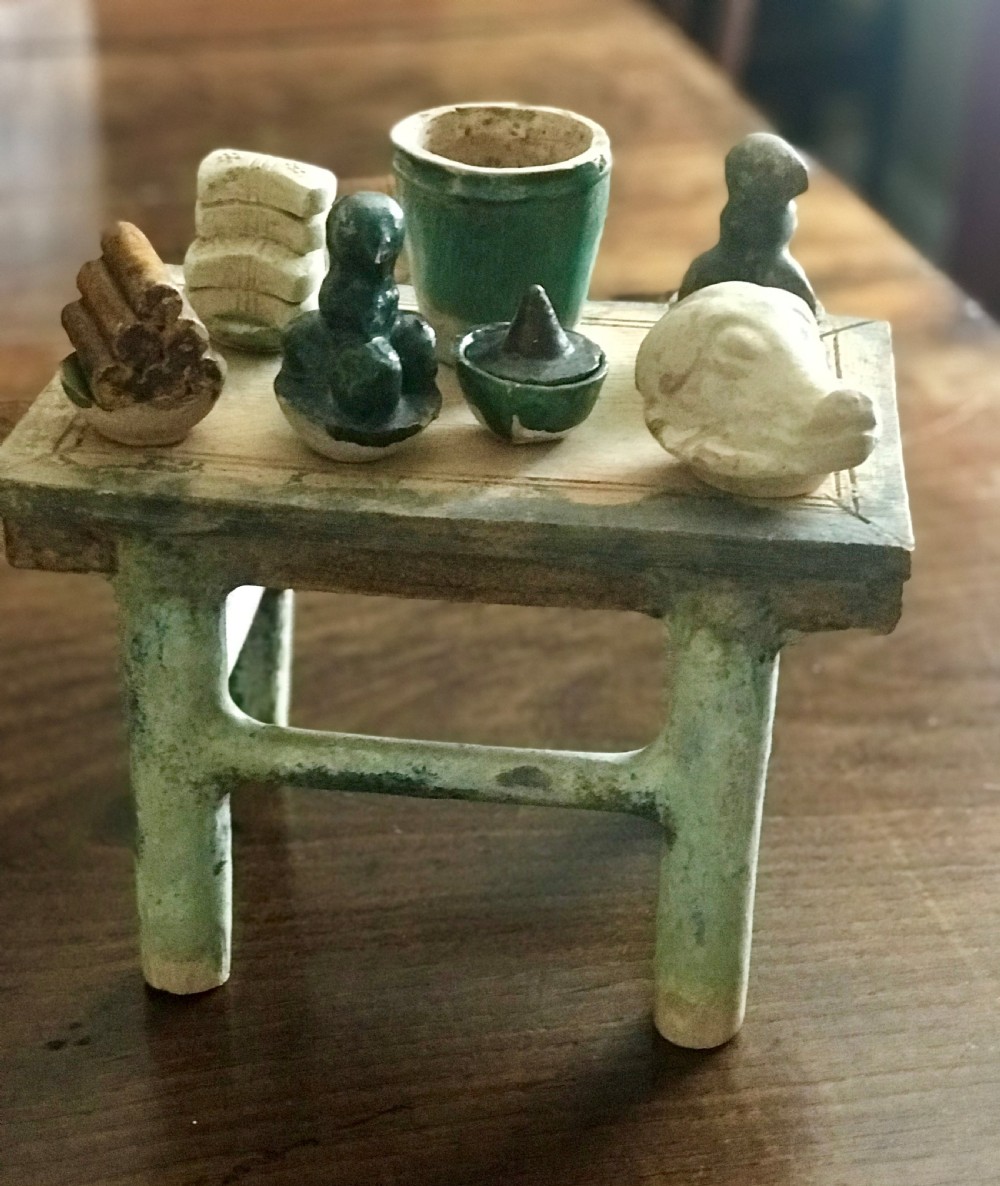
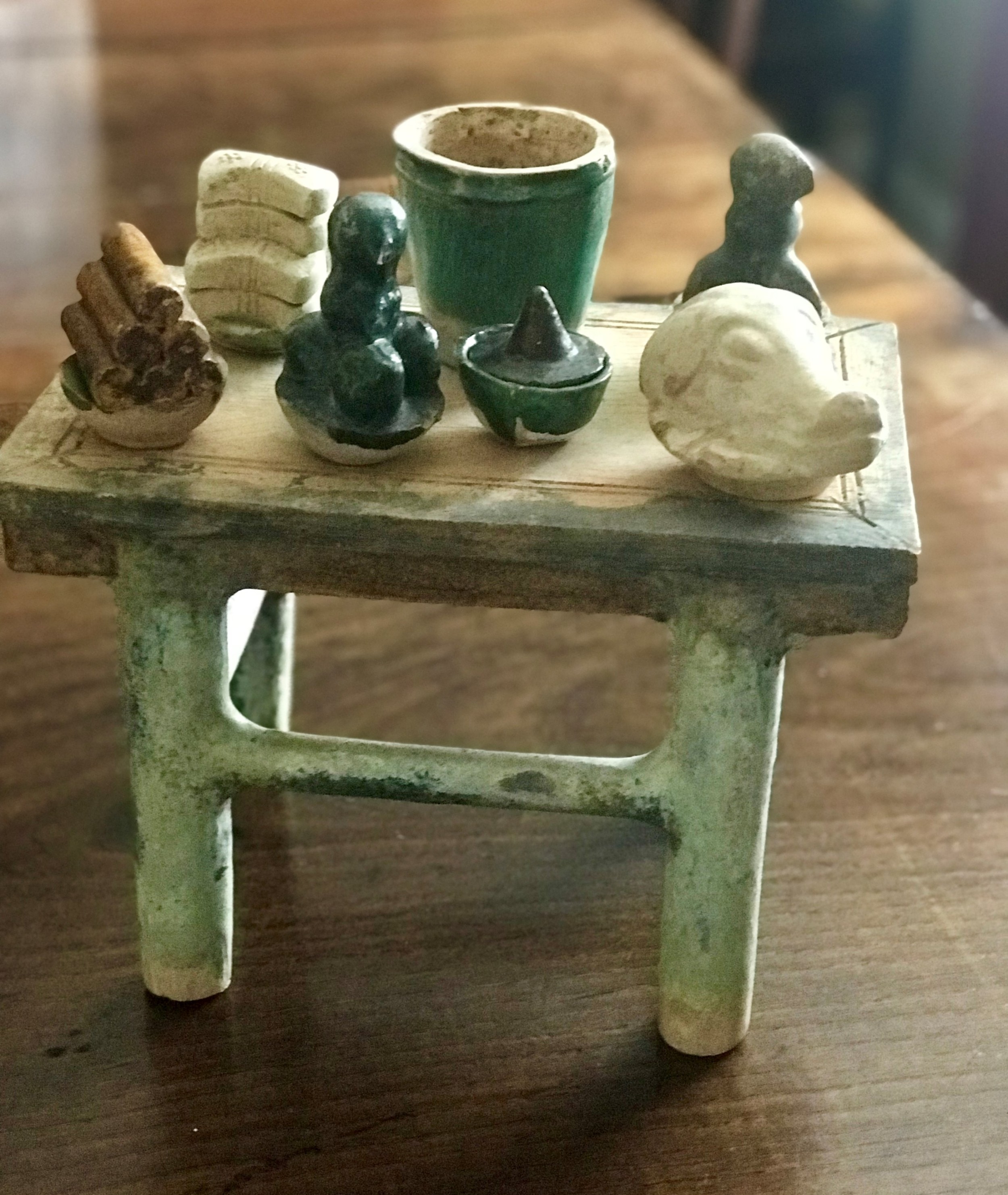
Ming Dynasty Terracotta Funerary Table from China, 15th-16th Century.