25,120  PAGES BROWSED TODAY PAGES TODAY 75  ANTIQUES UPLOADED TODAY NEW ARRIVALS
ID #SA485970
FOR SALE
£2,600
Email
Save
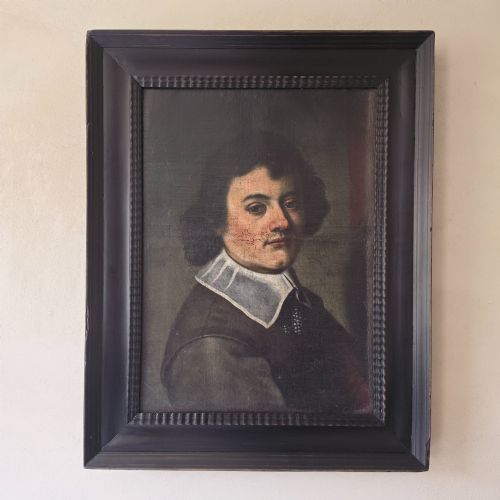
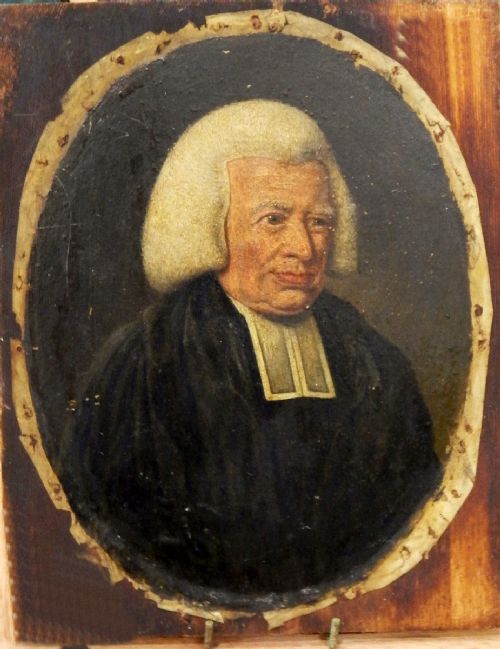
English School 18th, Century portrait of Josiah Tucker, Dean Tucker, 1713-1799
Artware Fineart
for sale €3,042     $3,302
£2,600

Artware Fineart

Sellingantiques Verified Since Sep 2008
View Dealers Stock Page
Id #SA485970
PDF SHARE
SAVE

English School 18th, Century portrait of Josiah Tucker, Dean Tucker, 1713-1799

17th century
For Sale by Artware Fineart
Description

English School 18th, Century

Portrait of Josiah Tucker, Dean Tucker, 1713-1799

oil on canvas

21 x 16 cm. (8.1/2 x 6.1/2in.)

Josiah Tucker, (1713–1799), economist and political writer, was born at Laugharne, Carmarthenshire, in December 1713. His reluctance to discuss his antecedents left few details regarding his family and later gave rise to many apocryphal stories regarding his Welsh peasant stock, long life, and physical strength. His father, however, was probably Josiah Tucker, a member of the salt office at Nevern, Pembrokeshire, who, after his marriage to Eliza Bradshaw at Laugharne in October 1711, inherited a small estate in Aberystwyth. A certain amount of mystery also surrounds Tucker's two marriages. His first wife was Elizabeth Woodward (1696–1771), a widow seventeen years his senior. Although the couple lived apart Tucker educated her sons, one of whom, Richard Woodward, later became bishop of Cloyne, Ireland. In 1781 Tucker married his housekeeper, a Miss Crow, the daughter of a local schoolmaster. This second marriage, which seems to have been one of genuine affection, produced no children. Tucker's later correspondence indicates that he had a sister whose eight children he helped to provide for.
Early career

Whatever his background, Tucker received an excellent education. Following his attendance at the endowed Elizabethan grammar school at Ruthin, Denbighshire, he went up as an exhibitioner to St John's College, Oxford, in January 1733. Having graduated BA in 1736 he took holy orders; he graduated MA in 1739, and DD in 1755. He was appointed curate of St Stephen's, Bristol, in 1737 and made rector of All Saints', in the same city, two years later. In 1750 he was appointed vicar of St Stephen's, a large and wealthy parish, and his long residence in Bristol, England's second city and an important commercial centre, was crucial to the development of his religious, political, and economic viewpoints. It also brought him into contact with the bishop, Joseph Butler (1692–1752).

One of the most celebrated theologians of his day, Butler greatly influenced Tucker's outlook regarding human motivation, as well as the role that private virtue and enlightened self-interest could play in public life. Tucker considered Butler's Analogy of Religion (1736) a masterpiece. Their close friendship led to Tucker's advancement: Butler appointed Tucker his private chaplain in 1738 and a minor canon in Bristol Cathedral in 1742. A decade later Tucker acted as one of the executors of Butler's will. Butler's scepticism regarding religious freethinkers, deists, and the growing movement of religious enthusiasm also influenced Tucker's views and involved him in local controversy regarding Methodist beliefs then taking root under George Whitefield and John Wesley in Bristol.

In 1739 Tucker's first published work, attacking Methodism, led to a heated newspaper exchange, a lengthy rebuttal of his attacks in An Answer to Mr. Tucker's Defence of his Queries, possibly written by Wesley, and to Tucker being physically assaulted in the streets of Bristol. Ignoring his local unpopularity, Tucker went on to publish, at the request of the archbishop of Armagh, A Brief History of the Principles of Methodism (1742). One of his twelve published works on religious topics, all of which displayed great learning, this work attacked Methodism as little more than a medley of older, conflicting religious ideas artificially thrown together by the personal whim of Whitefield himself. Wesley, who admired Tucker as a preacher, published a sincere reply, Principles of Methodism (1746), which brought an end to this particular controversy but not to Tucker's development as something of a born controversialist. In a long career he published over forty-four works, many of which considered the pressing problems of the day. His published wor

Physical Dimensions
Height
21cm (8.27")
Width
16cm (6.30")
Declaration

Artware Fineart has dated this Georgian Oil Portrait Painting to the 17th Century.

Reference Numbers
Sellingantiques Reference
SA485970
Dealers Internal Reference
3917
Description
English School 18th, Century

Portrait of Josiah Tucker, Dean Tucker, 1713-1799

oil on canvas

21 x 16 cm. (8.1/2 x 6.1/2in.)

Josiah Tucker, (1713–1799), economist and political writer, was born at Laugharne, Carmarthenshire, in December 1713.
Artware Fineart

His reluctance to discuss his antecedents left few details regarding his family and later gave rise to many apocryphal stories regarding his Welsh peasant stock, long life, and physical strength. His father, however, was probably Josiah Tucker, a member of the salt office at Nevern, Pembrokeshire, who, after his marriage to Eliza Bradshaw at Laugharne in October 1711, inherited a small estate in Aberystwyth. A certain amount of mystery also surrounds Tucker's two marriages. His first wife was Elizabeth Woodward (1696–1771), a widow seventeen years his senior. Although the couple lived apart Tucker educated her sons, one of whom, Richard Woodward, later became bishop of Cloyne, Ireland. In 1781 Tucker married his housekeeper, a Miss Crow, the daughter of a local schoolmaster. This second marriage, which seems to have been one of genuine affection, produced no children. Tucker's later correspondence indicates that he had a sister whose eight children he helped to provide for.

fig 1. An 18th-century oval oil painting depicting an elderly man in a white wig and black clerical robes against a dark background.
fig 1. English School 18th, Century portrait of Josiah Tucker, Dean Tucker, 1713-1799

Early career

Whatever his background, Tucker received an excellent education. Following his attendance at the endowed Elizabethan grammar school at Ruthin, Denbighshire, he went up as an exhibitioner to St John's College, Oxford, in January 1733. Having graduated BA in 1736 he took holy orders; he graduated MA in 1739, and DD in 1755. He was appointed curate of St Stephen's, Bristol, in 1737 and made rector of All Saints', in the same city, two years later. In 1750 he was appointed vicar of St Stephen's, a large and wealthy parish, and his long residence in Bristol, England's second city and an important commercial centre, was crucial to the development of his religious, political, and economic viewpoints. It also brought him into contact with the bishop, Joseph Butler (1692–1752).

One of the most celebrated theologians of his day, Butler greatly influenced Tucker's outlook regarding human motivation, as well as the role that private virtue and enlightened self-interest could play in public life. Tucker considered Butler's Analogy of Religion (1736) a masterpiece. Their close friendship led to Tucker's advancement: Butler appointed Tucker his private chaplain in 1738 and a minor canon in Bristol Cathedral in 1742. A decade later Tucker acted as one of the executors of Butler's will. Butler's scepticism regarding religious freethinkers, deists, and the growing movement of religious enthusiasm also influenced Tucker's views and involved him in local controversy regarding Methodist beliefs then taking root under George Whitefield and John Wesley in Bristol.

In 1739 Tucker's first published work, attacking Methodism, led to a heated newspaper exchange, a lengthy rebuttal of his attacks in An Answer to Mr. Tucker's Defence of his Queries, possibly written by Wesley, and to Tucker being physically assaulted in the streets of Bristol. Ignoring his local unpopularity, Tucker went on to publish, at the request of the archbishop of Armagh, A Brief History of the Principles of Methodism (1742). One of his twelve published works on religious topics, all of which displayed great learning, this work attacked Methodism as little more than a medley of older, conflicting religious ideas artificially thrown together by the personal whim of Whitefield himself. Wesley, who admired Tucker as a preacher, published a sincere reply, Principles of Methodism (1746), which brought an end to this particular controversy but not to Tucker's development as something of a born controversialist. In a long career he published over forty-four works, many of which considered the pressing problems of the day. His published wor

Height
21cm (8.27")
Width
16cm (6.30")
Date of Manufacture

Artware Fineart has dated this Georgian Oil Portrait Painting to the 17th Century.

Reference Numbers
Sellingantiques Ref
SA485970
Dealers Internal Ref
3917
Artware Fineart
Sellingantiques verified Since Sep 2008
Dealer Profile

You can view the stock and full dealer information on the Artware Fineart Profile Page

PDF SHARE
SAVE
An 18th-century oval oil painting depicting an elderly man in a white wig and black clerical robes against a dark background.
1 / 2
Archive I An 18th-century oval oil painting depicting an elderly man in a white wig and black clerical robes against a dark background.

English School 18th, Century portrait of Josiah Tucker, Dean Tucker, 1713-1799

Archive II An 18th-century oval oil painting depicting an elderly man in a white wig and black clerical robes against a dark background. View II
FURTHER BROWSING

Visitors also looked at these ⇣

Enlarged Archival View
Telephone 07958 699 645
Location
18 La Gare
51 Surrey Row
London
SE1 0BZ
United Kingdom
Verified Since Sep 2008
Items For Sale 243
Items Sold 223
Artware Fineart
Verified Since Sep 2008
View Dealer Info
Location: 18 La Gare , 51 Surrey Row , London , SE1 0BZ , United Kingdom
Verified
Sep 2008
For Sale
243
Sold
223
An 18th-century oval oil painting depicting an elderly man in a white wig and black clerical robes against a dark background.
English School 18th, Century Portrait of Josiah Tucker, Dean Tucker, 1713-1799
Ref: SA485970
An 18th-century oval oil painting depicting an elderly man in a white wig and black clerical robes against a dark background.
Detail View 1
Archival Detail
Every single antique dealer on our platform is individually approved by our internal team. We verify their professional trade history, ethical standards, and photographic quality to ensure a secure, high-standard buying environment. Upon joining, every dealer agrees to a strict 9-point code of conduct. While issues can occasionally arise, our dealers typically resolve them swiftly and directly with the buyer. In fact, since our founding in 2002, Sellingantiques has only had to step in to help resolve an issue on roughly five occasions—a true testament to the quality of our dealers and their dedication to your happiness.
Our dealers are highly experienced in packing and shipping fragile, high-value antiques. Because you are in direct contact with the dealer, you will be able to easily go through all available shipping and insurance options together to ensure your item arrives safely.
Antiques are the ultimate green purchase. By choosing historical pieces over newly manufactured goods, you completely eliminate the carbon footprint of modern mass production while preserving exceptional, timeless craftsmanship.

Georgian portraiture from the 18th century often features formal poses, dark or neutral backgrounds, and precise detail rendered in oil. Sitters were frequently depicted in clothing indicating their social status, profession, or academic standing, such as wigs and ceremonial robes.

Artists during this period primarily utilised oil paints composed of natural pigments mixed with linseed oil, applied to hand-stretched linen canvases or wooden panels. Frames were typically hand-carved wood finished with gold leaf or dark gesso.

Authentic paintings from this era display natural craquelure across the paint surface, historic wood or canvas oxidisation on the reverse, and evidence of hand-prepared grounds. Pigment analysis and construction techniques of the stretcher or panel also help verify age.

A historical oil portrait can be integrated into a modern space by placing it within a gallery wall alongside varied artwork, or setting it above a sideboard or mantelpiece to create a focused visual focal point.

Preserve oil paintings by hanging them away from direct sunlight, dampness, and severe temperature fluctuations. Dust the surface gently with a soft, dry brush and consult a professional conservator for cleaning or varnish removal.
items
Add keywords to the filter
Price
£100
£250000
Era
Movements
Material
Origin
Stock Location
Freshness
Online Payments
Categories