22,149  PAGES BROWSED TODAY PAGES TODAY 36  ANTIQUES UPLOADED TODAY NEW ARRIVALS
ID #SA342085
FOR SALE
£6,500
Email
Save
English School 17th Century, Portrait of Richard Bancroft, Dd, Ma, Ba, Archbishop of Canterbury 1544 - 1610
Artware Fineart
for sale €7,605     $8,255
£6,500

Artware Fineart

Sellingantiques Verified Since Sep 2008
View Dealers Stock Page
Id #SA342085
PDF SHARE
SAVE

English School 17th Century, Portrait of Richard Bancroft, Dd, Ma, Ba, Archbishop of Canterbury 1544 - 1610

17th century
For Sale by Artware Fineart
Description

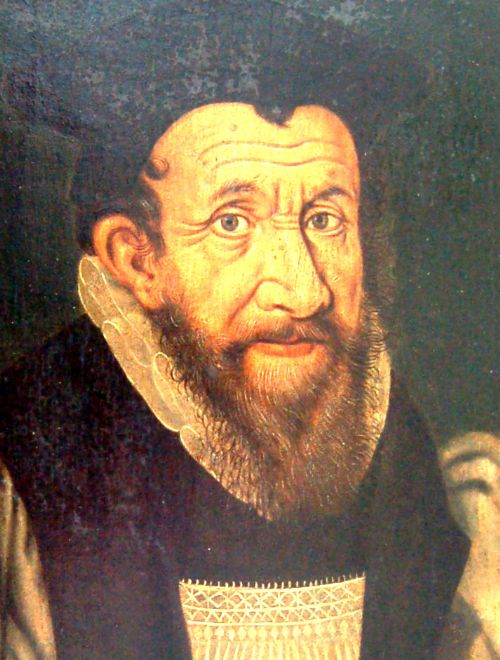
English School 17th Century, Portrait of Richard Bancroft, DD, MA, BA, Archbishop of Canterbury 1544 - 1610

oil on oak panel

50.80 x 30.48 cm. (20 x 12 in.)

Bancroft, Richard (bap. 1544, d. 1610), archbishop of Canterbury, was baptized at Prescot, Farnworth, Lancashire, on 12 September 1544. He was the second son of John Bancroft, gentleman, and his wife, Mary, daughter of James Curwen and niece of Hugh Curwen (c.1500–1568), archbishop of Dublin (1555–67) and bishop of Oxford (1567–8).
Bancroft was educated locally at the grammar school in Farnworth. He was older than was usual for his generation when admitted to Cambridge, where he was elected scholar at Christ's College, graduating BA in 1567. Although his reputation was said to be higher on the sports field in boxing, wrestling, and quarterstaff, he was nevertheless chosen to greet Elizabeth during her first visit to Cambridge in 1564. He delivered an overweening encomium, lauding her shining example and praising her as a judge against the raging bulls of the pope.
Financial uncertainty may have delayed Bancroft's initial entry to university. In his final undergraduate year Archbishop Curwen granted him the prebendal stall of Malhidert in St Patrick's, Dublin. As he was not yet ordained this would assist him financially. With it came a royal licence to be absent from the university for six months. It is also possible that education in a newly reformed university may not have been an altogether appealing option for someone from a traditionalist background in the north-west. A fellow Lancastrian student, Laurence Chaderton, some eight years senior to Bancroft, came from a financially more secure background and yet did not enter Christ's until he was almost thirty.

For a time Bancroft may have been a close member of Chaderton's wide-flung network of patronage and acquaintance. The two remained lifelong, if unlikely, friends even when Bancroft removed to Jesus College as a tutor (he was never a fellow there). Later Bancroft regarded men like John Rainolds, William Whitaker, and Chaderton as respectable moderates, and in his Daungerous Positions (1593) he deliberately omitted any mention of Chaderton's leading role in the conference movement. He retained broad sympathies for the moderate puritan position and with them opposed the Elizabethan university statutes of 1572.

Bancroft proceeded MA from Jesus in 1572, and two years later, at the age of thirty, he was ordained priest in the diocese of Ely by Bishop Richard Cox. Cox, who had supported the university statutes of 1572, was also visitor of Jesus. He made Bancroft one of his chaplains, in which post he probably served until Cox died in 1581. He later offered him a prebend at Ely (21 December 1575) and collated him to the rectory of Teversham, near Cambridge (24 March 1576). Later that year he was licensed as one of the twelve preachers in the university. ‘By the appointment of Archbishop [Edmund] Grindal, he did once visite the Diocese of Peterborough’, in the wake of the ‘disorders’ involving preachers in Northamptonshire in 1576 (CUL, Mm.1.47, fol. 332). This would appear to be the first time that he had acted as the bishop's proxy in matters of discipline. In 1580 or 1581 Bancroft entered the service of the lord chancellor, Sir Christopher Hatton, as a chaplain, ‘for the most part in her Majesties Court, & was in good Reputation with him, & often employed in sundry maters of great Importance, for her Highnes service’ (ibid.).

It was as one of the university select preachers, and not as an episcopal visitor, that Bancroft was sent to preach at the Bury St Edmunds assize in July 1583. Bury had recently become troubled by the sermons of Robert Browne, a kinsman of Lord Burghley, who had been released from his imprisonment for unauthorized preaching in Cambridge and had moved his centre of operati

Physical Dimensions
Height
59cm (23.23")
Width
39cm (15.35")
Depth
3cm (1.18")
Declaration

Artware Fineart has dated this 17th Century Oil Portrait to the 17th Century.

Reference Numbers
Sellingantiques Reference
SA342085
Dealers Internal Reference
3734
Description
English School 17th Century, Portrait of Richard Bancroft, DD, MA, BA, Archbishop of Canterbury 1544 - 1610

oil on oak panel

50.80 x 30.48 cm. (20 x 12 in.)

Bancroft, Richard (bap. 1544, d.

1610), archbishop of Canterbury, was baptized at Prescot, Farnworth, Lancashire, on 12 September 1544.
Artware Fineart

He was the second son of John Bancroft, gentleman, and his wife, Mary, daughter of James Curwen and niece of Hugh Curwen (c.1500–1568), archbishop of Dublin (1555–67) and bishop of Oxford (1567–8).

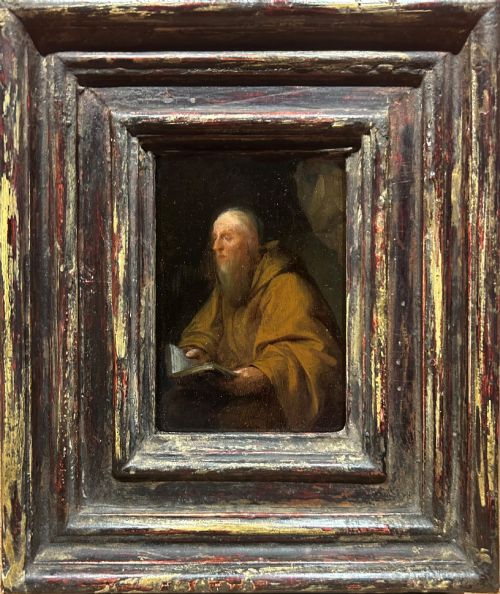
fig 1. A 17th-century oil portrait depicting a bearded cleric wearing a scholar cap and a pleated ruff collar against a dark background.
fig 1. English School 17th Century, Portrait of Richard Bancroft, Dd, Ma, Ba, Archbishop of Canterbury 1544 - 1610

Bancroft was educated locally at the grammar school in Farnworth. He was older than was usual for his generation when admitted to Cambridge, where he was elected scholar at Christ's College, graduating BA in 1567. Although his reputation was said to be higher on the sports field in boxing, wrestling, and quarterstaff, he was nevertheless chosen to greet Elizabeth during her first visit to Cambridge in 1564. He delivered an overweening encomium, lauding her shining example and praising her as a judge against the raging bulls of the pope.

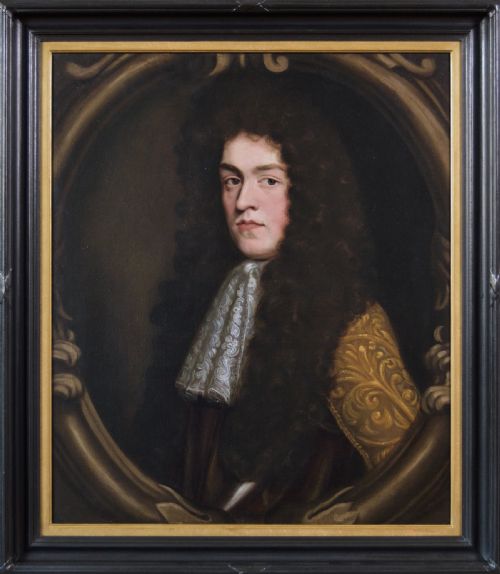
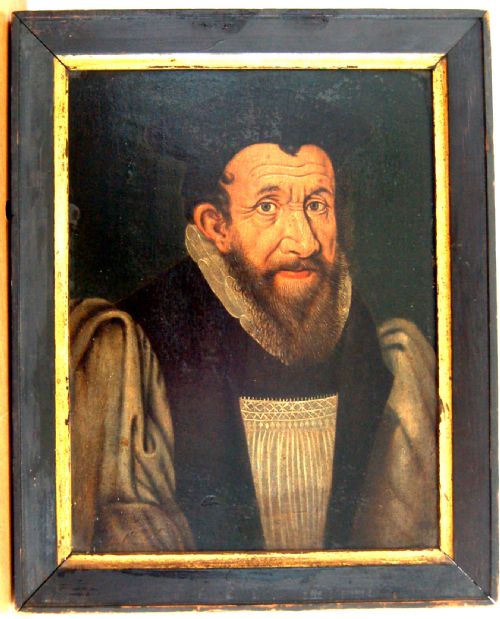
fig 2. A 17th-century oil portrait depicting a bearded cleric wearing a scholar cap and a pleated ruff collar against a dark background.
fig 2. English School 17th Century, Portrait of Richard Bancroft, Dd, Ma, Ba, Archbishop of Canterbury 1544 - 1610

Financial uncertainty may have delayed Bancroft's initial entry to university. In his final undergraduate year Archbishop Curwen granted him the prebendal stall of Malhidert in St Patrick's, Dublin. As he was not yet ordained this would assist him financially. With it came a royal licence to be absent from the university for six months. It is also possible that education in a newly reformed university may not have been an altogether appealing option for someone from a traditionalist background in the north-west. A fellow Lancastrian student, Laurence Chaderton, some eight years senior to Bancroft, came from a financially more secure background and yet did not enter Christ's until he was almost thirty.

For a time Bancroft may have been a close member of Chaderton's wide-flung network of patronage and acquaintance. The two remained lifelong, if unlikely, friends even when Bancroft removed to Jesus College as a tutor (he was never a fellow there). Later Bancroft regarded men like John Rainolds, William Whitaker, and Chaderton as respectable moderates, and in his Daungerous Positions (1593) he deliberately omitted any mention of Chaderton's leading role in the conference movement. He retained broad sympathies for the moderate puritan position and with them opposed the Elizabethan university statutes of 1572.

Bancroft proceeded MA from Jesus in 1572, and two years later, at the age of thirty, he was ordained priest in the diocese of Ely by Bishop Richard Cox. Cox, who had supported the university statutes of 1572, was also visitor of Jesus. He made Bancroft one of his chaplains, in which post he probably served until Cox died in 1581. He later offered him a prebend at Ely (21 December 1575) and collated him to the rectory of Teversham, near Cambridge (24 March 1576). Later that year he was licensed as one of the twelve preachers in the university. ‘By the appointment of Archbishop [Edmund] Grindal, he did once visite the Diocese of Peterborough’, in the wake of the ‘disorders’ involving preachers in Northamptonshire in 1576 (CUL, Mm.1.47, fol. 332). This would appear to be the first time that he had acted as the bishop's proxy in matters of discipline. In 1580 or 1581 Bancroft entered the service of the lord chancellor, Sir Christopher Hatton, as a chaplain, ‘for the most part in her Majesties Court, & was in good Reputation with him, & often employed in sundry maters of great Importance, for her Highnes service’ (ibid.).

It was as one of the university select preachers, and not as an episcopal visitor, that Bancroft was sent to preach at the Bury St Edmunds assize in July 1583. Bury had recently become troubled by the sermons of Robert Browne, a kinsman of Lord Burghley, who had been released from his imprisonment for unauthorized preaching in Cambridge and had moved his centre of operati

Height
59cm (23.23")
Width
39cm (15.35")
Depth
3cm (1.18")
Date of Manufacture

Artware Fineart has dated this 17th Century Oil Portrait to the 17th Century.

Reference Numbers
Sellingantiques Ref
SA342085
Dealers Internal Ref
3734
Artware Fineart
Sellingantiques verified Since Sep 2008
Dealer Profile

You can view the stock and full dealer information on the Artware Fineart Profile Page

PDF SHARE
SAVE
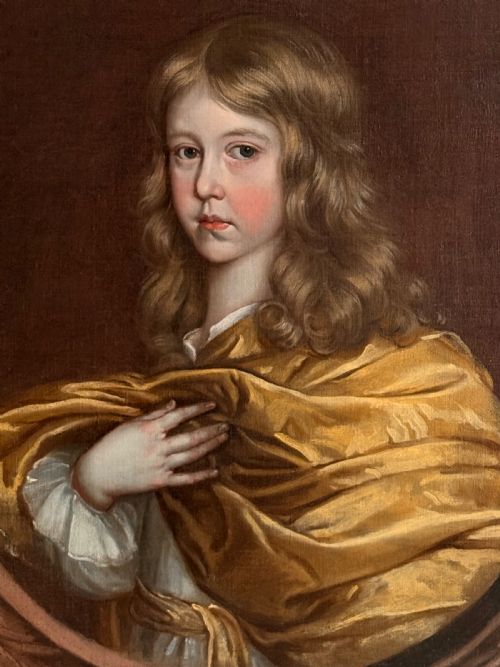
A 17th-century oil portrait depicting a bearded cleric wearing a scholar cap and a pleated ruff collar against a dark background.
1 / 3
Archive I A 17th-century oil portrait depicting a bearded cleric wearing a scholar cap and a pleated ruff collar against a dark background.

English School 17th Century, Portrait of Richard Bancroft, Dd, Ma, Ba, Archbishop of Canterbury 1544 - 1610
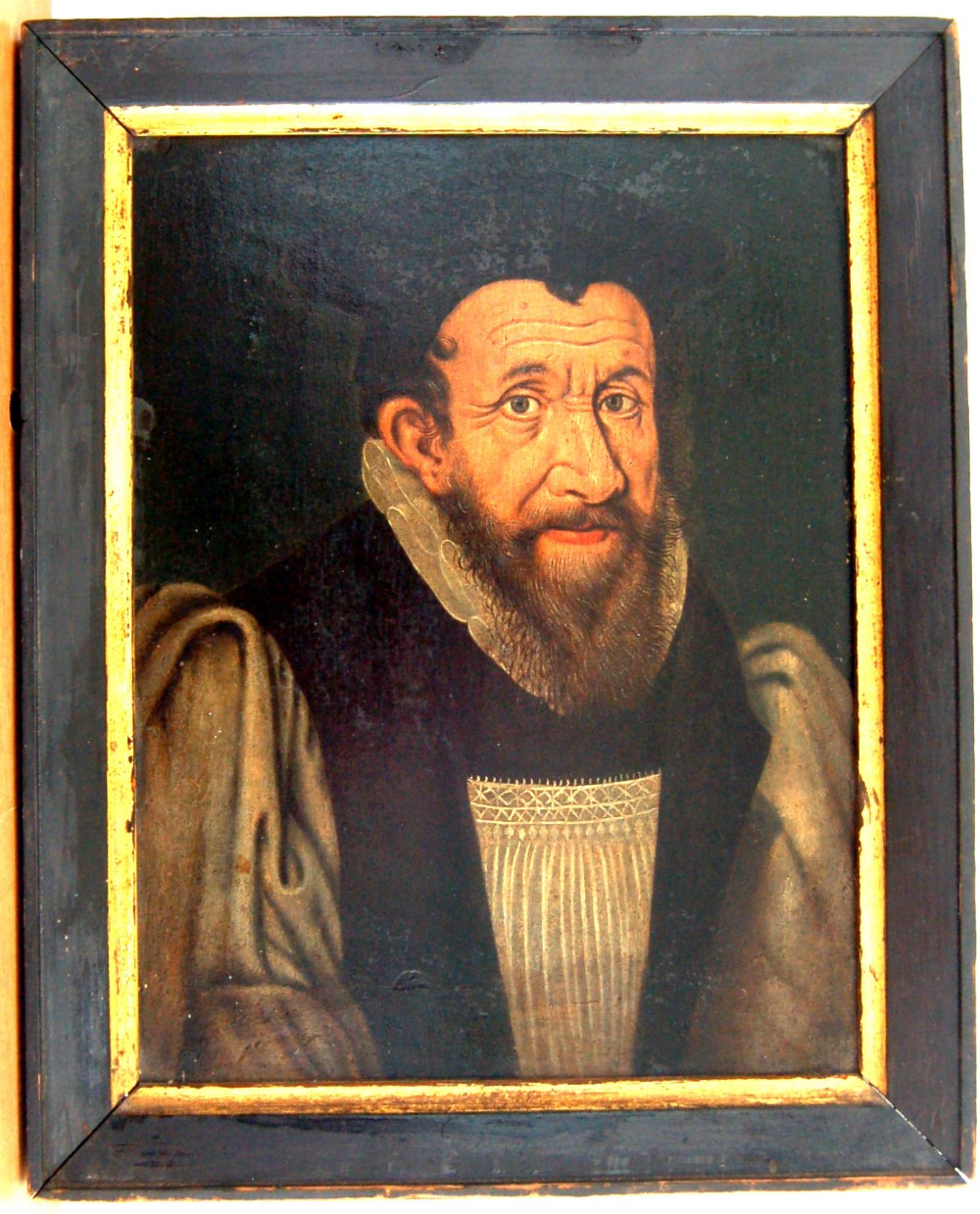
Archive II A 17th-century oil portrait depicting a bearded cleric wearing a scholar cap and a pleated ruff collar against a dark background. View II
Archive III A 17th-century oil portrait depicting a bearded cleric wearing a scholar cap and a pleated ruff collar against a dark background. View III
FURTHER BROWSING

Visitors also looked at these ⇣

Enlarged Archival View
Telephone 07958 699 645
Location
18 La Gare
51 Surrey Row
London
SE1 0BZ
United Kingdom
Verified Since Sep 2008
Items For Sale 243
Items Sold 223
Artware Fineart
Verified Since Sep 2008
View Dealer Info
Location: 18 La Gare , 51 Surrey Row , London , SE1 0BZ , United Kingdom
Verified
Sep 2008
For Sale
243
Sold
223
A 17th-century oil portrait depicting a bearded cleric wearing a scholar cap and a pleated ruff collar against a dark background.
English School 17th Century, Portrait of Richard Bancroft, DD, MA, BA, Archbishop of Canterbury 1544 - 1610
Ref: SA342085
A 17th-century oil portrait depicting a bearded cleric wearing a scholar cap and a pleated ruff collar against a dark background.
Detail View 1
Detail View 2
Archival Detail
Every single antique dealer on our platform is individually approved by our internal team. We verify their professional trade history, ethical standards, and photographic quality to ensure a secure, high-standard buying environment. Upon joining, every dealer agrees to a strict 9-point code of conduct. While issues can occasionally arise, our dealers typically resolve them swiftly and directly with the buyer. In fact, since our founding in 2002, Sellingantiques has only had to step in to help resolve an issue on roughly five occasions—a true testament to the quality of our dealers and their dedication to your happiness.
Our dealers are highly experienced in packing and shipping fragile, high-value antiques. Because you are in direct contact with the dealer, you will be able to easily go through all available shipping and insurance options together to ensure your item arrives safely.
Antiques are the ultimate green purchase. By choosing historical pieces over newly manufactured goods, you completely eliminate the carbon footprint of modern mass production while preserving exceptional, timeless craftsmanship.

British portraiture in the 17th century focused on formal posture, detailed attire, and dark backgrounds to denote social status, political stance, and religious office.

Artists primarily used hand-ground oil pigments applied to stretched linen canvas or wooden panels, often using linseed oil as a binding medium.

Authenticity is identified through age-appropriate craquelure patterns across the paint film, period-correct canvas weave, wooden stretcher construction, and period attire such as ruffs or clerical vestments.

Antique portraits create contrast when hung on dark painted walls, integrated into gallery walls, or placed above fireplace mantels in traditional study settings.

Keep the canvas away from direct sunlight, maintain stable ambient temperature and humidity, and consult a qualified fine art conservator for surface cleaning.
items
Add keywords to the filter
Price
£100
£250000
Era
Movements
Material
Origin
Stock Location
Freshness
Online Payments
Categories