59,970  PAGES BROWSED TODAY PAGES TODAY 206  ANTIQUES UPLOADED TODAY NEW ARRIVALS
Sort Order
Items Per Page
ID #SA307661
SOLD
Email
Save
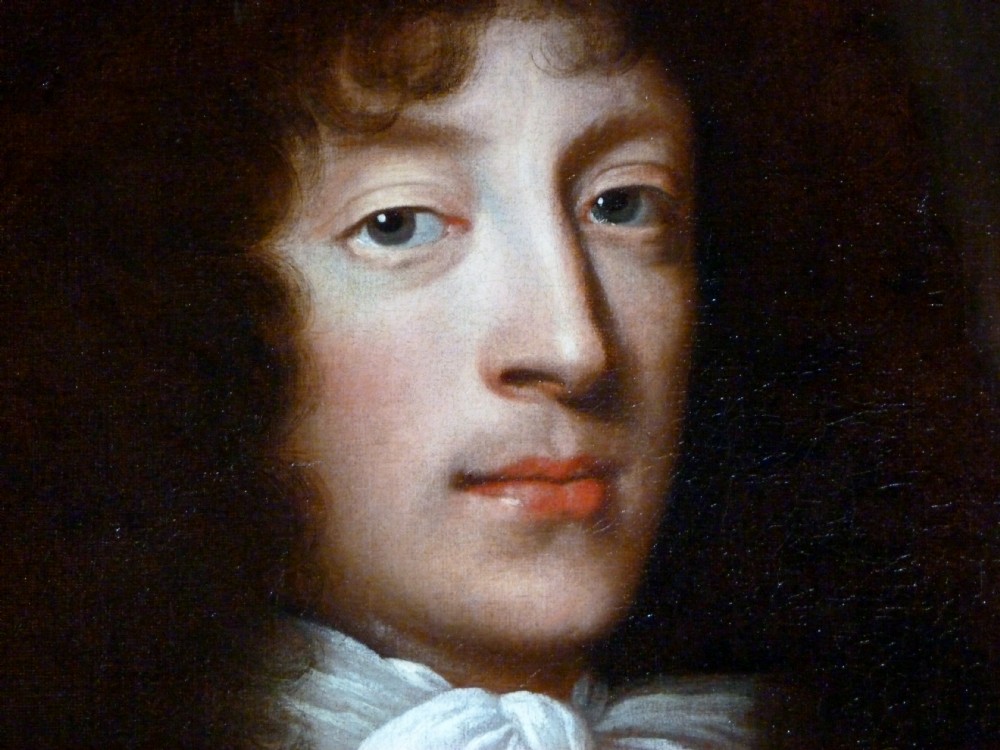
Portrait of James Fitzjames, Duke of Berwick C.1690: Studio of John Michael Wright.
Roy Precious - Antiques & Fine Art
sold SA307661
Sorry, but this item has been sold.
Roy Precious - Antiques & Fine Art

Roy Precious - Antiques & Fine Art

Sellingantiques Verified Since Mar 2003
View Dealers Stock Page
  • About Us
    Roy and nadine precious: specialists in portraiture from the 16th to the 20th century. Established in 1972.
Id #SA307661
PDF SHARE
SAVE

Portrait of James Fitzjames, Duke of Berwick C.1690: Studio of John Michael Wright.

18th century
Description

Oil on canvas in a fine quality carved and giltwood reproduction 17th century frame.

JAMES FITZJAMES, 1st Duke of Berwick, 1st Duke of Fitz-James, 1st Duke of Liria and Jérica (21 August 1670 – 12 June 1734) was an Anglo-French military leader, illegitimate son of King James II of England by Arabella Churchill, sister of the 1st Duke of Marlborough.

His father was a recent convert to Catholicism and Fitzjames was schooled at a succession of Catholic colleges in France between 1677 and 1686. After his education he shuttled between Britain and the armies of the Holy Roman Emperor Leopold I, fighting in what is now Hungary and Austria.
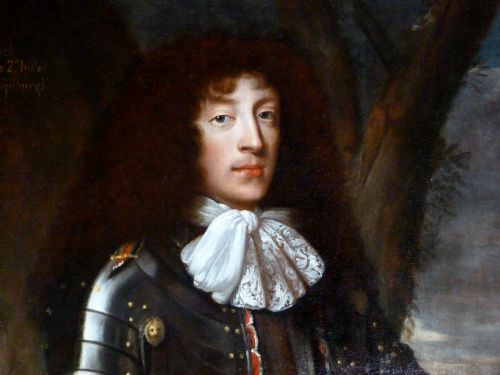
Following his father’s accession to the throne, Fitzjames was made Duke of Berwick upon Tweed, and appointed Colonel of the 8th Regiment of Foot and the Royal Horse Guards. When Prince William of Orange landed in 1688 to seize the English throne, the 18-year-old Berwick fled to France, seeking refuge at the royal court of King Louis XIV.

Berwick served in James II’s unsuccessful campaign in Ireland, commanding the cavalry on the Jacobite right wing at the Battle of the Boyne in 1690. He took temporary overall command of the Jacobite force until being recalled to France in January 1691. Berwick volunteered for service in the French campaign in the Low Countries, but was captured at Landen in 1693 by another of his uncles, George Churchill. In 1696, after his release from captivity, he secretly visited England for a week to foment a rising against William III.
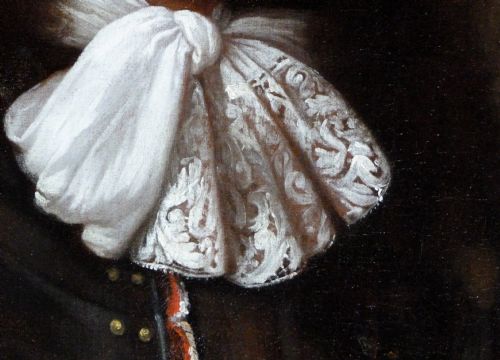
After his first wife’s death, Berwick spent time touring Italy in 1698. He married again in 1700 and became a naturalised French subject in 1703. Berwick was appointed commander of the French force sent to Spain to assist Louis XIV’s grandson, Philip V. On his arrival in Spain in 1704, he was also made captain-general of Spain’s army and a Knight of the Order of the Golden Fleece.
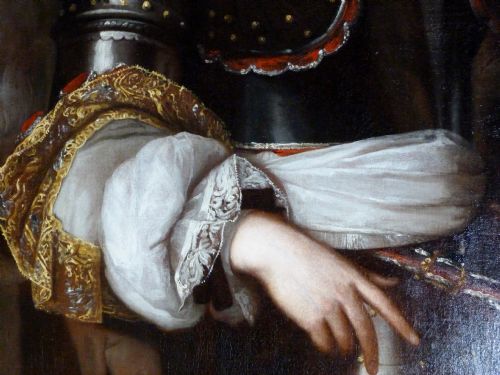
In 1706 Berwick was made a Marshal of France and sent to Spain again, retaking Madrid and Lerida and inflicting a crushing defeat on Galway’s force at Almanza on the Spanish coast. A French cavalry assault destroyed or captured all but 5,000 of Galway’s 22,000-strong force. Philip V rewarded Berwick with two Spanish dukedoms before he left Spain to campaign in northern France.
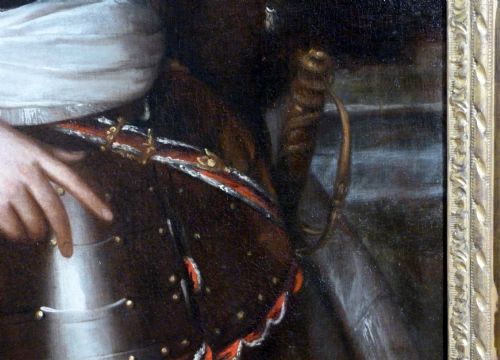
Berwick found it difficult to co-operate with the French general Vendome and in 1709 he shifted theatre again, this time to France’s border with Piedmont and then to Flanders and Spain once again. In 1715 James II’s legitimate son, James Stuart, the ‘Old Pretender’, landed in Scotland, triggering the First Jacobite Rebellion. He appointed Berwick Captain-General of the Jacobite forces in Scotland. However, the French King forbade Berwick from taking up the post. Berwick campaigned one last time in Spain in 1719 but had largely fallen from favour in both the French and Jacobite courts. His final command was of the French forces sent across the Rhine in October 1733. Inspecting the siege works at Philippsburg, he was killed by a cannon ball on 12 June 1734.
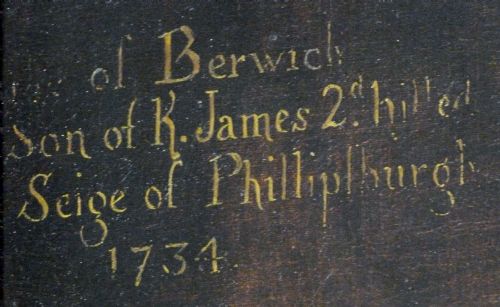
JOHN MICHAEL WRIGHT (May 1617 – July 1694) Described variously as English and Scottish, Wright trained in Edinburgh under the Scots painter George Jamesone, and acquired a considerable reputation as an artist and scholar during a long sojourn in Rome. There he was admitted to the Accademia di San Luca. He took up permanent residence in England from 1656, and served as court painter before and after the English Restoration. A convert to Roman Catholicism, he was a favourite of the restored Stuart court, a client of both Charles II and James II. In the final years of the Stuart monarchy he returned to Rome.

SIZE: 50.5 x 41 inches inc. frame

PROVENANCE: *Collection of James H. Van Alen, New York.

*Private Collection, England.

Declaration

Roy Precious - Antiques & Fine Art has dated this piece to the 1700s.

Reference Numbers
Sellingantiques Reference
SA307661
Dealers Internal Reference
8857
Description
Oil on canvas in a fine quality carved and giltwood reproduction 17th century frame.

JAMES FITZJAMES, 1st Duke of Berwick, 1st Duke of Fitz-James, 1st Duke of Liria and Jérica (21 August 1670 – 12 June 1734) was an Anglo-French military leader, illegitimate son of King James II of England by Arabella Churchill, sister of the 1st Duke of Marlborough.

His father was a recent convert to Catholicism and Fitzjames was schooled at a succession of Catholic colleges in France between 1677 and 1686.
Roy Precious - Antiques & Fine Art

After his education he shuttled between Britain and the armies of the Holy Roman Emperor Leopold I, fighting in what is now Hungary and Austria.

fig 1. Portrait of James FitzJames, Duke of Berwick c.1690: Studio of John Michael Wright.
fig 1. Portrait of James Fitzjames, Duke of Berwick C.1690: Studio of John Michael Wright.

Following his father’s accession to the throne, Fitzjames was made Duke of Berwick upon Tweed, and appointed Colonel of the 8th Regiment of Foot and the Royal Horse Guards. When Prince William of Orange landed in 1688 to seize the English throne, the 18-year-old Berwick fled to France, seeking refuge at the royal court of King Louis XIV.

fig 2. Portrait of James FitzJames, Duke of Berwick c.1690: Studio of John Michael Wright.
fig 2. Portrait of James Fitzjames, Duke of Berwick C.1690: Studio of John Michael Wright.

Berwick served in James II’s unsuccessful campaign in Ireland, commanding the cavalry on the Jacobite right wing at the Battle of the Boyne in 1690. He took temporary overall command of the Jacobite force until being recalled to France in January 1691. Berwick volunteered for service in the French campaign in the Low Countries, but was captured at Landen in 1693 by another of his uncles, George Churchill. In 1696, after his release from captivity, he secretly visited England for a week to foment a rising against William III.

fig 3. Portrait of James FitzJames, Duke of Berwick c.1690: Studio of John Michael Wright.
fig 3. Portrait of James Fitzjames, Duke of Berwick C.1690: Studio of John Michael Wright.

After his first wife’s death, Berwick spent time touring Italy in 1698. He married again in 1700 and became a naturalised French subject in 1703. Berwick was appointed commander of the French force sent to Spain to assist Louis XIV’s grandson, Philip V. On his arrival in Spain in 1704, he was also made captain-general of Spain’s army and a Knight of the Order of the Golden Fleece.

fig 4. Portrait of James FitzJames, Duke of Berwick c.1690: Studio of John Michael Wright.
fig 4. Portrait of James Fitzjames, Duke of Berwick C.1690: Studio of John Michael Wright.

In 1706 Berwick was made a Marshal of France and sent to Spain again, retaking Madrid and Lerida and inflicting a crushing defeat on Galway’s force at Almanza on the Spanish coast. A French cavalry assault destroyed or captured all but 5,000 of Galway’s 22,000-strong force. Philip V rewarded Berwick with two Spanish dukedoms before he left Spain to campaign in northern France.

fig 5. Portrait of James FitzJames, Duke of Berwick c.1690: Studio of John Michael Wright.
fig 5. Portrait of James Fitzjames, Duke of Berwick C.1690: Studio of John Michael Wright.

Berwick found it difficult to co-operate with the French general Vendome and in 1709 he shifted theatre again, this time to France’s border with Piedmont and then to Flanders and Spain once again. In 1715 James II’s legitimate son, James Stuart, the ‘Old Pretender’, landed in Scotland, triggering the First Jacobite Rebellion. He appointed Berwick Captain-General of the Jacobite forces in Scotland. However, the French King forbade Berwick from taking up the post. Berwick campaigned one last time in Spain in 1719 but had largely fallen from favour in both the French and Jacobite courts. His final command was of the French forces sent across the Rhine in October 1733. Inspecting the siege works at Philippsburg, he was killed by a cannon ball on 12 June 1734.

fig 6. Portrait of James FitzJames, Duke of Berwick c.1690: Studio of John Michael Wright.
fig 6. Portrait of James Fitzjames, Duke of Berwick C.1690: Studio of John Michael Wright.

JOHN MICHAEL WRIGHT (May 1617 – July 1694) Described variously as English and Scottish, Wright trained in Edinburgh under the Scots painter George Jamesone, and acquired a considerable reputation as an artist and scholar during a long sojourn in Rome. There he was admitted to the Accademia di San Luca. He took up permanent residence in England from 1656, and served as court painter before and after the English Restoration. A convert to Roman Catholicism, he was a favourite of the restored Stuart court, a client of both Charles II and James II. In the final years of the Stuart monarchy he returned to Rome.

SIZE: 50.5 x 41 inches inc. frame

PROVENANCE: *Collection of James H. Van Alen, New York.

Private Collection, England.

Date of Manufacture

Roy Precious - Antiques & Fine Art has dated this piece to the 1700s.

Reference Numbers
Sellingantiques Ref
SA307661
Dealers Internal Ref
8857
Roy Precious - Antiques & Fine Art
Sellingantiques verified Since Mar 2003

Roy and nadine precious: specialists in portraiture from the 16th to the 20th century. Established in 1972.

Dealer Profile

You can view the stock and full dealer information on the Roy Precious - Antiques & Fine Art Profile Page

PDF SHARE
SAVE
Portrait of James FitzJames, Duke of Berwick c.1690: Studio of John Michael Wright.
1 / 8
Archive I Portrait of James FitzJames, Duke of Berwick c.1690: Studio of John Michael Wright.

Portrait of James Fitzjames, Duke of Berwick C.1690: Studio of John Michael Wright.
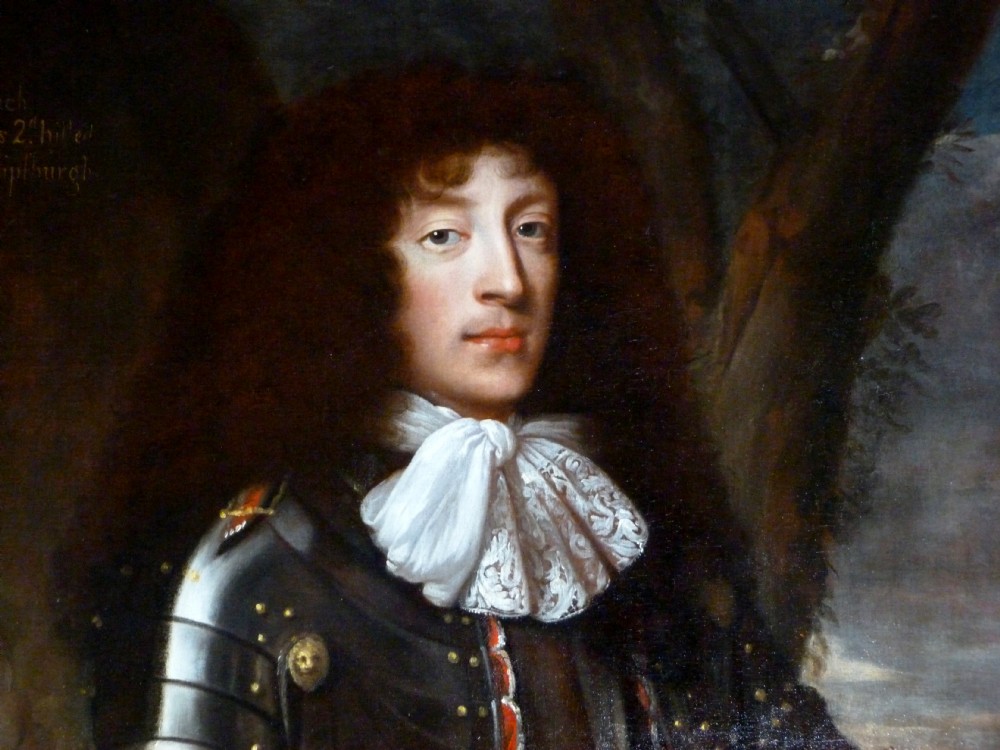
Archive II Portrait of James FitzJames, Duke of Berwick c.1690: Studio of John Michael Wright. View II
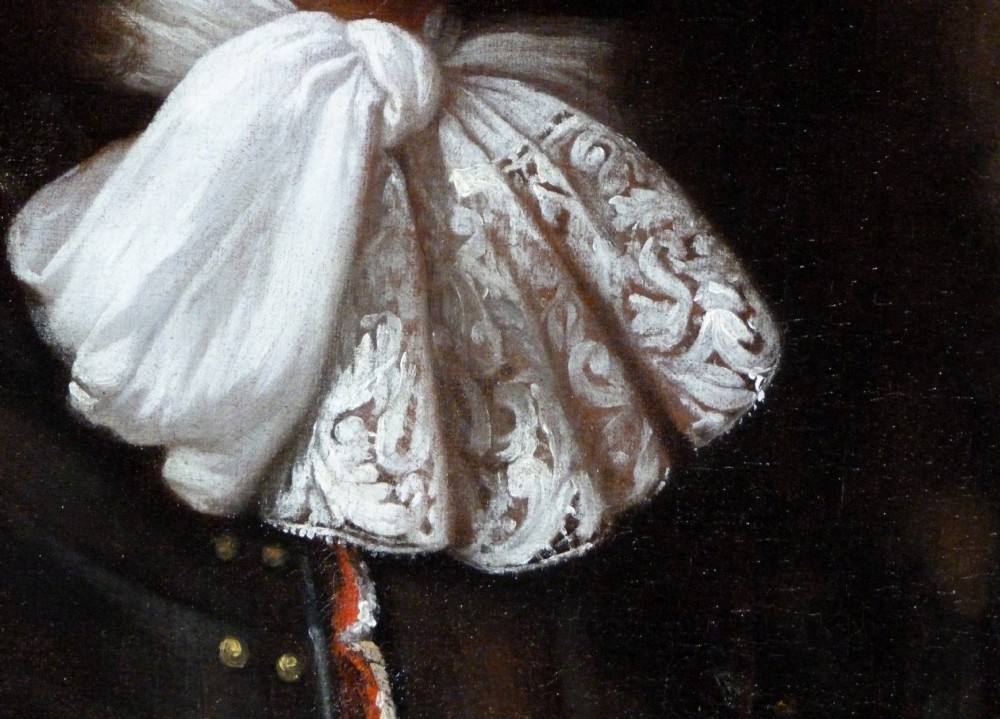
Archive III Portrait of James FitzJames, Duke of Berwick c.1690: Studio of John Michael Wright. View III
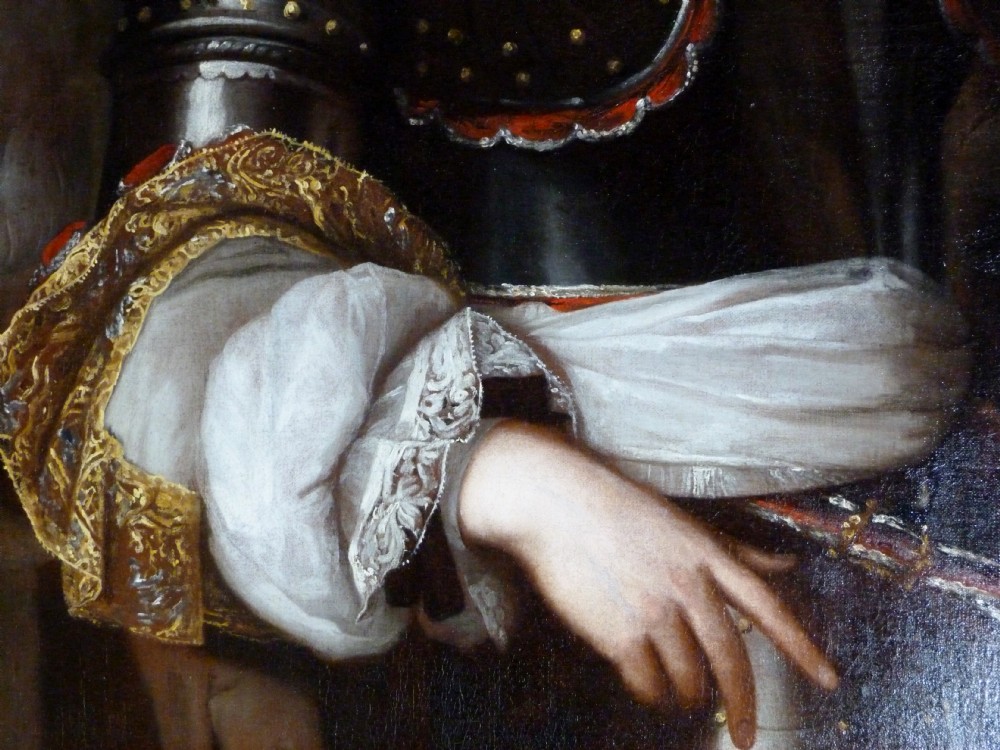
Archive IV Portrait of James FitzJames, Duke of Berwick c.1690: Studio of John Michael Wright. View IV
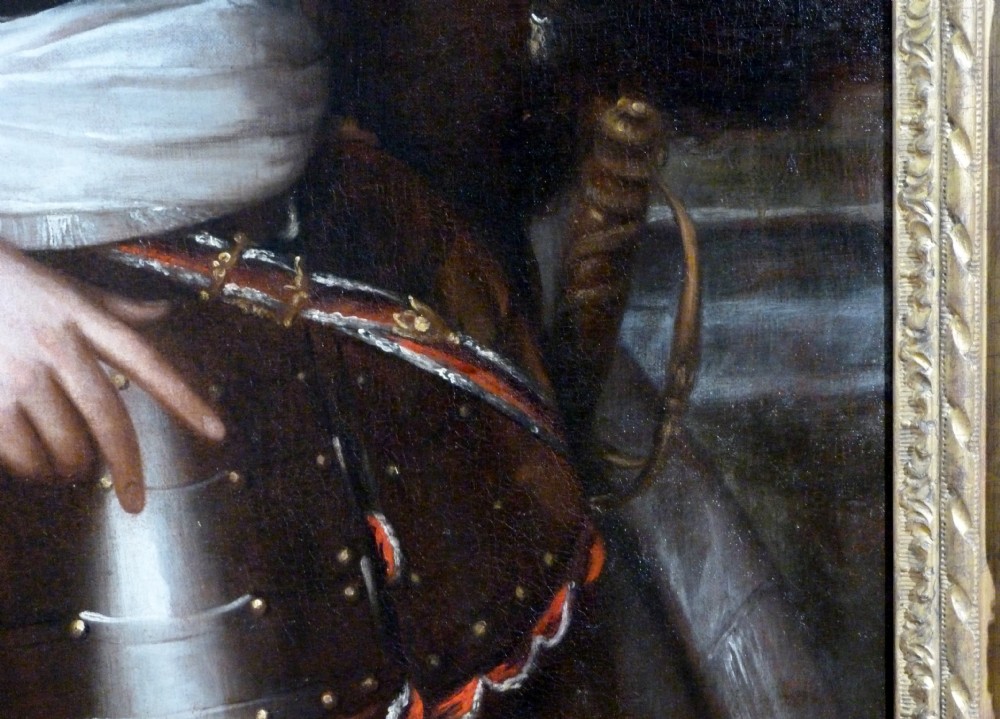
Archive V Portrait of James FitzJames, Duke of Berwick c.1690: Studio of John Michael Wright. View V
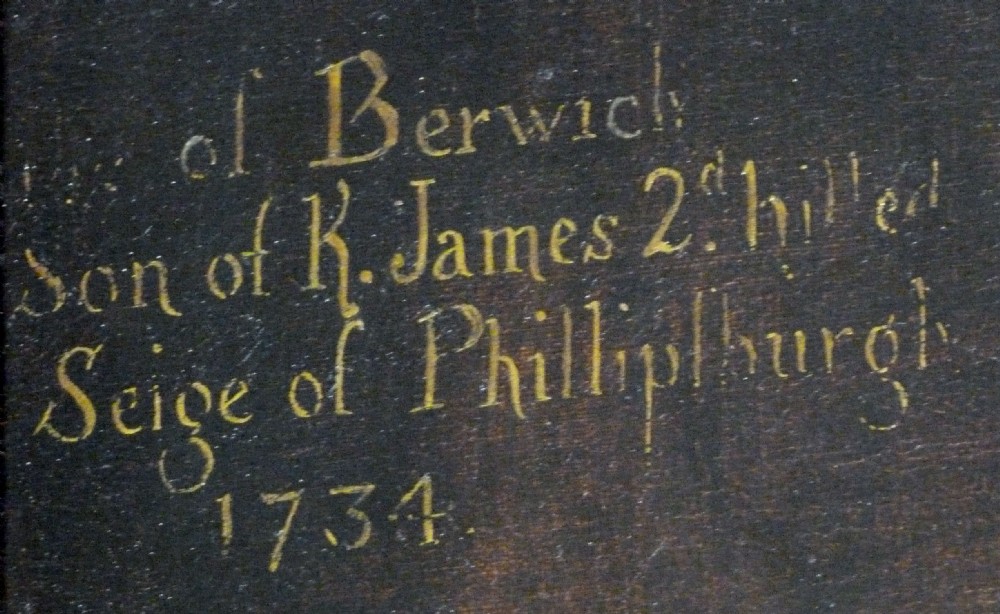
Archive VI Portrait of James FitzJames, Duke of Berwick c.1690: Studio of John Michael Wright. View VI
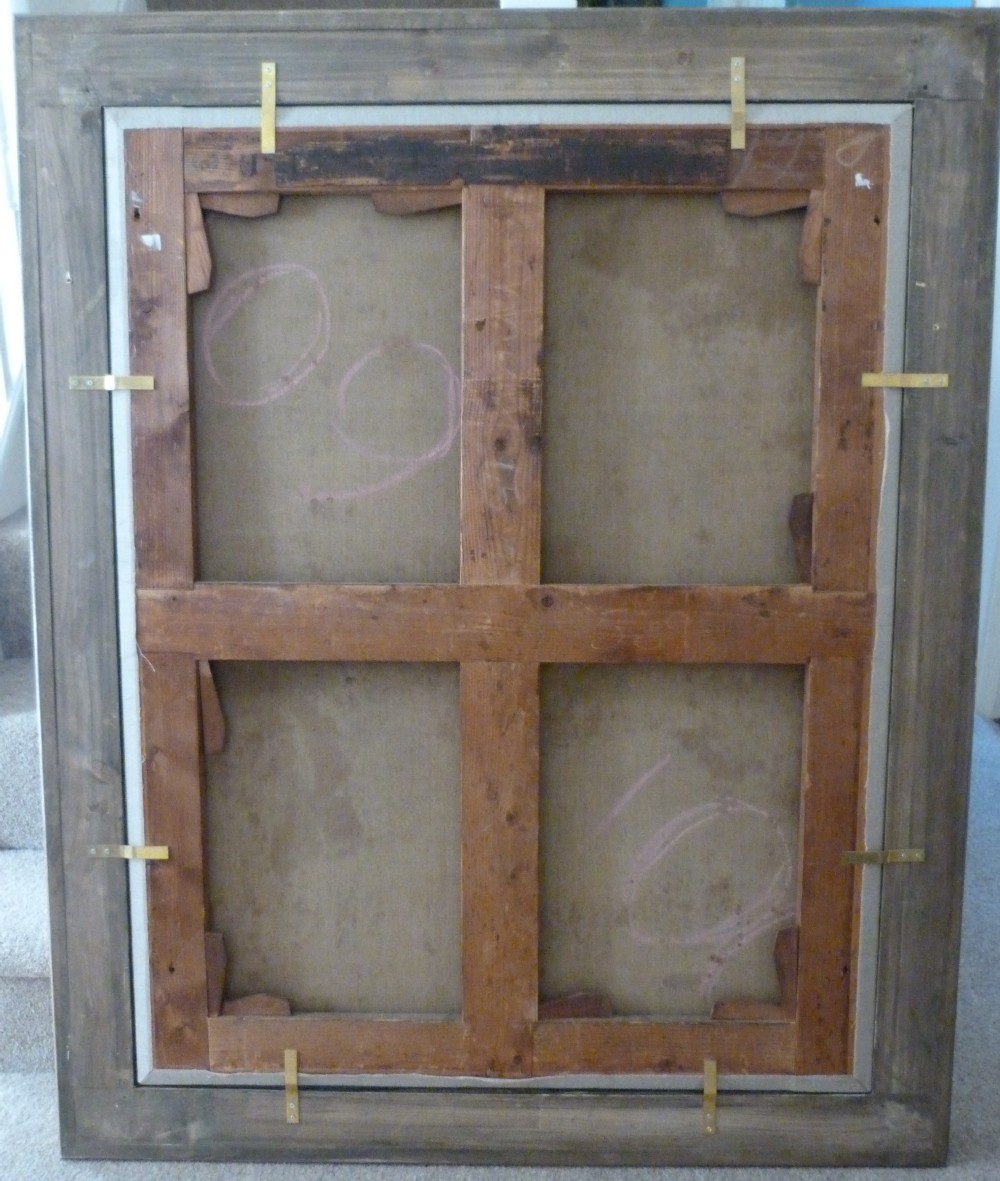
Archive VII Portrait of James FitzJames, Duke of Berwick c.1690: Studio of John Michael Wright. View VII
Archive VIII Portrait of James FitzJames, Duke of Berwick c.1690: Studio of John Michael Wright. View VIII
Enlarged Archival View
Location
Wiltshire
United Kingdom
Dealer Profile Page sellingantiques.co.uk/rp
Verified Since Mar 2003
Items For Sale 95
Items Sold 679
Roy Precious - Antiques & Fine Art
Verified Since Mar 2003
View Dealer Info
Location: Wiltshire, United Kingdom
Verified
Mar 2003
For Sale
95
Sold
679
Portrait of James FitzJames, Duke of Berwick c.1690: Studio of John Michael Wright.
Ref: SA307661
Portrait of James FitzJames, Duke of Berwick c.1690: Studio of John Michael Wright.
Detail View 1
Detail View 2
Detail View 3
Detail View 4
Detail View 5
Detail View 6
Detail View 7
Archival Detail
Every single antique dealer on our platform is individually approved by our internal team. We verify their professional trade history, ethical standards, and photographic quality to ensure a secure, high-standard buying environment. Upon joining, every dealer agrees to a strict 9-point code of conduct. While issues can occasionally arise, our dealers typically resolve them swiftly and directly with the buyer. In fact, since our founding in 2002, Sellingantiques has only had to step in to help resolve an issue on roughly five occasions—a true testament to the quality of our dealers and their dedication to your happiness.
Our dealers are highly experienced in packing and shipping fragile, high-value antiques. Because you are in direct contact with the dealer, you will be able to easily go through all available shipping and insurance options together to ensure your item arrives safely.
Antiques are the ultimate green purchase. By choosing historical pieces over newly manufactured goods, you completely eliminate the carbon footprint of modern mass production while preserving exceptional, timeless craftsmanship.
items
Add keywords to the filter
Price
£100
£250000
Era
Movements
Material
Origin
Stock Location
Freshness
Online Payments
Categories