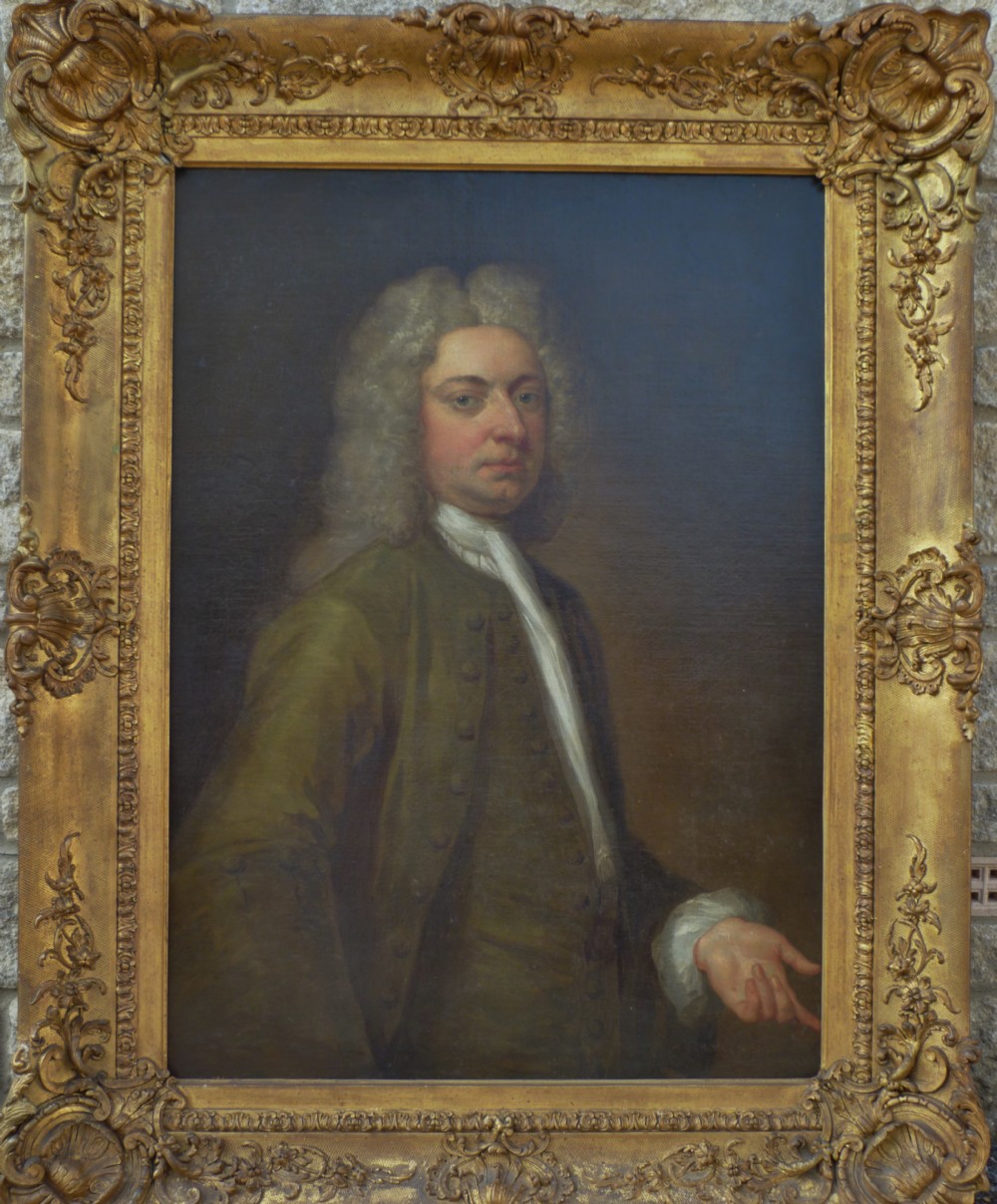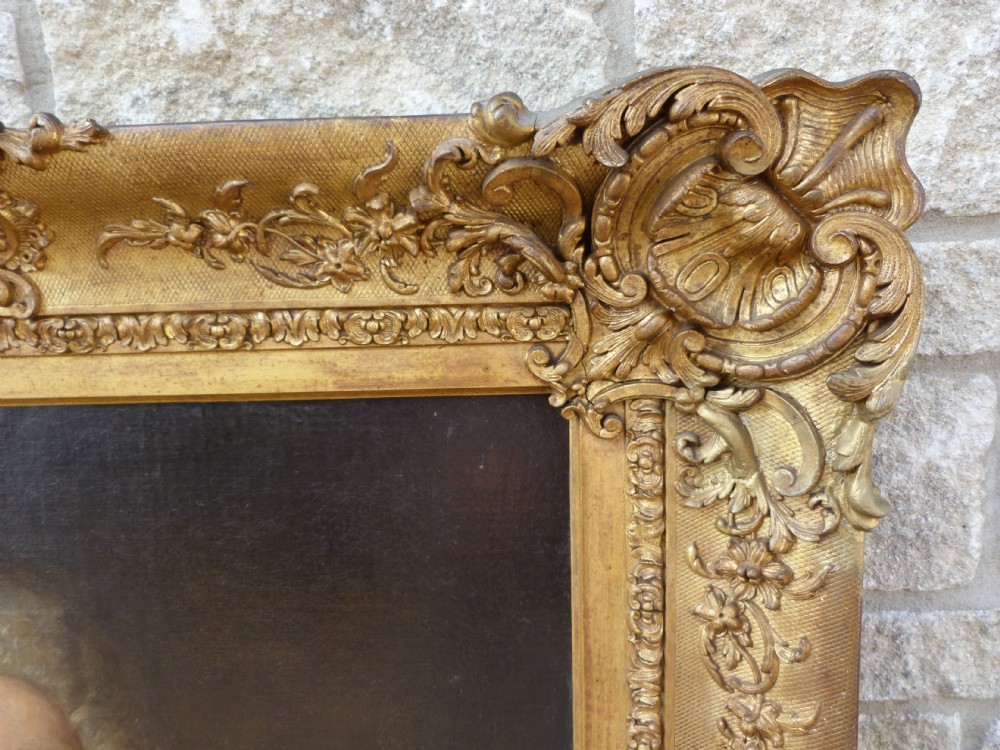
Roy Precious - Antiques & Fine Art has dated this piece to the 1700s.
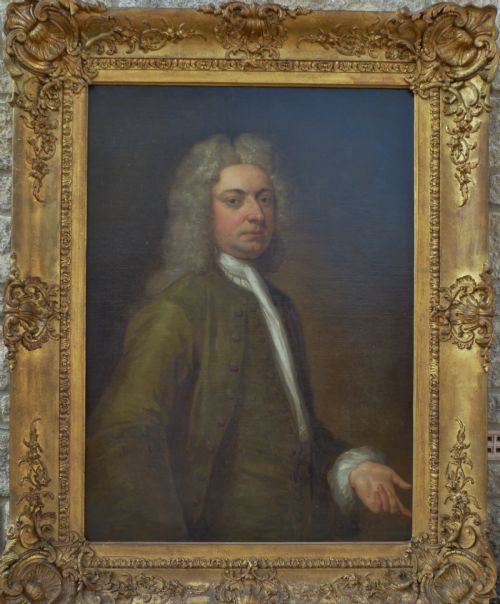
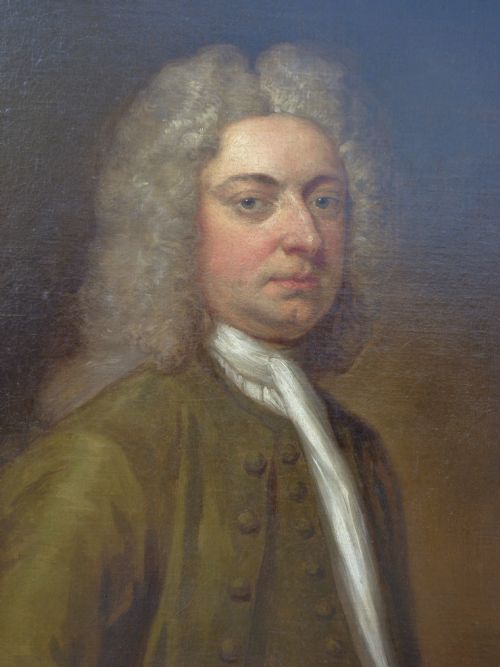
Vanderbank fecit 1730'
JOHN VANDERBANK (1694-1739) was born in London into an artistic family at the close of the seventeenth century. The son of John Vanderbank Senior, the well known royal tapestry weaver, Vanderbank studied painting first with his father and the portrait painter Jonathan Richardson.
He was one of Godfrey Kneller's earliest pupils at the Academy of Painting from 1711, and in 1720, when Kneller’s academy began to decline, started his own Academy of painting in St. Martin's Lane.
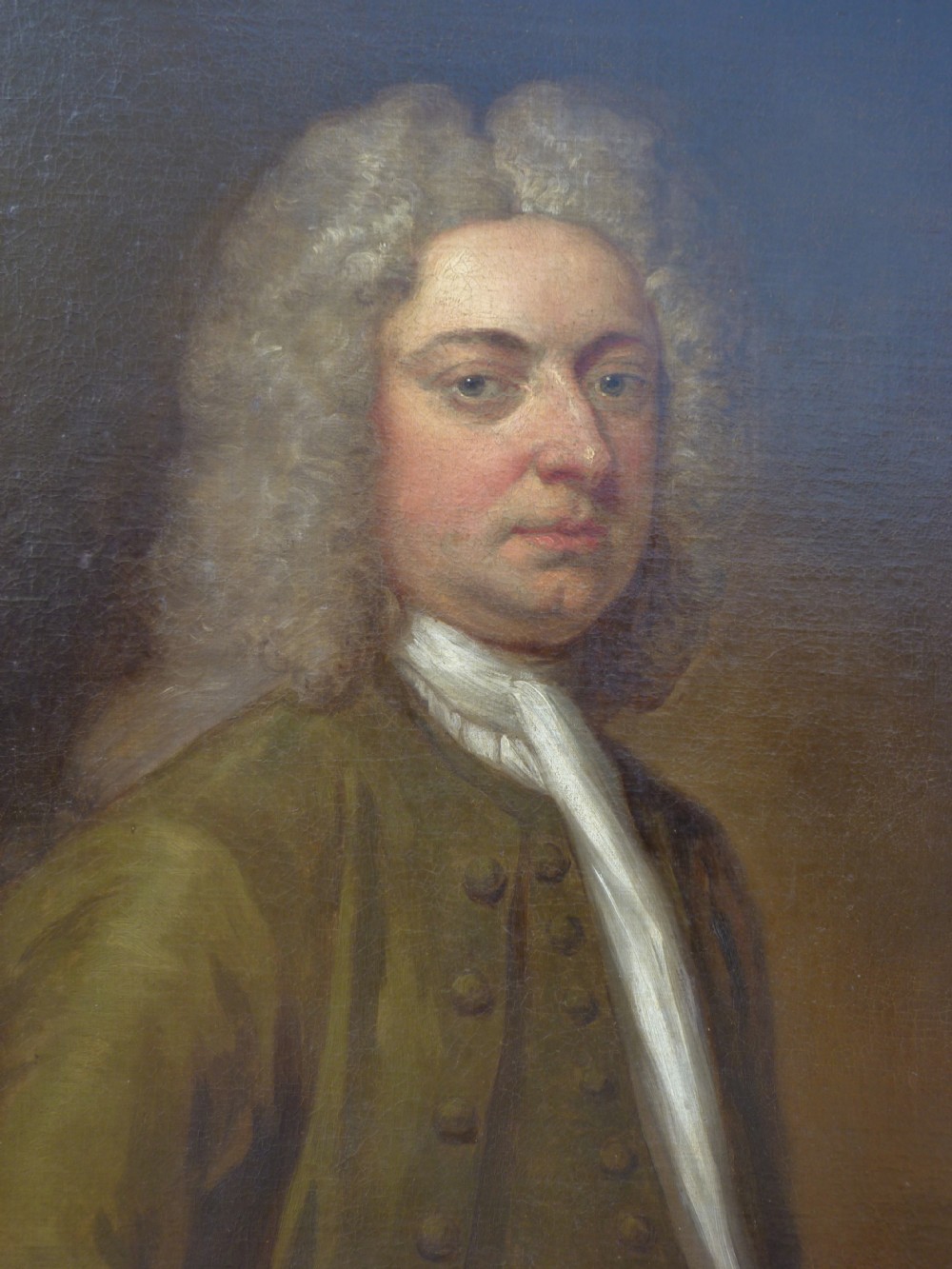
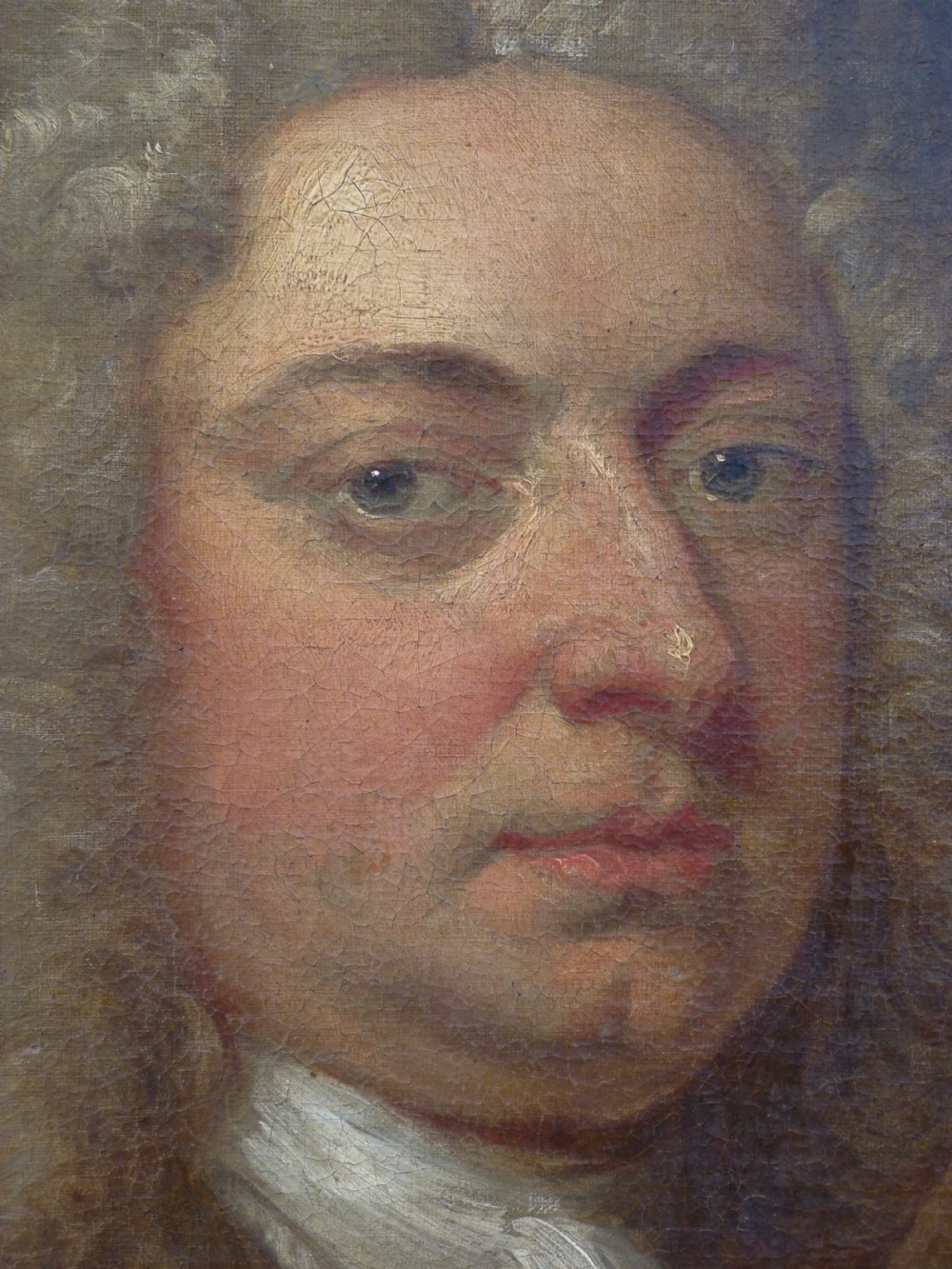
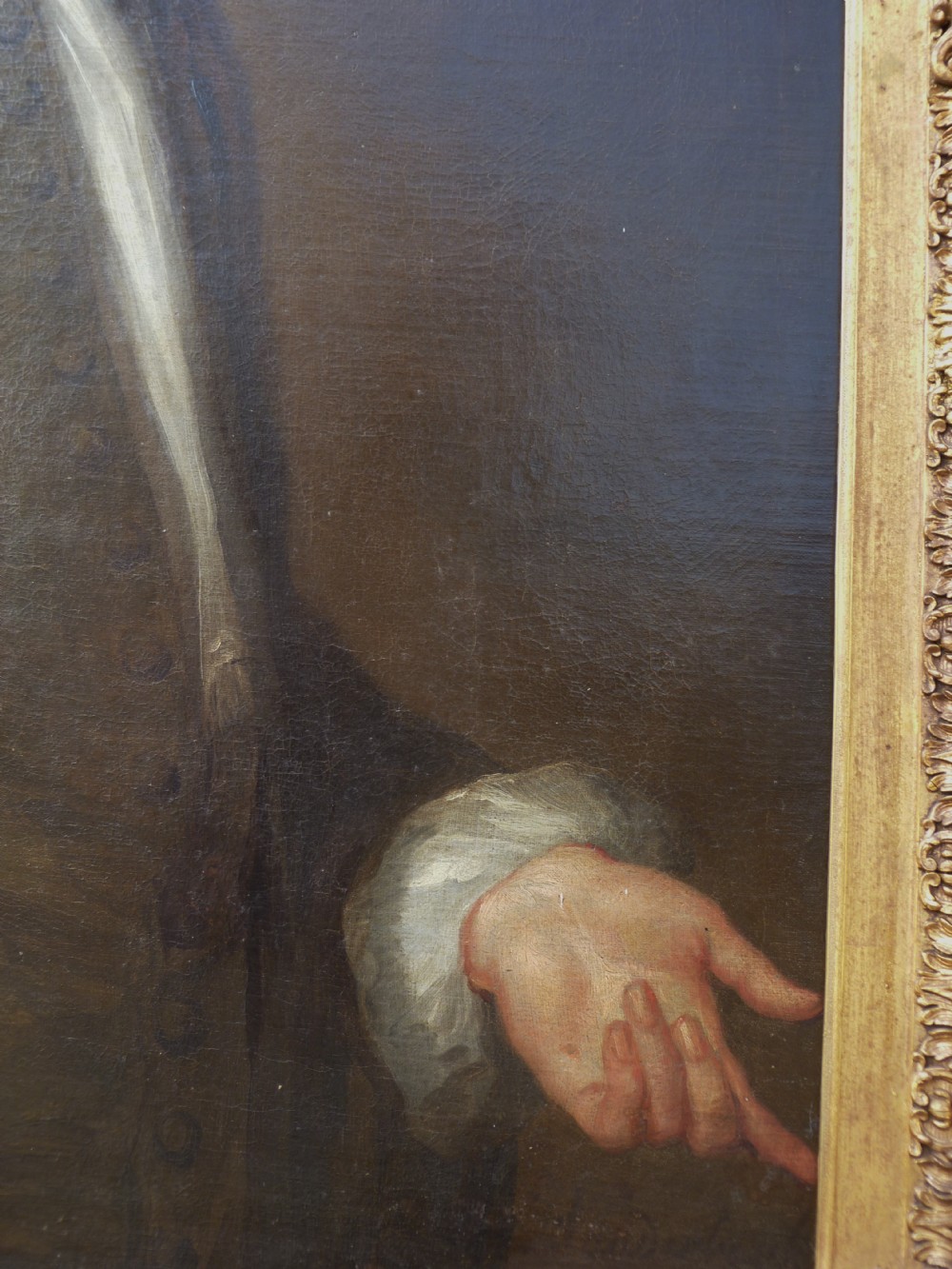
Vanderbank himself was a very able draughtsman, who, in his prime, found his works favoured over those of Hogarth. His painting style followed on from the vigour and grand style of Kneller. His work, however, is characterised by a more vital and nervous drawing than many of his contemporaries, and by a bold pigmentation, particularly in the flesh, where pink tones are painted thinly over the cooler greys of the ground layer to suggest glowing skin – the technique of 'colori cangianti', derived via Rubens from the artists of the seicento. Equally distinctive in Vanderbank’s work is the placing of pure red pigments for the highlights.
It was noted by George Vertue that "only intemperance prevented Vanderbank from being the greatest portraitist of his generation." He died of tuberculosis in Holies Street, Cavendish Square, London, on 23 Dec. 1739, aged about 45, and was buried in Marylebone church.
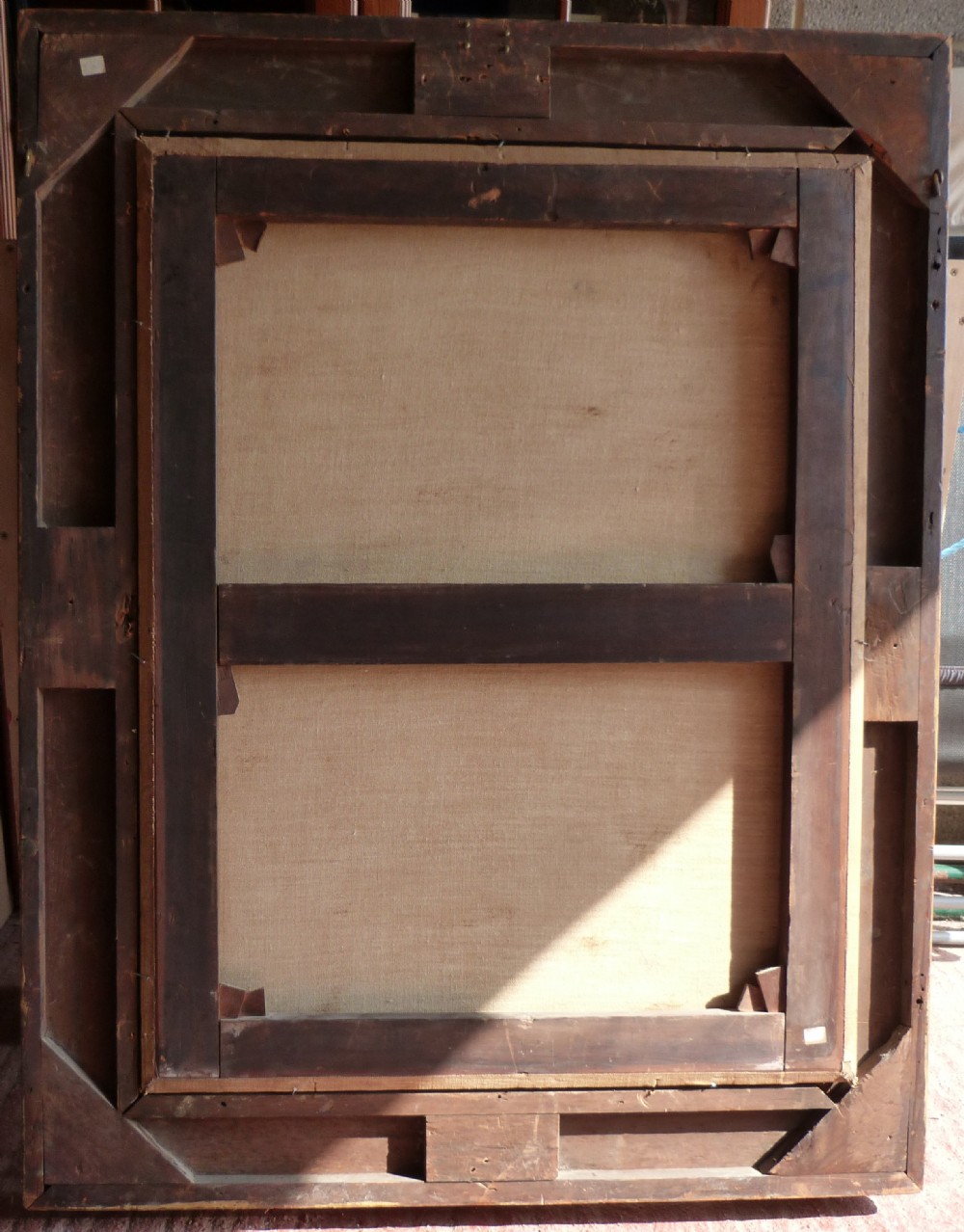
SIZE: 46.5 x 37 inches framed.
canvas 35 x 25.5 inches.
PROVENANCE: Kent Private Collection for many years.
Roy Precious - Antiques & Fine Art has dated this piece to the 1700s.
Roy and nadine precious: specialists in portraiture from the 16th to the 20th century. Established in 1972.
You can view the stock and full dealer information on the Roy Precious - Antiques & Fine Art Profile Page
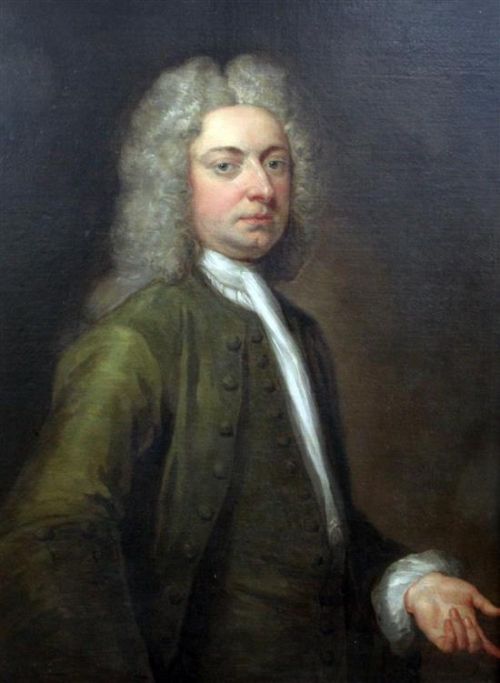
Portrait of a Gentleman 1730, by John Vanderbank.