Titan Fine Art has dated these 18th Century Oil Portraits to the 17th Century.
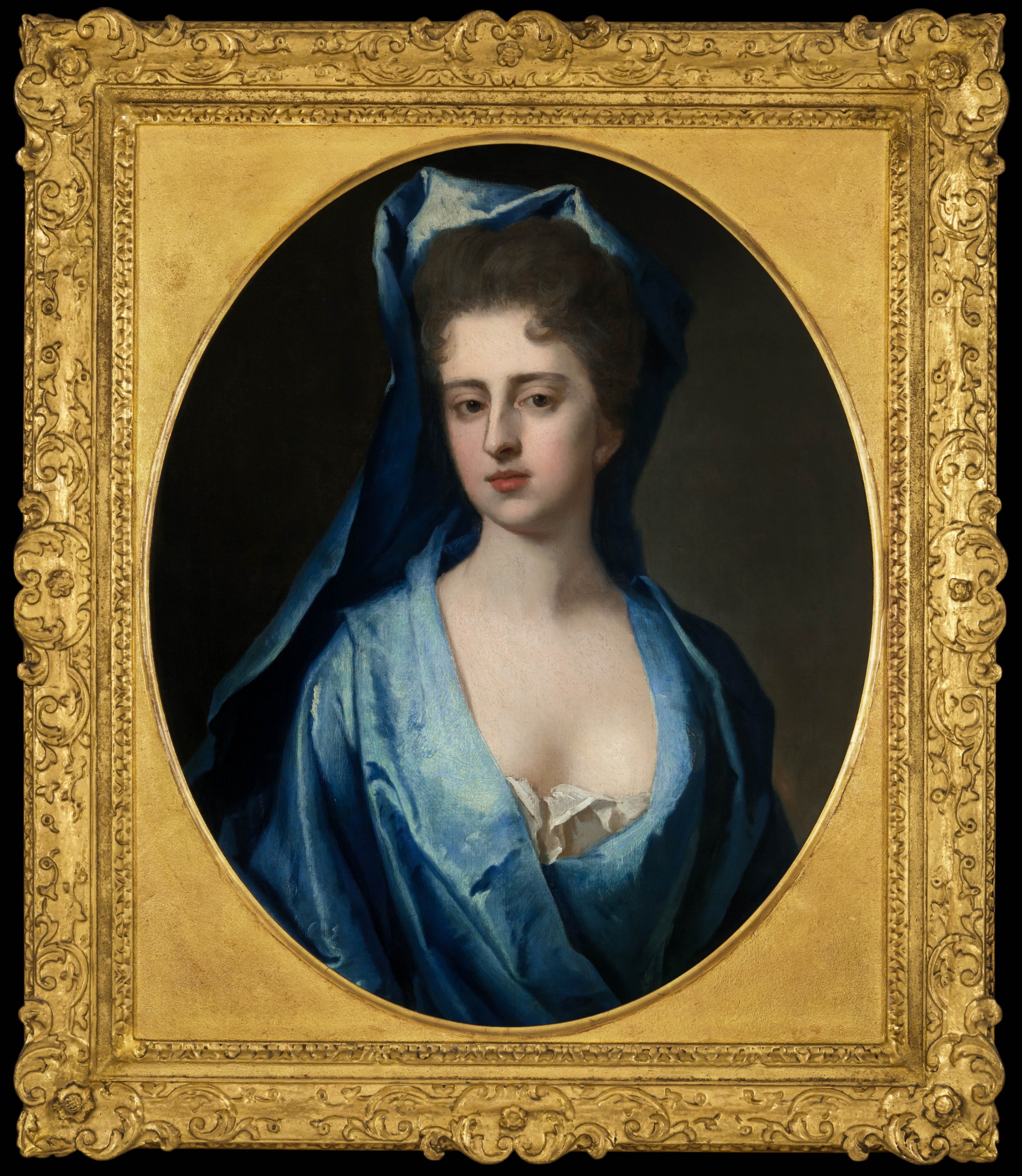
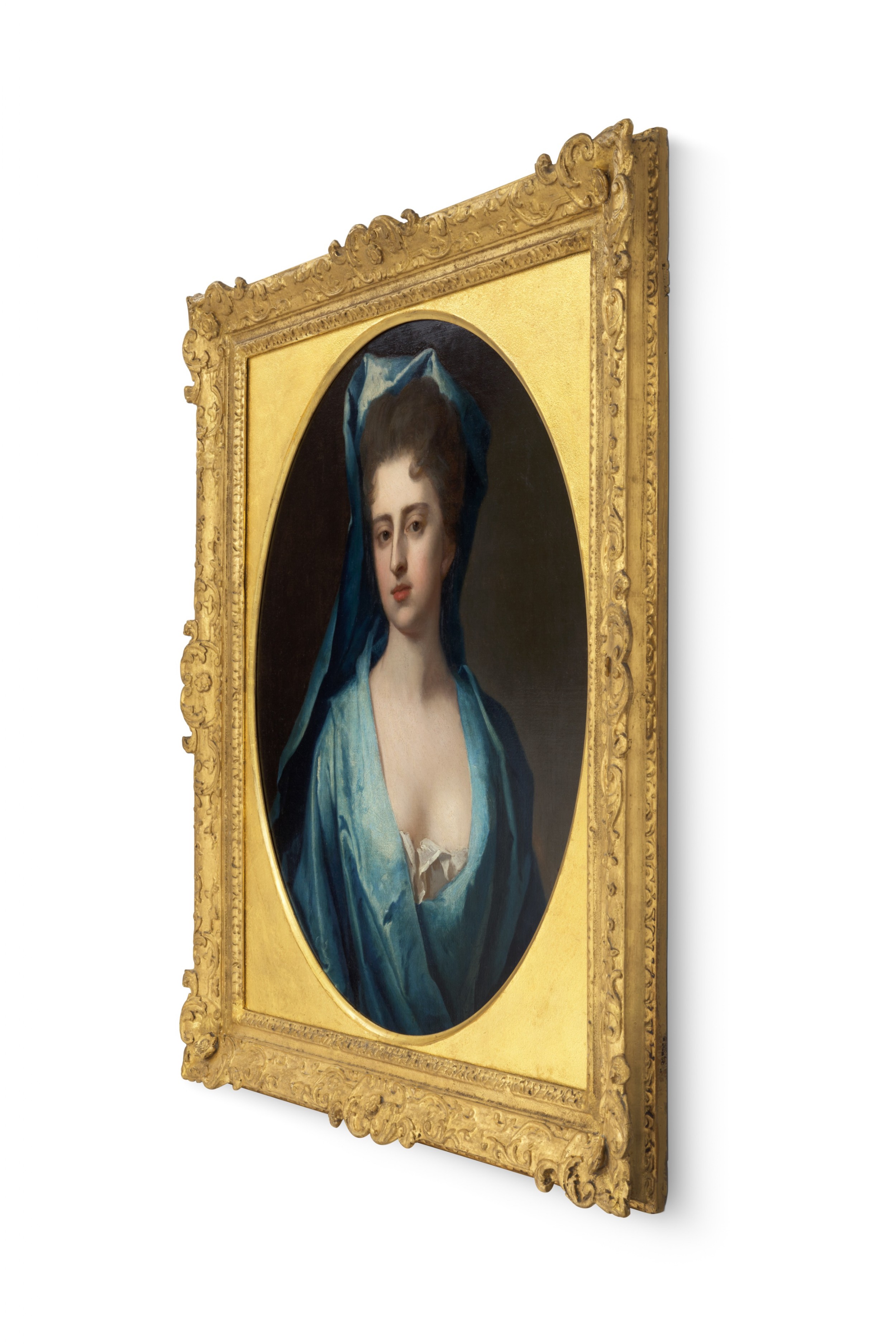
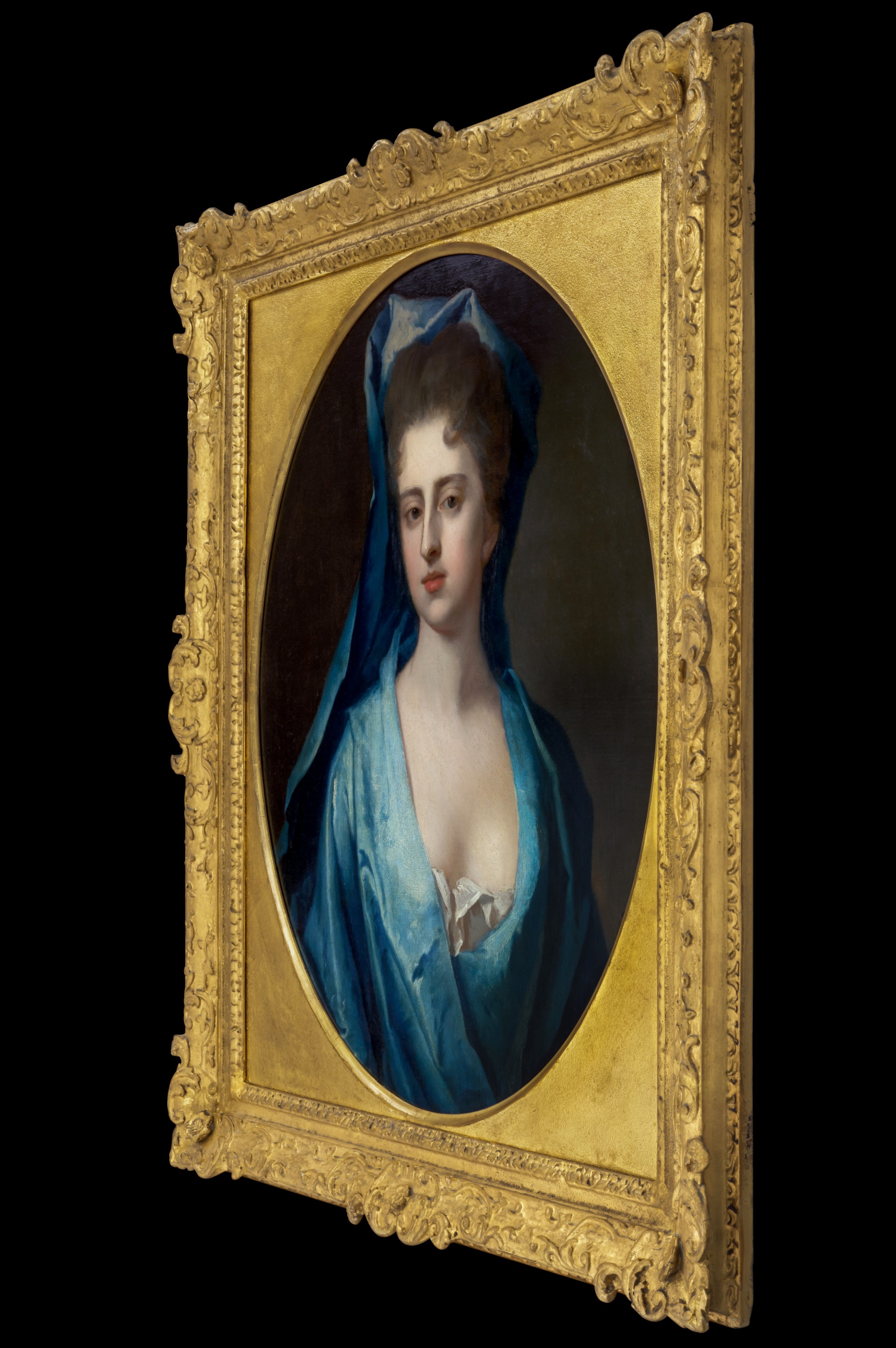
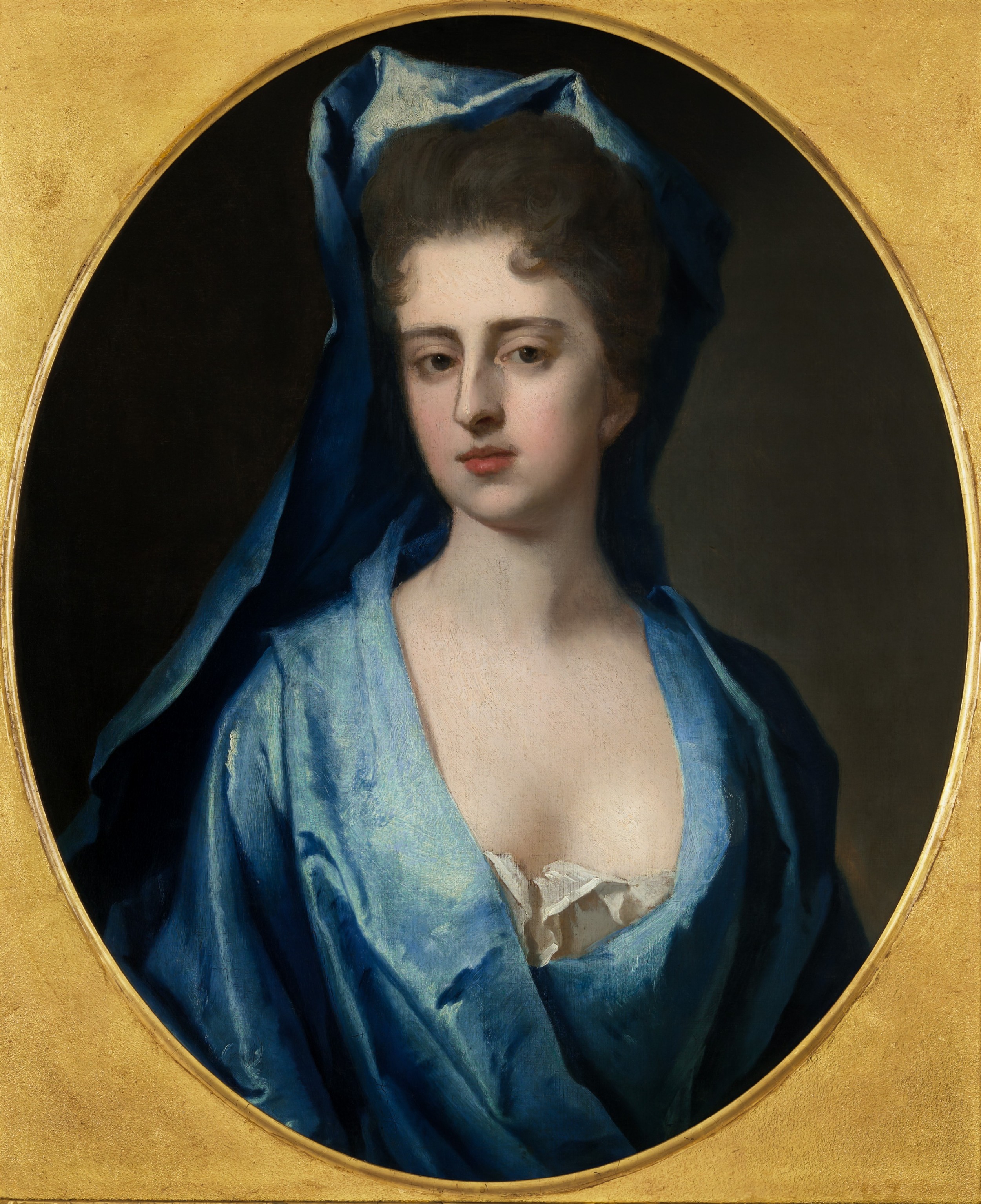
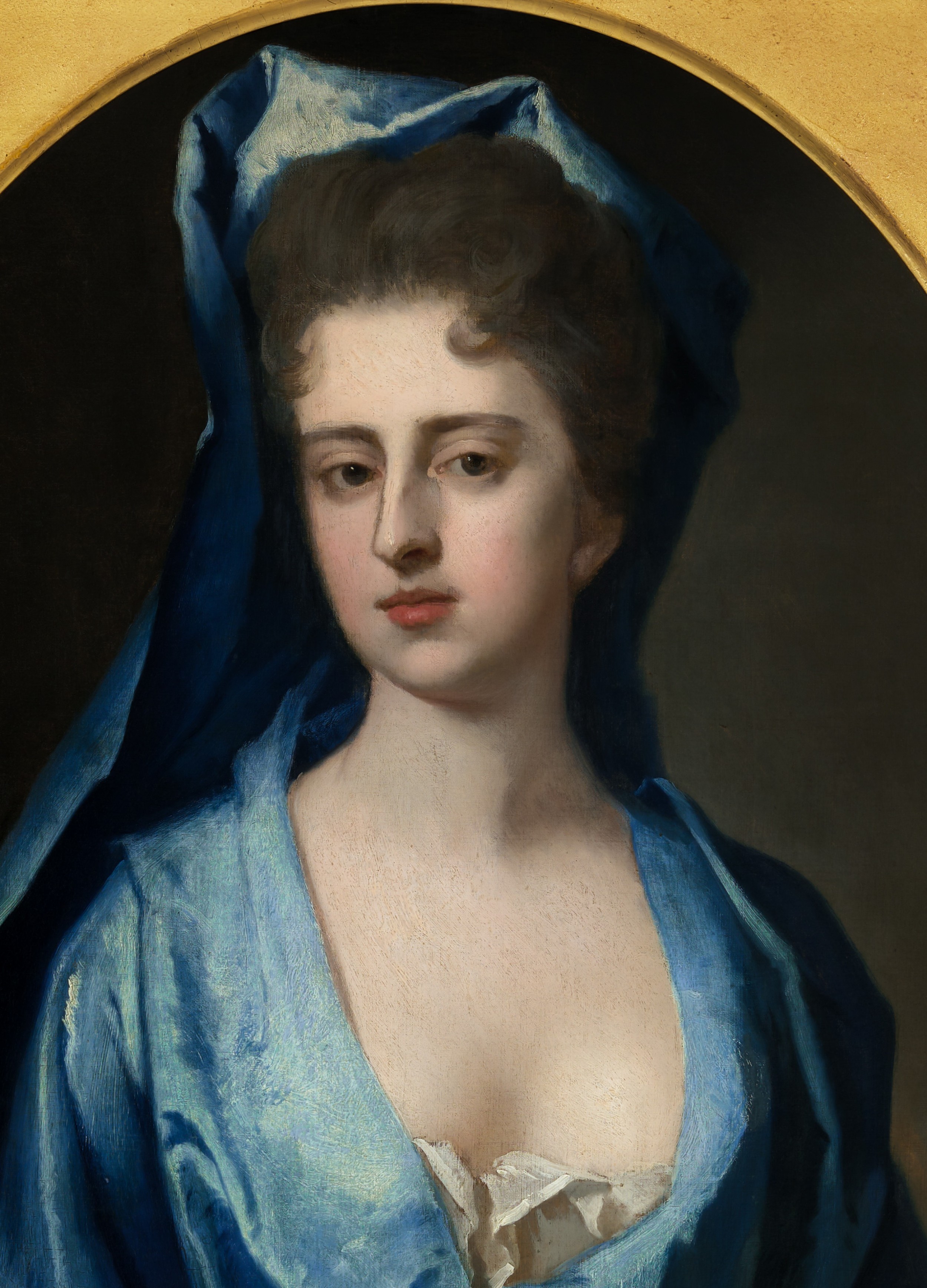
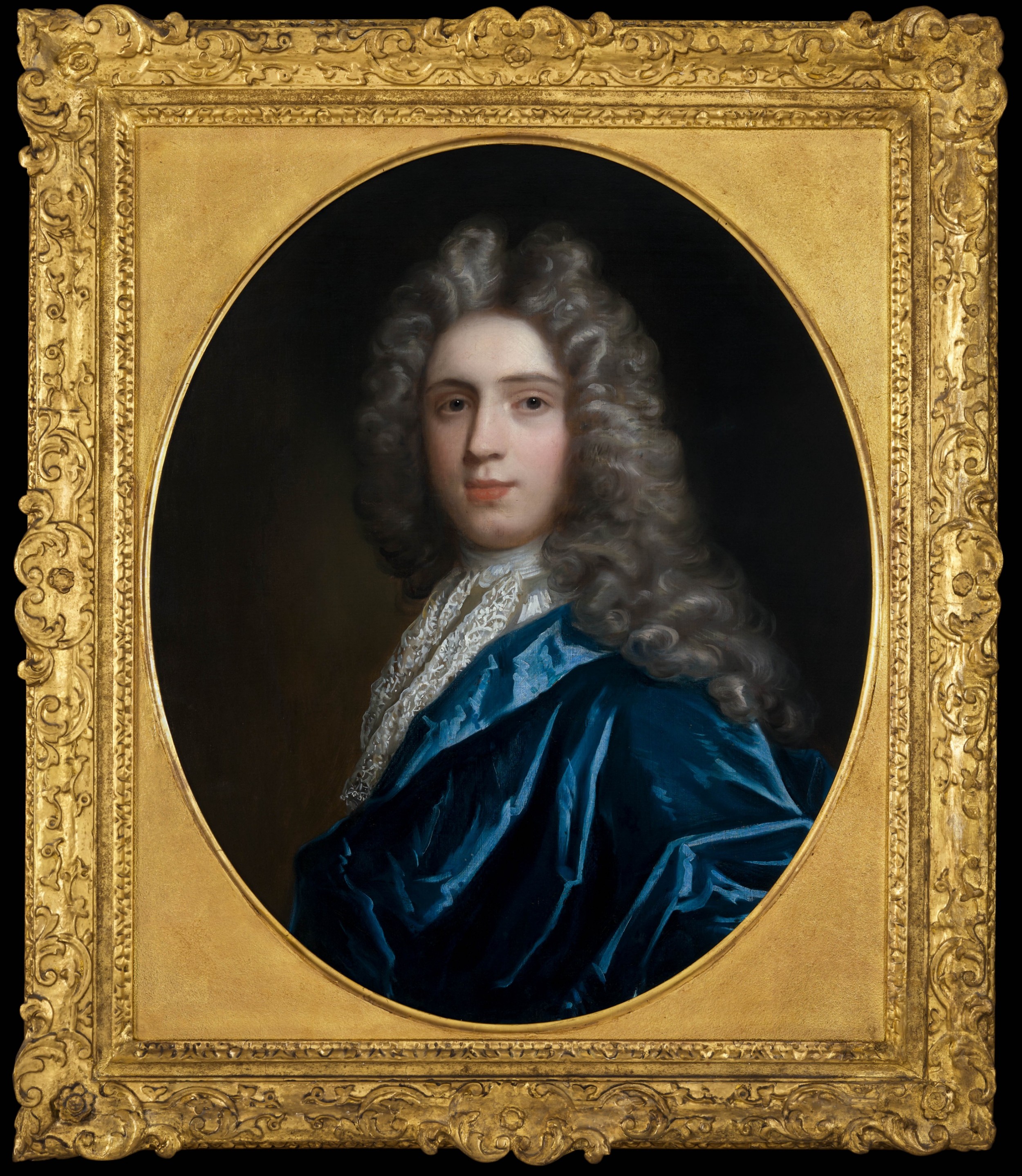
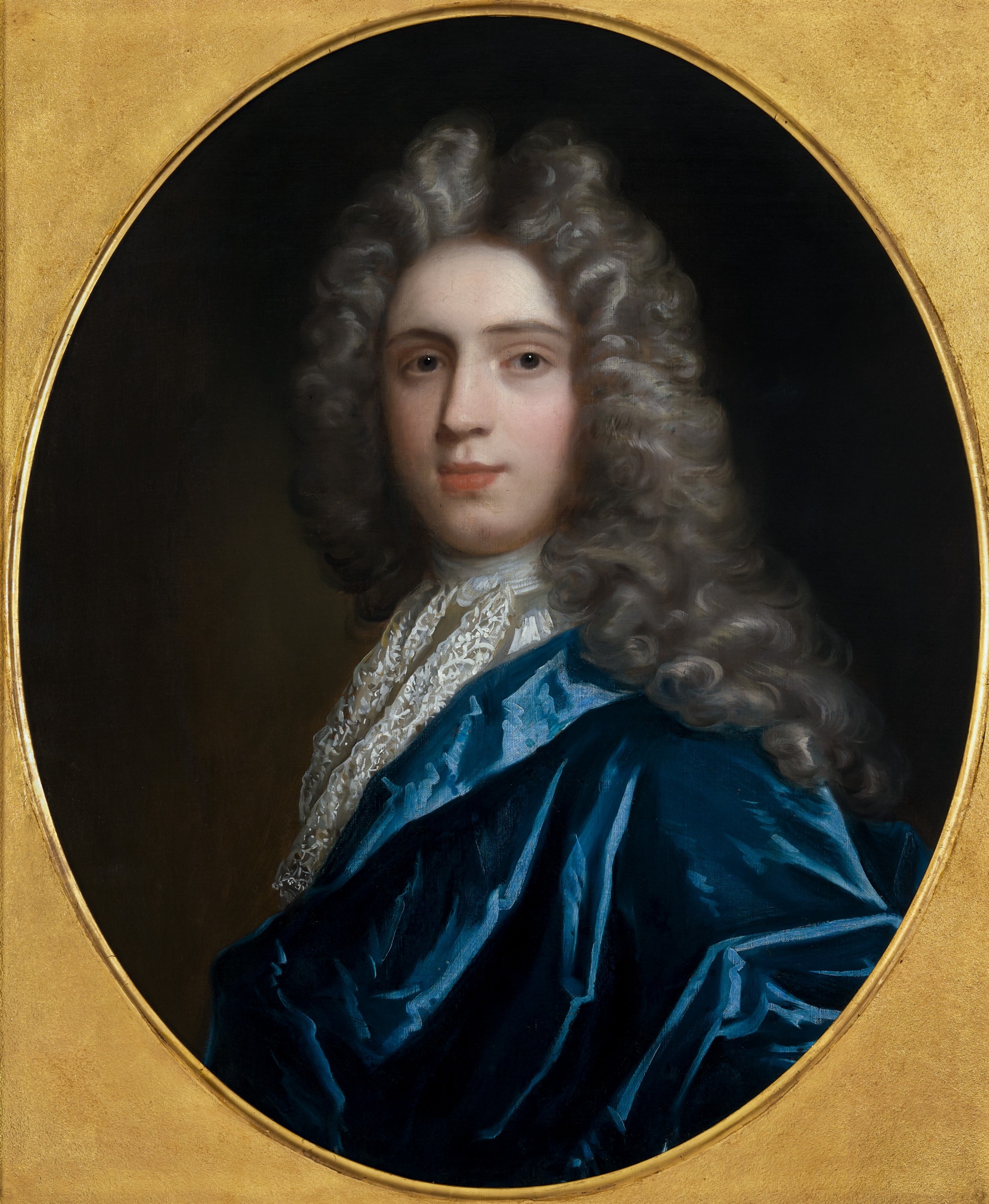
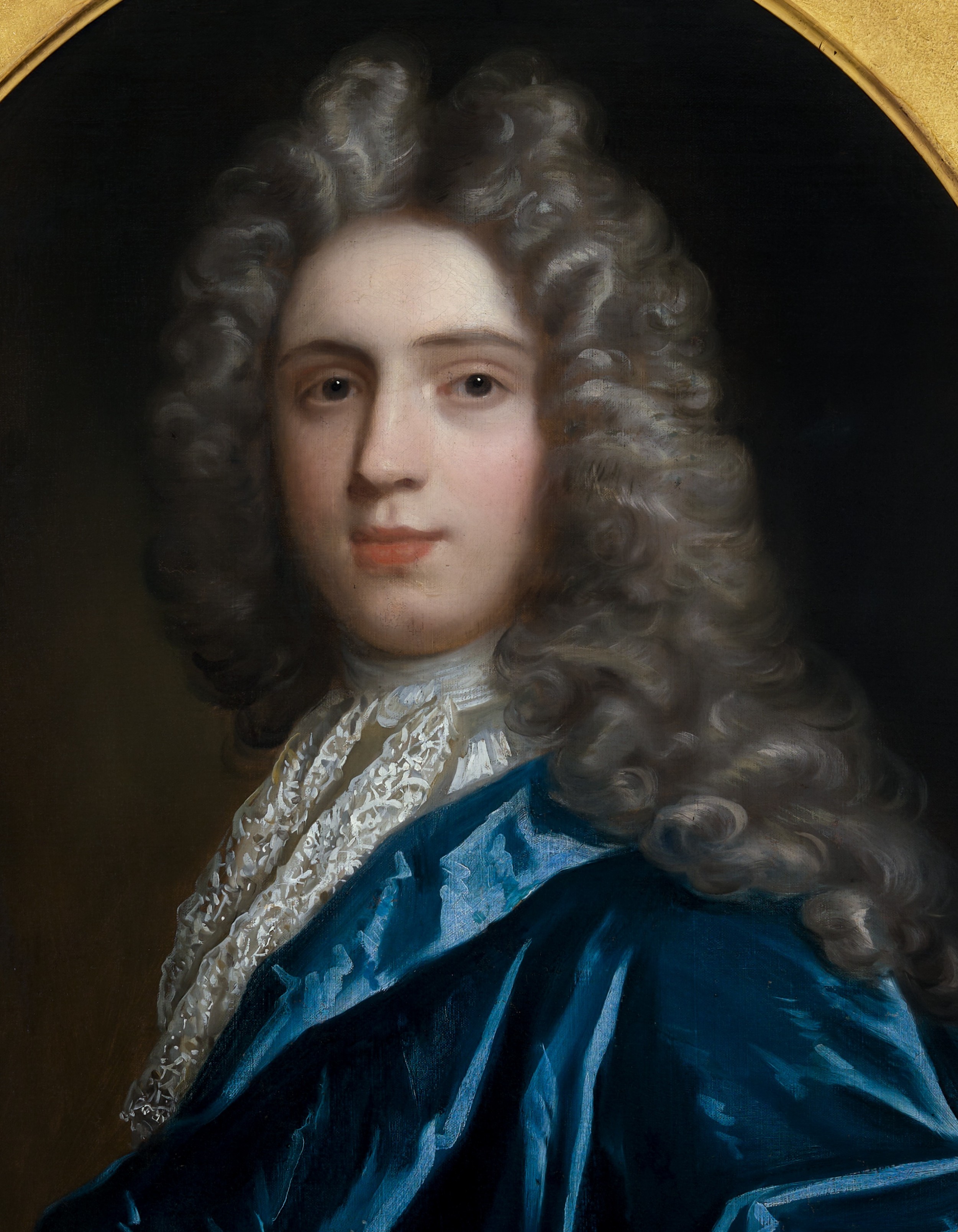
The gentleman appears in a long full-bottomed periwig, lace-edged cravat, and a blue mantle deployed as a pictorial language of rank rather than literal costume. The lady is shown in the fashionable aristocratic “undress” mode of the period, with a low bodice revealing the chemise beneath and enveloped in luminous blue silk. Far from informal, this idiom signalled cultivated ease and fluency in contemporary courtly taste. Together, the costumes place the sitters firmly within the sophisticated visual rhetoric of late-Stuart England.
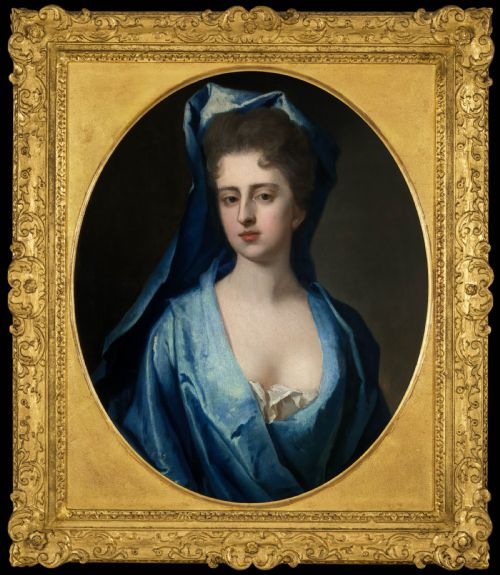
The sitters may be identified, with a high degree of plausibility, as Sir John Wentworth (1673–1720), 1st Baronet of North Elmsall, and his wife Mary, Lady Wentworth (c.1676–1706), eldest daughter of John Lowther, 1st Viscount Lonsdale. Their marriage in 1692 coincided with Sir John’s creation as a baronet, marking a moment of social advancement that was both politically charged and publicly visible. Mary’s early death in 1706 lends the portraits particular poignancy, capturing the couple at a brief moment when dynastic ambition and youthful confidence converged.
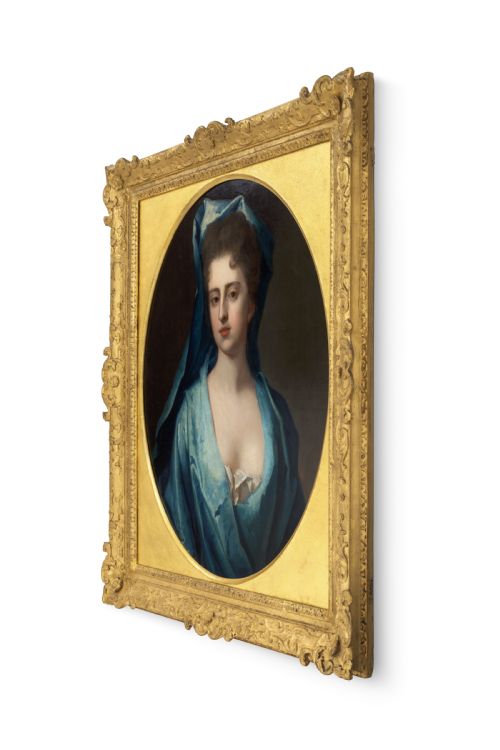
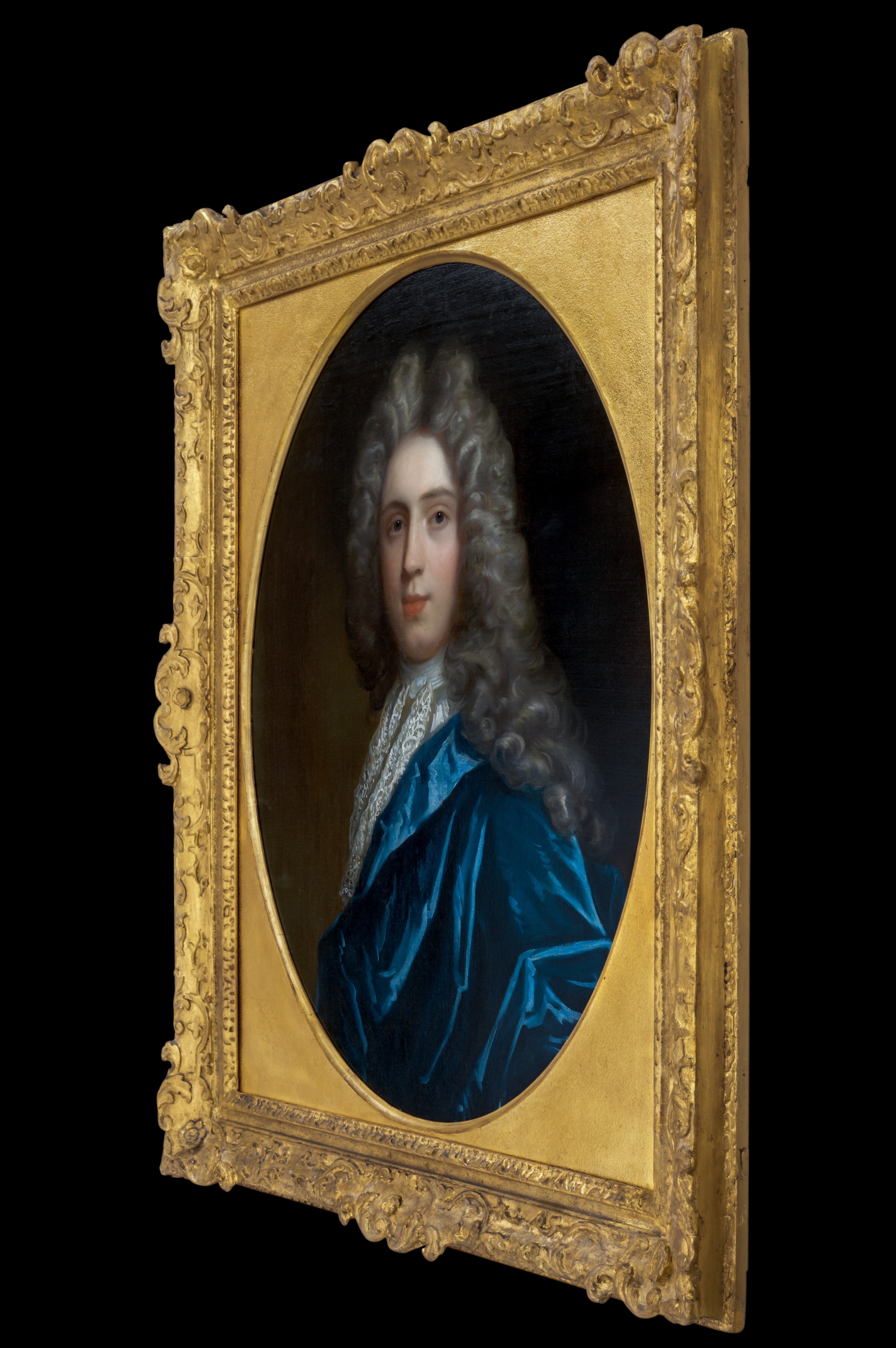
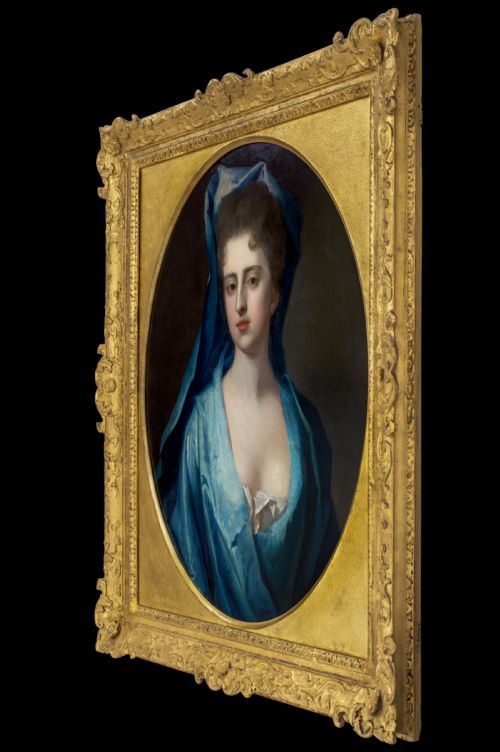
Although later catalogued under the name of Sir Godfrey Kneller, the pair is more precisely understood as the work of two leading contemporaries operating within the dominant Kneller idiom. The lady’s portrait is attributed to Michael Dahl, whose softly fused flesh tones, luminous eyes, and refined psychological distance are characteristic of his finest female portraits. The gentleman’s portrait is attributed to Thomas Murray, whose firmer modelling, controlled treatment of the periwig, and sober authority align with his established practice. That a pendant pair might be painted by different artists was entirely orthodox at this period, provided unity of scale, lighting, and visual rhetoric was maintained, as it is here. The matching carved and gilded period frames reinforce this unity.
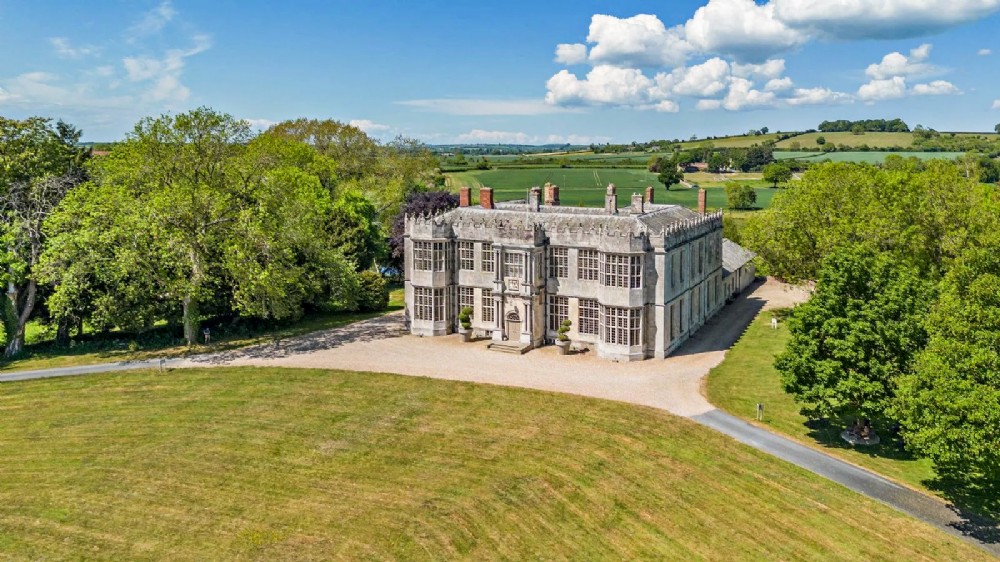
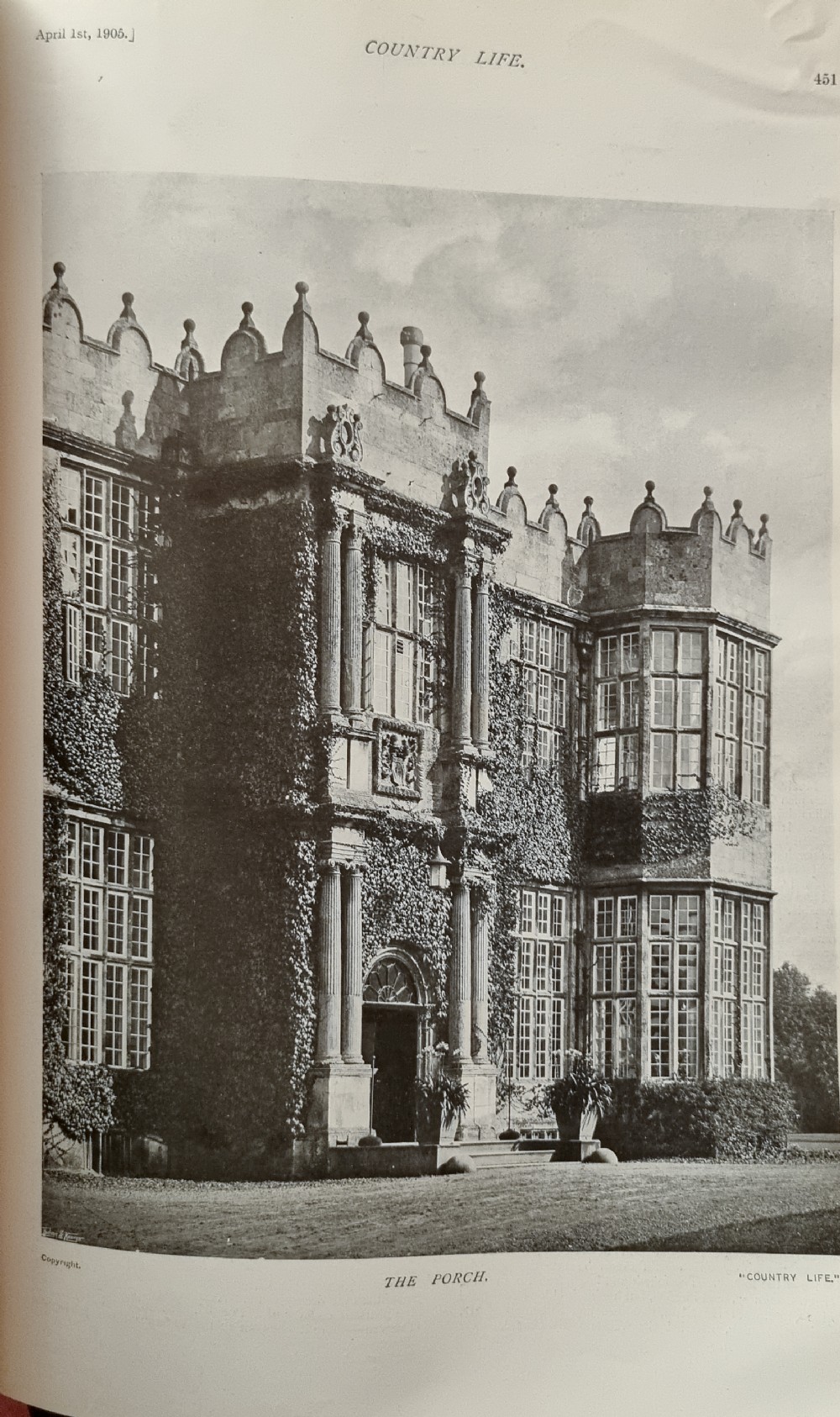
The provenance firmly anchors the portraits within a historic country-house context. Almost certainly commissioned for the Wentworth marriage, they plausibly descended through the family into the collection at Howsham Hall and later the Cholmley family. As a unified object, this pendant pair stands out for its scale, condition, plausible sitter identification, and intact country-house provenance, offering a rare survival of the social logic of late-Stuart portraiture—marriage, title, inheritance, and display—preserved in paint.
Full description at: www.titanfineart.com
Titan Fine Art has dated these 18th Century Oil Portraits to the 17th Century.
Specialist in 17th & 18thc portraits. Highly curated selection, museum-level research & pro conservation. Exceptional art, expertly vetted.
You can view the stock and full dealer information on the Titan Fine Art Profile Page
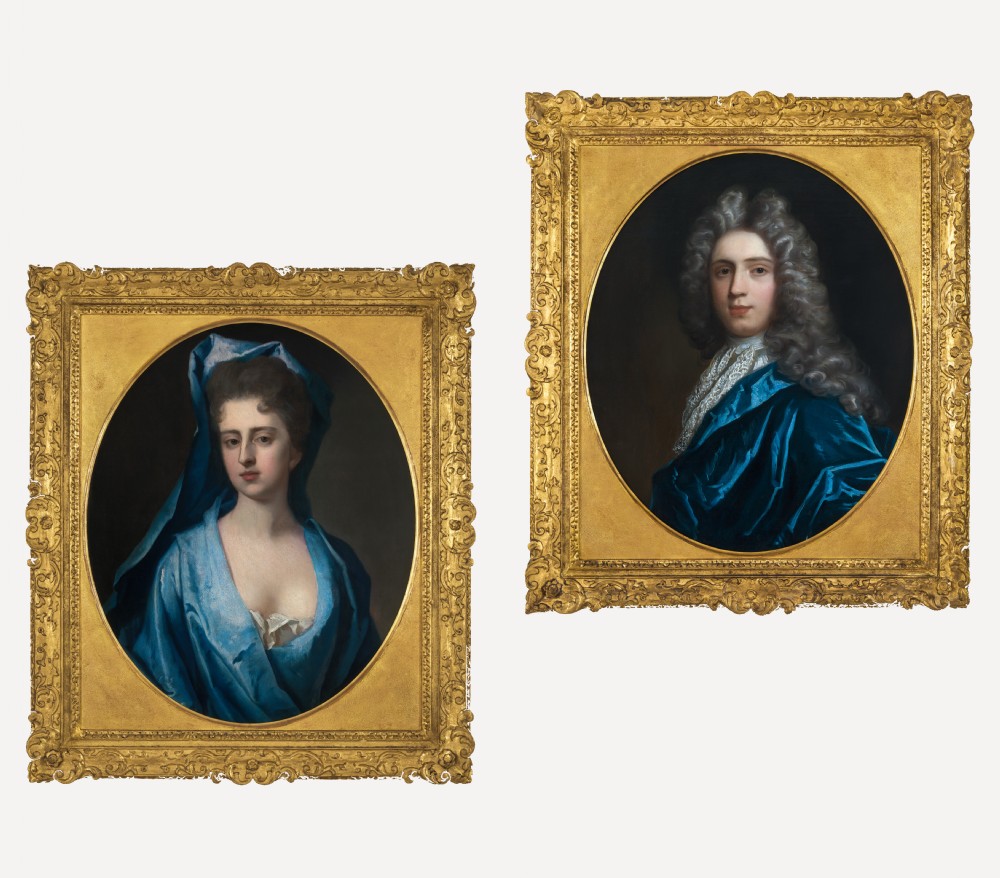
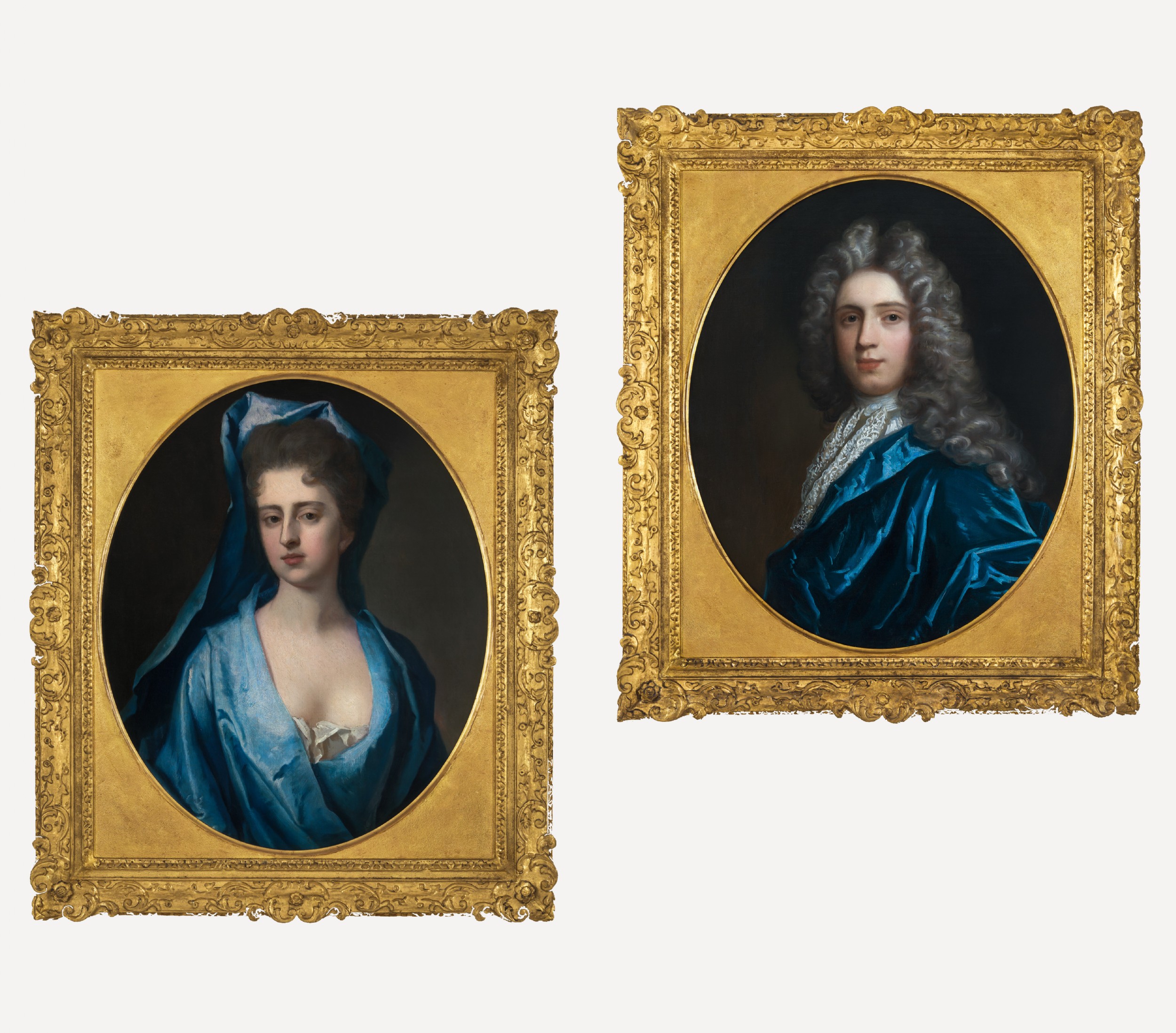
Portrait of Sir John Wentworth, 1st Baronet, and Mary, Lady Wentworth; Attributed to Michael Dahl (C.1659–1743) and Attributed to Thomas Murray (1663–1735), Oil on Canvas Painting