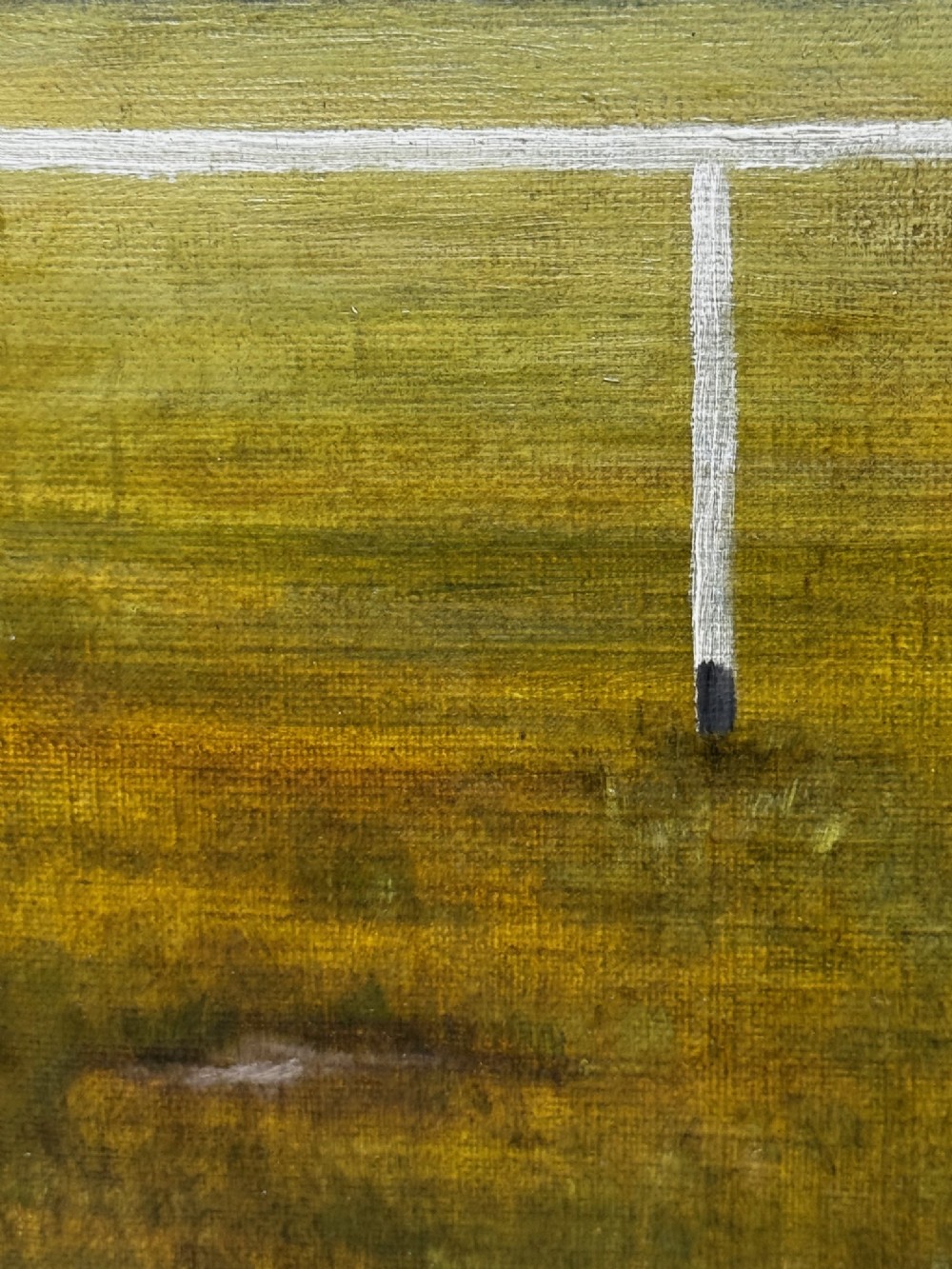
Cheshire Antiques Consultant Ltd has dated this Victorian Equestrian Oil Painting to the Victorian era.
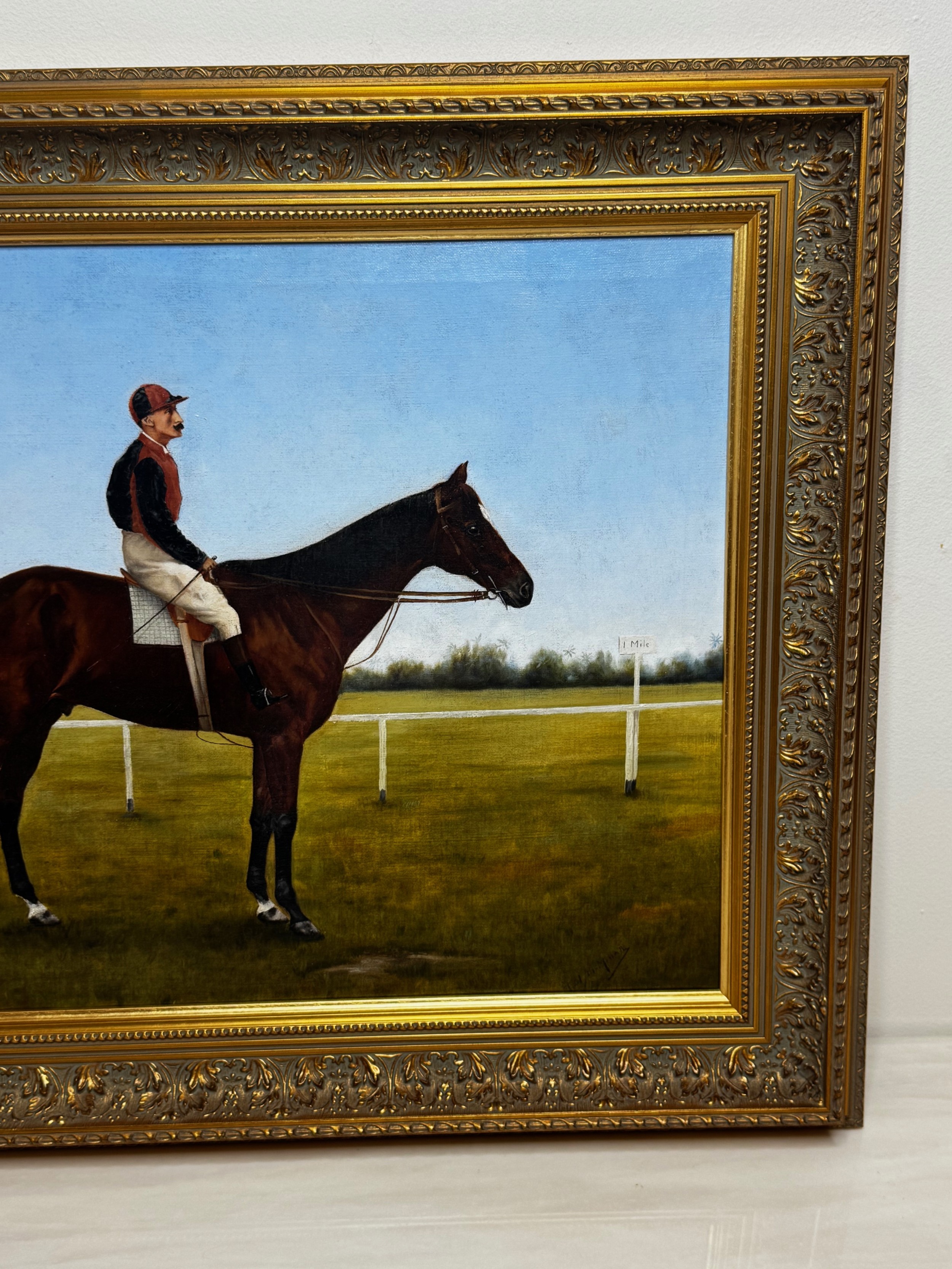
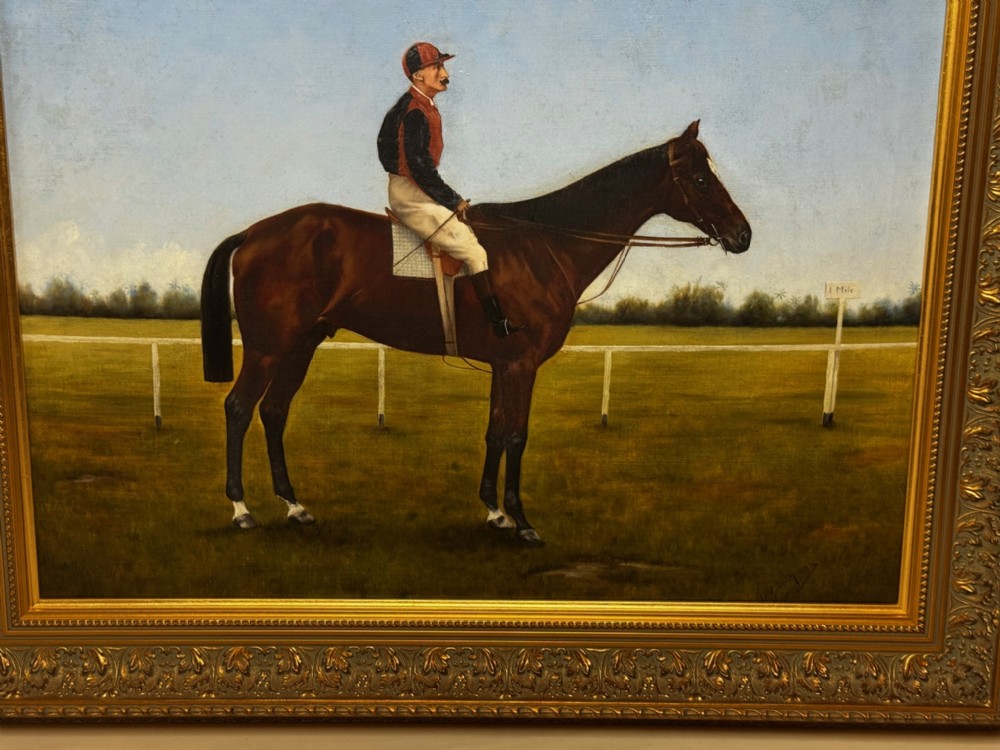
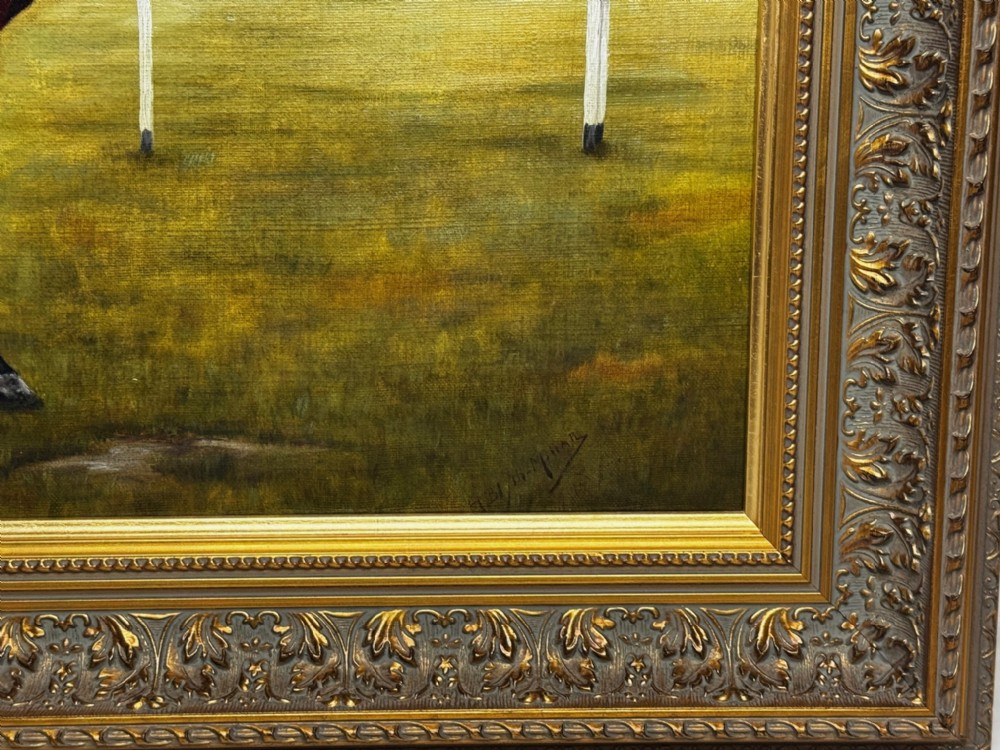
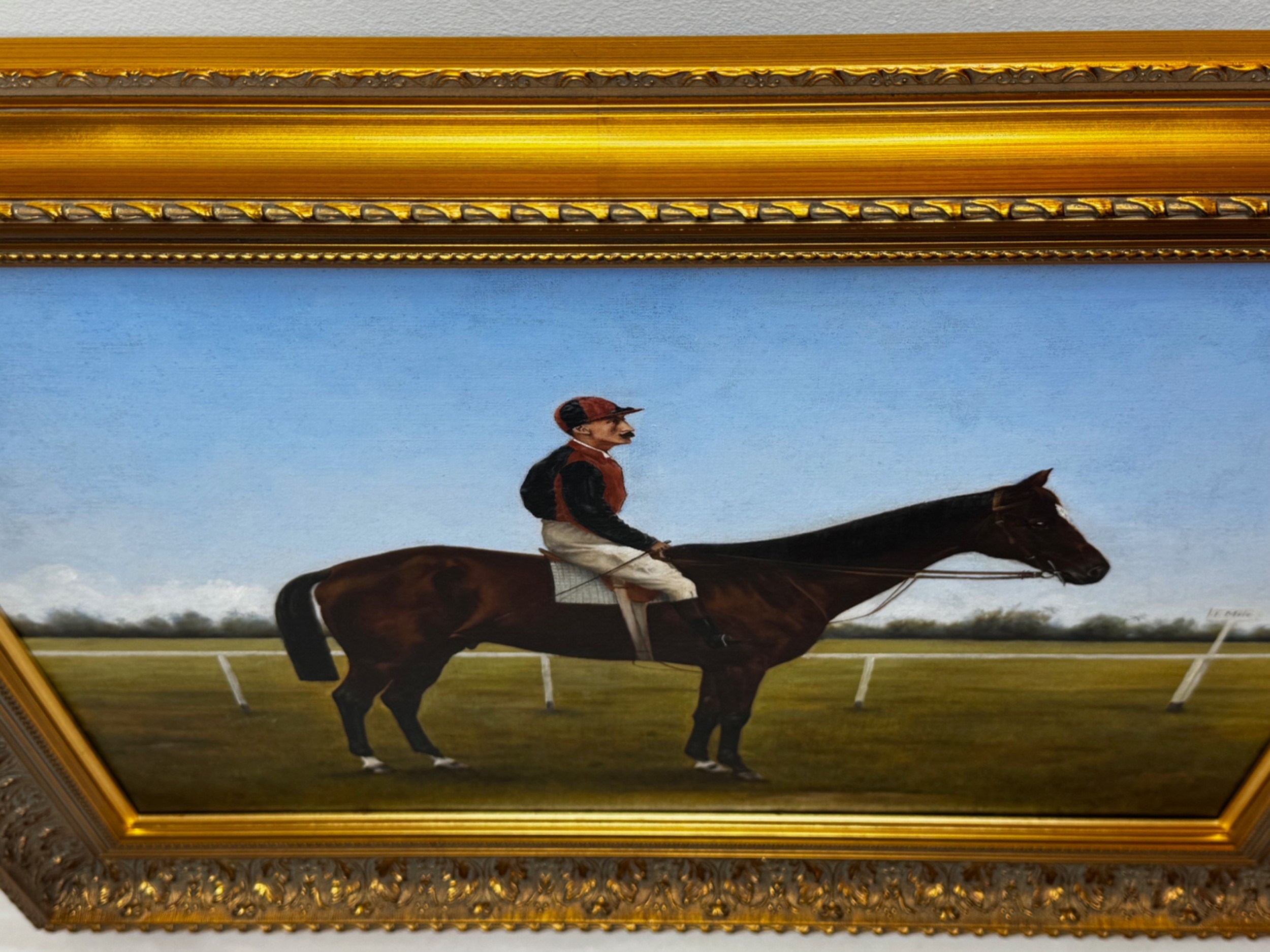
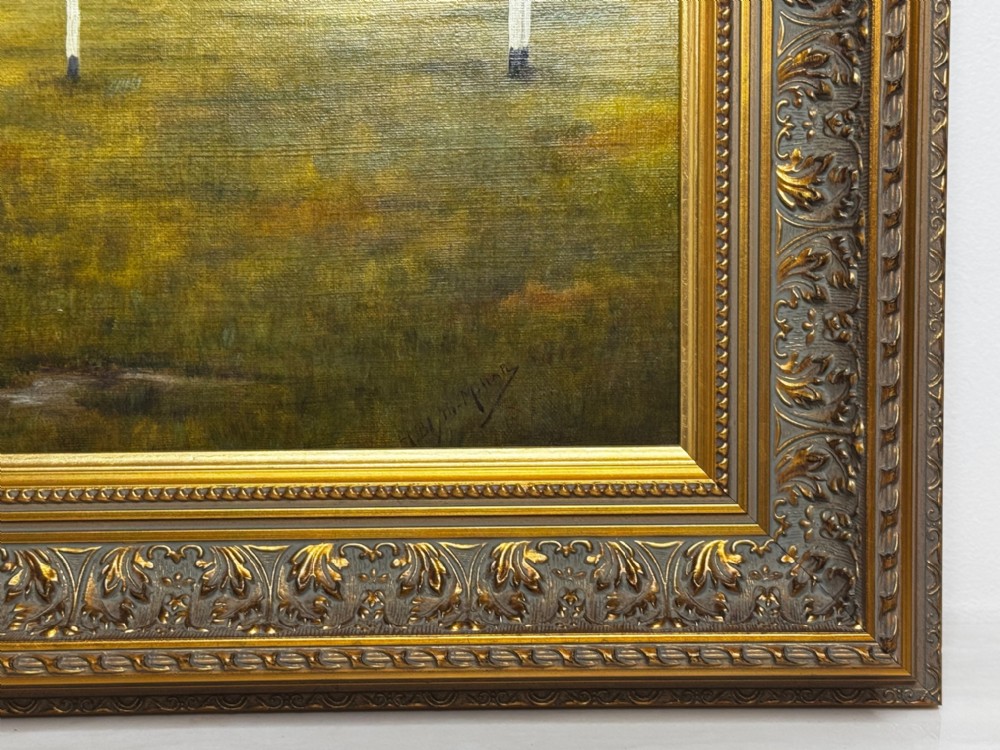
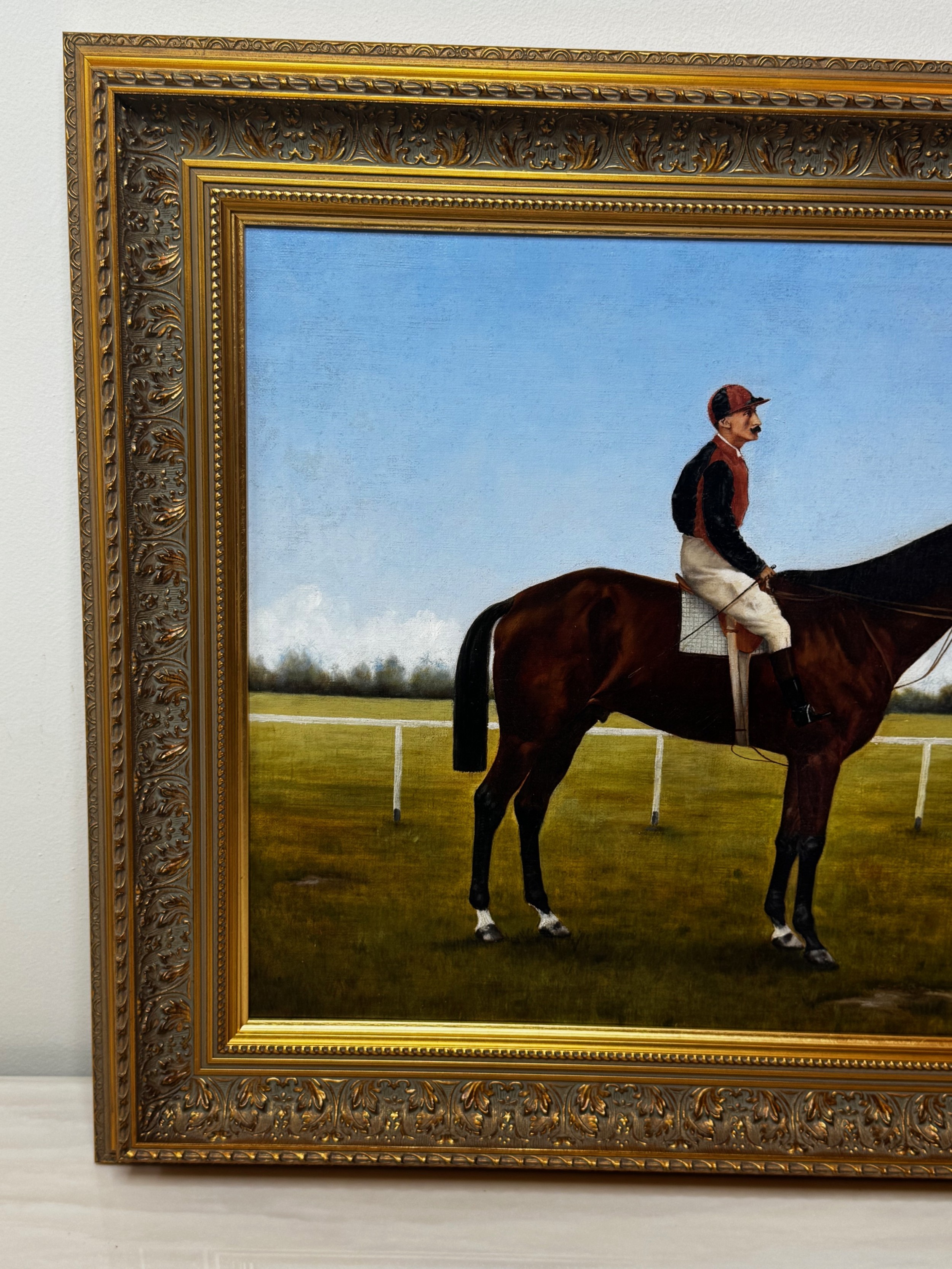
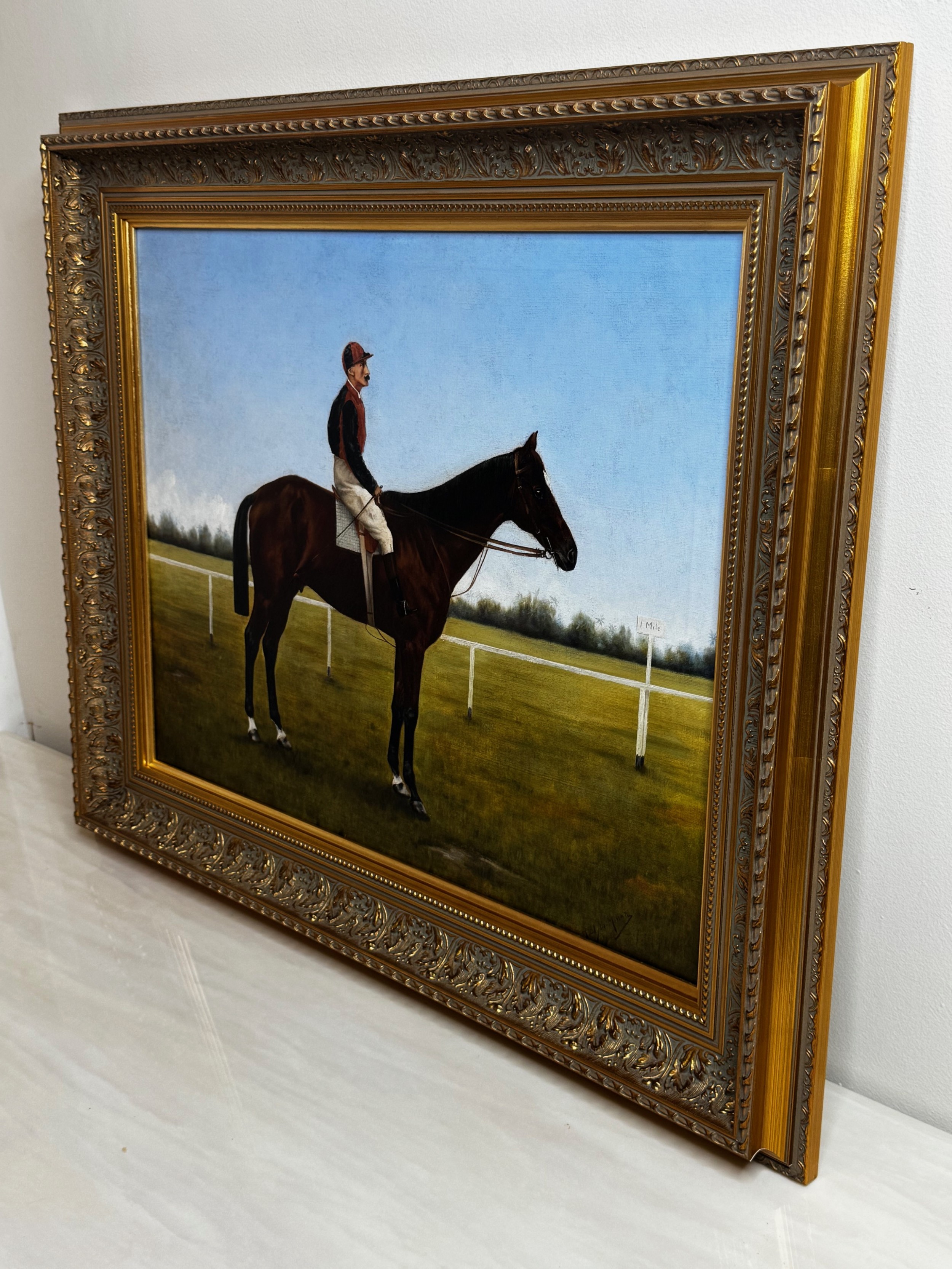
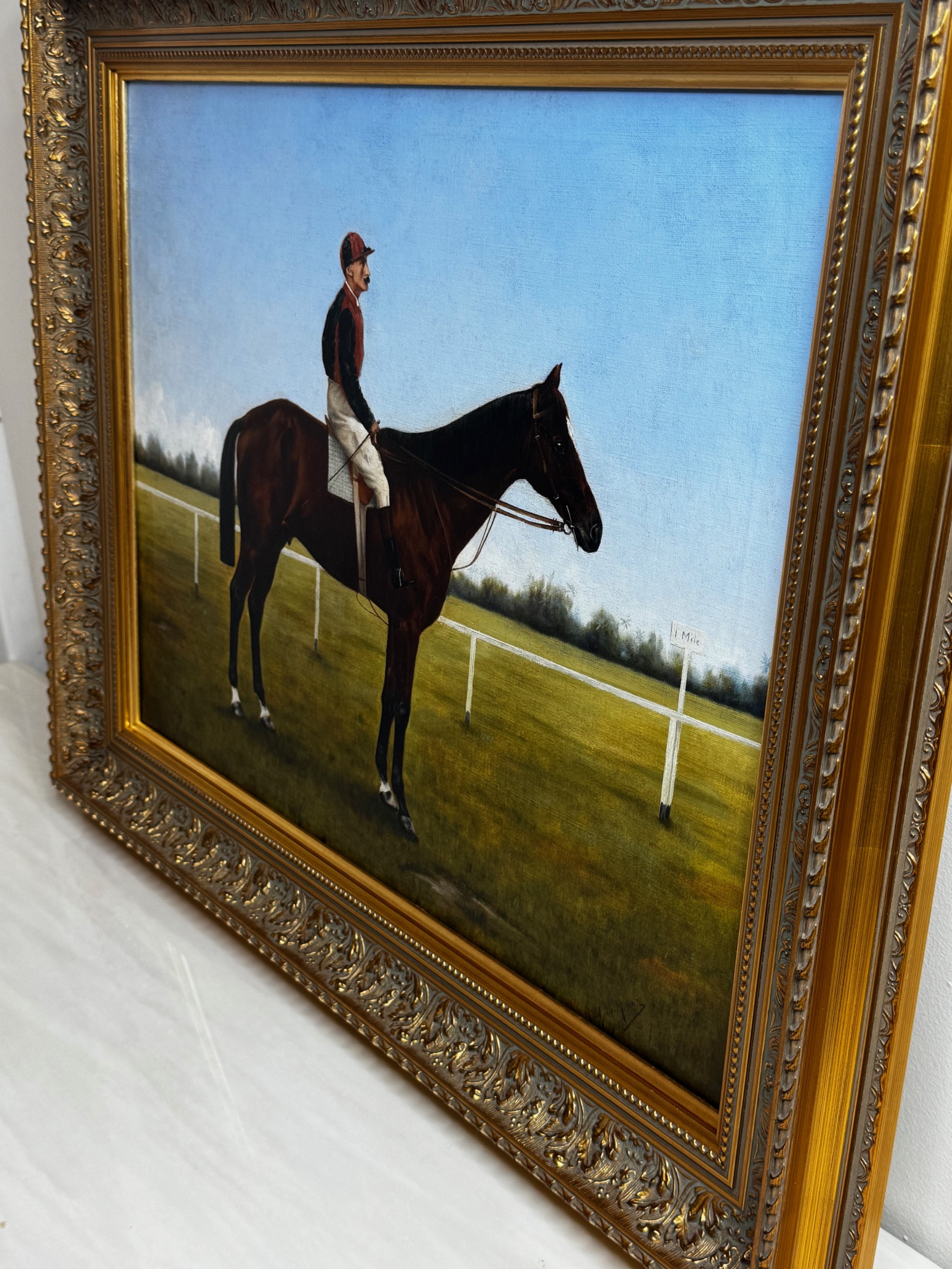
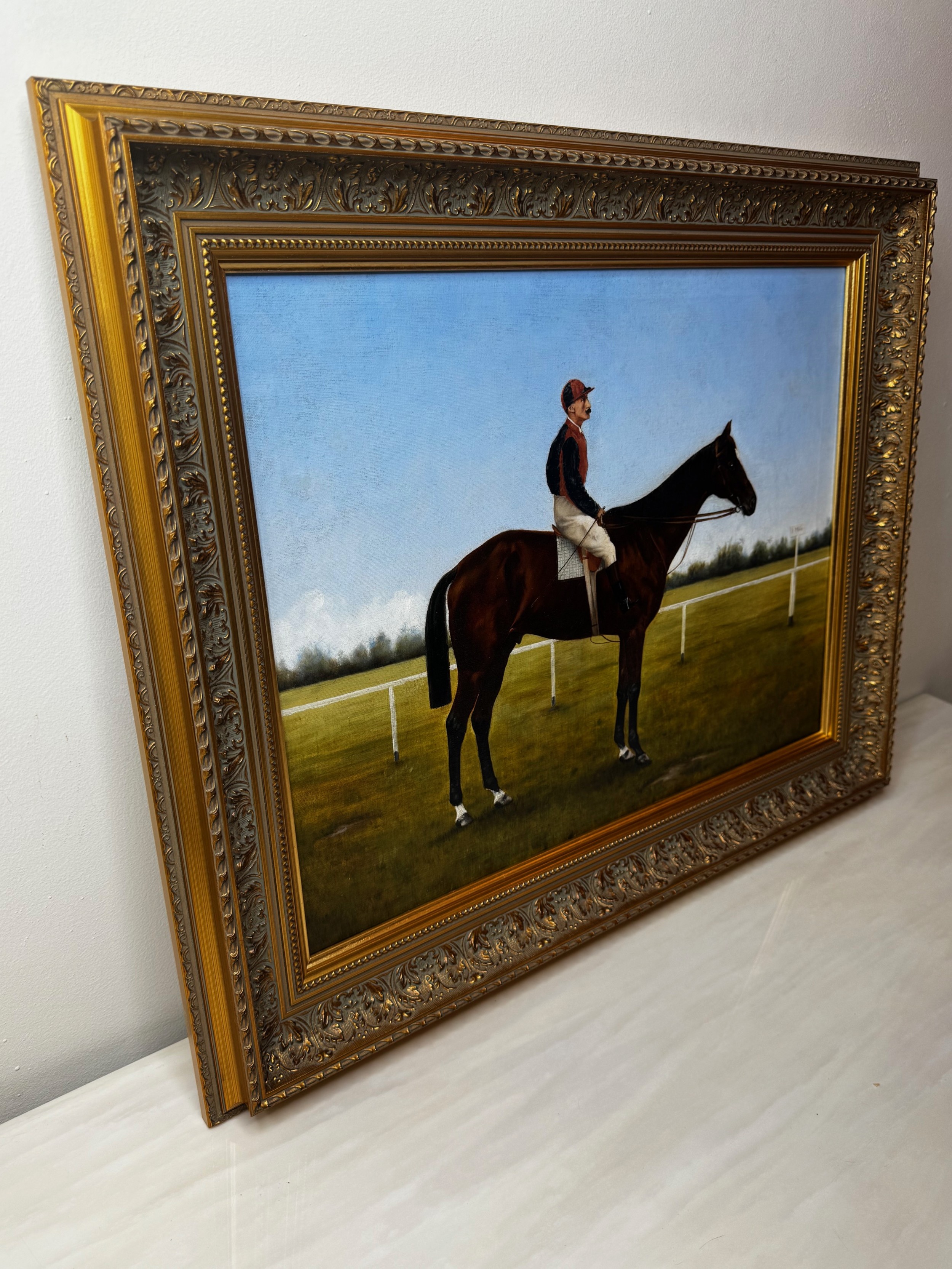
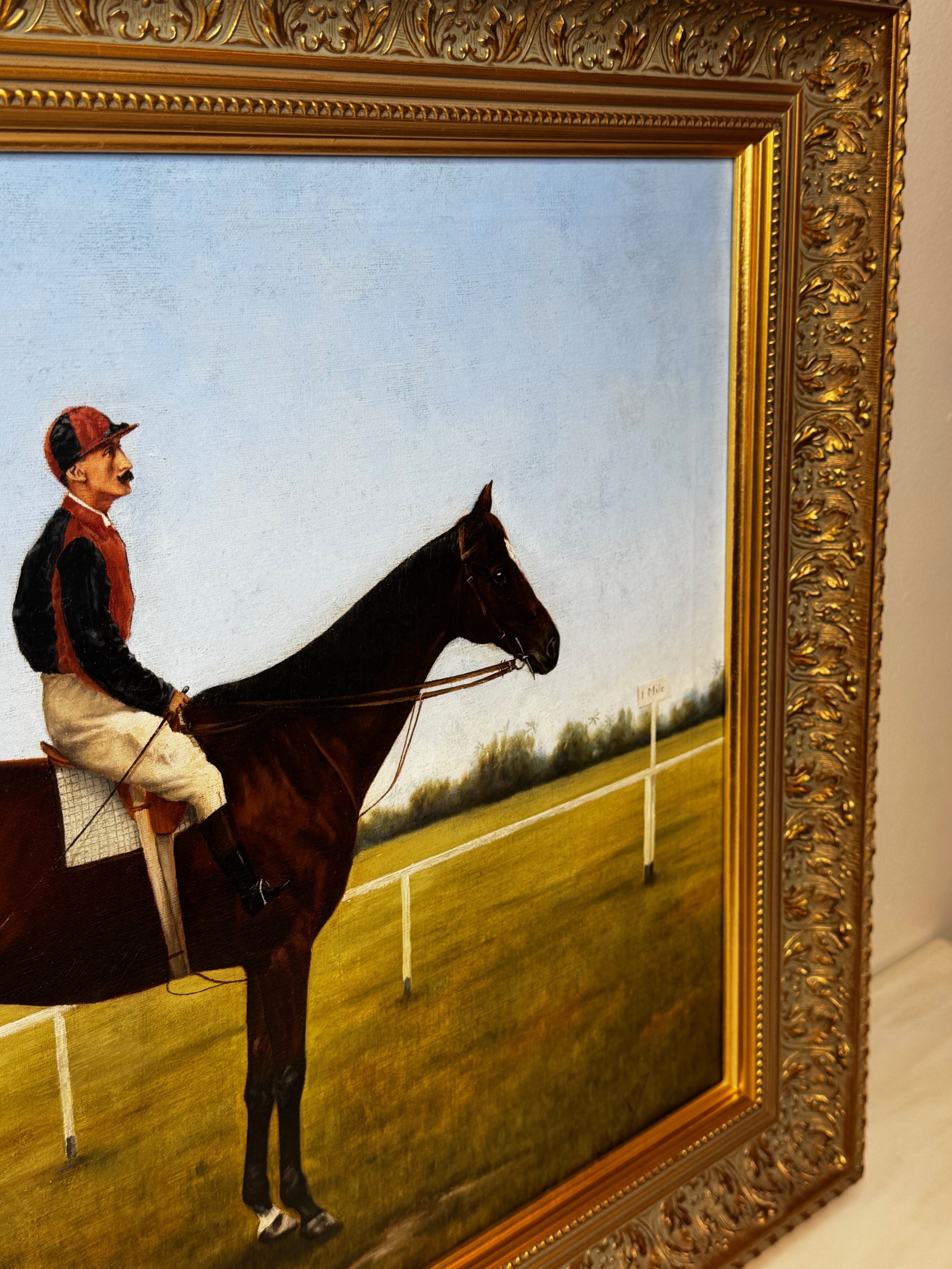
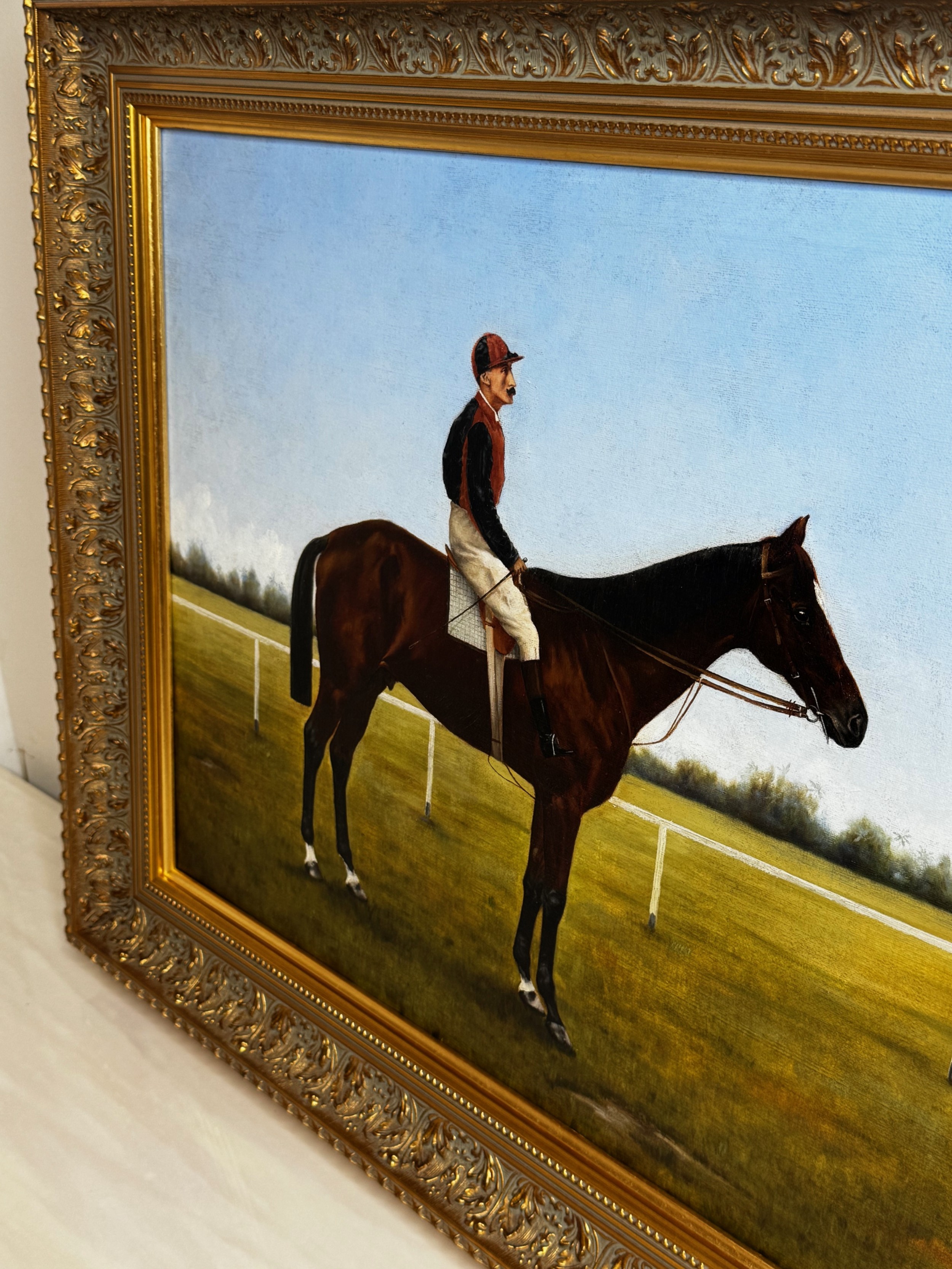
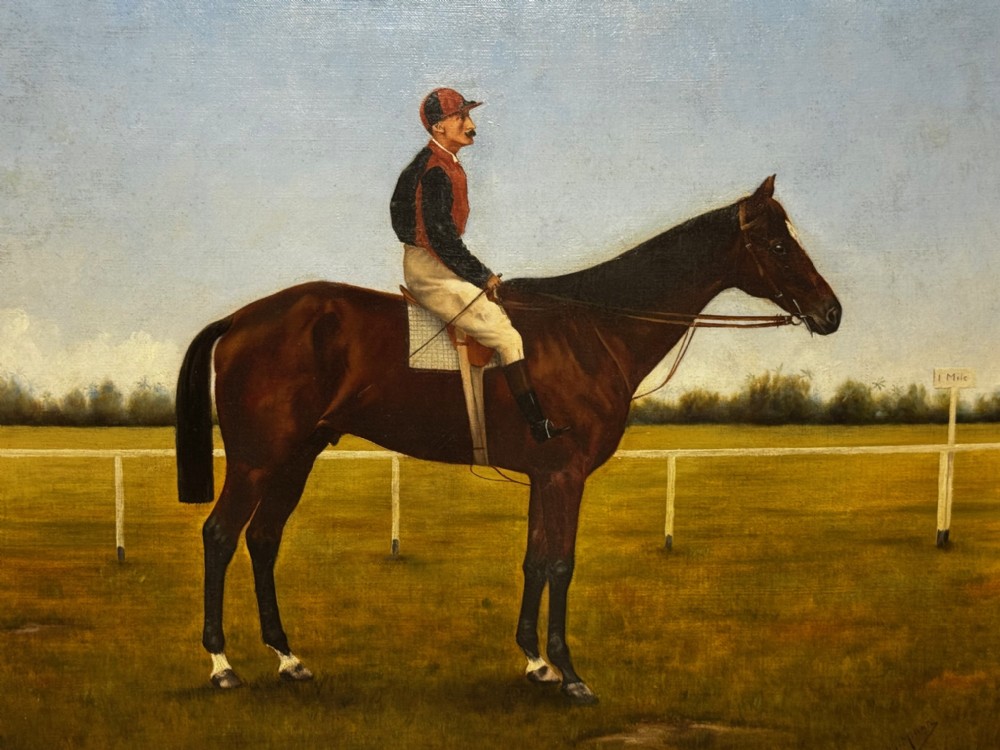
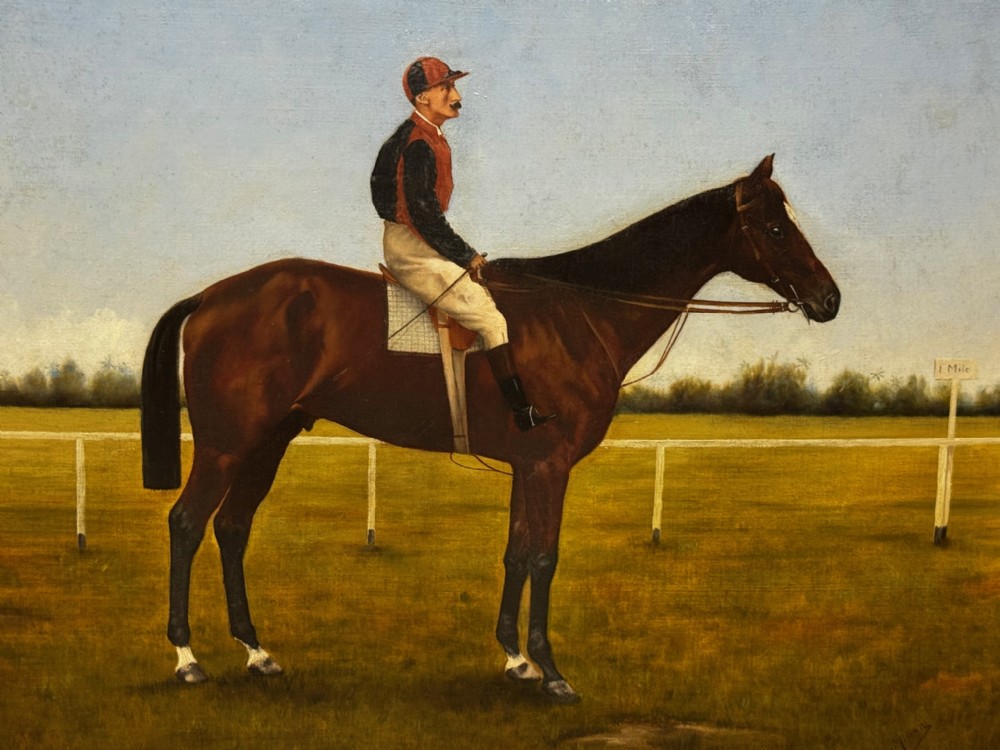
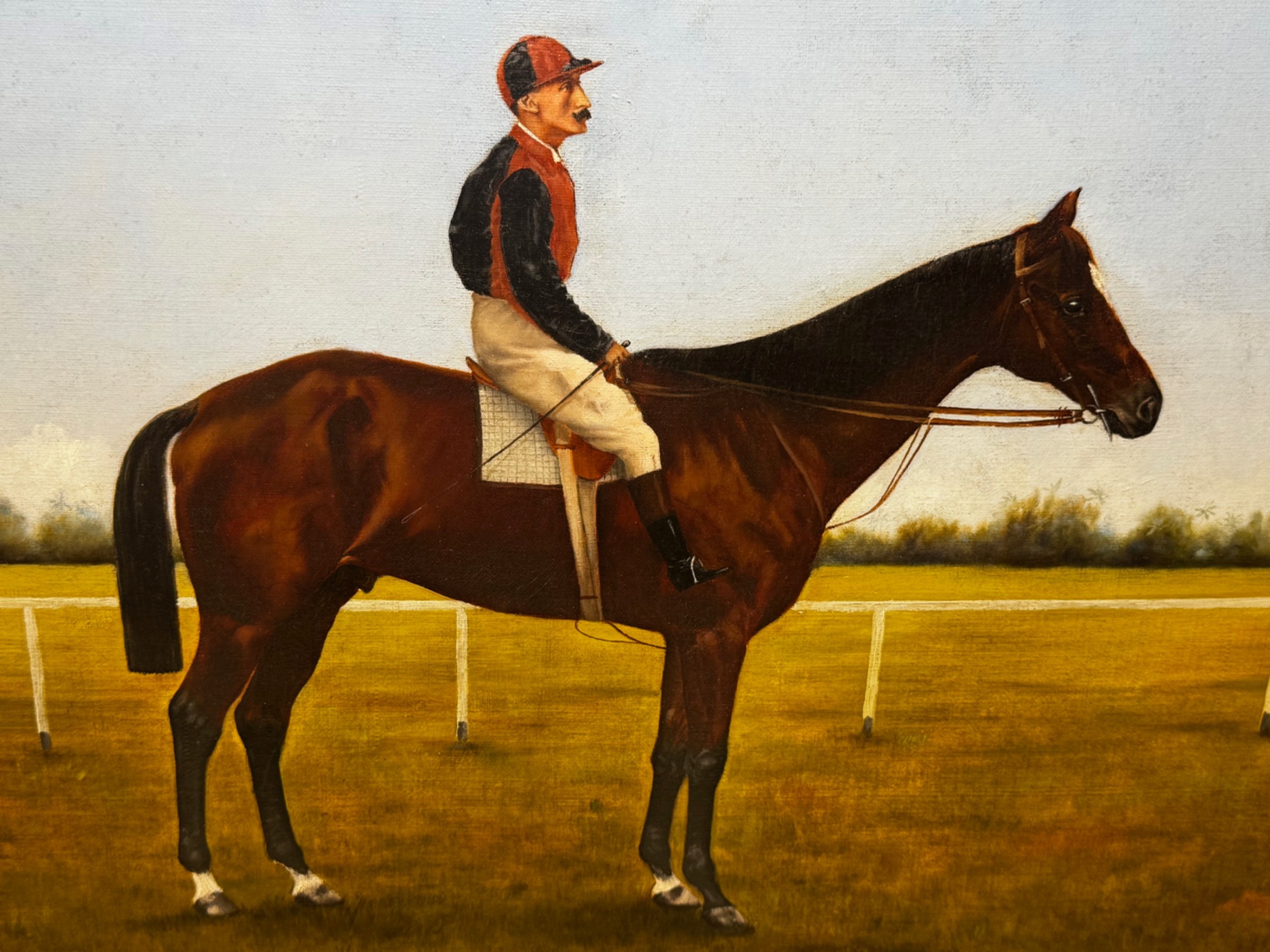
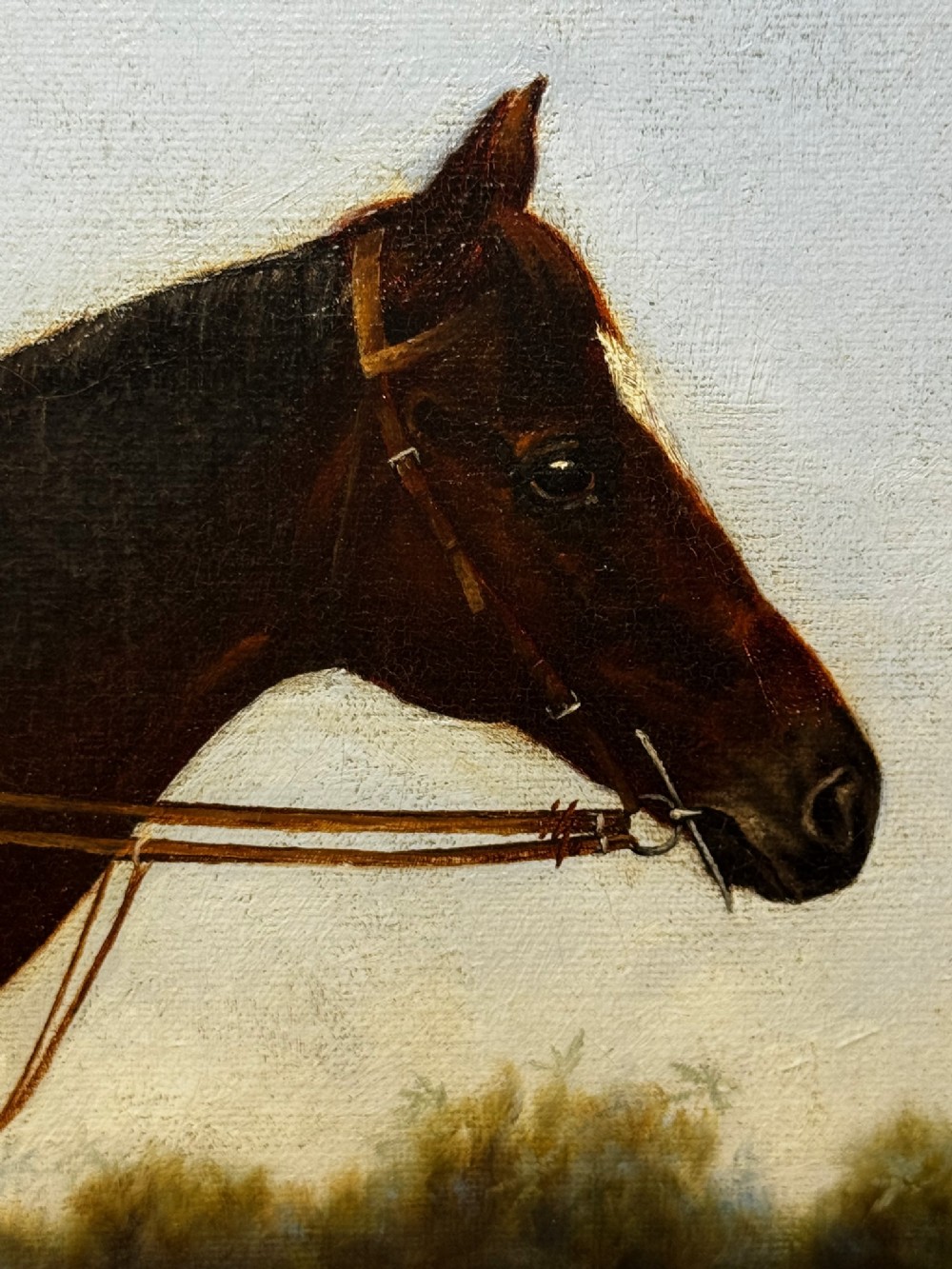
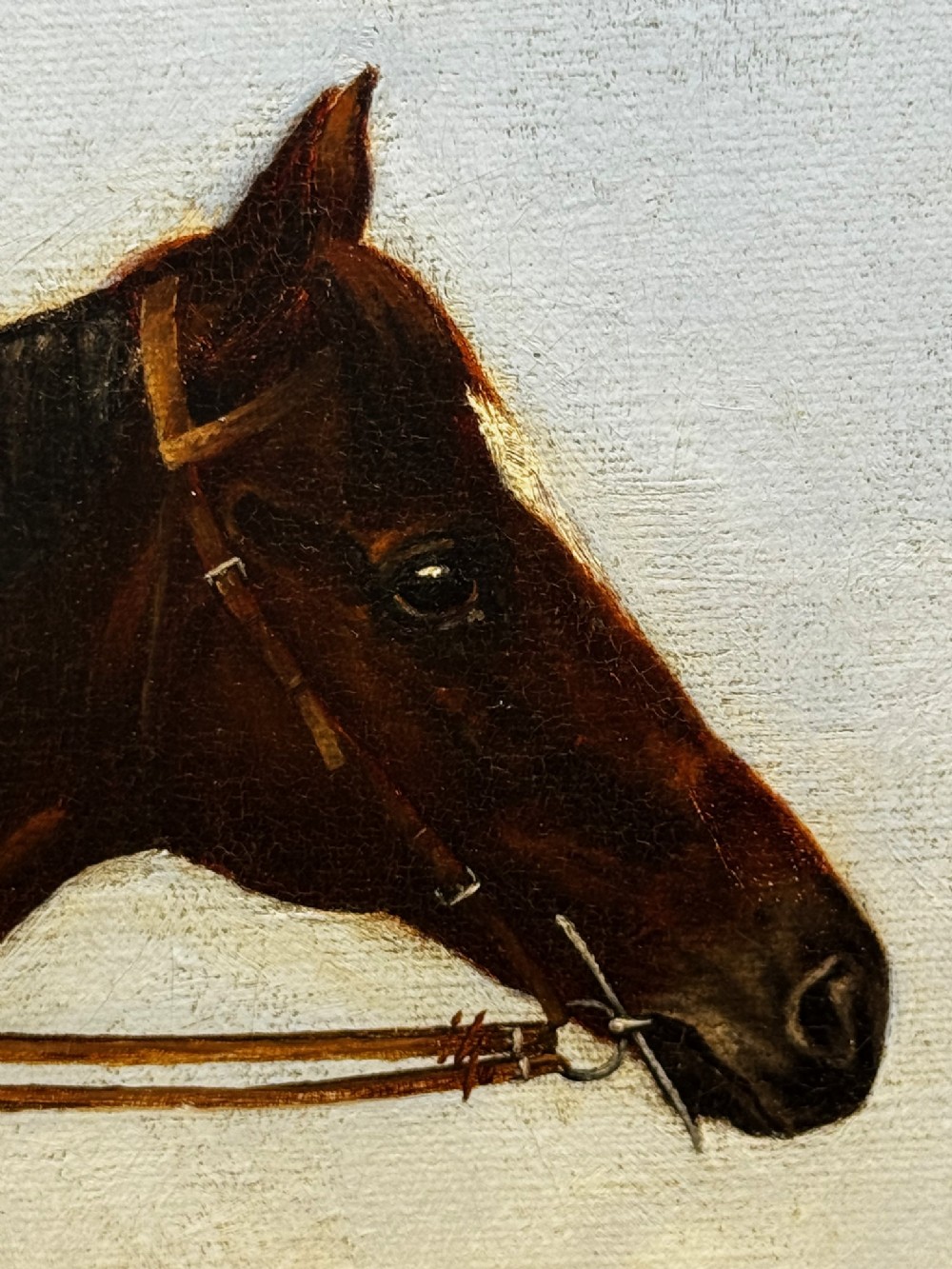
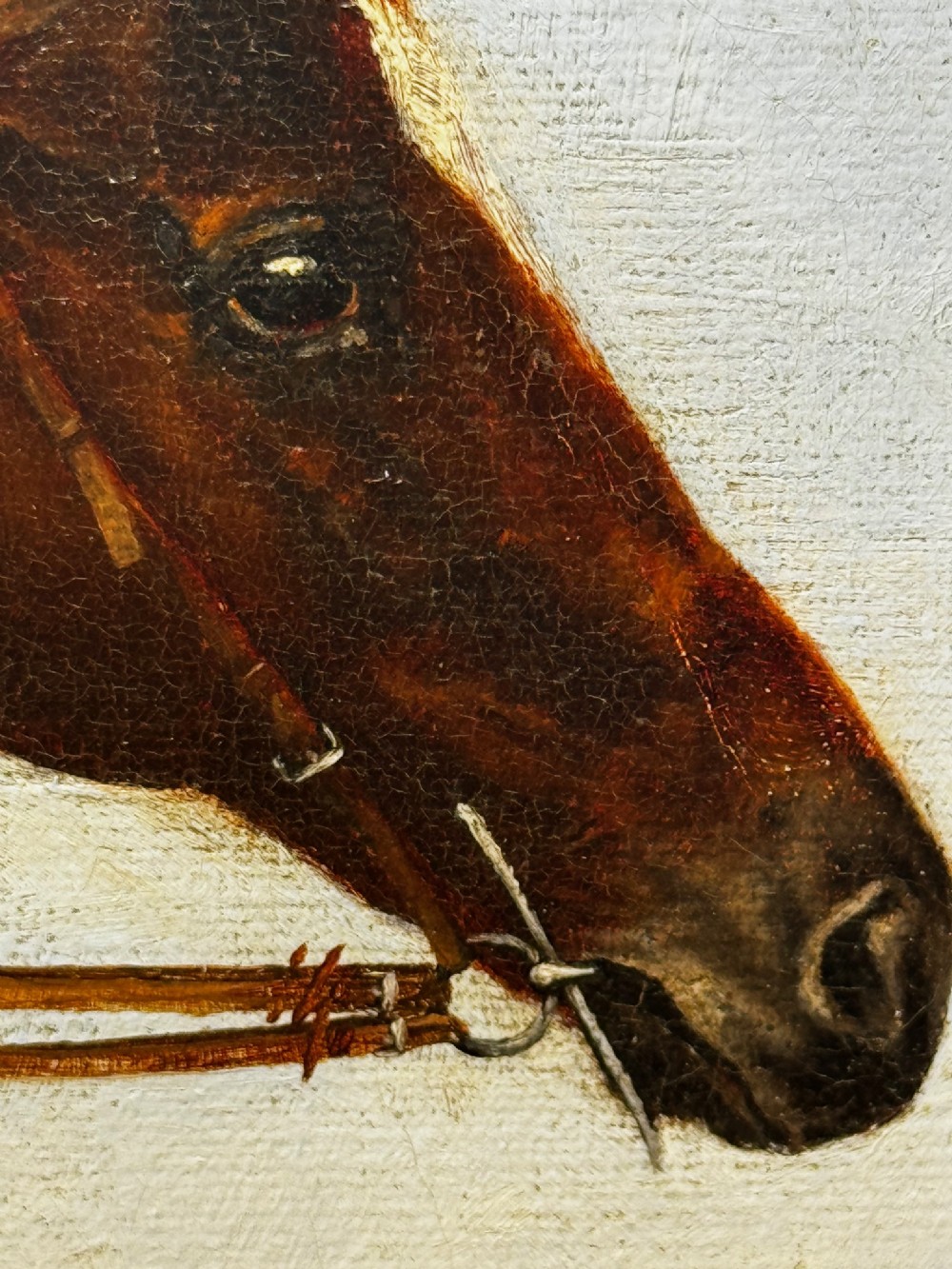
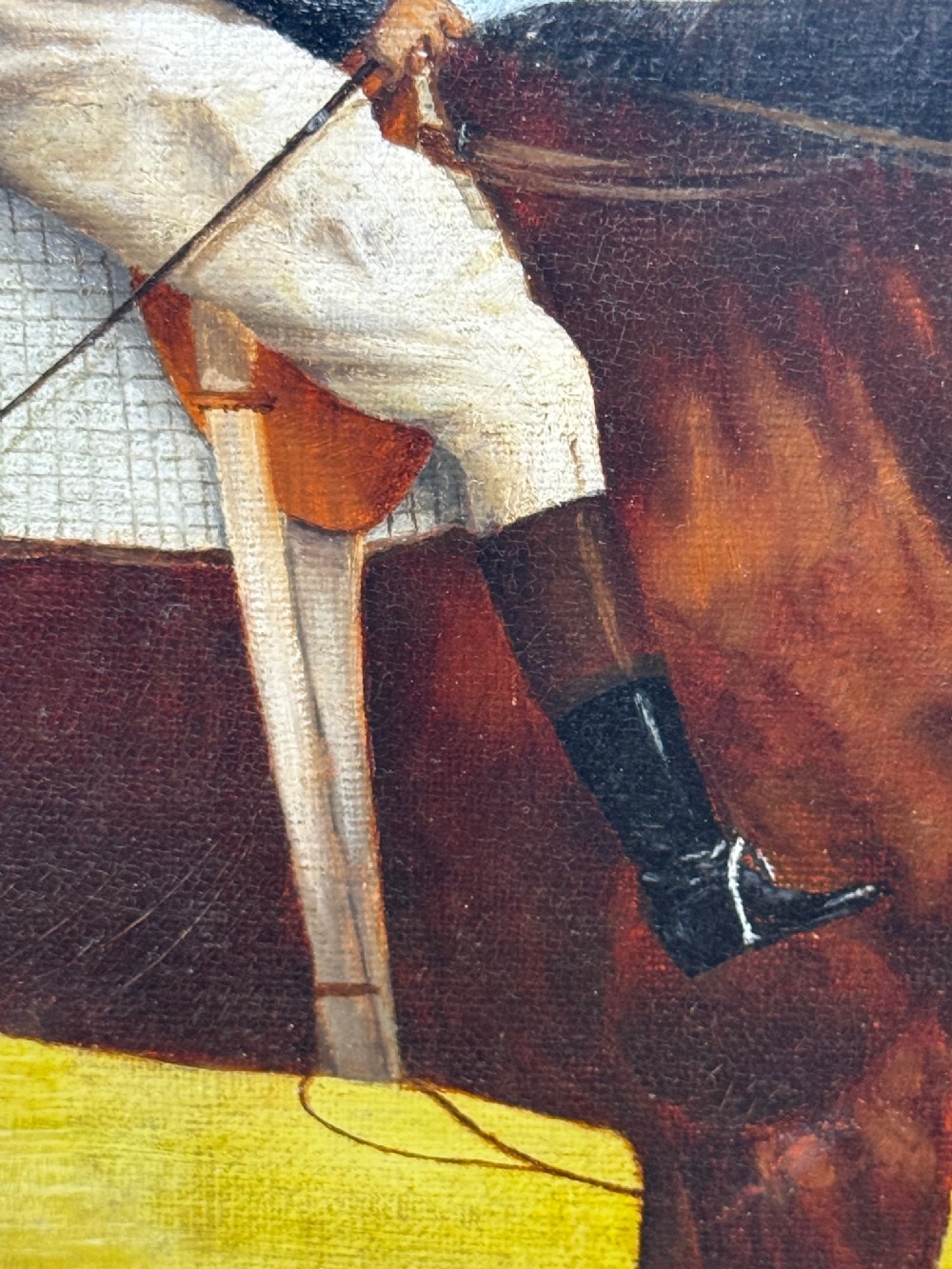
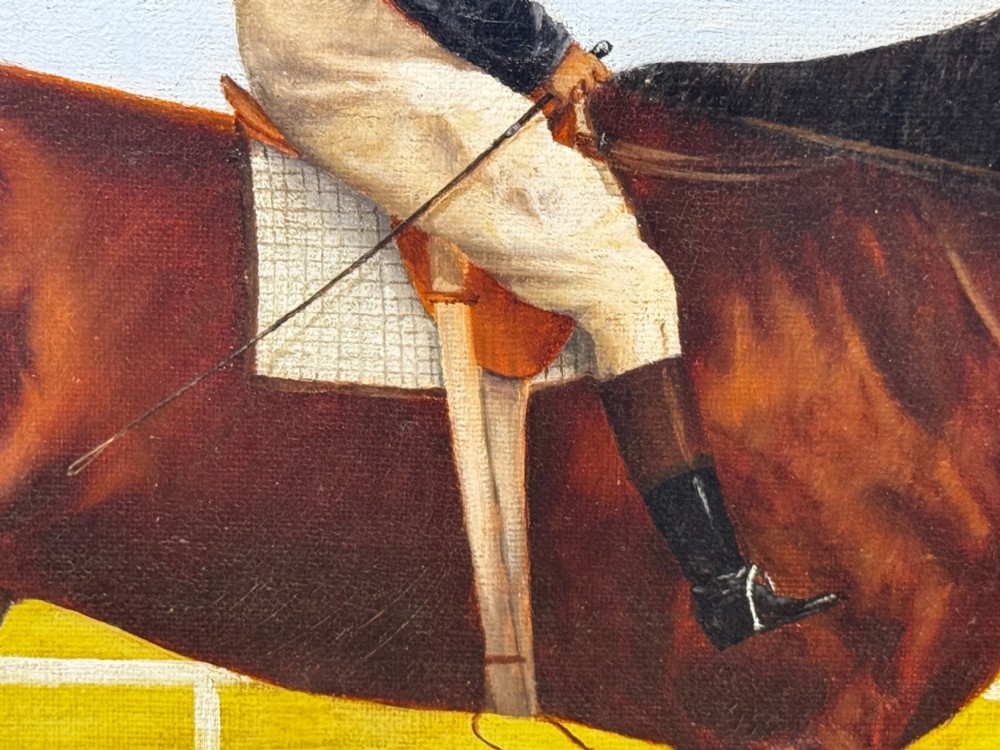
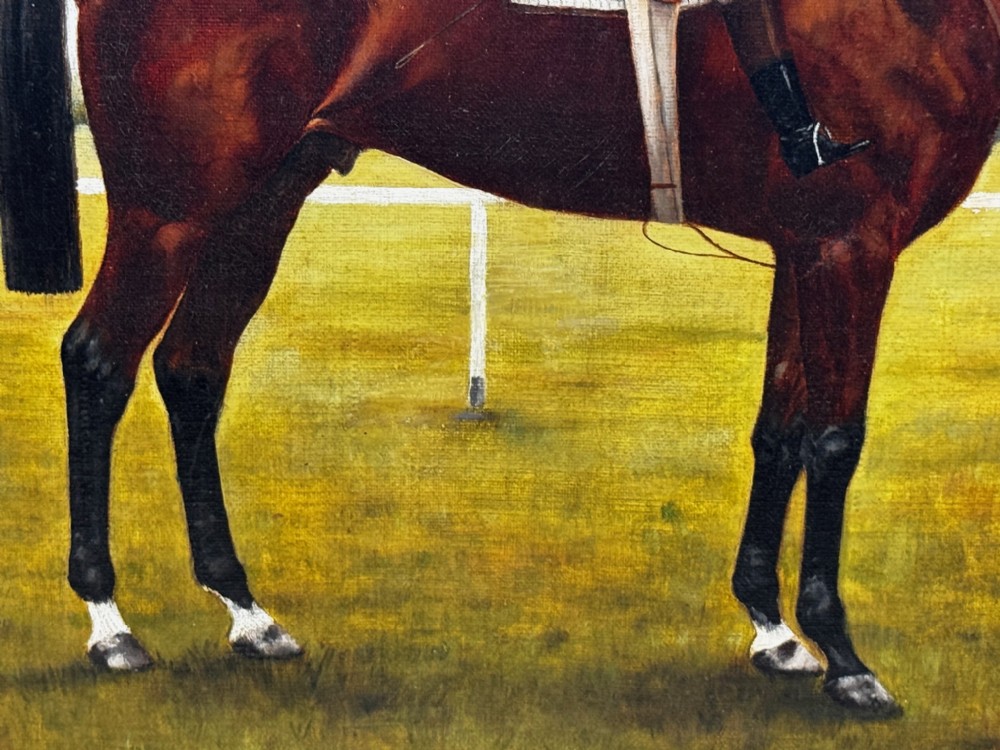
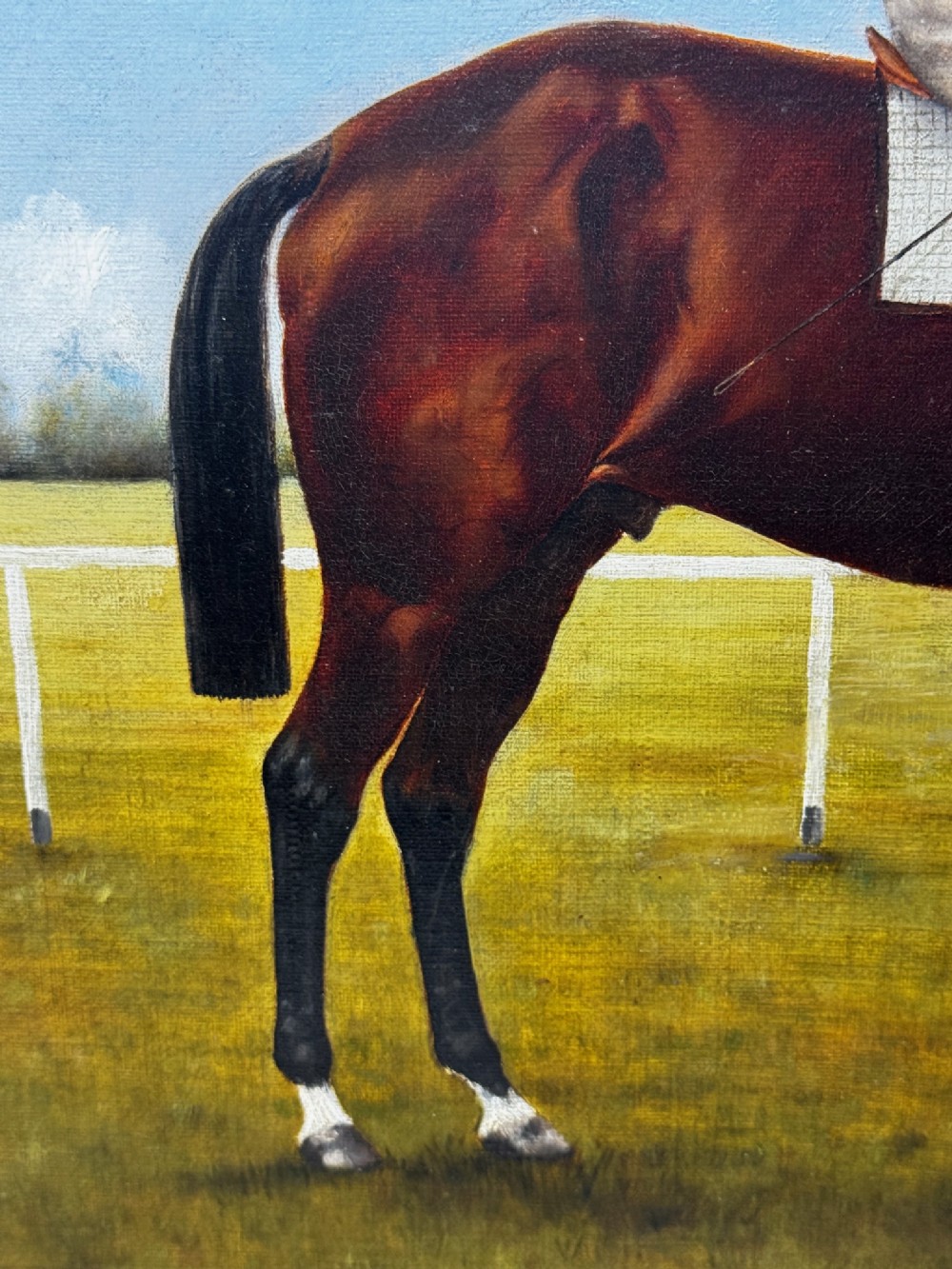
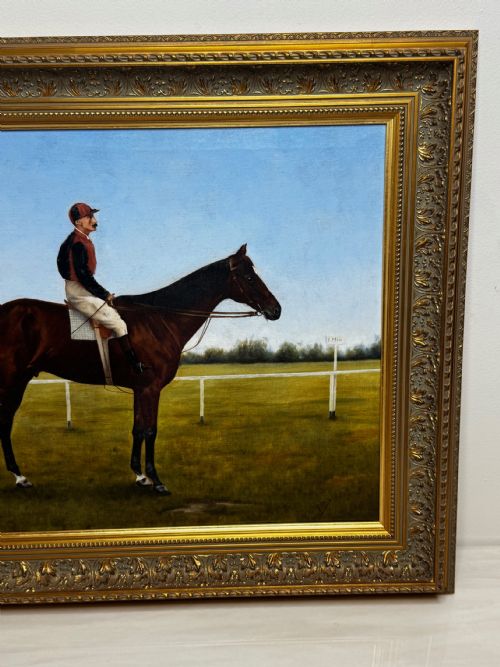
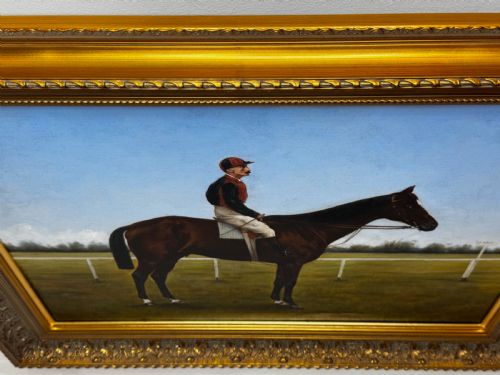
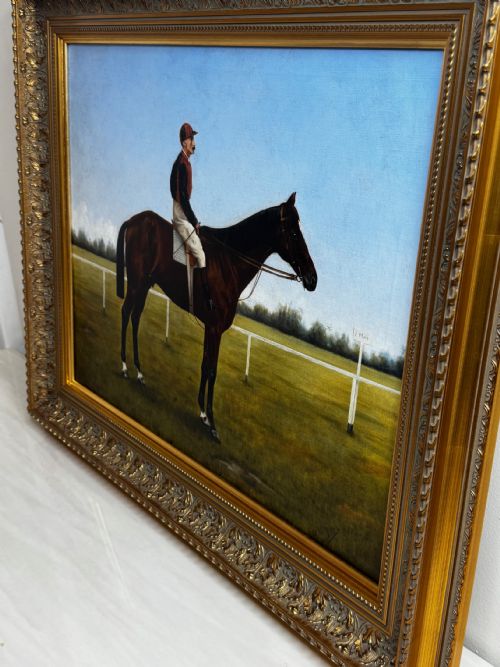
A rare and historically specific late-Victorian sporting commission believed to possibly depict Master Walter, an Australian-bred thoroughbred, portrayed after winning the Governor’s Cup at the Colombo Races (British Ceylon) in 1894. Executed in oil on canvas by the Scottish sporting artist Hugh Blyth-Millar (1862–1915), this is a classic Victorian sporting horse portrait in the manner of Harry Hall, created as an owner’s trophy picture and a lasting record of achievement.
Subject and Importance
The result sits between commemorative sporting art and historic record, with an exceptionally complete inscription preserved on the verso.
Composition and Technique
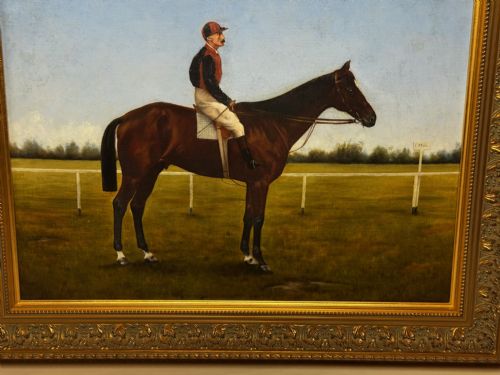
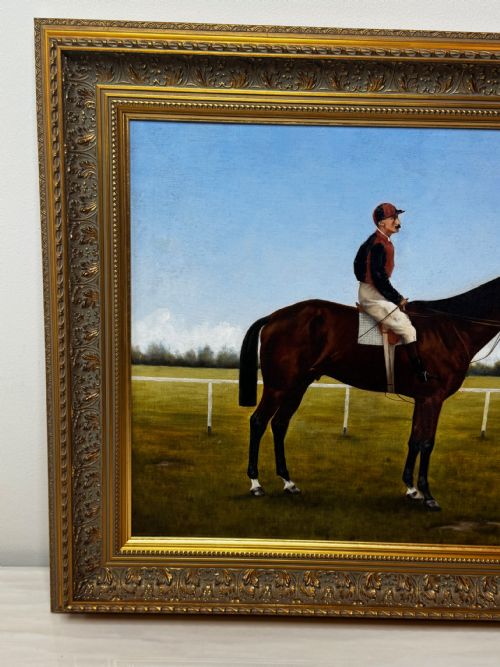
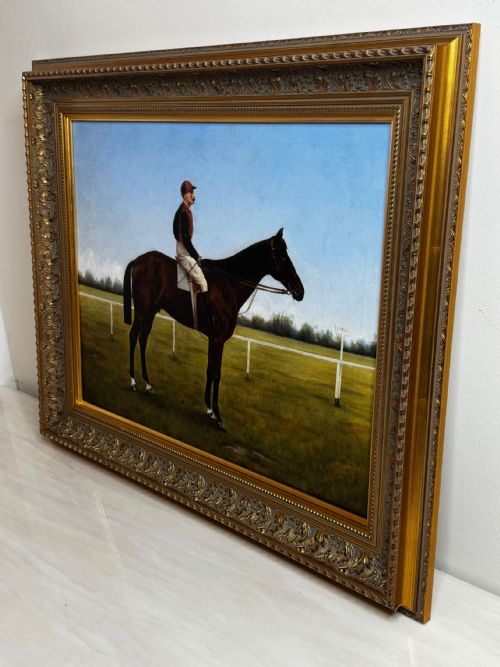
Painted in the traditional “winner’s portrait” format prized by serious racing patrons:
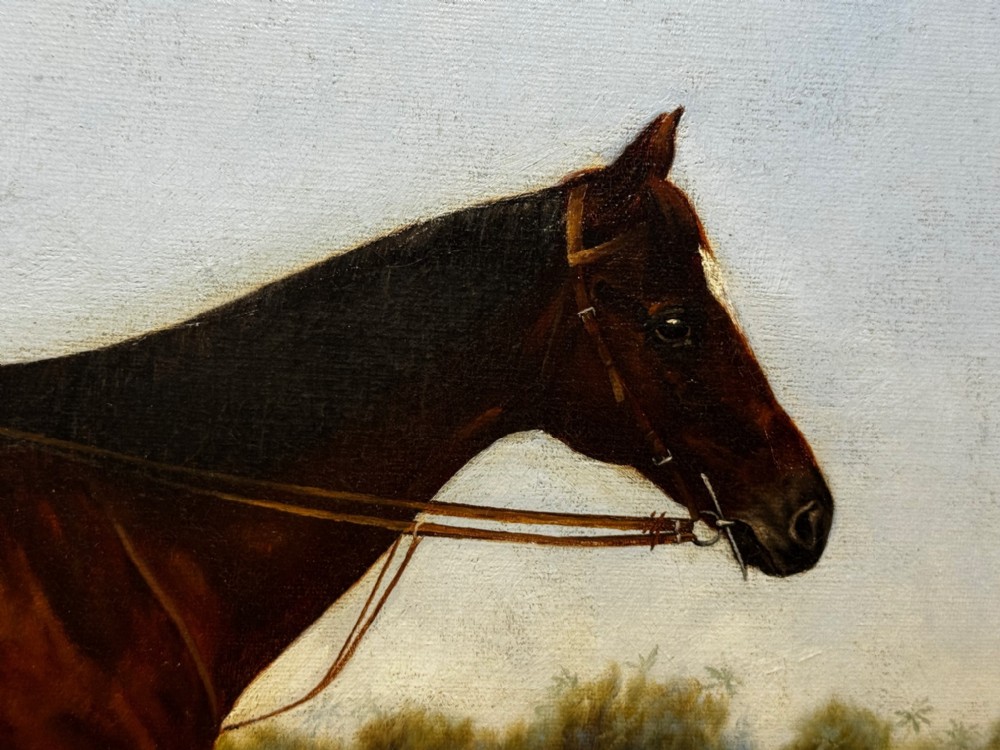
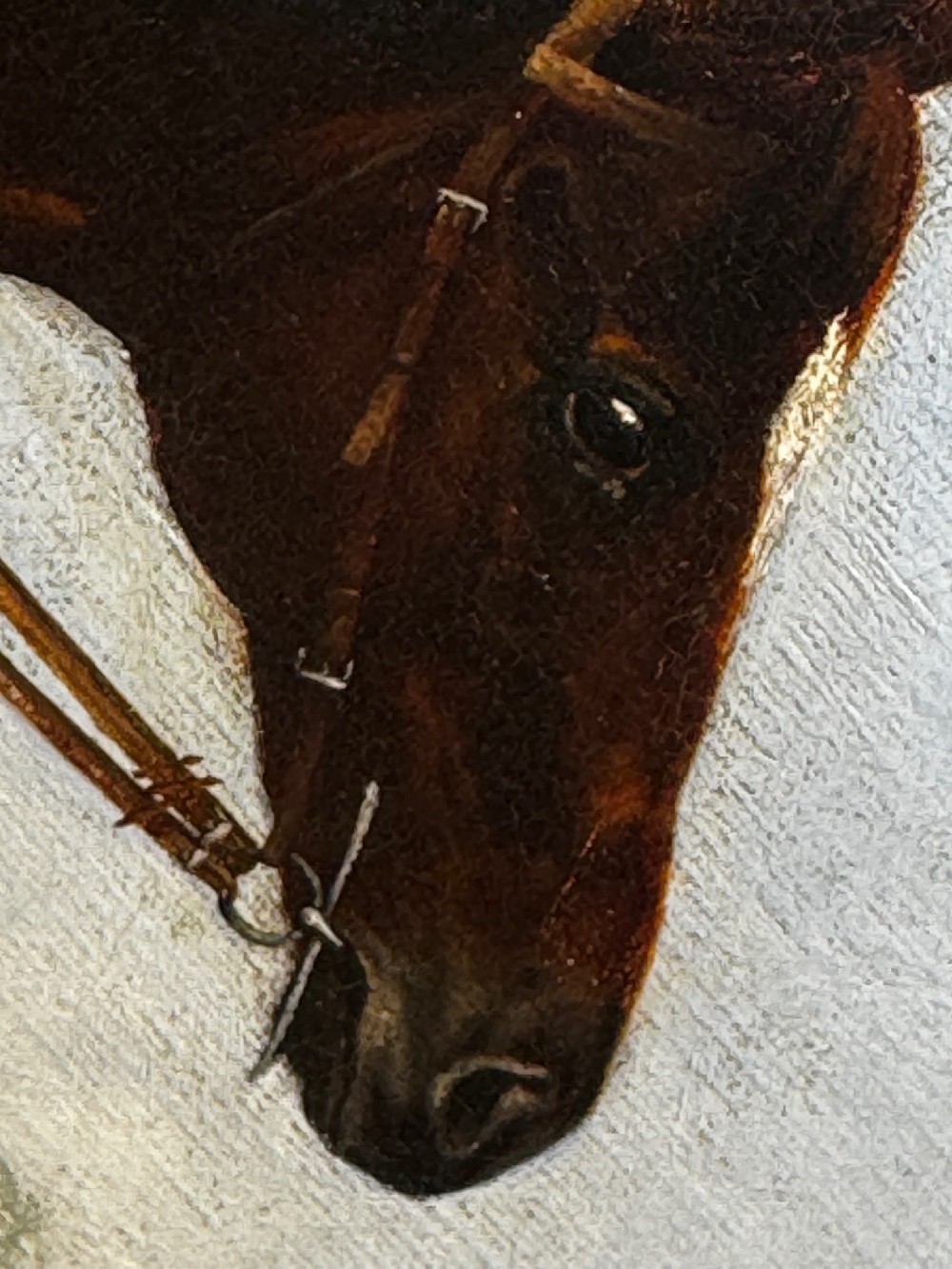
Strict side-profile conformation study to read build, balance and presence
Jockey mounted, reins lightly gathered, in a calm post-victory moment of authority
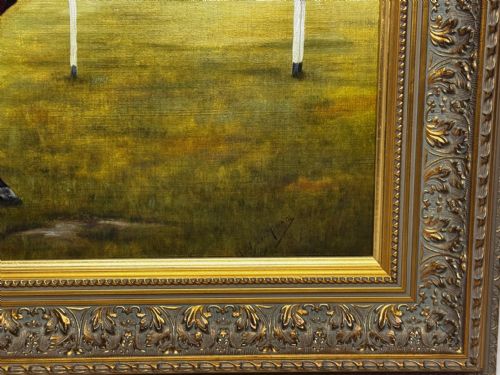
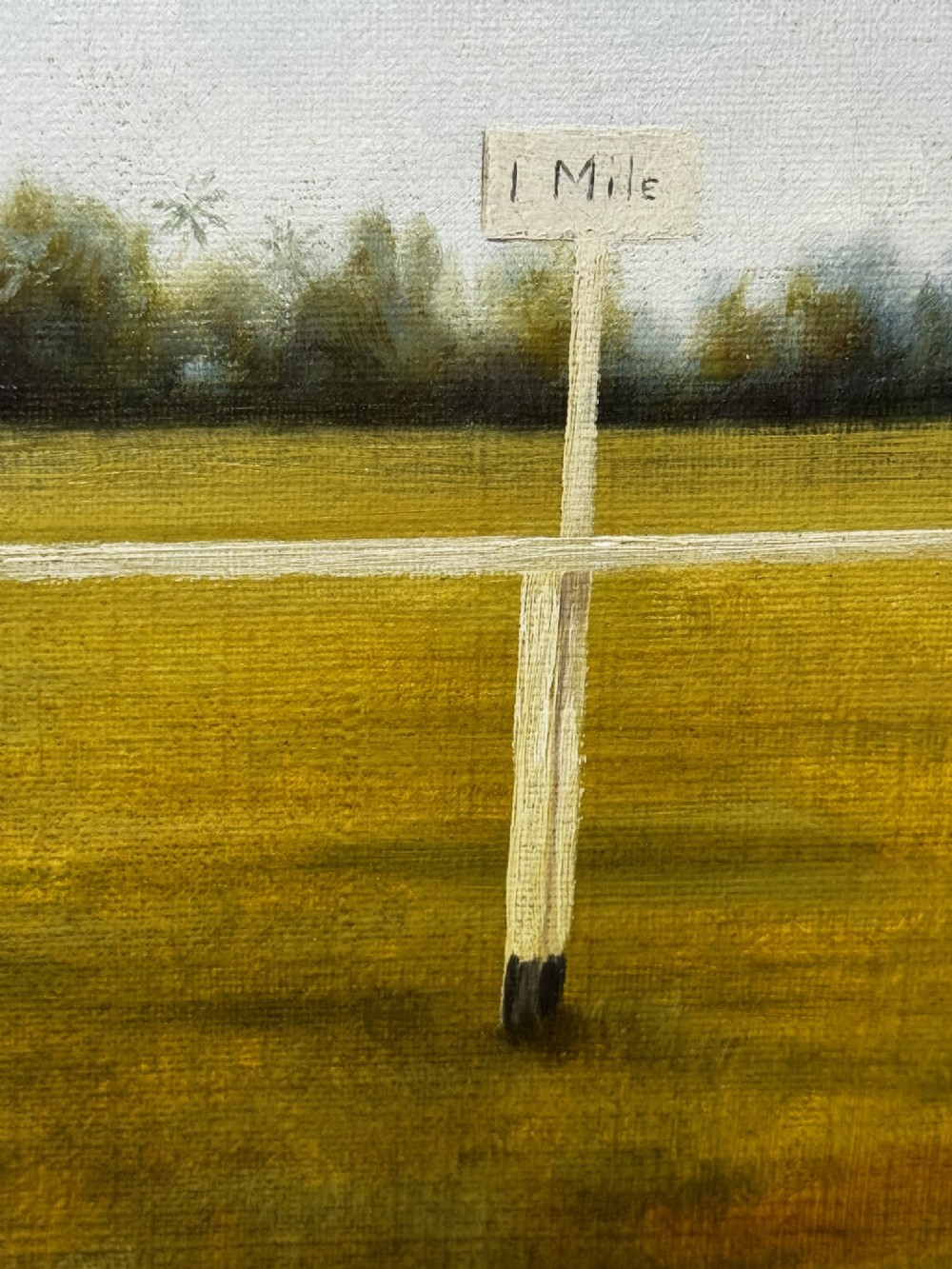
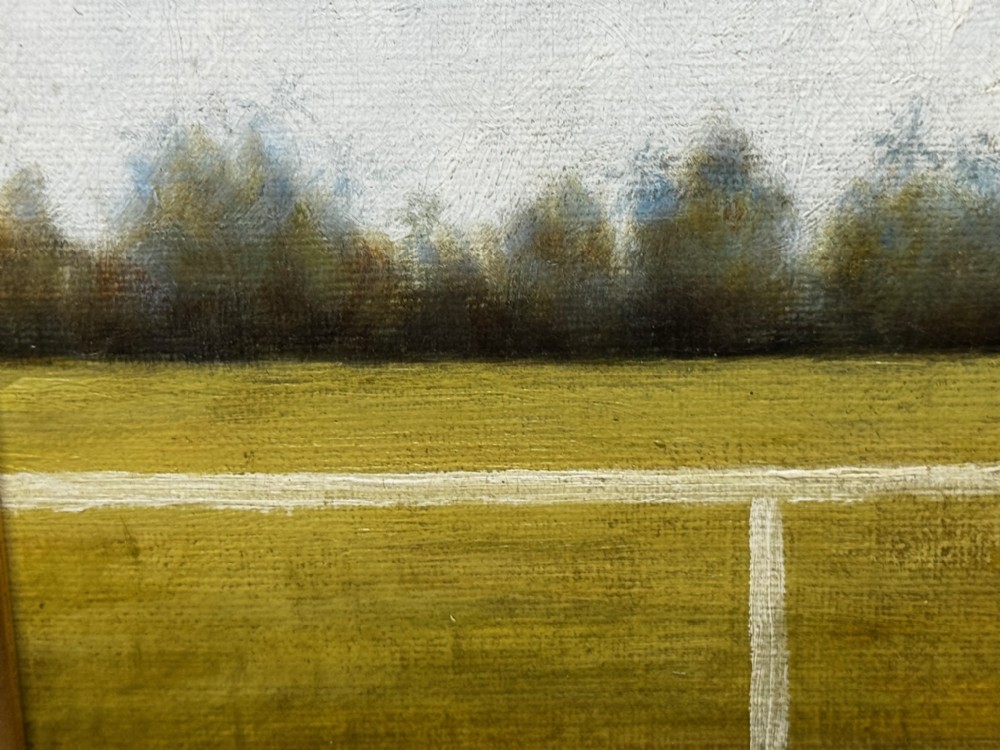
Minimal racecourse backdrop with rail and distance marker to establish context without distraction
Hall-tradition structure: profile horse, mounted rider and restrained background, executed with clean finish and purposeful clarity
Colour and Display
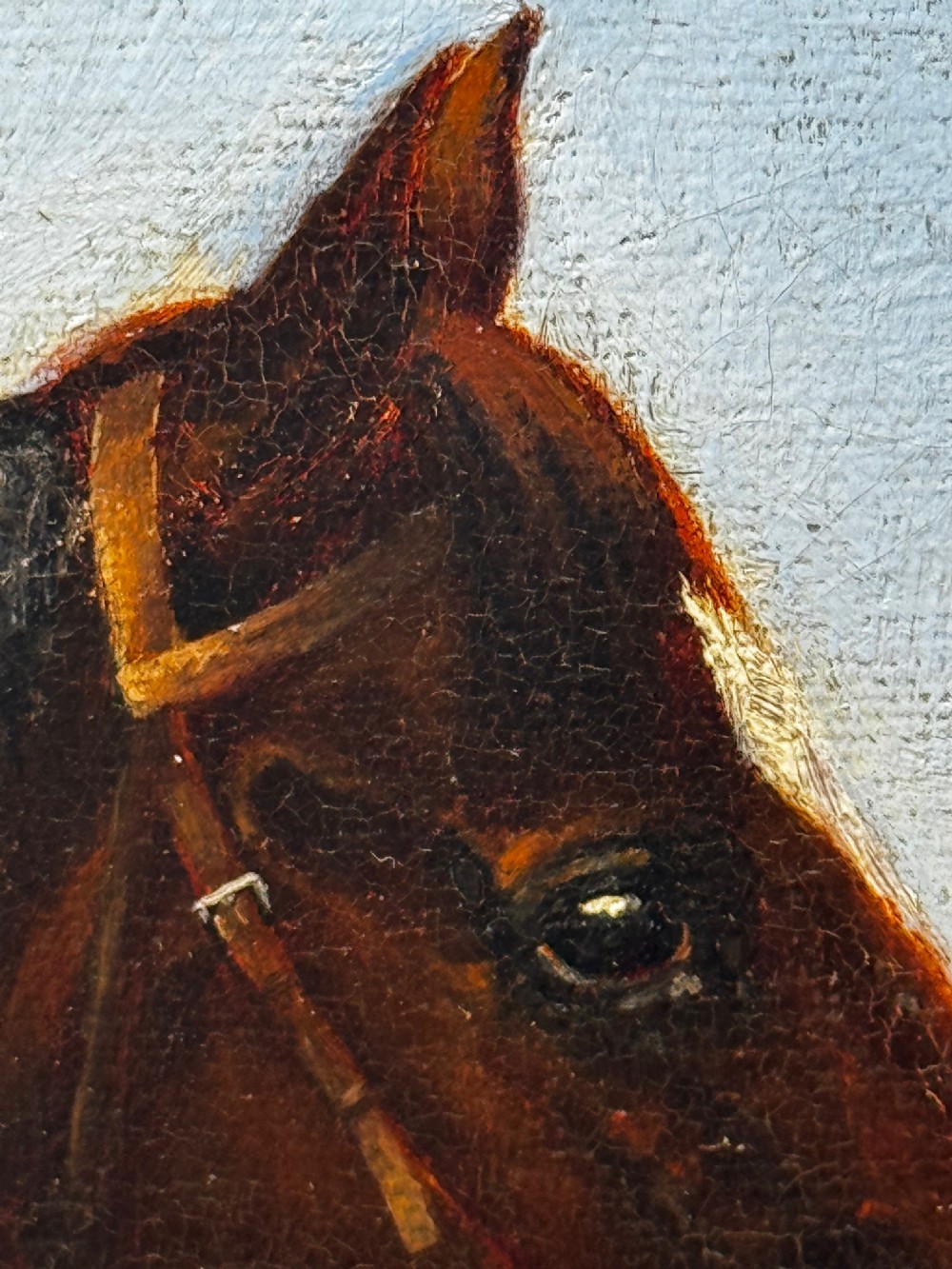
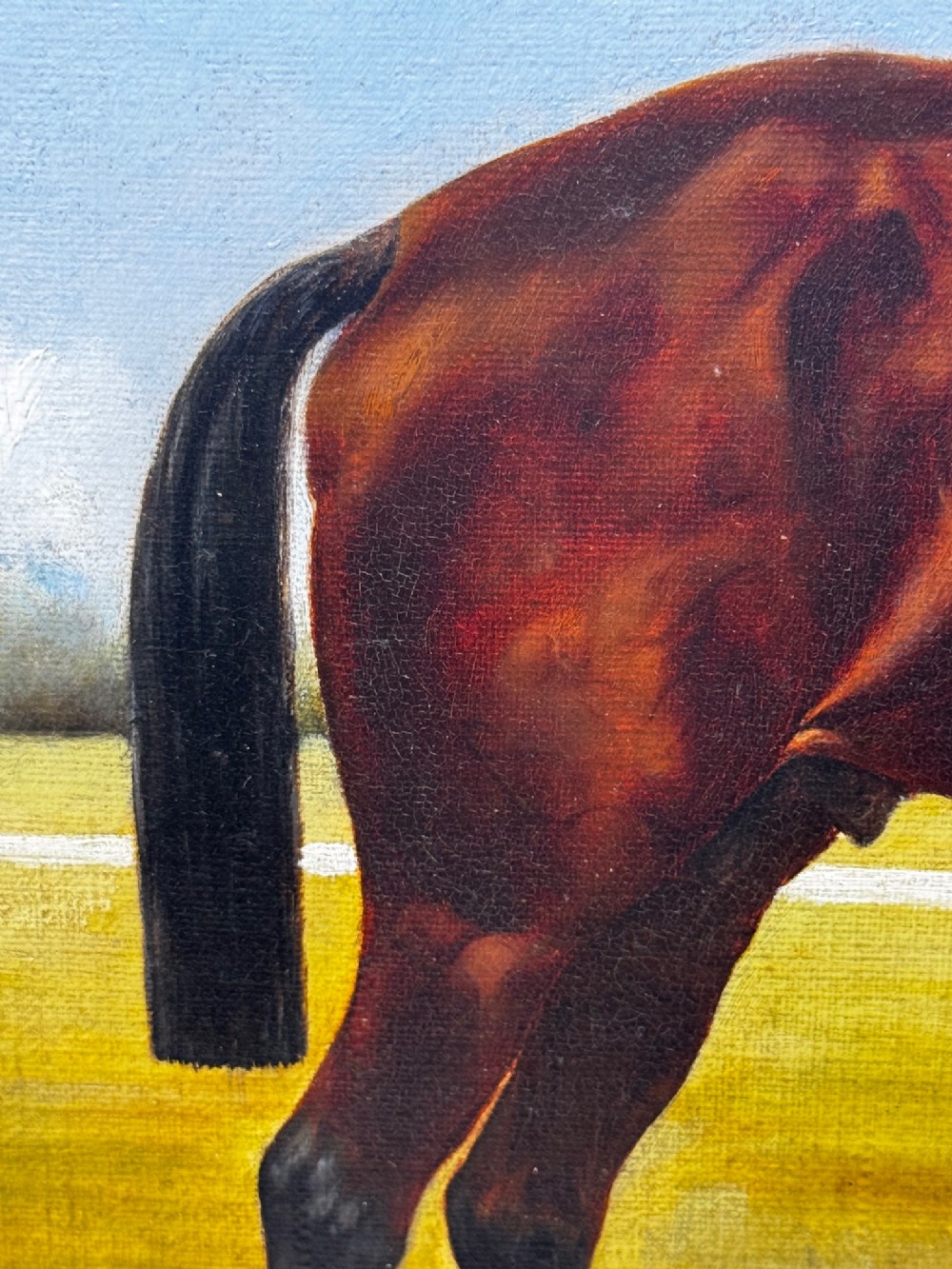
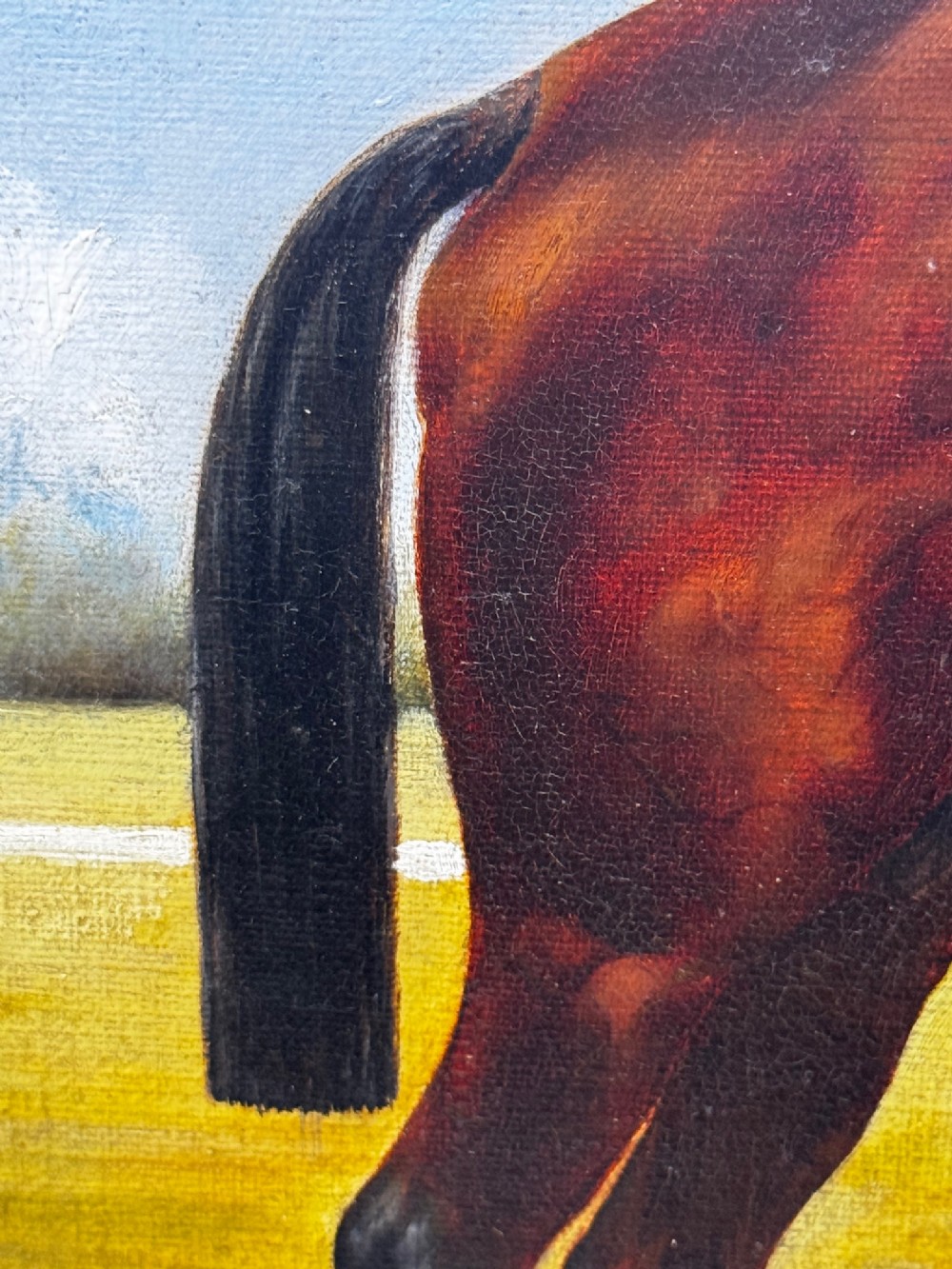
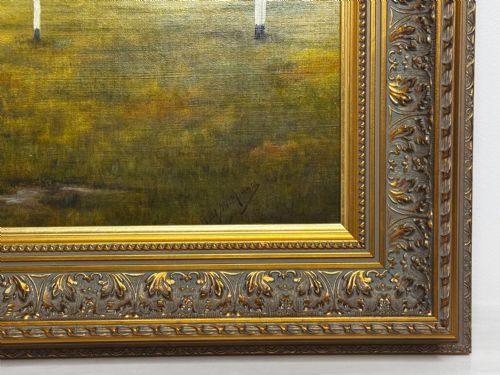
The palette is restrained and interior-friendly: warm chestnut/bay body tones with subtle modelling through the shoulder and barrel, dark mane and tail accents for definition, crisp traditional jockey colours, soft earth tones in the track, and pale sky notes that lift the composition. Calm, classic and sophisticated, ideal for studies, libraries, hallways, club rooms and sporting interiors.
The Race: Colombo Races, 1894
The Governor’s Cup was among the most prestigious trophies in colonial Ceylon’s racing calendar, an elite social theatre for governors, officers, merchants and planters. The win took place at the Colombo Racecourse, opened in 1893, near Reid Avenue in Cinnamon Gardens. Retrospective racing commentary aligns the 1894 Governor’s Cup with Master Walter ridden by J. Wall, and notes the survival of a painted likeness of the horse, consistent with this work’s commemorative purpose.
The Horse: Master Walter
Identified on the painting as an “Australian horse,” Master Walter is placed by Australian racing records on the Victorian turf scene around 1890 (including Melbourne Cup-related documentation), confirming competition prior to export. His export to Ceylon reflects a known colonial pattern in which Australian thoroughbreds were admired, imported and often dominated meetings across the region. The Governor’s Cup victory in 1894 under a planter-owner demonstrates how bloodstock circulated through imperial networks and became social capital.
The Owner and Family Context
The inscription names “Mr H. D. Deane,” associated with Horace Deane-Drummond, a figure within the planter elite of British Ceylon, where estate power and gentlemanly sport were closely intertwined. Period references identify Mr H. D. Deane with Kintyre Tea Estate. Horace was the son of George Onslow Deane, an English army officer and cricketer remembered for being the first first-class cricketer to reach 100 years of age. In 1920 Horace married Canadian painter Sophie Pemberton, who later painted an oil portrait of her husband (1925), now held by the Art Gallery of Greater Victoria, adding an important institutional link to the family story.
The Jockey: J. Wall
The verso inscription identifies the winning rider as J. Wall, repeated in later colonial racing commentary. A Singapore press notice from 1896 references “J. Wall, the jockey” travelling from Colombo to ride.
Cheshire Antiques Consultant Ltd has dated this Victorian Equestrian Oil Painting to the Victorian era.
Source the historic in 17th, 18th, 19th & 20th century fine arts, painting, sculptures & collectibles
You can view the stock and full dealer information on the Cheshire Antiques Consultant Ltd Profile Page
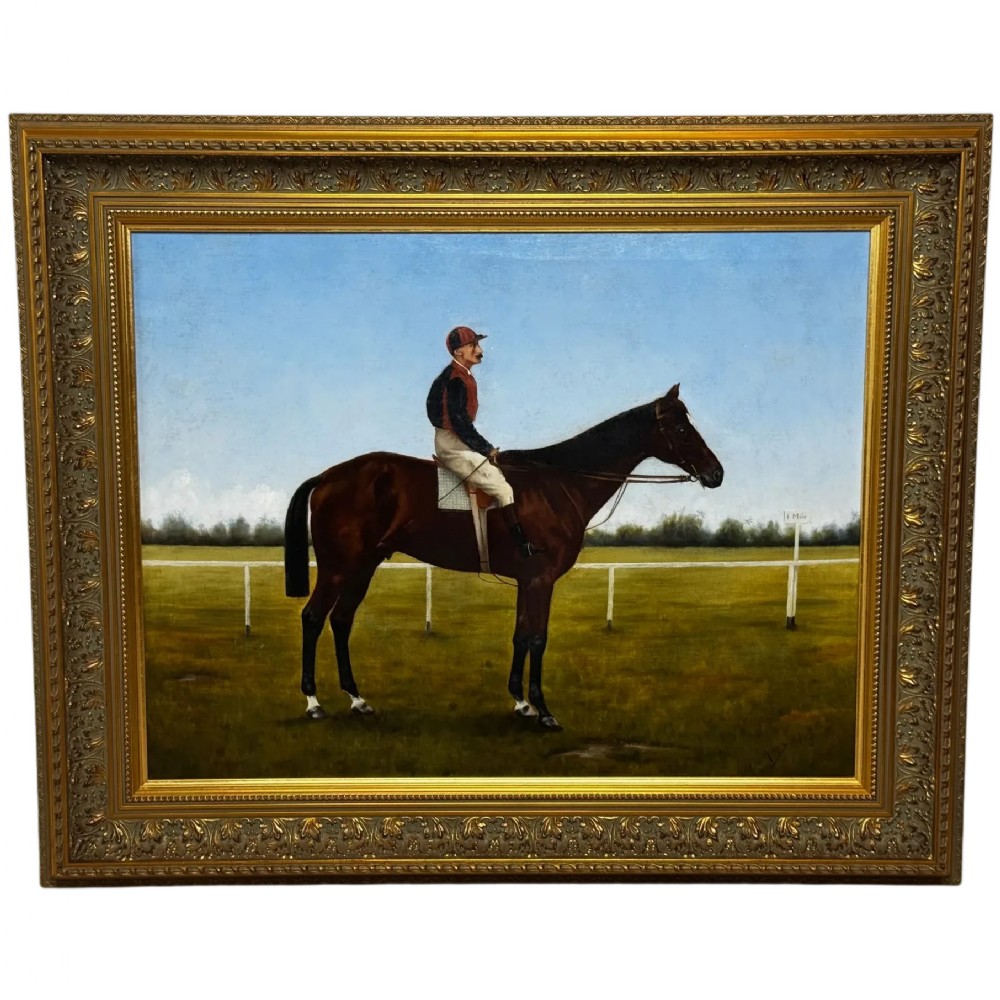
Victorian Racing Oil Portrait “Master Walter” Governor’s Cup Colombo Races C1894 Owner Horace Deane-drummond