7,054  PAGES BROWSED TODAY PAGES TODAY 0  ANTIQUES UPLOADED TODAY NEW ARRIVALS
ID #SA1093388
SOLD
Email
Save
Antique Vase by Hotoda, Satsuma, Meiji Period (1868-1912)
Gillers Antiques Ltd
sold SA1093388
Sorry, but this item has been sold.
Gillers Antiques Ltd

Gillers Antiques Ltd

Sellingantiques Verified Since Mar 2023
View Dealers Stock Page
Id #SA1093388
PDF SHARE
SAVE

Antique Vase by Hotoda, Satsuma, Meiji Period (1868-1912)

19th century
Description

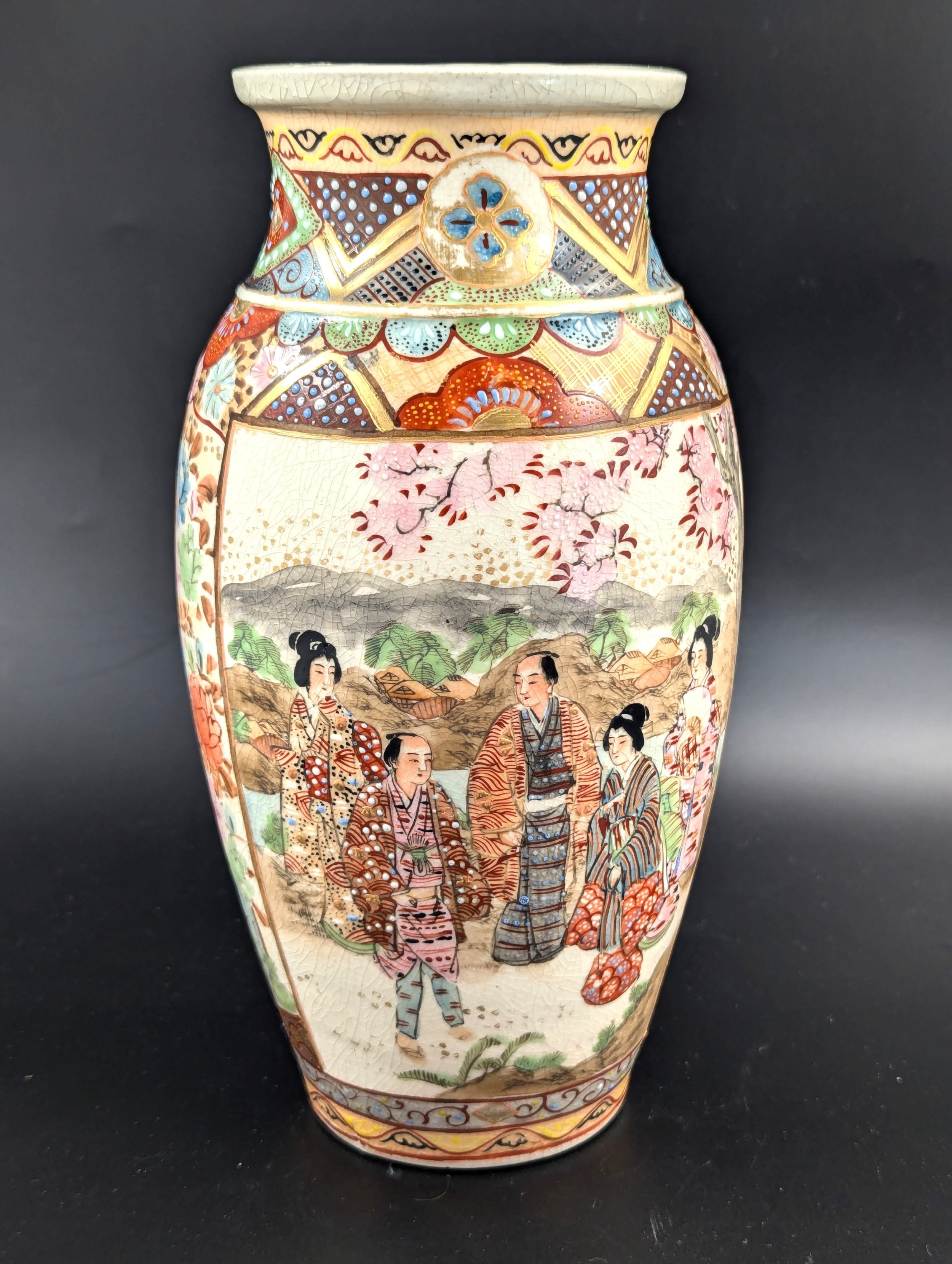
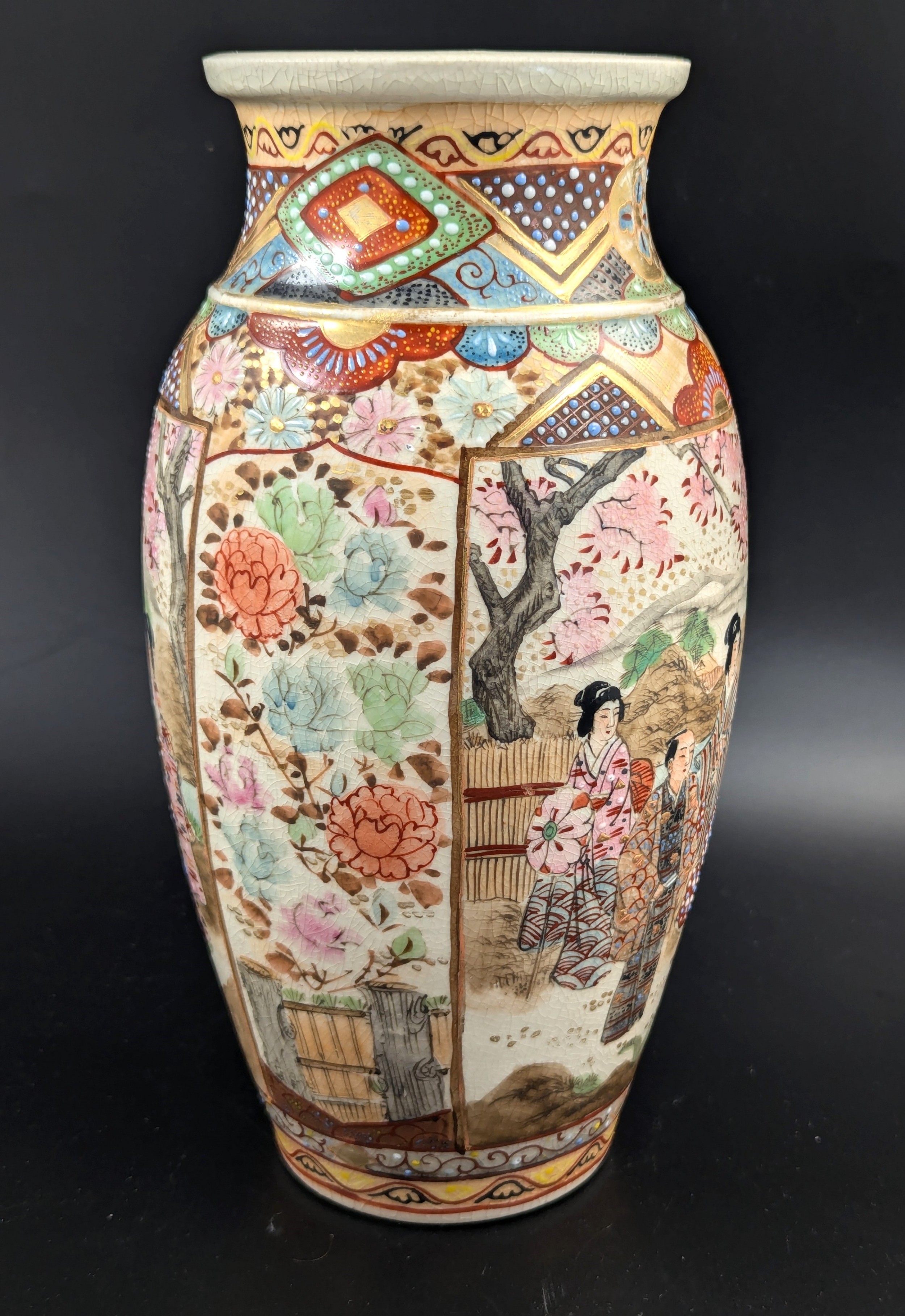
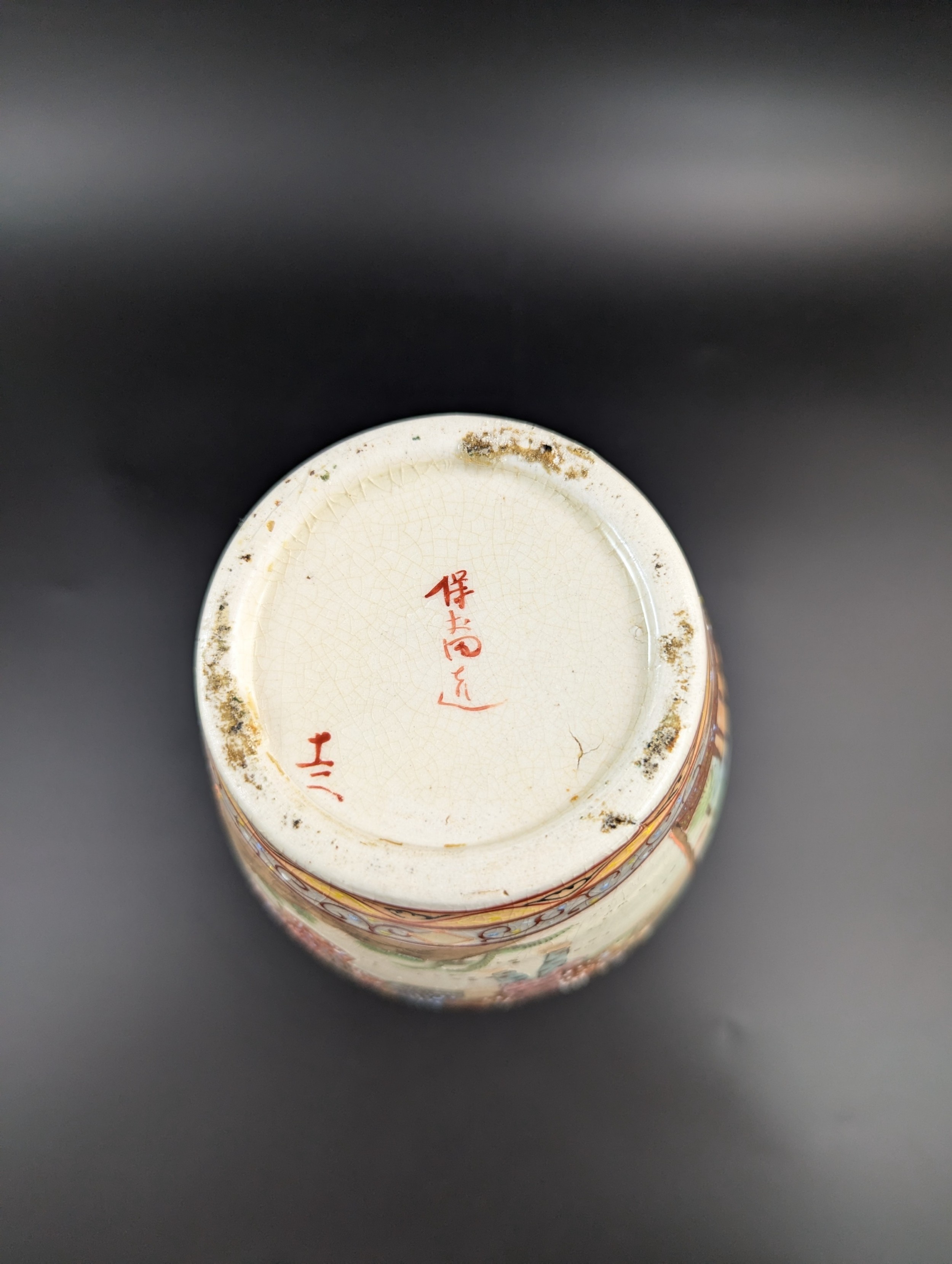
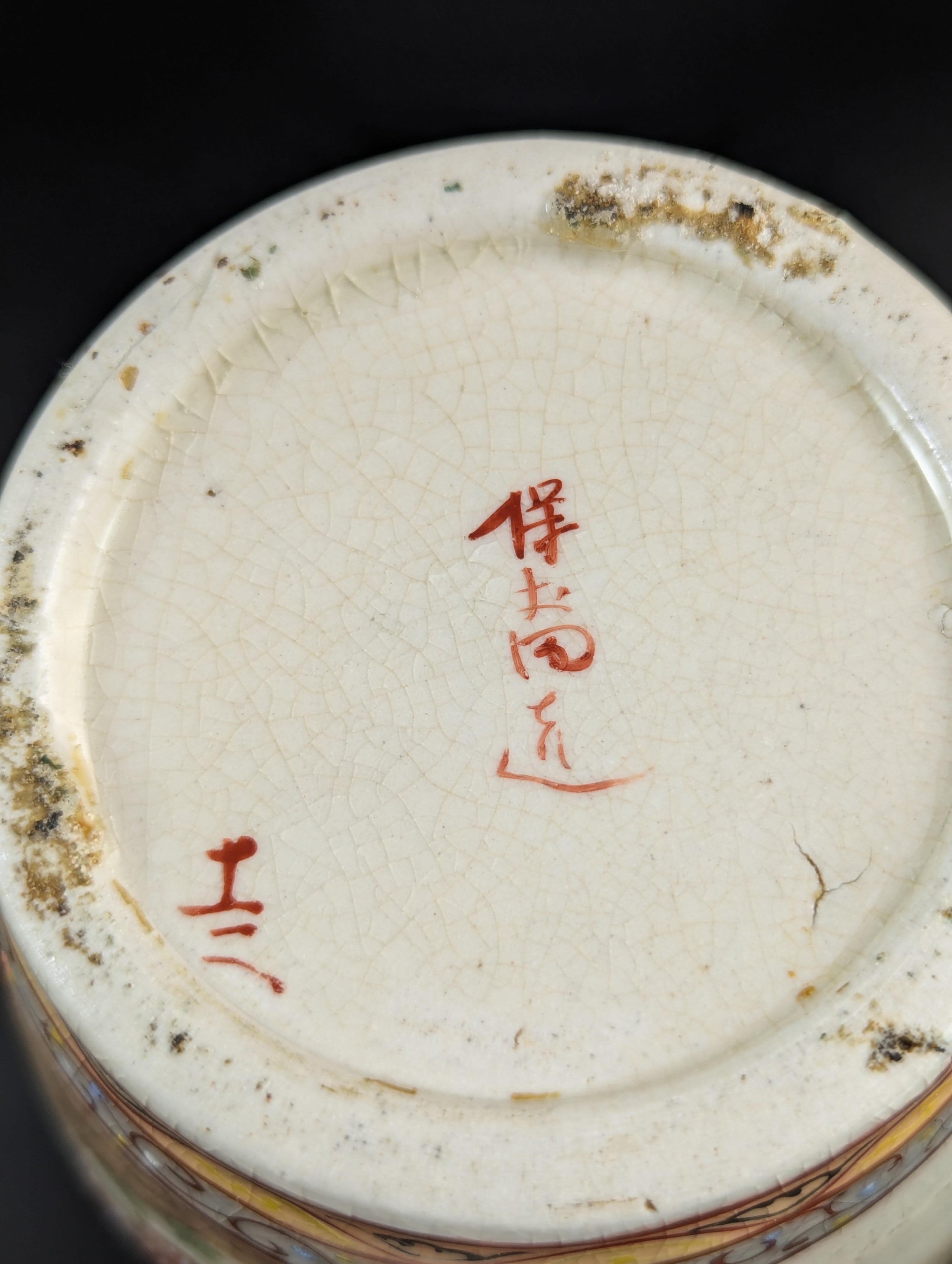
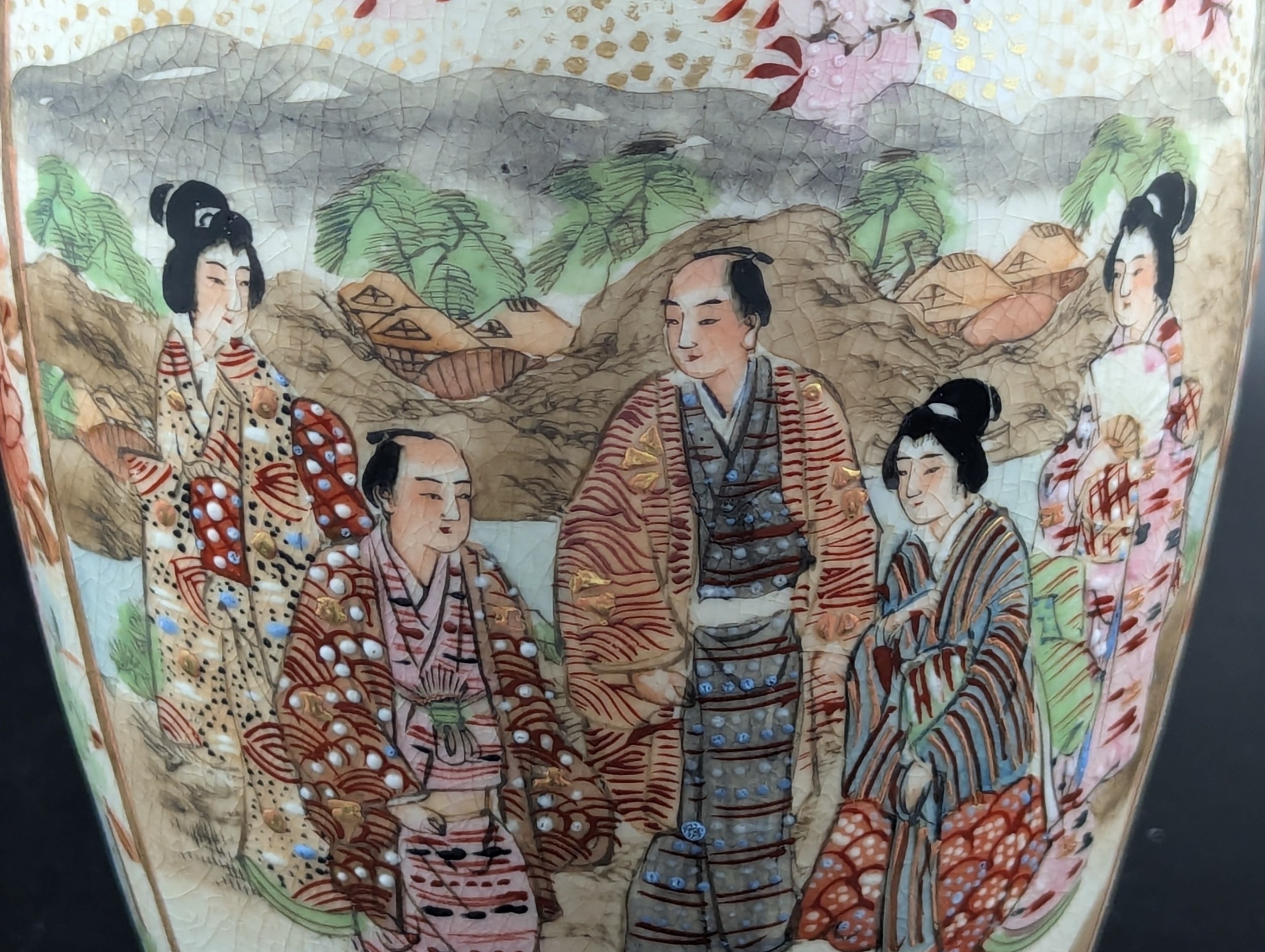
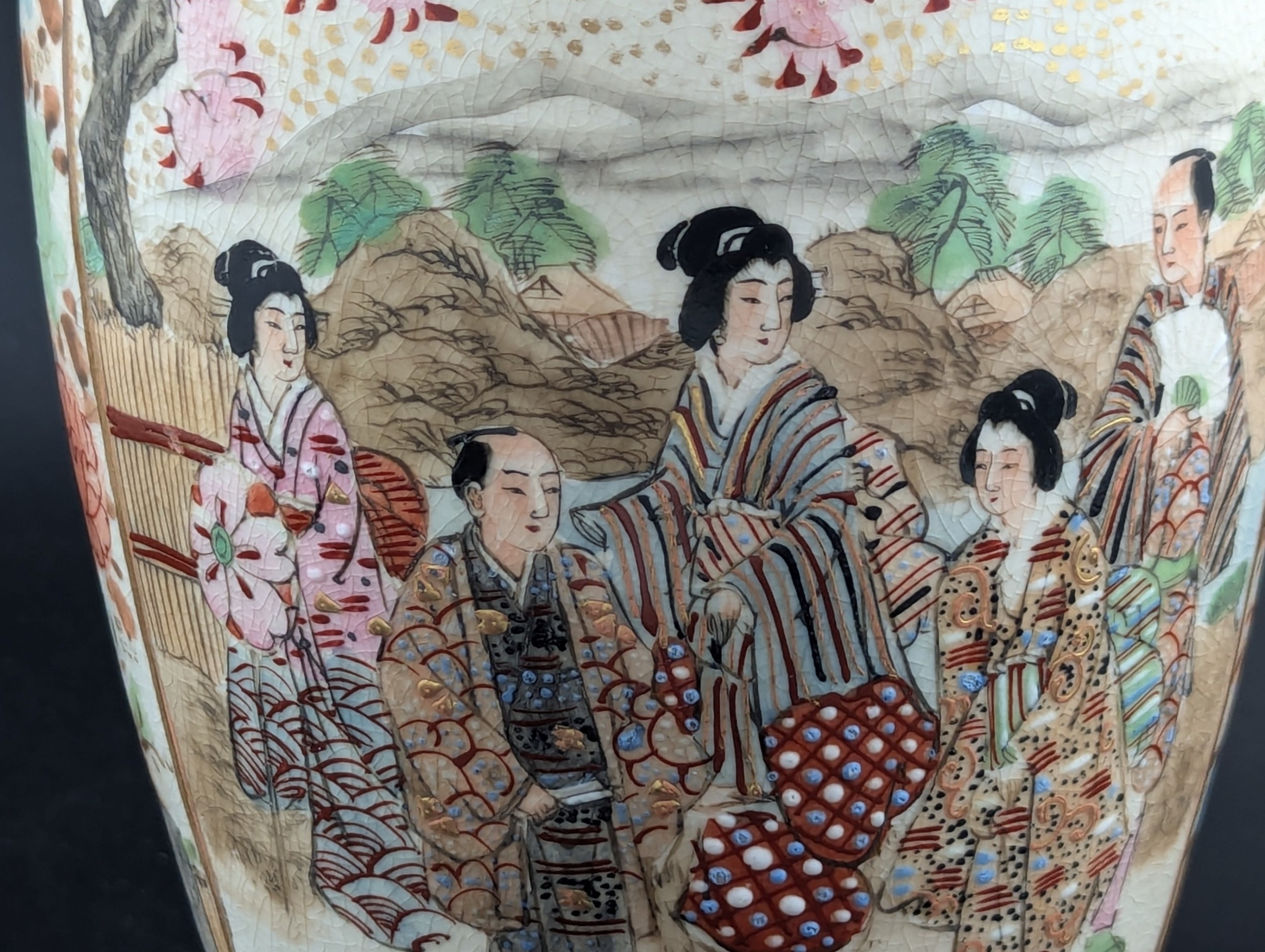
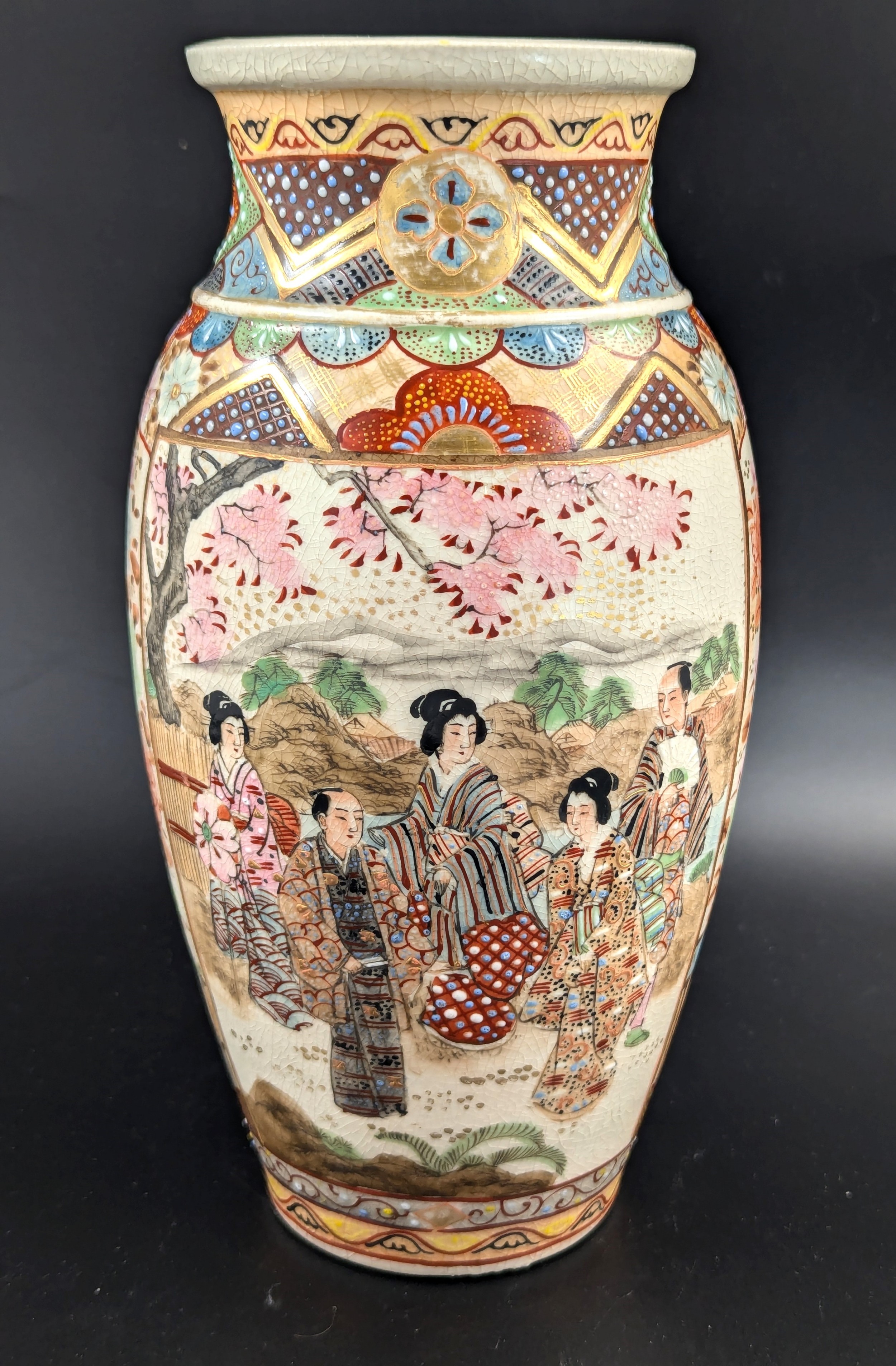
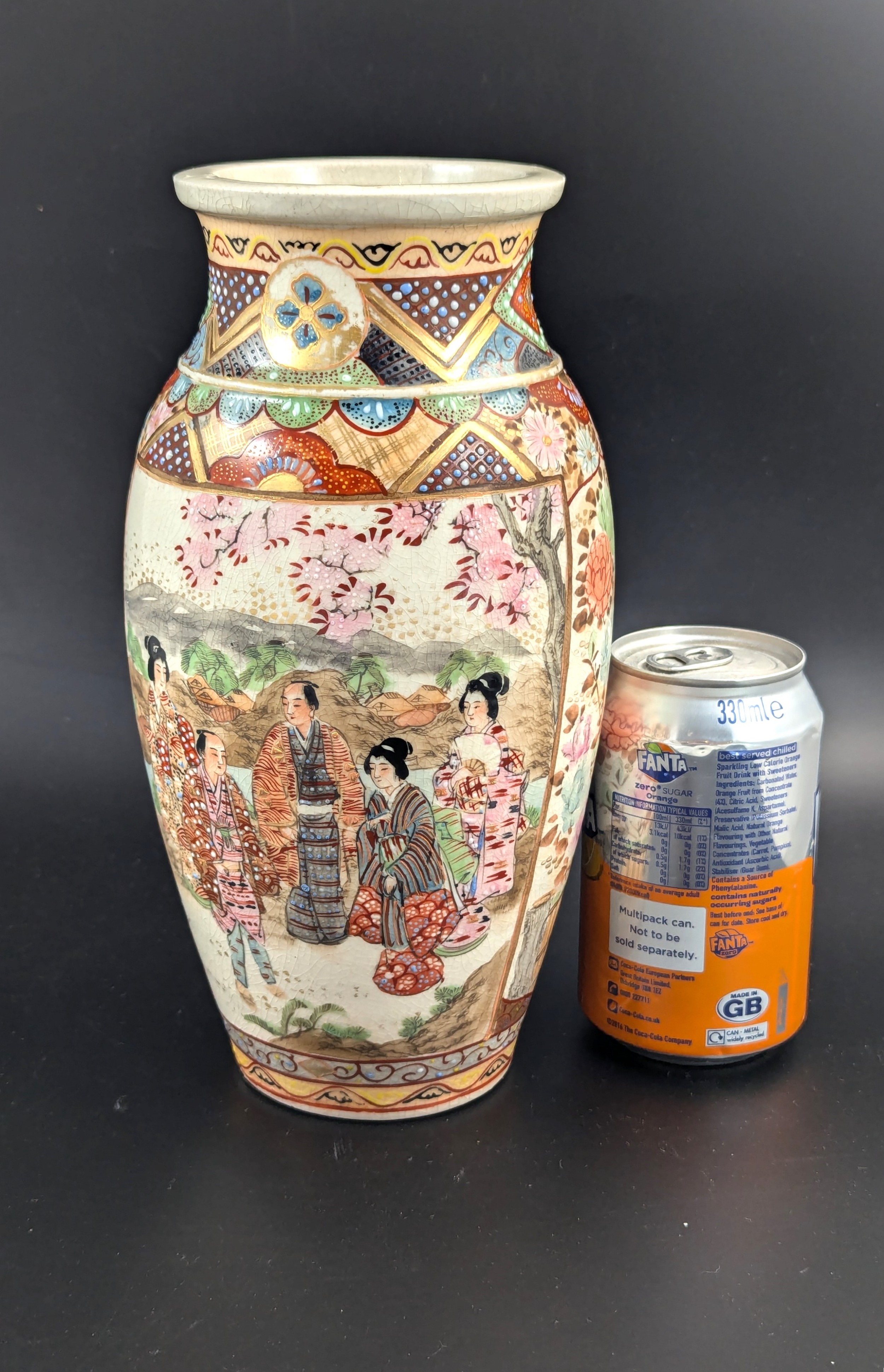
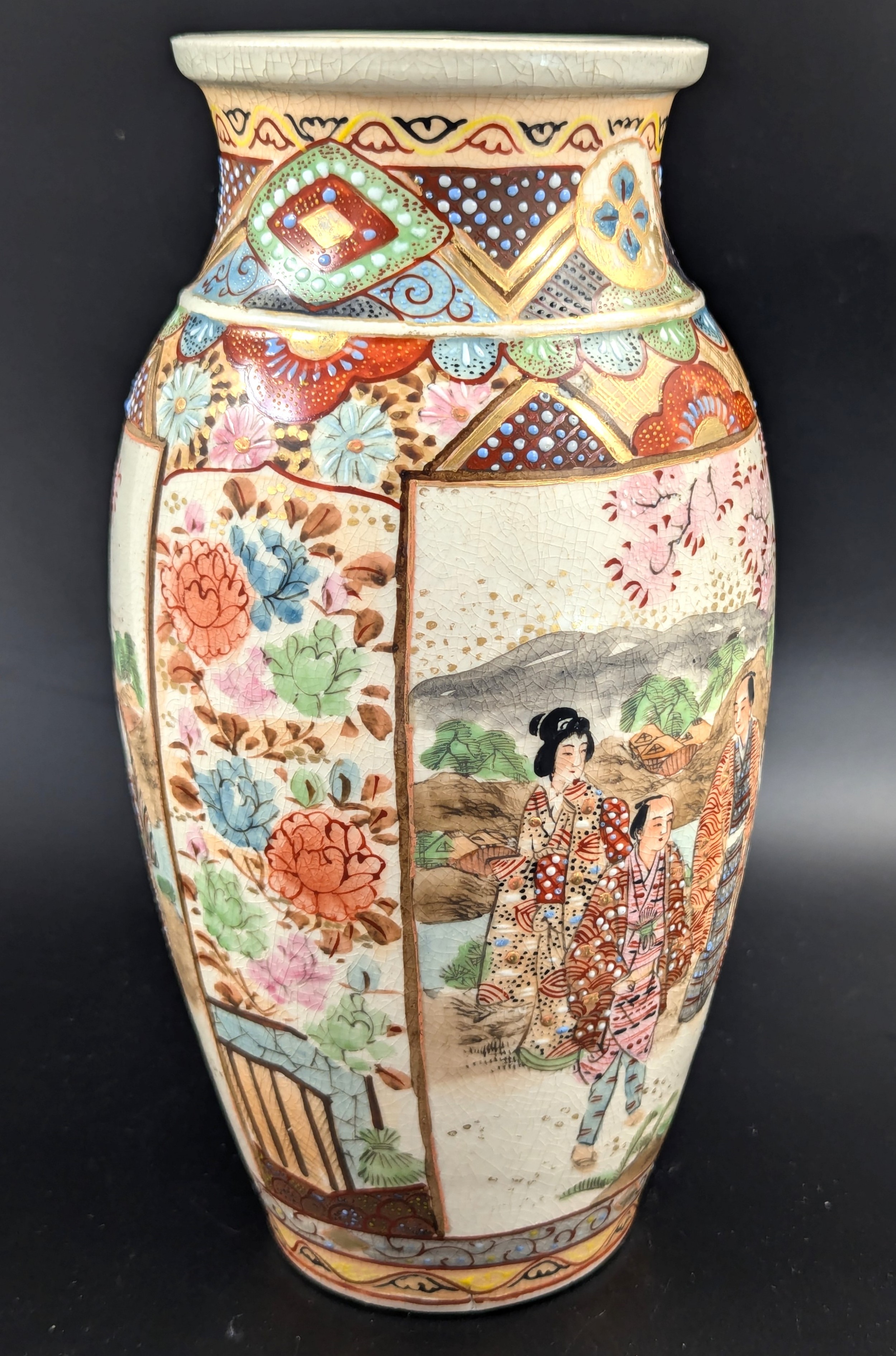
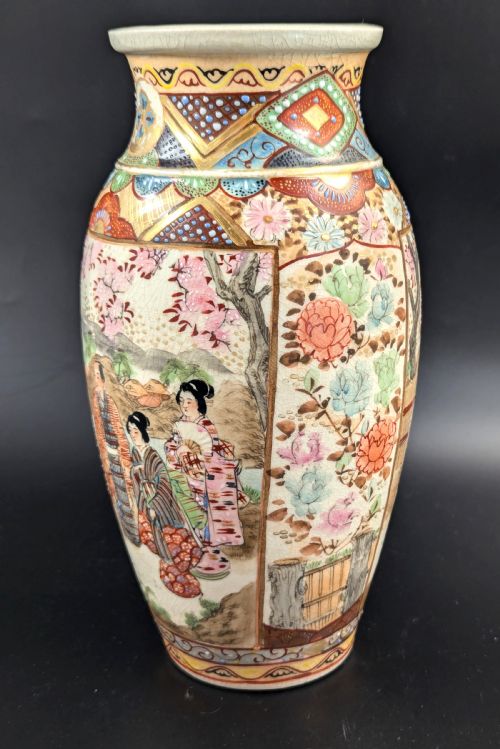
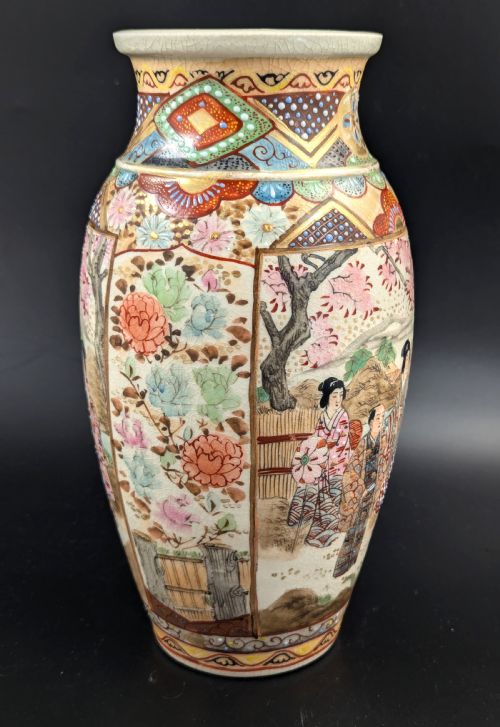
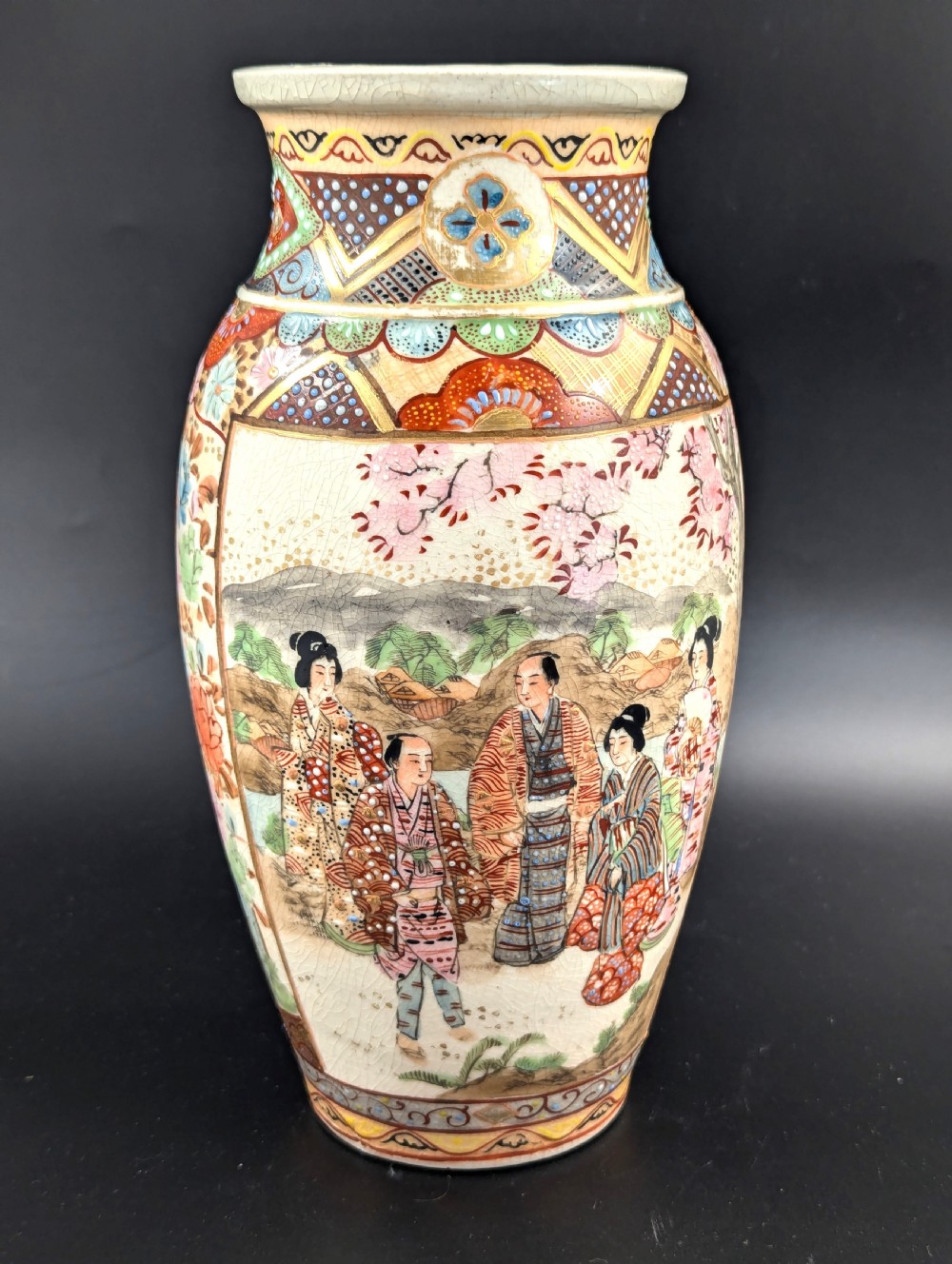
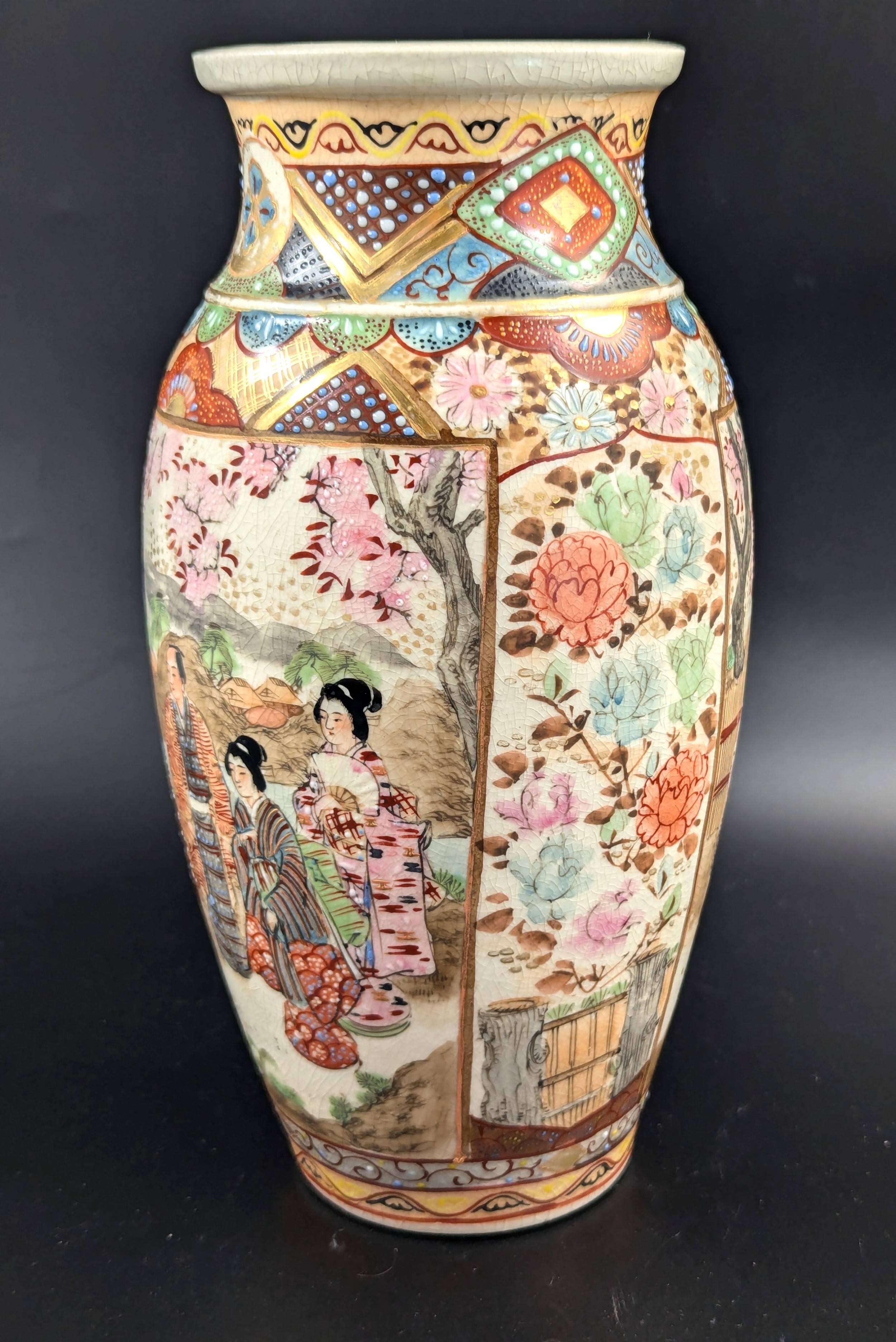
This antique hand-painted earthenware vase, created by Takichi Hotoda in the late 19th century. Experts believes that he was one of the last great masters of Satsuma during the Meiji period. Hotoda ranks among the late Meiji masters of Satsuma decoration, especially when it comes to motifs of religious figures. He also dealt with the marketing of his products. The piece is a remarkable example of the baluster-shaped vessels characteristic of this period. It features figural and blossom decorations, with panels depicting a Japanese family in an outdoor setting. The scene includes traditional houses, mountains, and an iconic element of Japanese culture-cherry blossoms. The remaining surface of the vase is embellished with intricate floral patterns, and the neck bears the Shimazu crest, a stylized cross, indicating its origin from the Satsuma region. This Shimazu Mon, often placed on the underside of Satsuma pieces or incorporated into the design, signifies the patronage of the powerful Shimazu family, who historically ruled the area. The vase is further distinguished by its relief decoration, where raised elements, such as enamel dots, give a textured, three-dimensional effect. This technique adds depth and complexity to the imagery. The vase is signed on the bottom - made by Hotoda, Yokohama export, Satsuma; this further enhancing its collectible value. Practically speaking Hotoda mark usually is associated with some of the best quality wares to bear a Satsuma mark during the Meiji period. Satsuma ware has a long history, dating back to the late 16th century when the first kilns were established in the region. Initially, the pottery was simple and utilitarian, but under the guidance of the Shimazu family, it evolved into a refined art form in the late 17th century. The family encouraged the production of high-quality ceramics as a means of bolstering the local economy. Satsuma potters began experimenting with new designs and techniques, leading to the creation of a wide range of ceramics, from tea bowls and sake cups to more elaborate vases and figurines. During the Meiji period (1868-1912), Satsuma ware gained widespread popularity both in Japan and internationally, thanks to government efforts to promote Japanese goods abroad. The pieces exported during this time were often decorated with lavish gold and silver and featured traditional Japanese motifs, such as cherry blossoms and chrysanthemums. Today, Satsuma ware is still produced in Kagoshima prefecture and other parts of Japan, and it remains highly prized for its intricate designs and rich history, with modern interpretations continuing to incorporate both traditional and contemporary themes.
Dimensions: height 25 cm, diameter at the widest part 13 cm, weight 1486 grams,

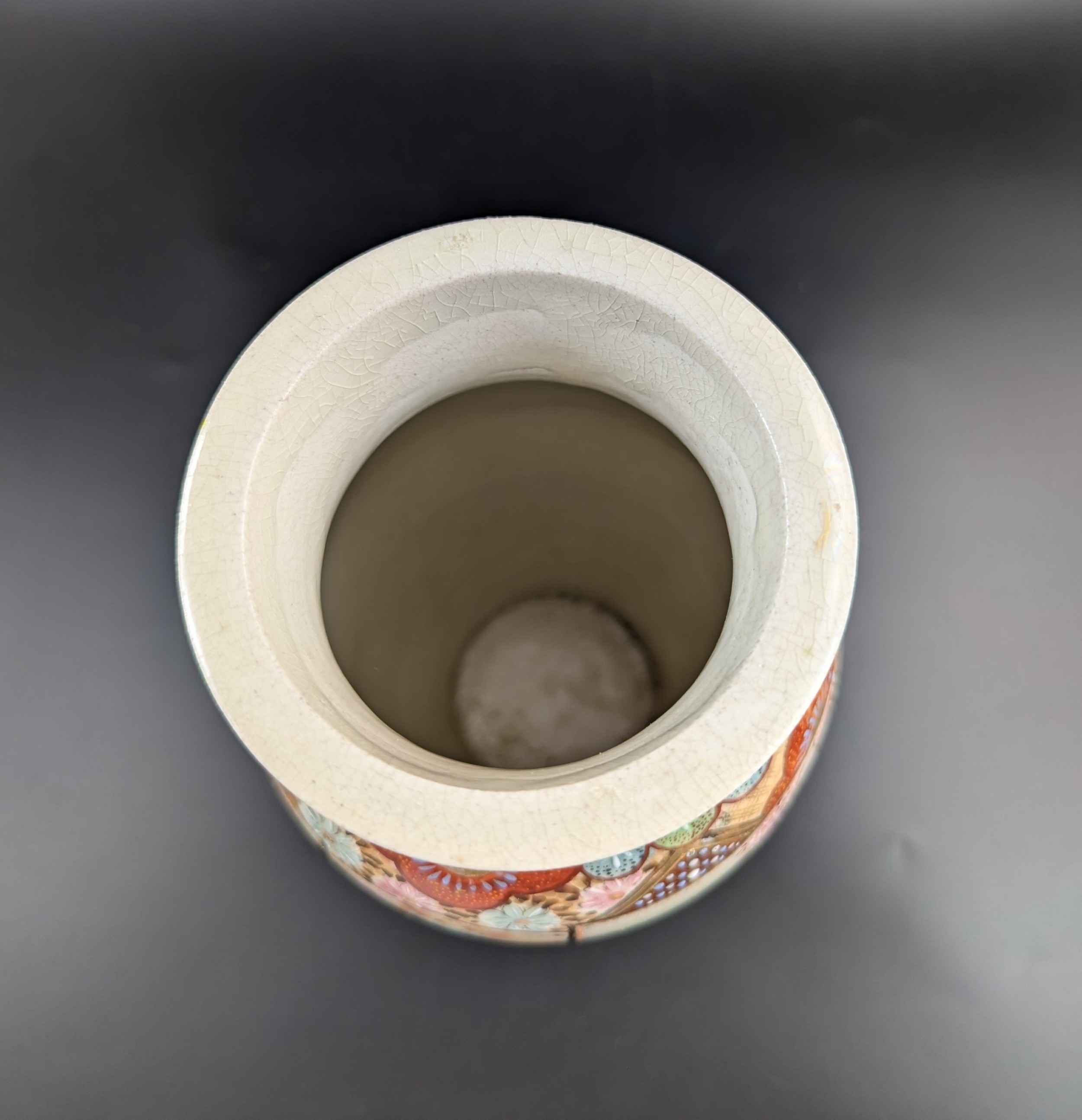
Condition: network on the enamel from age, but it is noticeable only if to look very close, there are scuffs gilding, small crack from firing on the bottom,but in general excellent antique condition.
Please, study the accompanying photographs carefully as they form an integral part of this description. The item will be shipped with full tracking and insurance. It is important to note that shipping costs include labour, packaging and postage.

Declaration

Gillers Antiques Ltd has dated this piece to the 19th Century.

Reference Numbers
Sellingantiques Reference
SA1093388
Description
This antique hand-painted earthenware vase, created by Takichi Hotoda in the late 19th century. Experts believes that he was one of the last great masters of Satsuma during the Meiji period.
Hotoda ranks among the late Meiji masters of Satsuma decoration, especially when it comes to motifs of religious figures.
Gillers Antiques Ltd

He also dealt with the marketing of his products. The piece is a remarkable example of the baluster-shaped vessels characteristic of this period. It features figural and blossom decorations, with panels depicting a Japanese family in an outdoor setting. The scene includes traditional houses, mountains, and an iconic element of Japanese culture-cherry blossoms. The remaining surface of the vase is embellished with intricate floral patterns, and the neck bears the Shimazu crest, a stylized cross, indicating its origin from the Satsuma region. This Shimazu Mon, often placed on the underside of Satsuma pieces or incorporated into the design, signifies the patronage of the powerful Shimazu family, who historically ruled the area. The vase is further distinguished by its relief decoration, where raised elements, such as enamel dots, give a textured, three-dimensional effect. This technique adds depth and complexity to the imagery. The vase is signed on the bottom - made by Hotoda, Yokohama export, Satsuma; this further enhancing its collectible value. Practically speaking Hotoda mark usually is associated with some of the best quality wares to bear a Satsuma mark during the Meiji period. Satsuma ware has a long history, dating back to the late 16th century when the first kilns were established in the region. Initially, the pottery was simple and utilitarian, but under the guidance of the Shimazu family, it evolved into a refined art form in the late 17th century. The family encouraged the production of high-quality ceramics as a means of bolstering the local economy. Satsuma potters began experimenting with new designs and techniques, leading to the creation of a wide range of ceramics, from tea bowls and sake cups to more elaborate vases and figurines. During the Meiji period (1868-1912), Satsuma ware gained widespread popularity both in Japan and internationally, thanks to government efforts to promote Japanese goods abroad. The pieces exported during this time were often decorated with lavish gold and silver and featured traditional Japanese motifs, such as cherry blossoms and chrysanthemums. Today, Satsuma ware is still produced in Kagoshima prefecture and other parts of Japan, and it remains highly prized for its intricate designs and rich history, with modern interpretations continuing to incorporate both traditional and contemporary themes.

fig 1. Antique  Vase by Hotoda, Satsuma, Meiji period (1868-1912)
fig 1. Antique Vase by Hotoda, Satsuma, Meiji Period (1868-1912)

Dimensions: height 25 cm, diameter at the widest part 13 cm, weight 1486 grams,

Condition: network on the enamel from age, but it is noticeable only if to look very close, there are scuffs gilding, small crack from firing on the bottom,but in general excellent antique condition.

fig 2. Antique  Vase by Hotoda, Satsuma, Meiji period (1868-1912)
fig 2. Antique Vase by Hotoda, Satsuma, Meiji Period (1868-1912)

Please, study the accompanying photographs carefully as they form an integral part of this description. The item will be shipped with full tracking and insurance. It is important to note that shipping costs include labour, packaging and postage.

Date of Manufacture

Gillers Antiques Ltd has dated this piece to the 19th Century.

Reference Numbers
Sellingantiques Ref
SA1093388
Gillers Antiques Ltd
Sellingantiques verified Since Mar 2023
Dealer Profile

You can view the stock and full dealer information on the Gillers Antiques Ltd Profile Page
PDF SHARE
SAVE
Antique  Vase by Hotoda, Satsuma, Meiji period (1868-1912)
1 / 11
Archive I Antique  Vase by Hotoda, Satsuma, Meiji period (1868-1912)

Antique Vase by Hotoda, Satsuma, Meiji Period (1868-1912)
Archive II Antique  Vase by Hotoda, Satsuma, Meiji period (1868-1912) View II
Archive III Antique  Vase by Hotoda, Satsuma, Meiji period (1868-1912) View III
Archive IV Antique  Vase by Hotoda, Satsuma, Meiji period (1868-1912) View IV
Archive V Antique  Vase by Hotoda, Satsuma, Meiji period (1868-1912) View V
Archive VI Antique  Vase by Hotoda, Satsuma, Meiji period (1868-1912) View VI
Archive VII Antique  Vase by Hotoda, Satsuma, Meiji period (1868-1912) View VII
Archive VIII Antique  Vase by Hotoda, Satsuma, Meiji period (1868-1912) View VIII
Archive IX Antique  Vase by Hotoda, Satsuma, Meiji period (1868-1912) View IX
Archive X Antique  Vase by Hotoda, Satsuma, Meiji period (1868-1912) View X
Archive XI Antique  Vase by Hotoda, Satsuma, Meiji period (1868-1912) View XI
Enlarged Archival View
Telephone 07738 009924
Location
Buckland House
Buntingford
Hertfordshire
SG9 0PY
United Kingdom
Verified Since Mar 2023
Items For Sale 401
Items Sold 564
Gillers Antiques Ltd
Verified Since Mar 2023
View Dealer Info
Location: Buckland House, Buntingford, Hertfordshire, SG9 0PY, United Kingdom
Verified
Mar 2023
For Sale
401
Sold
564
Antique  Vase by Hotoda, Satsuma, Meiji period (1868-1912)
Antique Vase by Hotoda, Satsuma, Meiji period (1868-1912)
Ref: SA1093388
Antique  Vase by Hotoda, Satsuma, Meiji period (1868-1912)
Detail View 1
Detail View 2
Detail View 3
Detail View 4
Detail View 5
Detail View 6
Detail View 7
Detail View 8
Detail View 9
Detail View 10
Archival Detail
Every single antique dealer on our platform is individually approved by our internal team. We verify their professional trade history, ethical standards, and photographic quality to ensure a secure, high-standard buying environment. Upon joining, every dealer agrees to a strict 9-point code of conduct. While issues can occasionally arise, our dealers typically resolve them swiftly and directly with the buyer. In fact, since our founding in 2002, Sellingantiques has only had to step in to help resolve an issue on roughly five occasions—a true testament to the quality of our dealers and their dedication to your happiness.
Our dealers are highly experienced in packing and shipping fragile, high-value antiques. Because you are in direct contact with the dealer, you will be able to easily go through all available shipping and insurance options together to ensure your item arrives safely.
Antiques are the ultimate green purchase. By choosing historical pieces over newly manufactured goods, you completely eliminate the carbon footprint of modern mass production while preserving exceptional, timeless craftsmanship.
items
Add keywords to the filter
Price
£100
£250000
Era
Movements
Material
Origin
Stock Location
Freshness
Online Payments
Categories