44,678  PAGES BROWSED TODAY PAGES TODAY 185  ANTIQUES UPLOADED TODAY NEW ARRIVALS
ID #SA1022865
FOR SALE
£500
Email
Save
Old Derby Kakiemon Style Shell Plate with "Two Quails" Pattern, C.1820.
Gillers Antiques Ltd
for sale €585     $635
£500
Gillers Antiques Ltd

Gillers Antiques Ltd

Sellingantiques Verified Since Mar 2023
View Dealers Stock Page
Id #SA1022865
PDF SHARE
SAVE

Old Derby Kakiemon Style Shell Plate with "Two Quails" Pattern, C.1820.

19th century
Description

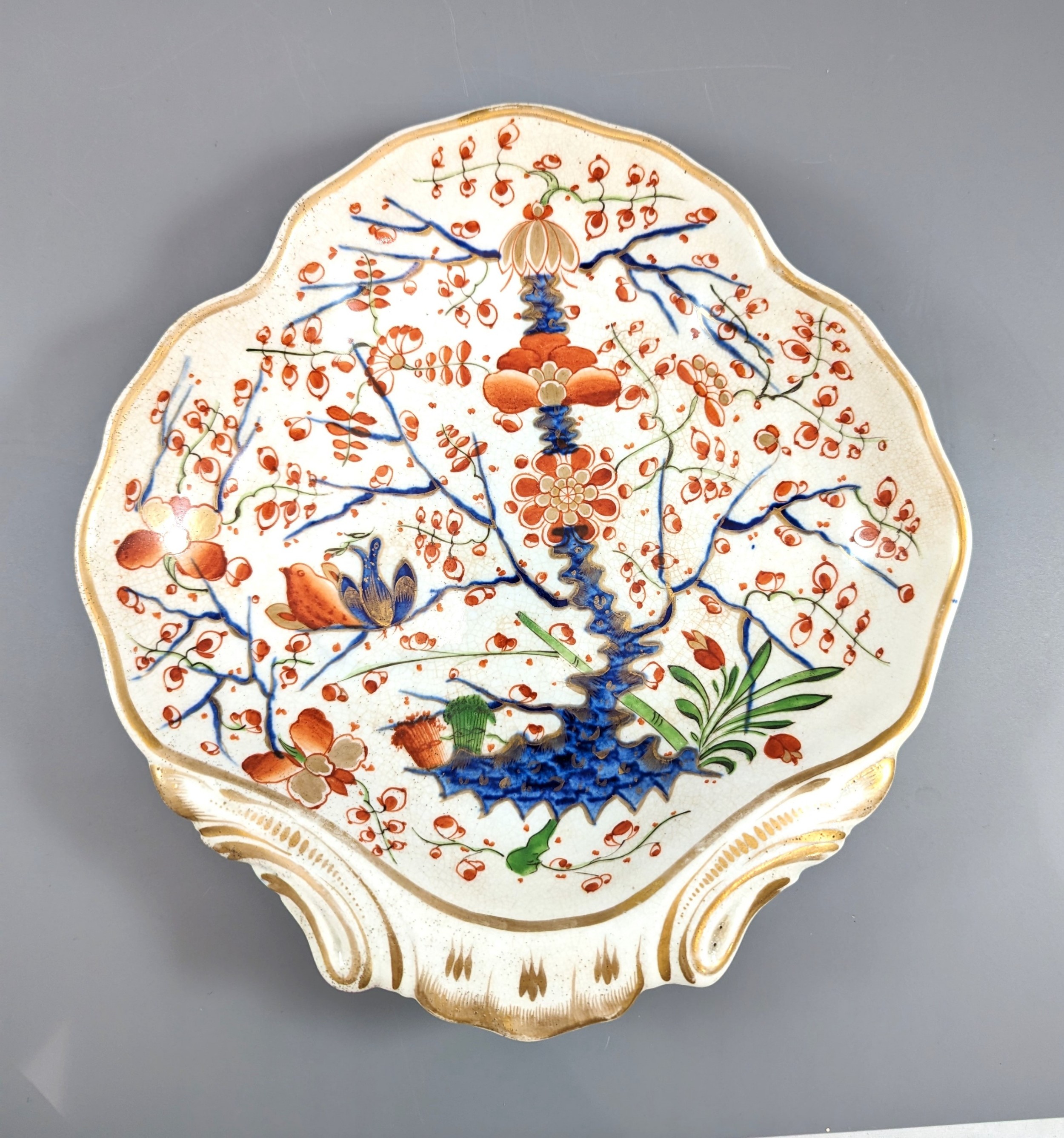
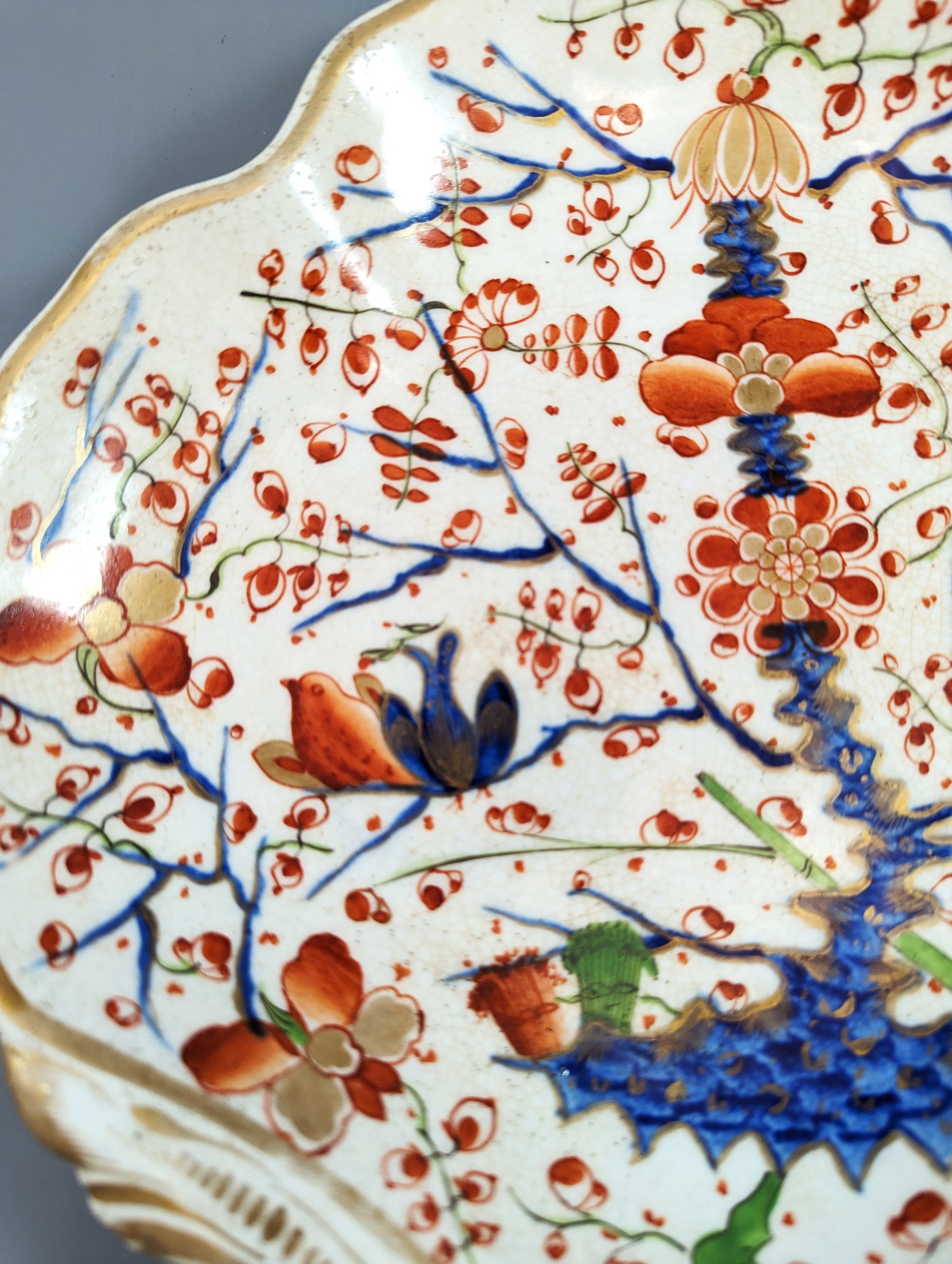
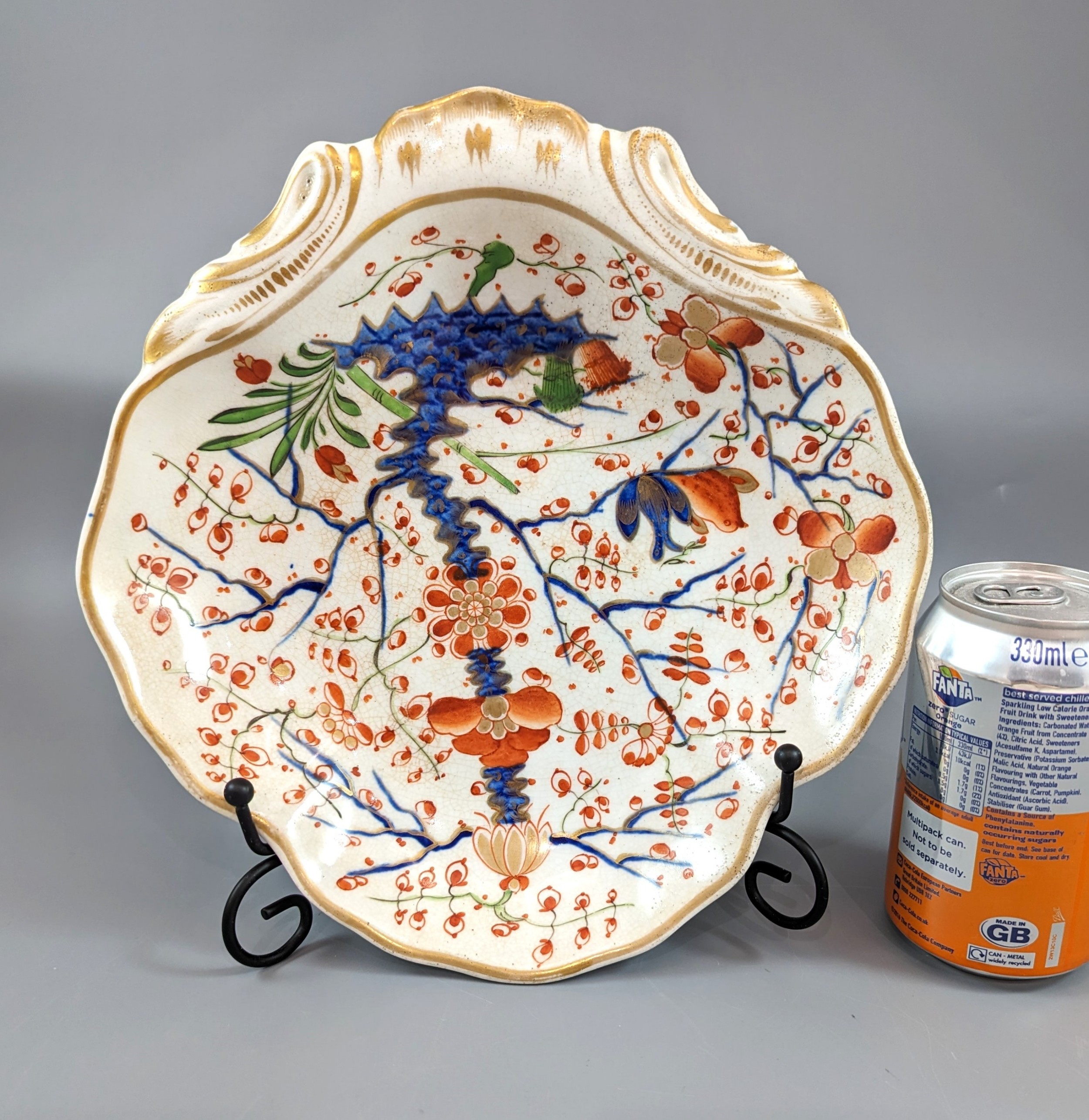
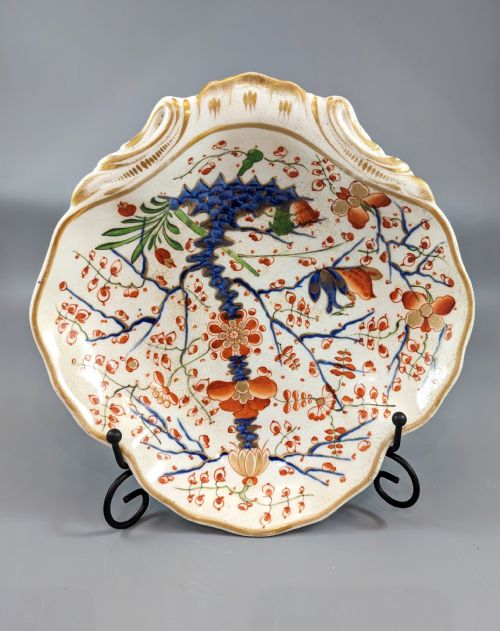
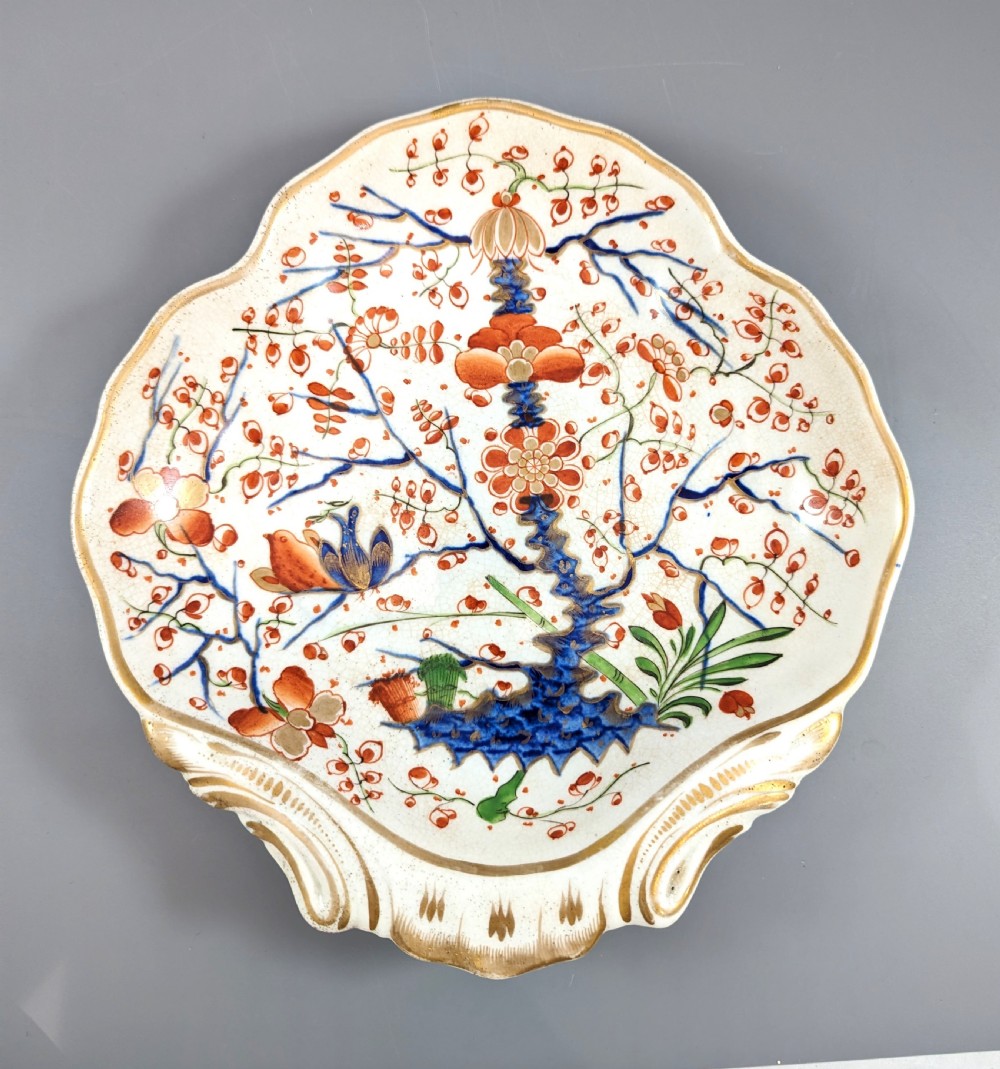
This is a shell-shaped and kakiemon style plate , with a charming "Two Quails" pattern, dating from circa 1820.

Kakiemon is a genre of Japanese porcelain characterized by an overglaze, often referred to as "enamel" finish. Originating in the mid-17th century Edo period, it was primarily produced in factories surrounding the town of Arita in the Hizen province of Japan, now known as Saga Prefecture. The potter Sakaida Kakiemon, active in the mid-seventeenth century, was among the first in Japan to unlock the secret of decorating porcelain with enamel, a technique known as akae.
Towards the late seventeenth century, Kakiemon porcelain began to be exported from Japan to Europe via the Dutch East India Company. Its interaction with European cultural tastes led to the style being emulated by Meissen, followed by Chelsea, Worcester, and Derby in the early eighteenth century.
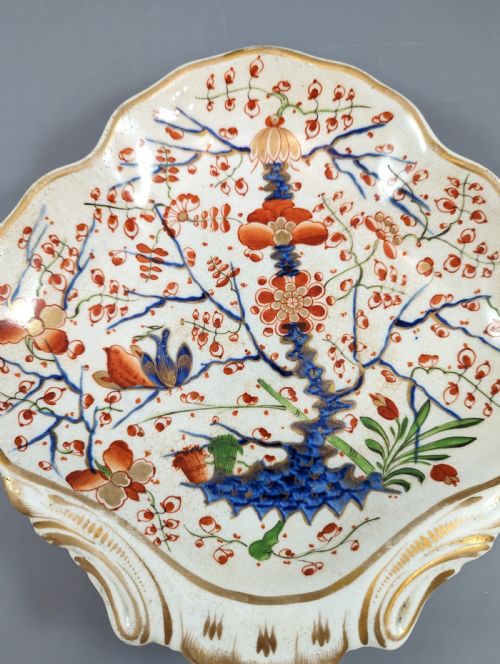
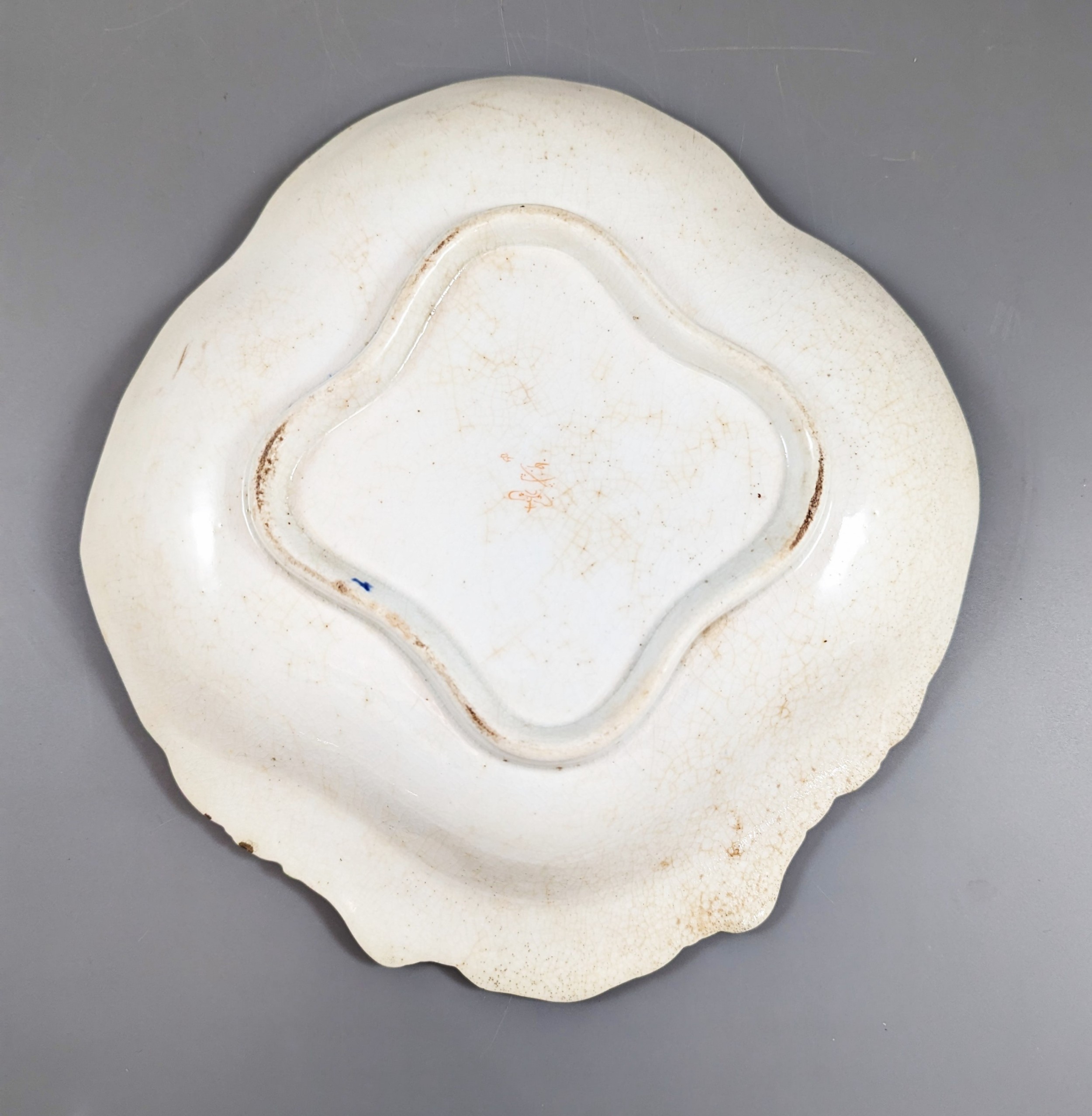
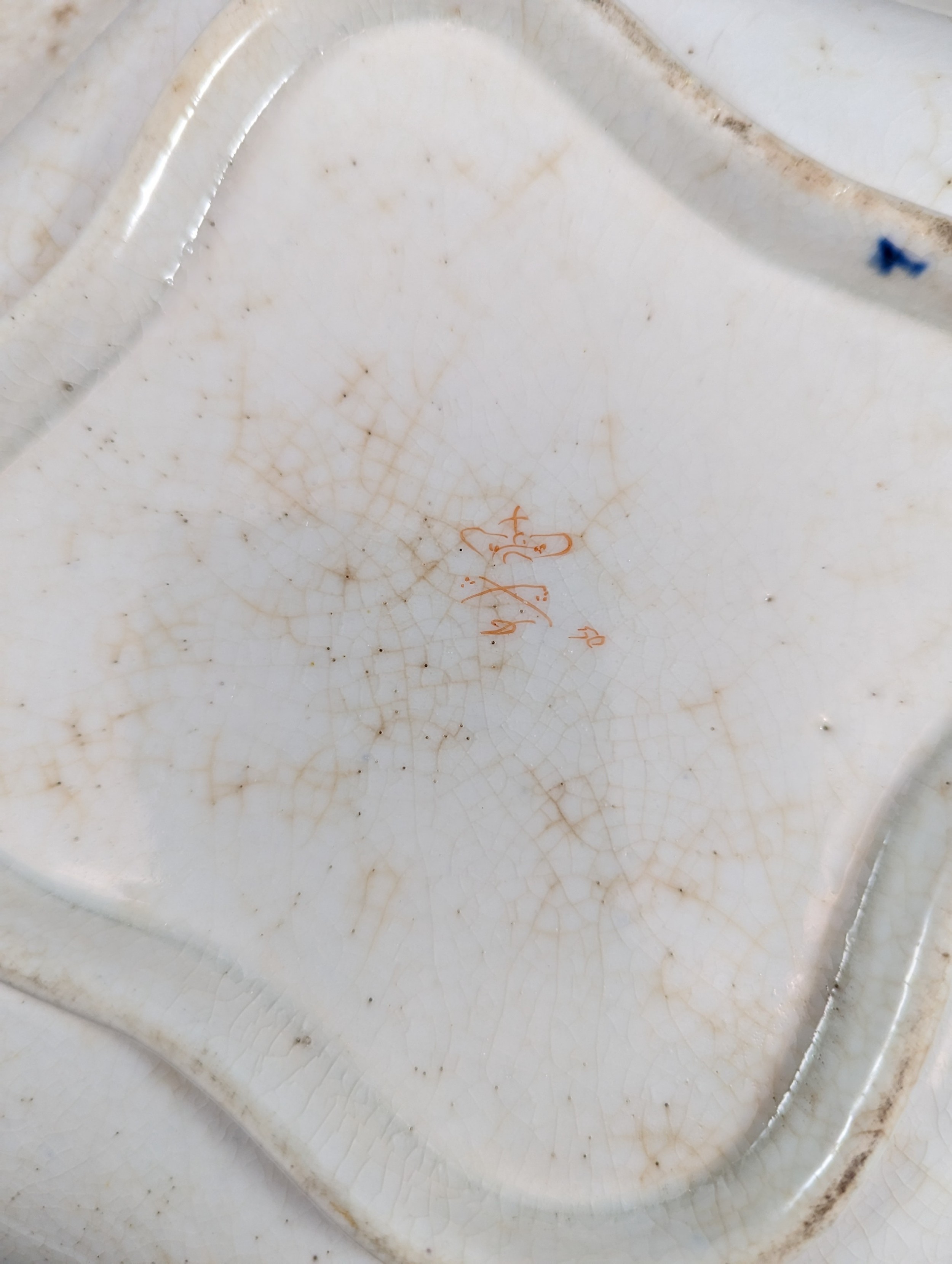
The plate features the Derby mark, which includes a crown and the letter D. This trademark was in use from 1784 to 1825. However, the marking started to become less precise after 1820, indicating the manufacturing period to be between 1820 and 1825.
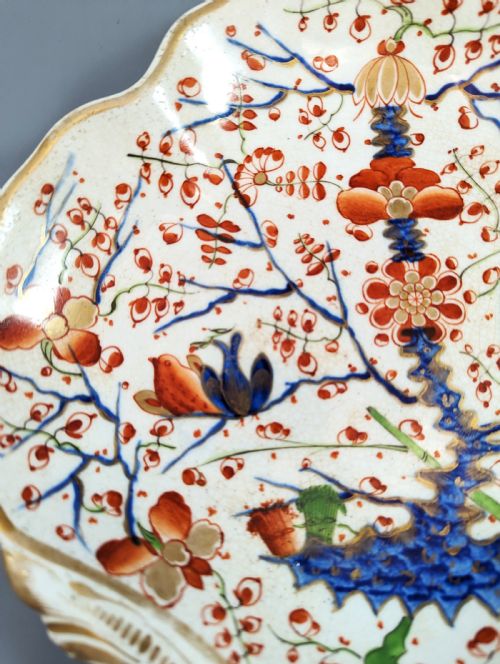
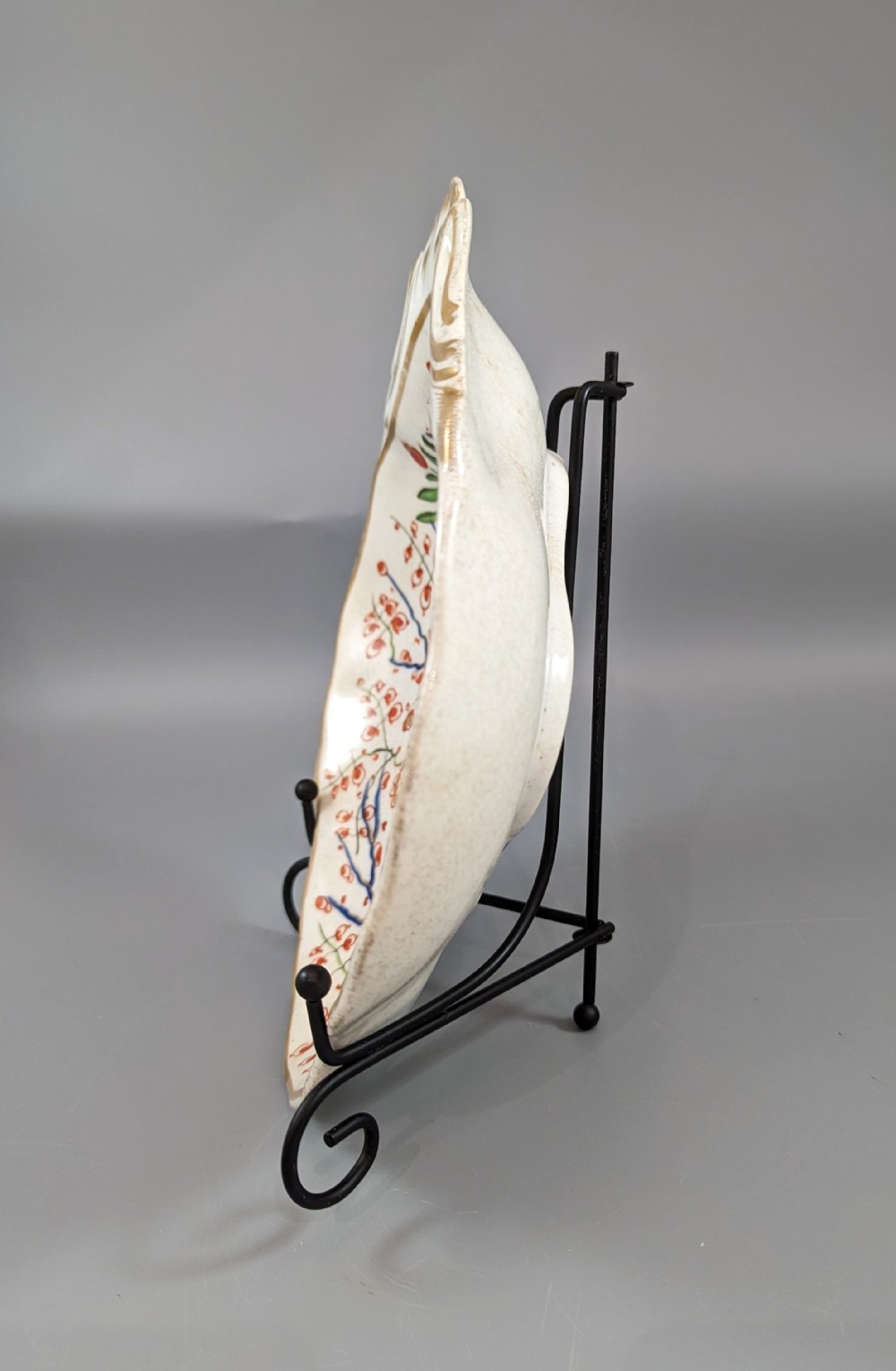
The dimensions of the plate are 255mm X240mm.

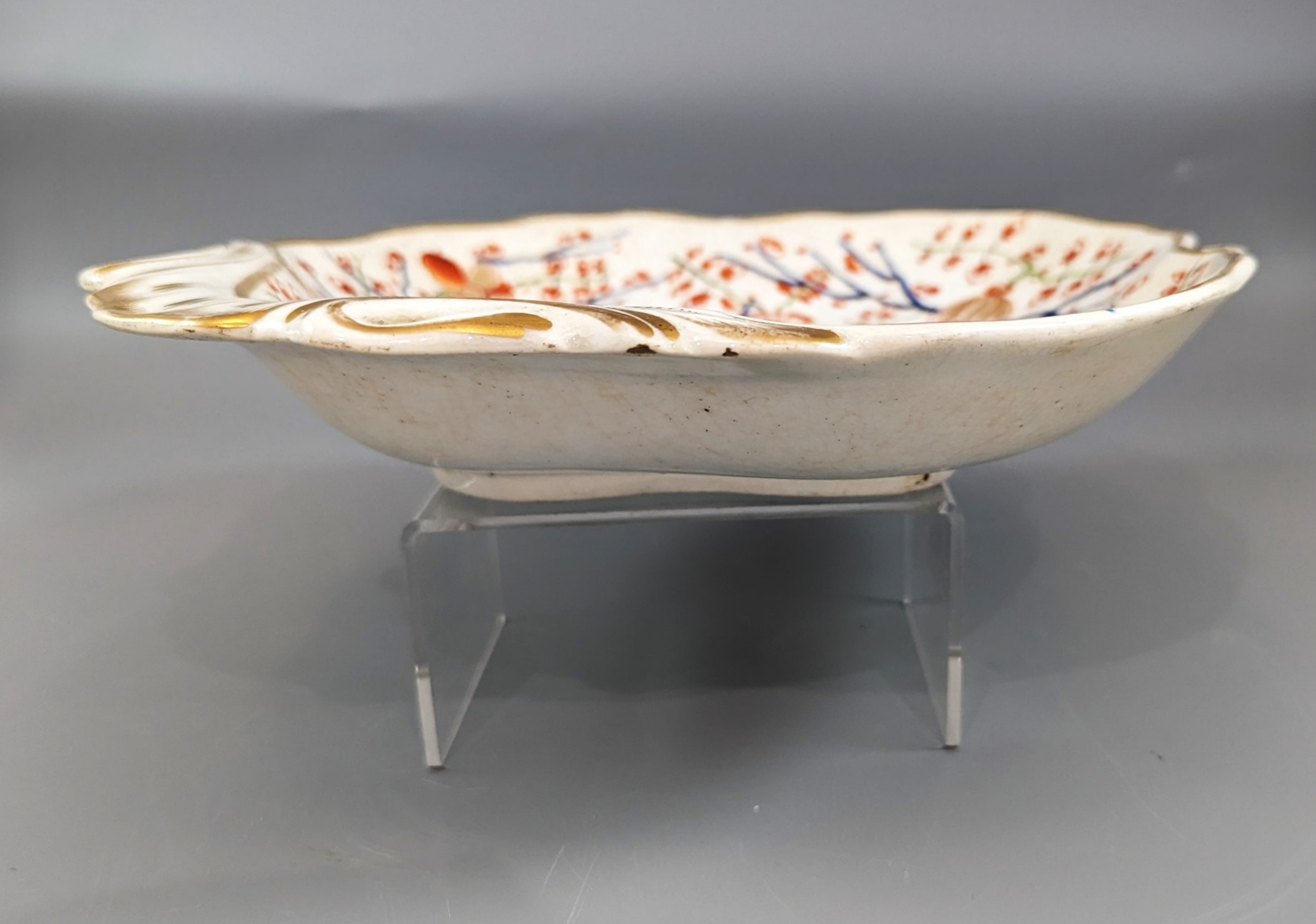
The height is 45mm

Weight 600 grams

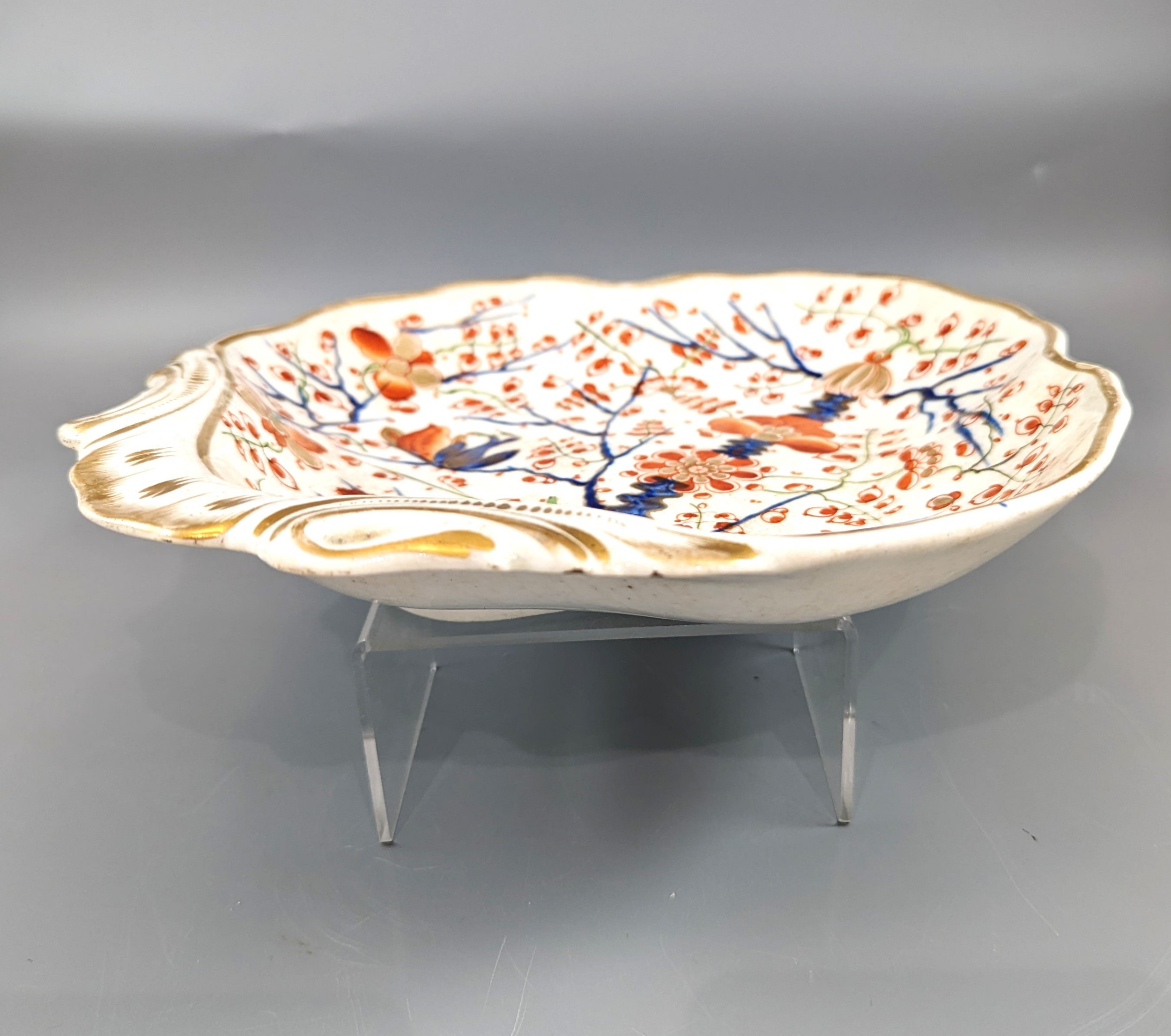
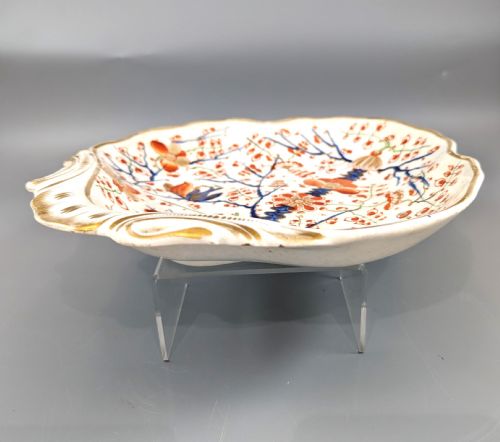
The plate is quite deep - apparently it was used as a dessert plate.

The shape of the plate is very unusual, making it very attractive to collectors.
Condition

There are two small chips to the enamel on the reverse - hardly noticeable

A spider web of cracks on the enamel on the reverse side - apparently a consequence of the two hundred years of age of the plate.

Otherwise the plate looks great, almost imperceptible loss of paint and gilding.

Please carefully regard all photos.

Declaration

Gillers Antiques Ltd has dated this Derby Porcelain Shell Dish to the 19th Century.

Reference Numbers
Sellingantiques Reference
SA1022865
Description
This is a shell-shaped and kakiemon style plate , with a charming "Two Quails" pattern, dating from circa 1820.
Kakiemon is a genre of Japanese porcelain characterized by an overglaze, often referred to as "enamel" finish.
Gillers Antiques Ltd

Originating in the mid-17th century Edo period, it was primarily produced in factories surrounding the town of Arita in the Hizen province of Japan, now known as Saga Prefecture. The potter Sakaida Kakiemon, active in the mid-seventeenth century, was among the first in Japan to unlock the secret of decorating porcelain with enamel, a technique known as akae.

fig 1. An antique shell-shaped porcelain plate featuring hand-painted Kakiemon-style motifs of two quails beneath flowering branches with gilt highlights.
fig 1. Old Derby Kakiemon Style Shell Plate with "Two Quails" Pattern, C.1820.

Towards the late seventeenth century, Kakiemon porcelain began to be exported from Japan to Europe via the Dutch East India Company. Its interaction with European cultural tastes led to the style being emulated by Meissen, followed by Chelsea, Worcester, and Derby in the early eighteenth century.

fig 2. An antique shell-shaped porcelain plate featuring hand-painted Kakiemon-style motifs of two quails beneath flowering branches with gilt highlights.
fig 2. Old Derby Kakiemon Style Shell Plate with "Two Quails" Pattern, C.1820.

The plate features the Derby mark, which includes a crown and the letter D. This trademark was in use from 1784 to 1825. However, the marking started to become less precise after 1820, indicating the manufacturing period to be between 1820 and 1825.

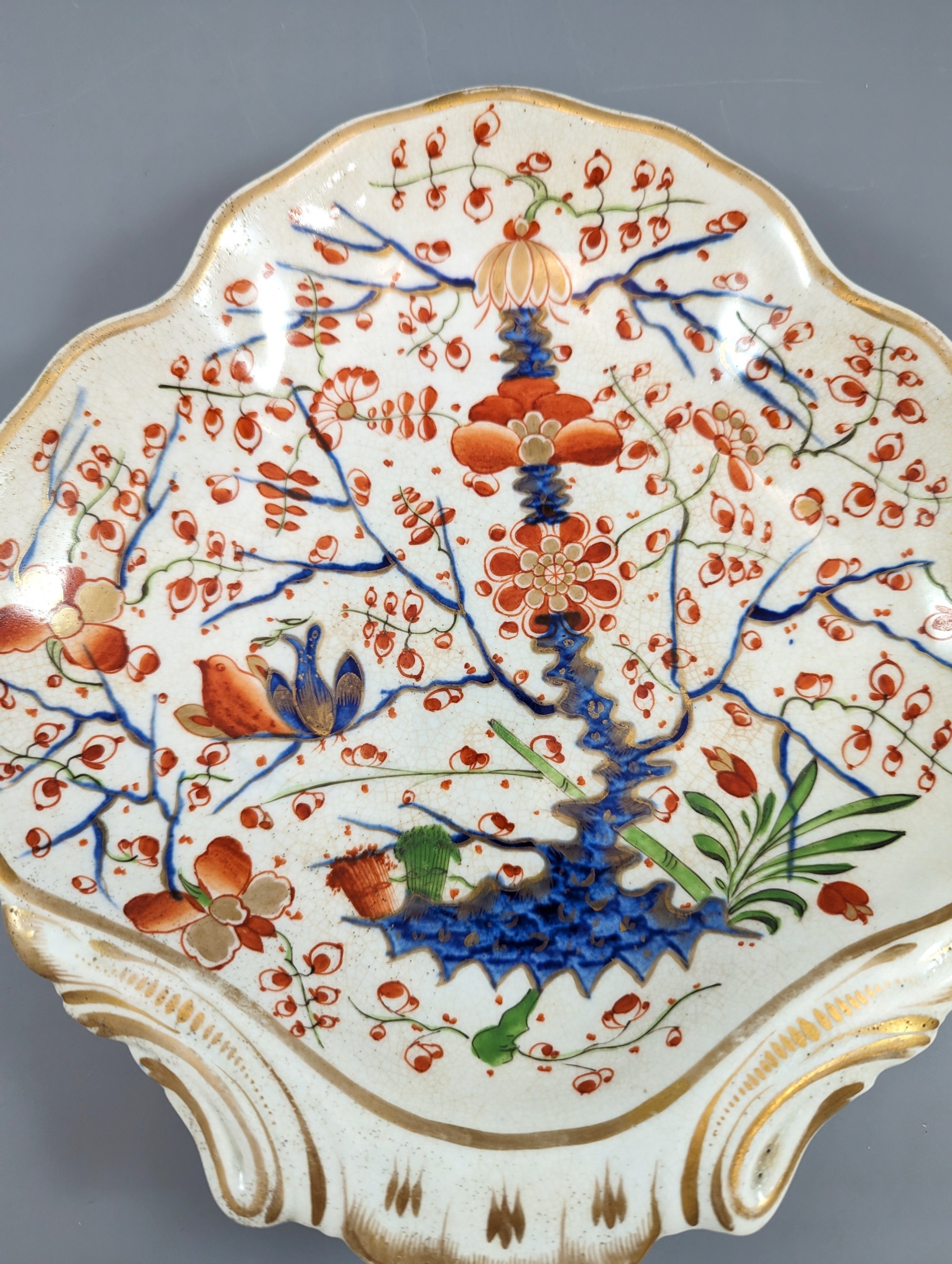
fig 3. An antique shell-shaped porcelain plate featuring hand-painted Kakiemon-style motifs of two quails beneath flowering branches with gilt highlights.
fig 3. Old Derby Kakiemon Style Shell Plate with "Two Quails" Pattern, C.1820.

The dimensions of the plate are 255mm X240mm.

The height is 45mm

Weight 600 grams

The plate is quite deep - apparently it was used as a dessert plate.

The shape of the plate is very unusual, making it very attractive to collectors.

fig 4. An antique shell-shaped porcelain plate featuring hand-painted Kakiemon-style motifs of two quails beneath flowering branches with gilt highlights.
fig 4. Old Derby Kakiemon Style Shell Plate with "Two Quails" Pattern, C.1820.

Condition

There are two small chips to the enamel on the reverse - hardly noticeable

A spider web of cracks on the enamel on the reverse side - apparently a consequence of the two hundred years of age of the plate.

Otherwise the plate looks great, almost imperceptible loss of paint and gilding.

Please carefully regard all photos.

Date of Manufacture

Gillers Antiques Ltd has dated this Derby Porcelain Shell Dish to the 19th Century.

Reference Numbers
Sellingantiques Ref
SA1022865
Gillers Antiques Ltd
Sellingantiques verified Since Mar 2023
Dealer Profile

You can view the stock and full dealer information on the Gillers Antiques Ltd Profile Page
PDF SHARE
SAVE
An antique shell-shaped porcelain plate featuring hand-painted Kakiemon-style motifs of two quails beneath flowering branches with gilt highlights.
1 / 10
Archive I An antique shell-shaped porcelain plate featuring hand-painted Kakiemon-style motifs of two quails beneath flowering branches with gilt highlights.

Old Derby Kakiemon style shell plate with "Two Quails" pattern, c.1820.
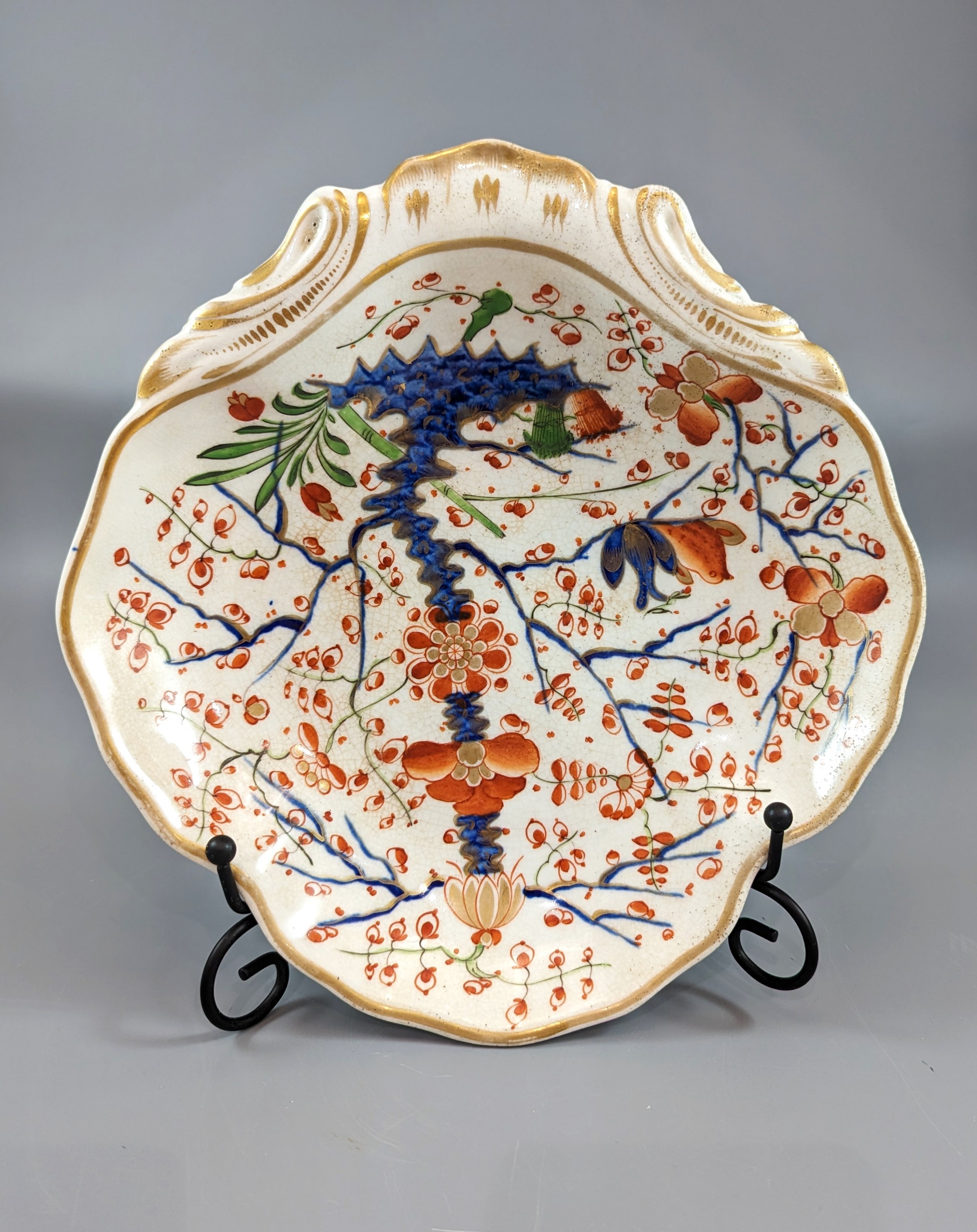
Archive II An antique shell-shaped porcelain plate featuring hand-painted Kakiemon-style motifs of two quails beneath flowering branches with gilt highlights. View II
Archive III An antique shell-shaped porcelain plate featuring hand-painted Kakiemon-style motifs of two quails beneath flowering branches with gilt highlights. View III
Archive IV An antique shell-shaped porcelain plate featuring hand-painted Kakiemon-style motifs of two quails beneath flowering branches with gilt highlights. View IV
Archive V An antique shell-shaped porcelain plate featuring hand-painted Kakiemon-style motifs of two quails beneath flowering branches with gilt highlights. View V
Archive VI An antique shell-shaped porcelain plate featuring hand-painted Kakiemon-style motifs of two quails beneath flowering branches with gilt highlights. View VI
Archive VII An antique shell-shaped porcelain plate featuring hand-painted Kakiemon-style motifs of two quails beneath flowering branches with gilt highlights. View VII
Archive VIII An antique shell-shaped porcelain plate featuring hand-painted Kakiemon-style motifs of two quails beneath flowering branches with gilt highlights. View VIII
Archive IX An antique shell-shaped porcelain plate featuring hand-painted Kakiemon-style motifs of two quails beneath flowering branches with gilt highlights. View IX
Archive X An antique shell-shaped porcelain plate featuring hand-painted Kakiemon-style motifs of two quails beneath flowering branches with gilt highlights. View X
FURTHER BROWSING

Visitors also looked at these ⇣

Enlarged Archival View
Telephone 07738 009924
Location
Buckland House
Buntingford
Hertfordshire
SG9 0PY
United Kingdom
Verified Since Mar 2023
Items For Sale 395
Items Sold 563
Gillers Antiques Ltd
Verified Since Mar 2023
View Dealer Info
Location: Buckland House, Buntingford, Hertfordshire, SG9 0PY, United Kingdom
Verified
Mar 2023
For Sale
395
Sold
563
An antique shell-shaped porcelain plate featuring hand-painted Kakiemon-style motifs of two quails beneath flowering branches with gilt highlights.
Old Derby Kakiemon style shell plate with "Two Quails" pattern, c.1820.
Ref: SA1022865
An antique shell-shaped porcelain plate featuring hand-painted Kakiemon-style motifs of two quails beneath flowering branches with gilt highlights.
Detail View 1
Detail View 2
Detail View 3
Detail View 4
Detail View 5
Detail View 6
Detail View 7
Detail View 8
Detail View 9
Archival Detail
Every single antique dealer on our platform is individually approved by our internal team. We verify their professional trade history, ethical standards, and photographic quality to ensure a secure, high-standard buying environment. Upon joining, every dealer agrees to a strict 9-point code of conduct. While issues can occasionally arise, our dealers typically resolve them swiftly and directly with the buyer. In fact, since our founding in 2002, Sellingantiques has only had to step in to help resolve an issue on roughly five occasions—a true testament to the quality of our dealers and their dedication to your happiness.
Our dealers are highly experienced in packing and shipping fragile, high-value antiques. Because you are in direct contact with the dealer, you will be able to easily go through all available shipping and insurance options together to ensure your item arrives safely.
Antiques are the ultimate green purchase. By choosing historical pieces over newly manufactured goods, you completely eliminate the carbon footprint of modern mass production while preserving exceptional, timeless craftsmanship.

Kakiemon style originated in 17th-century Japan, characterised by delicate asymmetrical designs, quail or floral motifs, and a distinct palette of iron-red, cyan, and yellow enamels. English factories such as Derby, Worcester, and Bow adapted these Japanese patterns during the 18th and early 19th centuries to meet domestic demand for Oriental-inspired wares.

Plates from this period were typically produced using soft-paste porcelain or early bone china bodies. The decorative elements were hand-applied using enamel glazes over the primary glaze, often finished with hand-painted gold leaf or mercury gilding on the borders.

Authentic Regency Derby pieces frequently feature factory hand-drawn crown and cross-swords marks in red or blue glaze on the underside. Additionally, genuine period items show light glaze crazing, slight irregularities in hand-painted motifs, and characteristic wear to high-contact gilded areas.

Decorative porcelain dishes can be displayed upright using acrylic or wooden plate stands on a console table, sideboard, or within a glass-fronted cabinet. They can also be wall-mounted in vertical groupings to create a focal feature in dining or living areas.

Dust the item regularly with a soft, clean microfibre cloth or a soft-bristled brush. Avoid immersion in water, hot water, or chemical cleaners, as these can degrade overglaze enamels and original gilding.
items
Add keywords to the filter
Price
£100
£250000
Era
Movements
Material
Origin
Stock Location
Freshness
Online Payments
Categories