




Yellow Gold Floral Charm
A yellow gold floral charm brings together botanical motifs and warm precious metal, offering enduring appeal for anyone seeking a piece of wearable history.
Yellow Gold Floral Charm
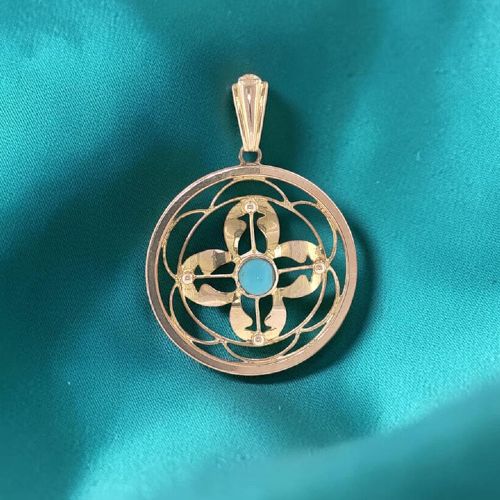
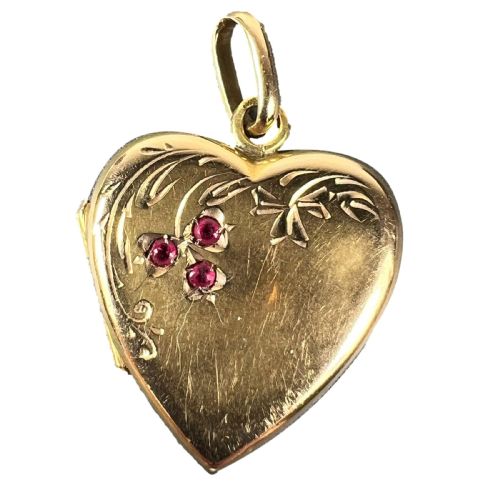
A yellow gold floral charm comprises small decorative items configured around botanical and floral themes, frequently found on this page in the form of pendants, lockets, and necklaces. These pieces span multiple eras including the Victorian, Edwardian, and mid-century periods, capturing naturalistic designs in precious metals.
Makers and origins vary across the collection, with several French examples featuring enamel, pearls, and carved gemstones. Each piece reflects the specific decorative conventions of its decade, from nineteenth-century puffy hearts to mid-century starbursts.
Materials and construction
These items rely on nine-carat, fifteen-carat, and eighteen-carat yellow gold, often paired with rose gold accents and precious stones such as diamonds, rubies, garnets, and sapphires. Artisans incorporated pearls, turquoise, and coloured enamel to delineate petals, leaves, and floral wreaths.
Construction techniques involve detailed engraving, guilloche enamelling, and stone setting to render floral baskets, swallows, and daisy motifs. French ateliers frequently utilised 18K yellow and rose gold to shape puffy hearts and intricate religious medals.
Defining quality in antique charms
Quality rests upon the fineness of the goldwork, the crispness of the floral engraving, and the structural integrity of enamelled or gemstone elements. Superior examples demonstrate precise hand-carving on petals and leaves without softening of detail.
The integration of precious gems, such as matched rubies, pearls, or brilliant-cut diamonds, elevates the workmanship. Pieces retaining intact enamel and secure settings distinguish the finest items in this category.
Merrin
The Yellow Gold Floral Charm Glossary
- Guilloche enamel
- A decorative technique where transparent enamel is layered over engine-turned metalwork. This creates repeating geometric patterns beneath the glossy coloured surface.
- Pendant medal
- A flat or slightly domed metallic piece, often bearing religious or commemorative imagery, designed to be worn suspended from a chain. Many French examples feature floral borders.
- Puffy heart
- A hollow, three-dimensional heart-shaped charm or pendant formed from two soldered metal halves. These pieces often showcase engraved flowers or enamel decoration.
- Cluster pendant
- An arrangement of multiple gemstones set tightly together, typically featuring a central stone encircled by smaller gems. In floral pieces, this mimics the centre of a blossom.
- Seed pearl
- A very small natural or cultured pearl, frequently used in nineteenth-century jewellery to trace delicate floral outlines and stems.
Yellow Gold Floral Charm: Frequently Asked Questions
What periods do these charms come from?
The pieces span from the Victorian and Edwardian eras through the early twentieth century and into the nineteen-fifties and sixties. You will find distinct stylistic shifts from nineteenth-century French medals to mid-century diamond clusters.
Each period utilises specific gold purities and gemstone settings characteristic of its manufacturing decade.
How were these floral charms worn?
Most items function as pendants or charms, designed to suspend from necklaces, chains, or charm bracelets. Some incorporate loops or bales suited for delicate neck chains.
They served as personal ornaments, often worn close to the heart as lockets or decorative floral tokens.
What materials are commonly used?
Jewellery in this category is primarily forged from nine-carat, fifteen-carat, and eighteen-carat yellow gold, occasionally complemented by rose gold. Gemstones including rubies, diamonds, garnets, and sapphires appear alongside pearls and enamel.
These materials define the colourful botanical representations seen across the collection.
Are French charms different from British ones?
French pieces frequently utilise eighteen-carat gold and feature distinct motifs like religious medals, shield plaques, and enamelled puffy hearts. British examples from the same eras often rely on nine-carat or fifteen-carat gold with garnet and pearl accents.
Both national traditions excel in floral engraving and delicate botanical symmetry.