
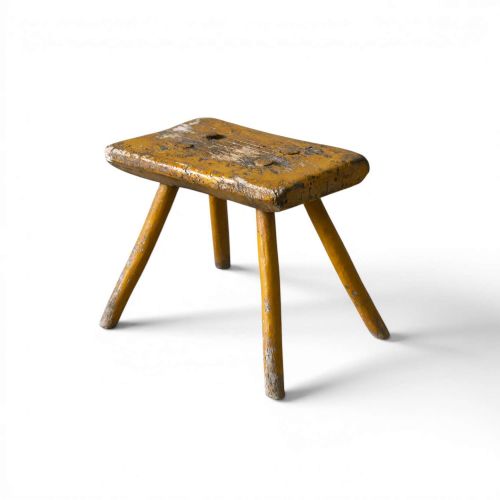
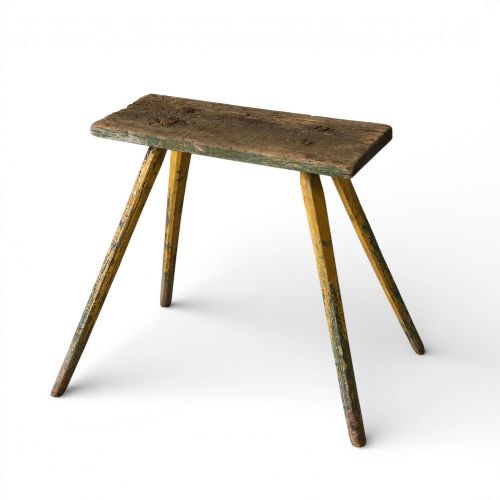


Yellow Footstool
A yellow footstool brings a bright focal point to a room, offering practical comfort alongside traditional craftsmanship.
Yellow Footstool
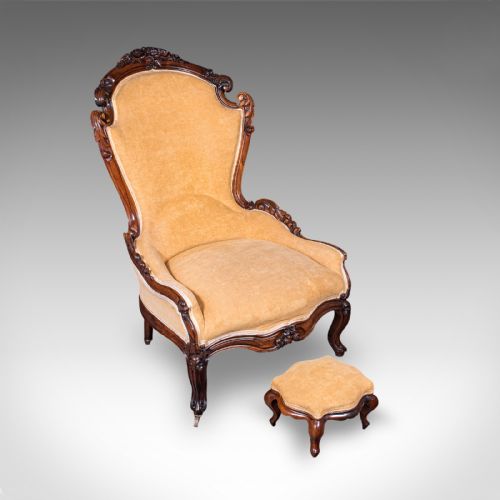
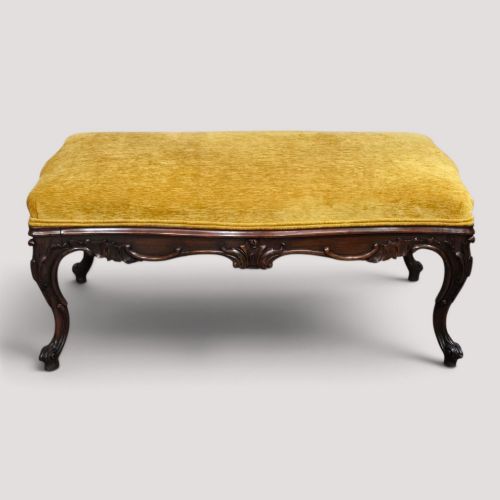
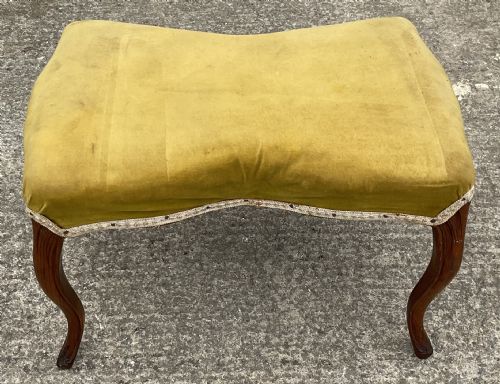
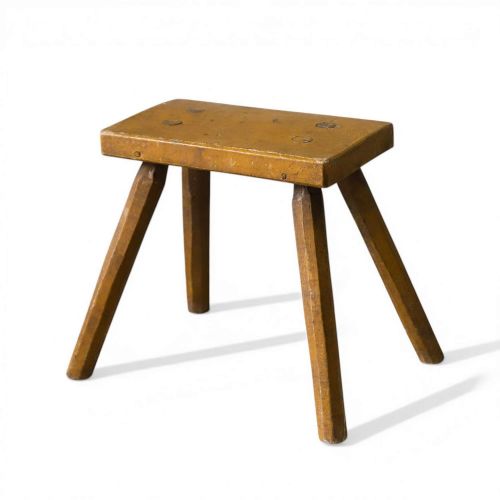
When searching for a yellow footstool, you encounter various seating forms ranging from low milking stools to large Victorian and Edwardian upholstered ottomans. The examples span multiple centuries, including Regency, Early Victorian, and early twentieth-century periods.
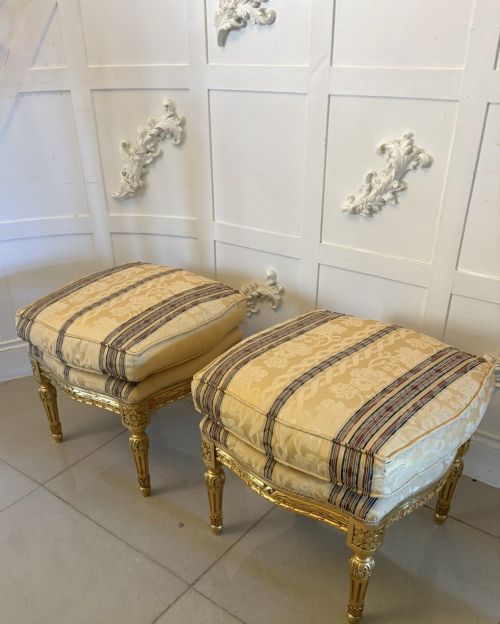
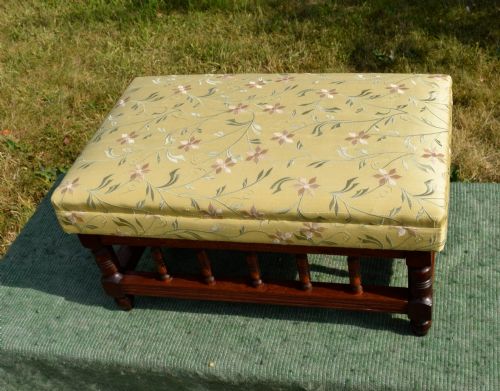
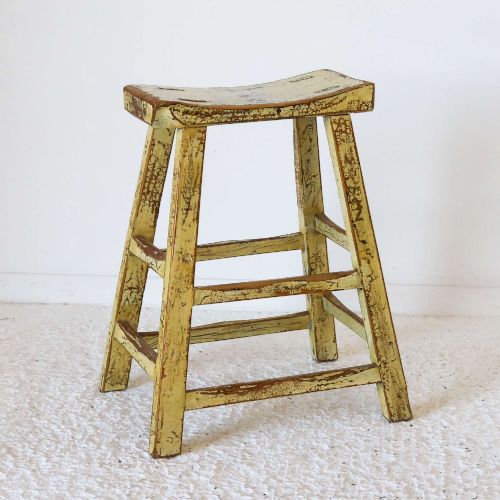
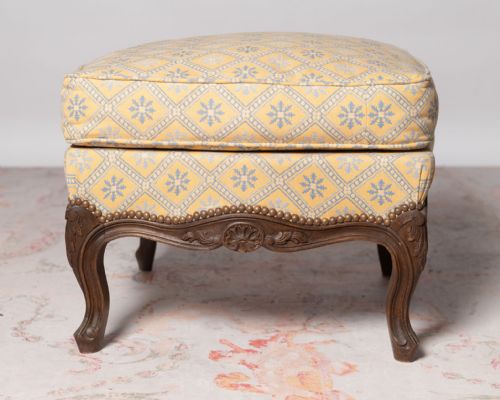
Most pieces on this page appear as traditional wooden frames paired with textiles, velvet, fabric, or original paint finishes in ochre and yellow. Forms include dressing table seats, salon chairs with matching stools, and low country stools.
Origins stretch across English, French, Chinese Provincial, and Eastern European workshops, providing diverse stylistic expressions from rustic country designs to formal carved mahogany and rosewood furniture.
What varies in quality
The standard of carving and timber selection dictates the distinction between everyday utility items and fine salon furniture. Finer pieces feature carefully shaped mahogany or walnut frames with precise hand-carved ornamentation.
Originality of surface treatment heavily influences the character of painted country pieces. Retained historical paint layers and untouched woodwork provide greater authenticity compared to later restorations.
Materials span mahogany, walnut, rosewood, brass, and fabric, reflecting diverse nineteenth and twentieth-century production.
The Yellow Footstool Glossary
- Cabriole leg
- A furniture leg that curves outward and then tapers inward, mimicking an animal's limb. This form appears frequently on Victorian and Georgian seating.
- Giltwood
- Wood that has been treated with a thin layer of gold leaf or gold paint. This technique decorates formal French style frames.
- Ottoman
- A low, upholstered seat or couch without arms or a back. Larger versions function similarly to footstools or coffee tables.
- Upholstery
- The materials that make up the soft, padded covering of a seat, including fabric, velvet, and textile layers. Many period pieces retain or require this finishing work.
Yellow Footstool: Frequently Asked Questions
What is a yellow footstool used for?
These pieces serve primarily as functional footrests, low seats, or small coffee tables in living spaces and dressing rooms.
Their compact size allows them to fit easily beside armchairs, sofas, or dressing tables while adding a distinct splash of colour.
How do I date a Victorian footstool?
Dating relies on examining the timber species, leg profiles, and structural techniques used in the wooden frame. Walnut and rosewood construction often points toward mid-nineteenth-century production.
Additional clues come from upholstery styles, such as buttoned finishing or turned wooden supports characteristic of the period.
Are painted footstools original?
Some rural and provincial pieces retain their original ochre and yellow painted surfaces from the nineteenth century. Examining the wear patterns helps distinguish genuine historic finishes from later decorative coats.
Unpainted versions frequently showcase the natural grain of mahogany, walnut, or elm.
Where were these footstools made?
The listings include pieces originating from English, French, Eastern European, and Chinese workshops. Each region contributed distinct regional styles, from rustic milking stools to formal Regency seating.
Local timber availability and domestic design traditions heavily influenced the construction of each piece.