
Wooden Tallboy Dresser
A wooden tallboy dresser provides substantial storage with vertical elegance, bringing period presence and practical timber construction to a bedroom.
Wooden Tallboy Dresser
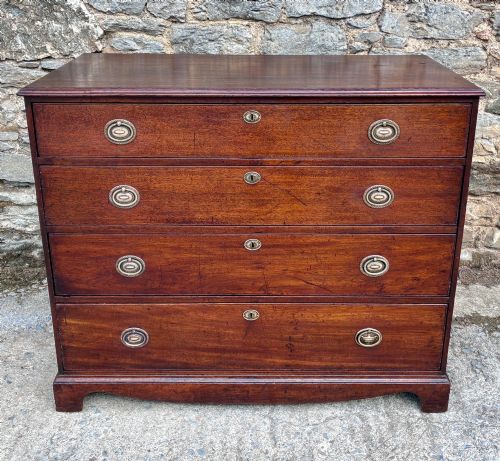
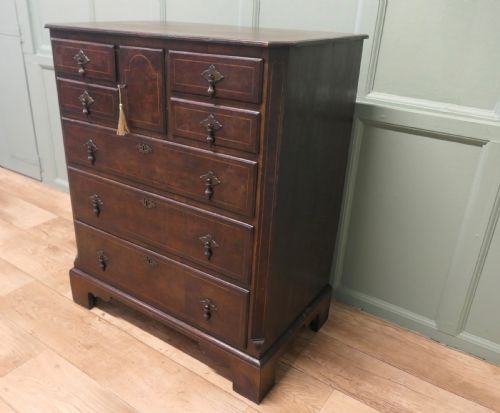
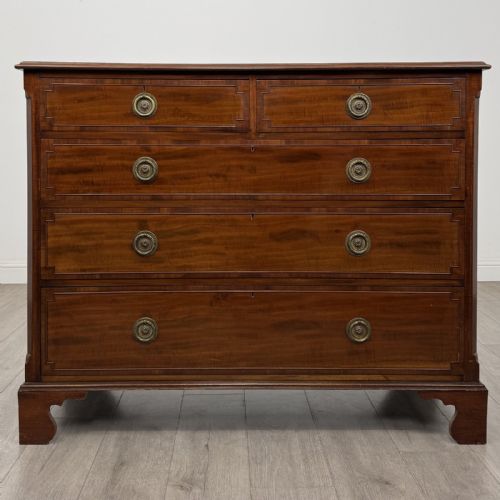
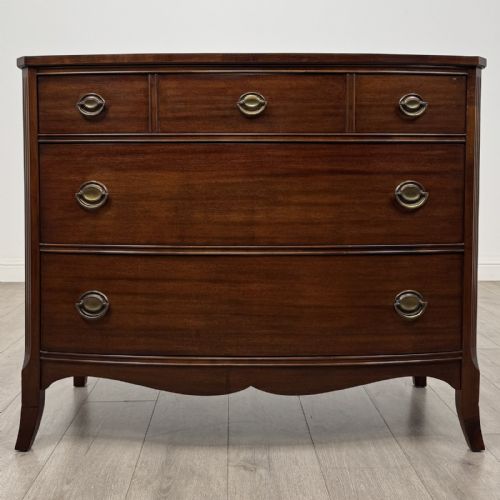
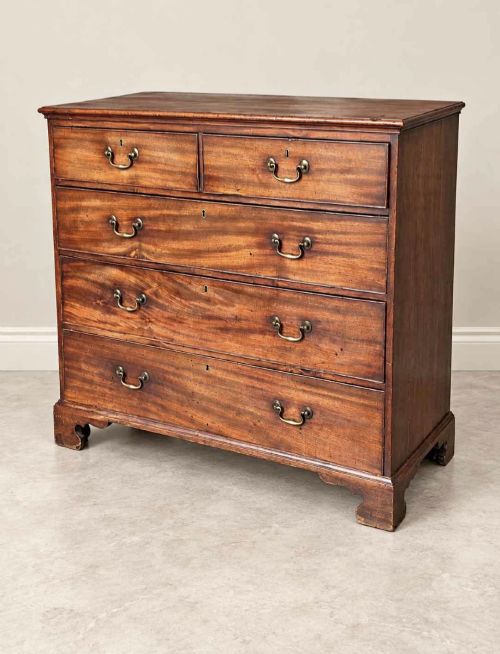
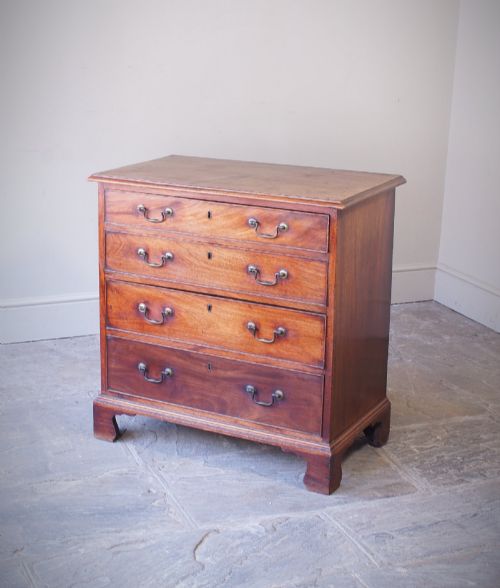
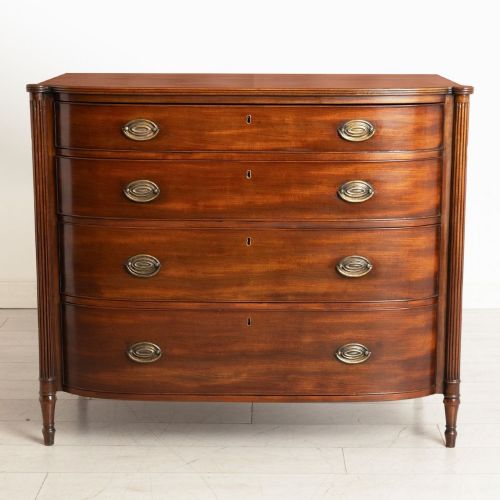
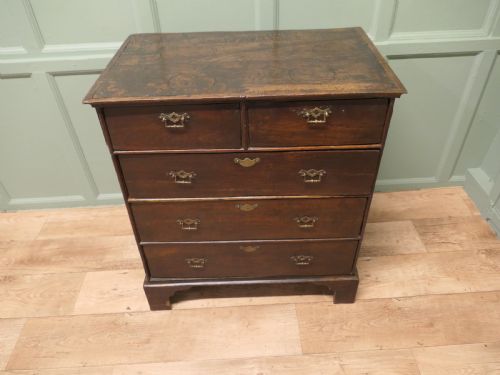
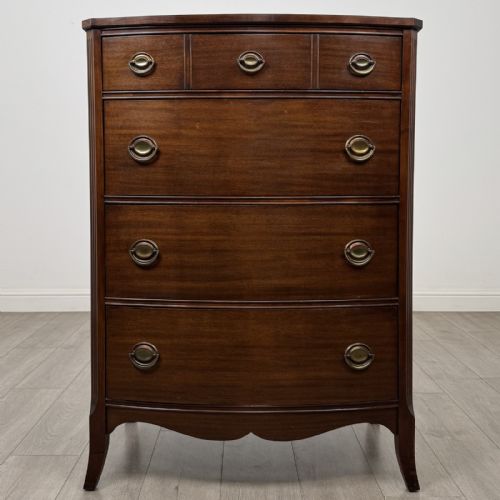
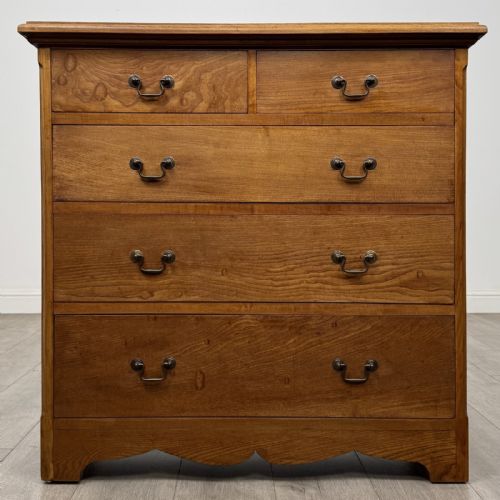
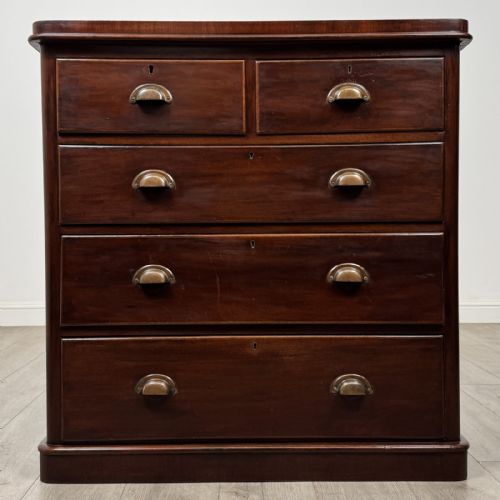
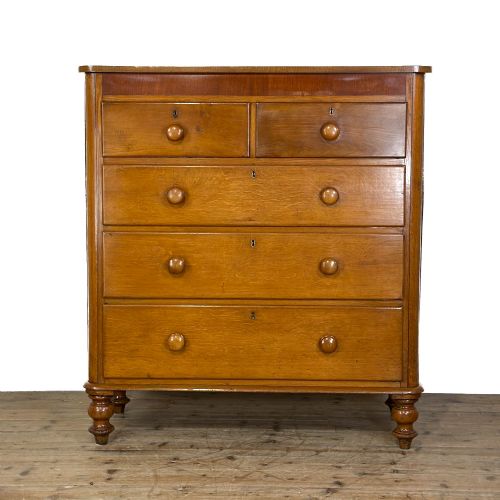
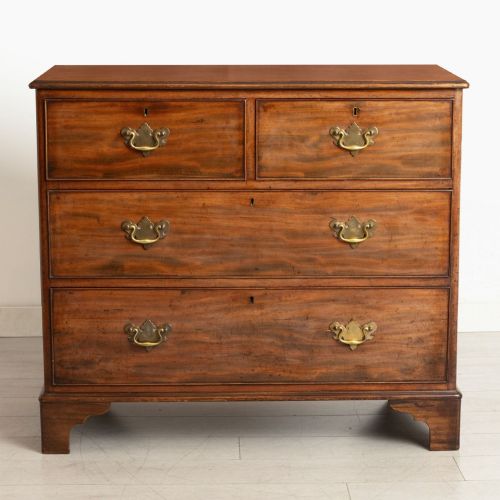
When buyers search for a wooden tallboy dresser, they encounter upright chests of drawers and chests on chests designed to maximise storage while occupying a compact floor footprint. The pieces seen here span centuries of British and continental domestic furniture, ranging from simple country pieces to formal town designs.
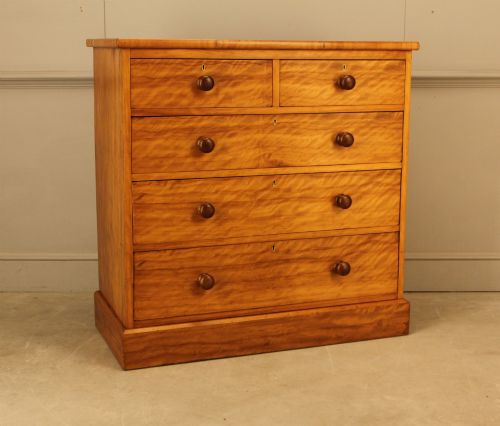
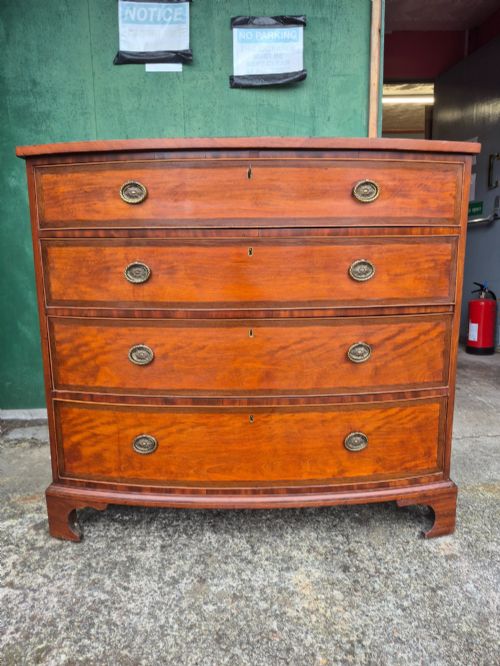
The most common formats on this page combine multiple timber drawers in vertical alignment, frequently arranged with smaller drawers over deeper ones. These items originate across the Georgian, Victorian, Edwardian and Regency periods, utilising both solid hardwoods and decorative veneers.
Makers built these tall storage units to stand against bedroom walls or within dressing rooms, holding linens, garments and personal items. Their upright proportions distinguish them from low chests, offering considerable capacity without dominating the room.
Materials and construction methods
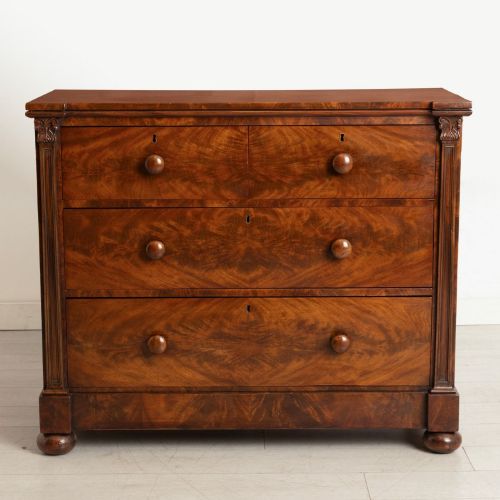
Cabinet makers built these pieces using primary timbers such as mahogany, oak and walnut, often applying flame mahogany or burr walnut veneers to the principal drawer fronts and surfaces. Secondary woods like pine appeared in drawer linings and internal framing, keeping the structure stable while containing costs.
Joinery relied on traditional dovetailed drawer construction and mortise and tenon framing, ensuring the tall carcasses endured heavy daily use. Surface enrichment came from brass handles, brass cup handles, carved top edges and turned feet, alongside polished finishes that highlighted the natural grain of the wood.
Listings feature woods including mahogany, oak, walnut, pine, ash, satinwood and teak, spanning the Georgian to Edwardian eras.
Quality variations in tall chests
The distinction between standard utility items and superior examples lies in the selection of figured timber veneers and the crispness of the cabinet work. Finely figured mahogany, walnut or satinwood indicates a maker working for a discerning clientele, whereas plain oak or stained birch often represents simpler provincial or later commercial production.
Structural integrity and original hardware elevate a piece, particularly when drawer linings remain clean and the carcase retains its original brass handles or bun feet. Subtle detailing such as featherbanding, cockbeading around drawers and clean internal dovetailing separate high-grade workshop output from basic domestic furniture.
The Wooden Tallboy Dresser Glossary
- Tallboy
- A tall chest of drawers, often constructed as one chest stacked upon another to provide extensive vertical storage capacity.
- Bow-front
- A convex curved front profile to a chest of drawers, popular during the Georgian and Regency periods for softening the boxy look of cabinet furniture.
- Flame mahogany veneer
- A sliced sheet of mahogany timber exhibiting a characteristic flickering flame-like grain pattern, applied to primary display surfaces.
- Brushing slide
- A pull-out shelf integrated into the upper section of a chest, historically used for folding clothes or brushing garments.
- Dovetail
- An interlocking joint used at the corners of drawers, prized by woodworkers for its tensile strength and resistance to being pulled apart.
Wooden Tallboy Dresser: Frequently Asked Questions
How do I distinguish a Georgian tall chest from a Victorian one?
Georgian pieces typically display restrained proportions, bracket feet or ogee feet, and fine cockbeading around the drawer edges. Their timber selection often favours rich mahogany or figured walnut with hand-cut dovetails.
Victorian examples frequently present heavier proportions, turned feet and occasionally stained finishes or pine secondary woods. The brass hardware on Victorian pieces tends to be stamped rather than cast, reflecting industrial production methods.
Where should I place a wooden tallboy dresser in my home?
These upright chests suit bedrooms, dressing rooms and hallways where floor space is limited but vertical capacity is required. Their height draws the eye upward, making them functional anchors for tight wall spaces.
Keep them away from direct heat sources and strong sunlight to prevent the timber veneers from drying out or fading over time. Ensure the wall clearance allows drawers to open fully without obstruction.
What is the difference between a tallboy and a standard chest of drawers?
A standard chest of drawers sits low to the ground, often functioning as a surface for mirrors or decorative objects on top. Its proportions emphasise width and depth over height.
A tallboy rises higher off the floor, frequently incorporating more tiers of drawers or stacking two distinct cabinet sections together. This vertical build provides significantly more storage volume within a smaller footprint.
How do I care for antique wooden drawer surfaces?
Dust the timber regularly with a soft, dry cloth to prevent grit accumulation from scratching the polished finish. Avoid using modern silicone sprays or heavy waxes that build up residue and attract airborne dust.
Feed dry wood occasionally with a traditional beeswax polish applied sparingly and buffed to a soft sheen. Maintaining stable room humidity prevents the solid timbers and delicate veneers from splitting or warping.